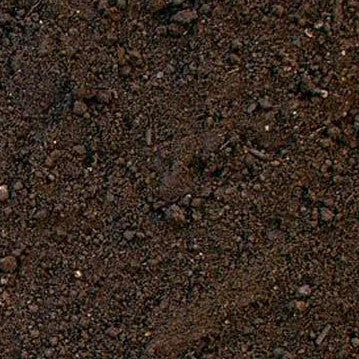
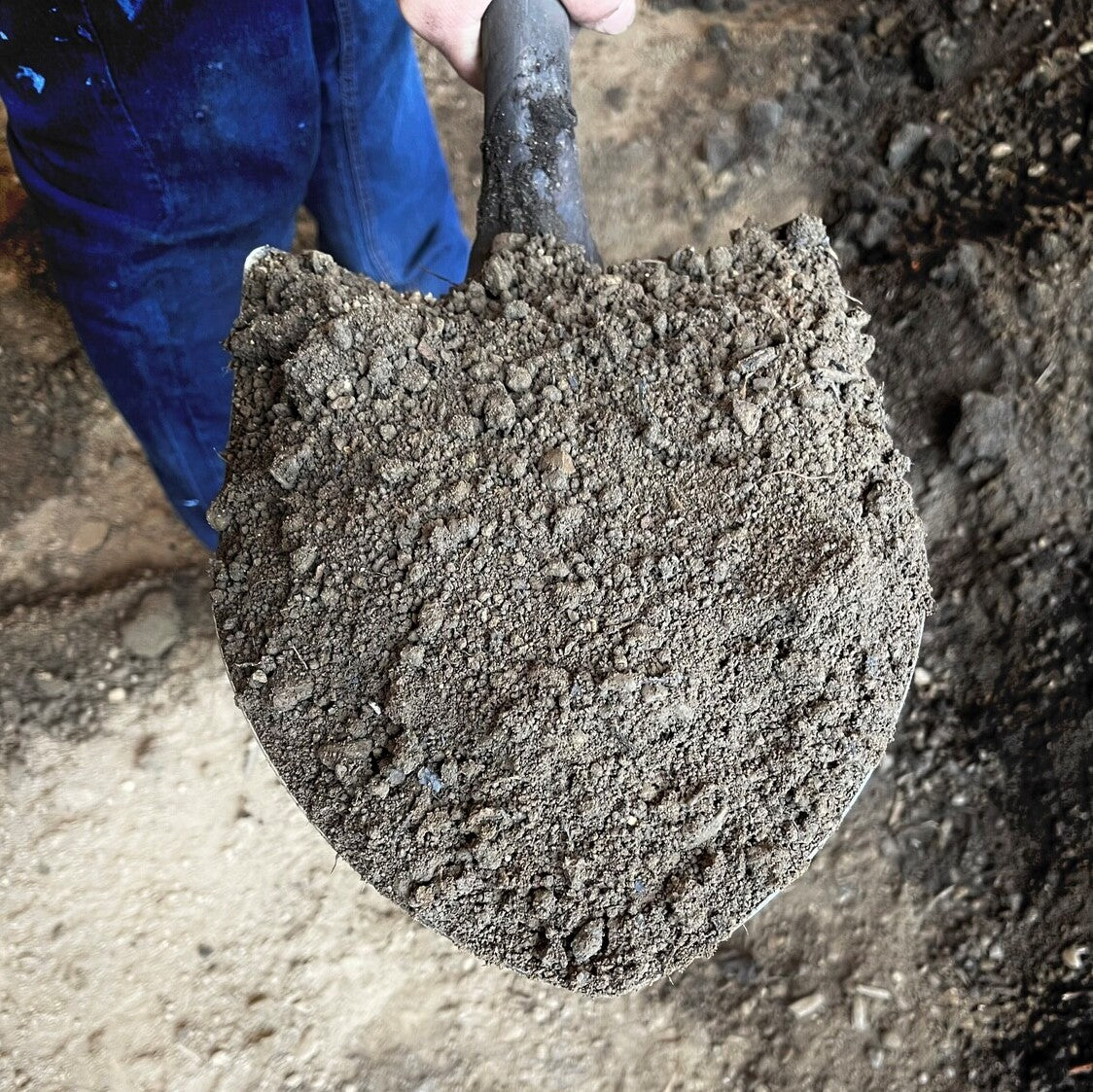
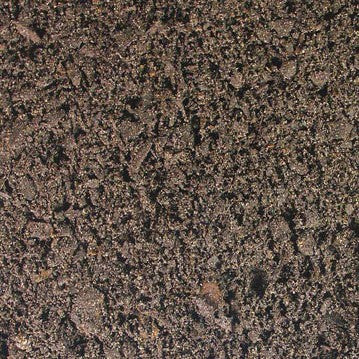
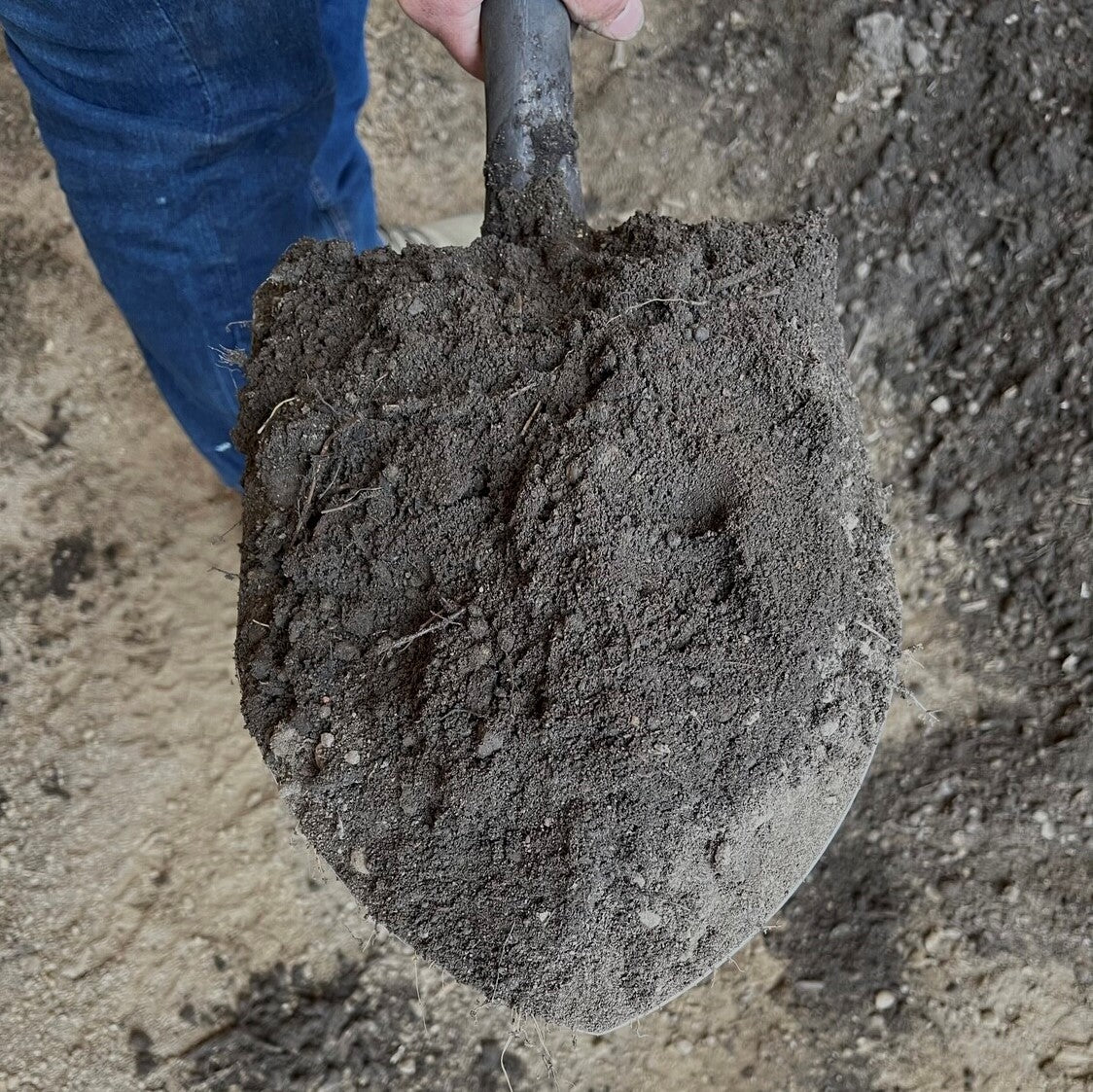
Quality topsoil for lawns, gardens, and landscape projects. Nutrient rich and ready to support strong root development and healthy plant establishment.
Great experience - not only was this the most affordable option for dirt delivery in Cleveland heights, but the delivery was fast and friendly. Got exactly what I needed and the truck got as close as possible to where I needed the dirt - even in my cramped driveway. Will be us...
Tell us what you're looking for
Thanks! We received your request.
Something went wrong. Please try again.
How Much Material Do I Need?
For garden beds and raised planters in Sandusky, aim for at least 10 to 12 inches of quality soil depth to give roots room to develop through the full growing season. Lawn leveling projects typically need 1 to 3 inches of topsoil depending on how significant the grade issues are in your yard.
Use our free soil calculator
What is a yard?
A yard is approximately 27 cubic feet. As a general guideline, one yard of material can cover an area of about 100-160 square feet at a 2-3 inch depth.
What is a yards?
A yard is approximately 27 cubic feet. As a general guideline, one yard of material can cover an area of about 10 feet by 10 feet at a few inches deep.
We can't take orders for this right now. Tell us what you need and we'll get back to you.
What do you need?
Thanks! We received your request.
Something went wrong. Please try again.
Hand-picked local yards
4,000+ regional deliveries
Dedicated support
Why order through Mulch Mound
The best local soil, without the guesswork.
We hand-pick and partner with the best yards in your region, keep only the ones our buyers rate well, and back each load with our guarantee.
Mulch Mound Guarantee
If your soil isn't the quantity or quality you ordered, we'll make it right.
About this soil
Quality topsoil for lawns, gardens, and landscape projects. Nutrient rich and ready to support strong root development and healthy plant establishment.
Great experience - not only was this the most affordable option for dirt delivery in Cleveland heights, but the delivery was fast and friendly. Got exactly what I needed and the truck got as close as possible to where I needed the dirt - even in my cramped driveway. Will be us...
How Much Material Do I Need?
For garden beds and raised planters in Sandusky, aim for at least 10 to 12 inches of quality soil depth to give roots room to develop through the full growing season. Lawn leveling projects typically need 1 to 3 inches of topsoil depending on how significant the grade issues are in your yard.
Use our free soil calculator
What is a yard?
A yard is approximately 27 cubic feet. As a general guideline, one yard of material can cover an area of about 100-160 square feet at a 2-3 inch depth.
What is a yards?
A yard is approximately 27 cubic feet. As a general guideline, one yard of material can cover an area of about 10 feet by 10 feet at a few inches deep.
Great experience - not only was this the most affordable option for dirt delivery in Cleveland heights, but the delivery was fast and friendly. Got...
Read full review
Great experience - not only was this the most affordable option for dirt delivery in Cleveland heights, but the delivery was fast and friendly. Got exactly what I needed and the truck got as close as possible to where I needed the dirt - even in my cramped driveway. Will be using again and recommending to my neighbors.
Measure your project area in feet, multiply length by width by depth in feet, and divide by 27 to get the cubic yards you need. In Sandusky, it pays to add a 10 percent buffer to your estimate since silt loam grading often reveals low spots that were not obvious at the start. For raised beds, remember that soil will settle by about 10 to 15 percent after watering, so filling slightly above the frame height is good practice.
Soil Types We Deliver in Sandusky
Mulch Mound delivers bulk topsoil by the yard in Sandusky and the surrounding Erie County area, bringing quality material right to your driveway or job site. Northern Ohio's naturally heavy clay soil makes a reliable amendment or base layer essential for lawns, gardens, and grading projects.
Screened Top Soil
Our screened topsoil arrives free of rocks and debris, making it ideal for lawn repairs, garden bed prep, and general landscaping. The naturally clay-heavy ground common to northern Ohio responds well to a quality screened layer that supports strong root development.
Premium Gardening Blend
This premium blend combines topsoil and compost into a ready-to-plant mix suited for raised beds and new garden installations. It delivers the balanced texture and organic matter that help new plantings establish quickly in northern Ohio's variable spring growing conditions.
Fill Dirt
Standard fill dirt is unscreened topsoil designed for grading, foundation work, and rough leveling. It is the most cost-effective bulk option for northern Ohio projects where a fine surface texture is not needed and volume is the primary concern.
Leaf Compost
Aged leaf compost adds organic matter and improves moisture retention in the compact, clay-leaning soils common to this part of Ohio. Work it into existing beds or till it in before planting to create a softer, more nutrient-rich growing environment.
Complete Your Outdoor Soil Project
Topping new soil with a 2 to 3 inch layer of hardwood mulch helps protect Sandusky's silt loam from compaction and keeps moisture consistent through the warm months. Adding decorative stone borders around raised beds or garden areas keeps soil contained during heavy rains and gives your landscaping a polished, finished edge.
Is Sandusky's native soil good enough for raised vegetable beds or do I really need to bring in something better?
Sandusky's native silt loam is a reasonable base but it lacks the loose, nutrient-rich structure that vegetable beds need to perform well. It tends to compact in raised containers, which restricts root development in crops like tomatoes and peppers that depend on deep, even moisture. Blending or replacing it with a quality garden soil that includes compost and improved drainage gives your vegetables a much stronger start and better yields through the June to September peak growing period.
Answer
How much topsoil do I need to level out a low spot in my Sandusky yard?
For minor low spots, you typically need 1 to 2 inches of topsoil to establish a grade that sheds water properly. In Sandusky, where 37 inches of annual rainfall can pool quickly in low areas near the flat Lake Erie terrain, getting drainage right matters. Measure the length and width of the area, multiply by your target fill depth in feet, and divide by 27 to get cubic yards. For deeper depressions, layering in lifts and compacting lightly between applications gives you a more stable long-term result.
Answer
What type of soil should I use when seeding a new lawn in Sandusky?
For new lawn installations in Sandusky, a quality screened topsoil with moderate organic content works best as a base layer. You want something that drains reasonably well since silt loam underneath can become saturated during wet springs, but also retains enough moisture to keep germinating seed from drying out during warm May weather. Spread 2 to 4 inches of topsoil over the graded area, seed with a Zone 6b-appropriate mix like tall fescue or Kentucky bluegrass, and keep the surface consistently moist until germination is complete.
Answer
Can I use bulk garden soil to improve drainage in my existing Sandusky beds?
Yes, but the most effective approach is to incorporate the new soil rather than simply layering it on top. Mix the imported garden soil into the top 6 to 8 inches of your existing silt loam using a tiller or garden fork. This breaks up the fine-particle structure of the silt loam and introduces coarser organic material that improves drainage and aeration. Aim to do this in early spring after soil has thawed but before it dries out, ideally a few weeks ahead of the April 25 last frost date.
Answer
How do I know whether I need topsoil or garden soil for my Sandusky project?
Topsoil is best for grading, lawn leveling, and filling large areas where you need volume and basic structure. Garden soil contains higher levels of compost and organic matter, making it better for planting beds, raised vegetable gardens, and areas where you want to maximize nutrient availability. In Sandusky, a common approach is to use screened topsoil for the bulk of a grading project and then top it with a few inches of garden soil in the actual planting zones to give plants the richest environment at the root level.
Answer
When should I add soil to avoid problems with Sandusky's spring freeze-thaw cycles?
The safest window for major soil work in Sandusky is after the ground has fully thawed and drained from spring snowmelt, which is typically mid-April through early May. Adding soil while the ground is still frost-heaving can lead to settling and uneven grades once everything stabilizes. For fall projects, finish soil grading and seeding by mid-October to give new grass roots at least two weeks to establish before the first frost arrives around October 30.
Answer
How deep should I build raised beds using imported soil given Sandusky's growing season?
For most vegetables in Sandusky, 10 to 12 inches of quality garden soil gives roots enough depth to stay comfortable through summer dry spells while draining fast enough to avoid saturation during wet springs. Root crops like carrots and parsnips benefit from 14 to 16 inches. Because Sandusky's growing season runs roughly April 25 to October 30, deeper beds also warm up faster in spring, which can give you a meaningful head start on early plantings like lettuce and kale.
Mulch Mound Pro Tip
When filling raised beds in Sandusky, avoid using native silt loam as your primary fill material. Silt loam compacts significantly in raised containers, and after one wet spring it can become nearly dense at lower depths. Use a blend of quality topsoil and compost-rich garden soil at roughly a 60 to 40 ratio. This gives you the structure and weight of mineral soil with enough organic material to stay loose and drain properly after Sandusky's heavy spring rain events.
Mulch Mound Pro Tip
Sandusky's late frost date of April 25 means cool-season crops like lettuce, spinach, and broccoli can go into outdoor beds in early April if your soil is ready. Imported topsoil warms up faster than compacted native silt loam in spring because it has better aeration and darker coloration from organic content. Laying black plastic mulch over freshly installed garden soil for two weeks before planting accelerates that soil warming and gives you an early harvest head start that native soil alone rarely provides.
Mulch Mound Pro Tip
Before accepting a bulk soil delivery, have a staging spot ready within reasonable wheelbarrow distance of your project area. In Sandusky's spring planting season, rain can arrive quickly, and a large pile of topsoil sitting on a sloped driveway can wash significantly before you move it. If possible, schedule delivery for a stretch of dry weather in late April or early May and plan to spread the soil within 24 to 48 hours of arrival for the best results.
The Unique Landscape of Sandusky
Sandusky's native silt loam soil is not a bad starting point for gardening, but it has real limitations that show up quickly once you start working with it. Silt loam compacts easily, drains slowly in wet springs, and often lacks the organic matter and nutrient density that vegetable gardens and new lawn installations need to thrive. The area receives 37 inches of rain annually, and without improved drainage and soil structure in raised beds and low spots, that moisture can pool and suffocate plant roots through the critical spring establishment window. Importing quality bulk topsoil or garden soil lets Sandusky homeowners build planting environments that perform reliably through a growing season that spans from the last frost around April 25 to the first frost around October 30. Whether you are grading a new lawn area, filling raised vegetable beds, or topping off a low corner of your yard, bulk soil gives you control over nutrient content and drainage that native silt loam alone cannot always provide. Zone 6b conditions mean plants push hard during a relatively short warm season, and starting them in rich, well-structured soil makes a measurable difference in yield and vigor.