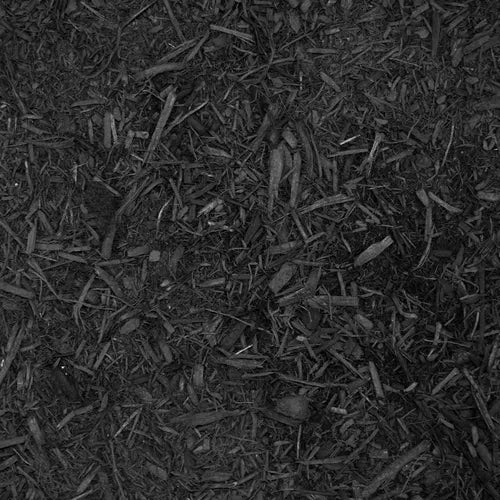
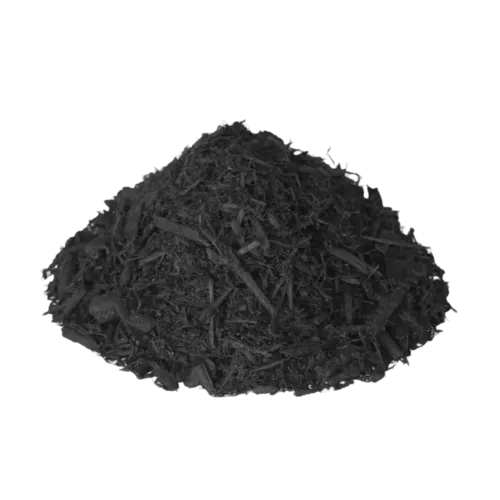
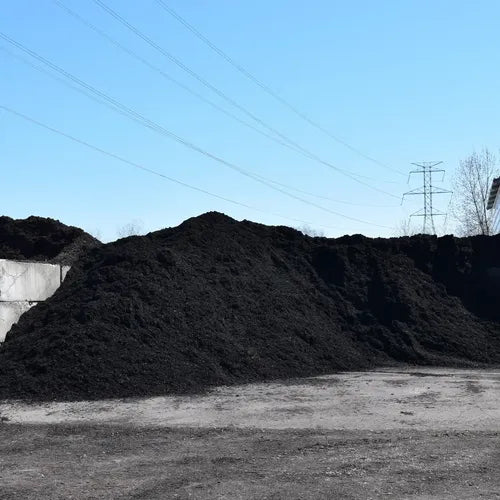
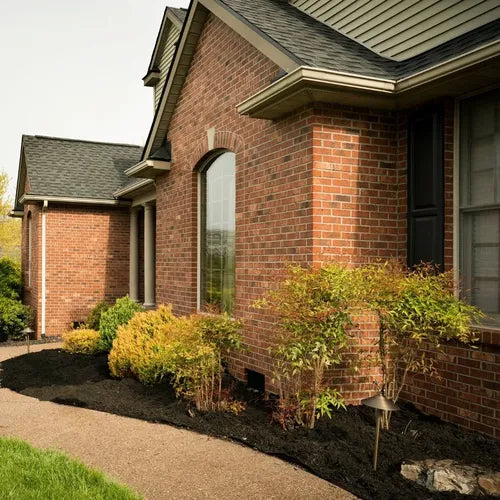
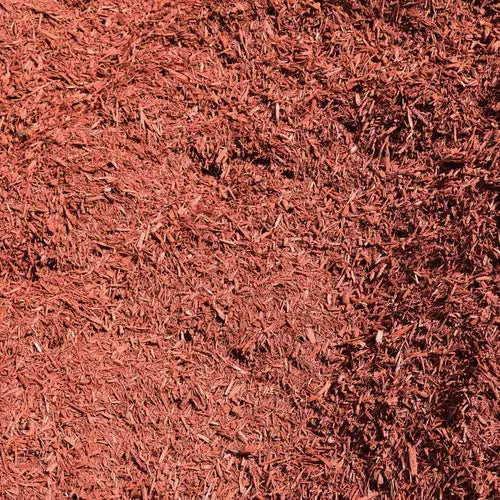
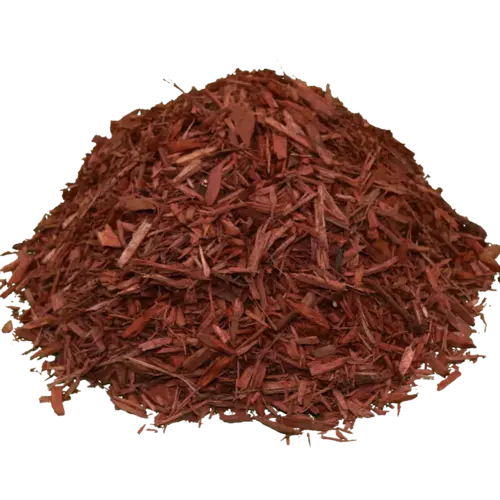
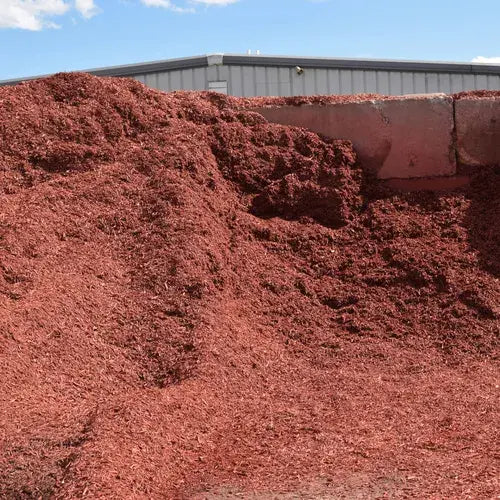
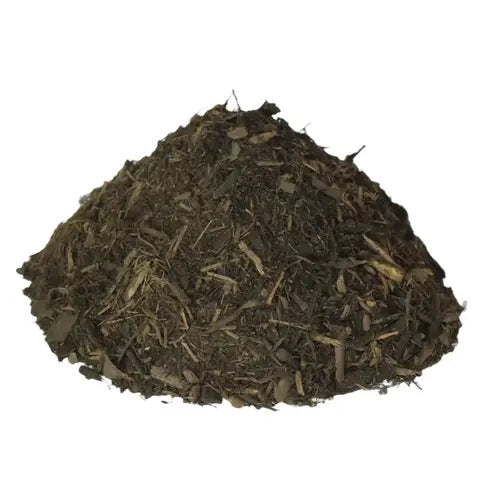
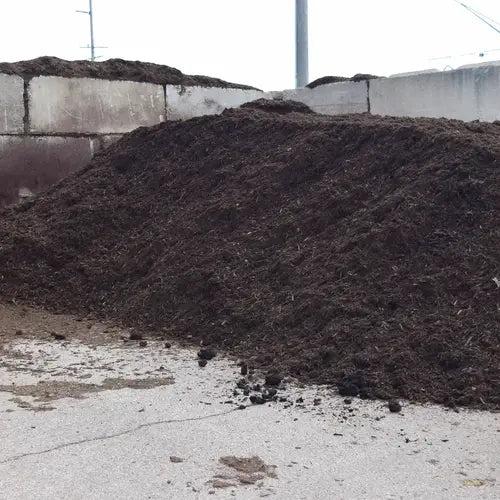
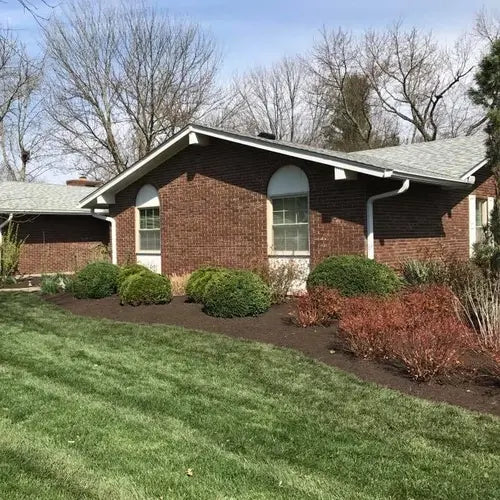
Warm brown double shredded mulch with lasting color that looks freshly applied for weeks. Spreads smooth, stays put, and gives beds a natural, polished appearance.
Great experience with mulch mound. Their online calculator made it easy to estimate how many yards of mulch I needed and delivery was quick. I would definitely recommend them for your future projects.
Tell us what you're looking for
Thanks! We received your request.
Something went wrong. Please try again.
How Much Material Do I Need?
Three inches of mulch is the standard recommendation for Santa Fe's clay loam beds, providing enough insulation and weed suppression without creating a waterlogged mat that can develop in our high-rainfall environment. Raised or sloped beds on sandier fill soil can handle four inches, while shaded beds in low-lying areas where moisture lingers should stay at two inches to maintain good air circulation at the soil surface.
Use our free mulch calculator
What is a yard?
A yard is approximately 27 cubic feet. As a general guideline, one yard of material can cover an area of about 100-160 square feet at a 2-3 inch depth.
We can't take orders for this right now. Tell us what you need and we'll get back to you.
What do you need?
Thanks! We received your request.
Something went wrong. Please try again.
Hand-picked local yards
4,000+ regional deliveries
Dedicated support
Why order through Mulch Mound
The best local mulch, without the guesswork.
We hand-pick and partner with the best yards in your region, keep only the ones our buyers rate well, and back each load with our guarantee.
Mulch Mound Guarantee
If your mulch isn't the quantity or quality you ordered, we'll make it right.
About this mulch
Warm brown double shredded mulch with lasting color that looks freshly applied for weeks. Spreads smooth, stays put, and gives beds a natural, polished appearance.
Great experience with mulch mound. Their online calculator made it easy to estimate how many yards of mulch I needed and delivery was quick. I would definitely recommend them for your future projects.
How Much Material Do I Need?
Three inches of mulch is the standard recommendation for Santa Fe's clay loam beds, providing enough insulation and weed suppression without creating a waterlogged mat that can develop in our high-rainfall environment. Raised or sloped beds on sandier fill soil can handle four inches, while shaded beds in low-lying areas where moisture lingers should stay at two inches to maintain good air circulation at the soil surface.
Use our free mulch calculator
What is a yard?
A yard is approximately 27 cubic feet. As a general guideline, one yard of material can cover an area of about 100-160 square feet at a 2-3 inch depth.
Great experience with mulch mound. Their online calculator made it easy to estimate how many yards of mulch I needed and delivery was quick. I woul...
Read full review
Great experience with mulch mound. Their online calculator made it easy to estimate how many yards of mulch I needed and delivery was quick. I would definitely recommend them for your future projects.
We needed mulch for our HOA common areas. Local providers were all holding high prices even for 40 yards of mulch. Mulch mound was easy to wowith...
Read full review
We needed mulch for our HOA common areas. Local providers were all holding high prices even for 40 yards of mulch. Mulch mound was easy to wowith & has great price for natural mulch + delivery schedule options. They called before delivery to ensure Delivery was exactly where we wanted it.
Delivery was on time and great quality Mulch. Got it done in a reasonable time and yard looks great. Couldn’t be happier!!! Thank you and will us...
Read full review
Delivery was on time and great quality Mulch. Got it done in a reasonable time and yard looks great. Couldn’t be happier!!! Thank you and will use again!!
Measure the length and width of each bed in feet, multiply them together to get square footage, and then use 0.25 feet as your depth value for a standard three-inch application. Santa Fe beds that sit in full sun under summer heat may benefit from pushing to four inches in depth, which adds roughly one third more material to your total order. Adding up all your bed square footages before you calculate prevents the very common mistake of ordering too little for a full property refresh.
Mulch vs. No Mulch: The Difference
Santa Fe's heat and humidity push organic mulch through its breakdown cycle faster than in most Texas cities further inland, which means natural hardwood mulch delivers its soil-building benefits quickly but needs replenishment more often through the long Zone 9b growing season. Dyed mulch is processed to resist that accelerated decomposition, holding its color and structure through Gulf Coast rains and intense summer sun long enough that many Santa Fe homeowners only need one fresh application per season. The right choice depends on whether you prioritize the soil enrichment that comes from rapid natural decomposition or the lasting color that dyed products maintain through a nearly year-round growing calendar.
Before
After
Best Mulch Choice for Santa Fe Lawns
Most yards in the Santa Fe area sit on Clay Loam type of soil. Clay loam in Santa Fe drains slowly and tends to form a dense, compacted crust on the surface when exposed to repeated rain and dry cycles, which makes it hard for water and nutrients to reach plant roots effectively. Organic mulch breaks down into humus that gradually opens up that tight soil structure, improving both drainage and root penetration over time.
Hardwood Mulch
Hardwood mulch is particularly well suited to Santa Fe's clay loam because as it decomposes it releases tannins and organic acids that help break apart clay particles, gradually shifting the soil toward a more loamy texture. The consistent layer of decomposing hardwood also feeds the soil microbes that produce biological compounds binding clay into larger aggregates, which is the same process that naturally improves heavy, dense soil over multiple seasons.
Mulch Types We Deliver in Santa Fe
When you need bulk mulch delivery in Santa Fe, Mulch Mound delivers by the cubic yard straight to your driveway. The humid Gulf Coast climate and heavy clay soils in this part of Texas make a thick layer of quality mulch one of the smartest investments you can make for your beds and tree rings.
Dyed Black Mulch
Available in double shredded and triple shredded styles, this bold black mulch makes beds and borders pop against the lush greens common in Gulf Coast yards. The rich color holds through humid summers and heavy rains, and the triple shredded option is a favorite for polished, tightly groomed landscape beds.
Natural Brown Mulch
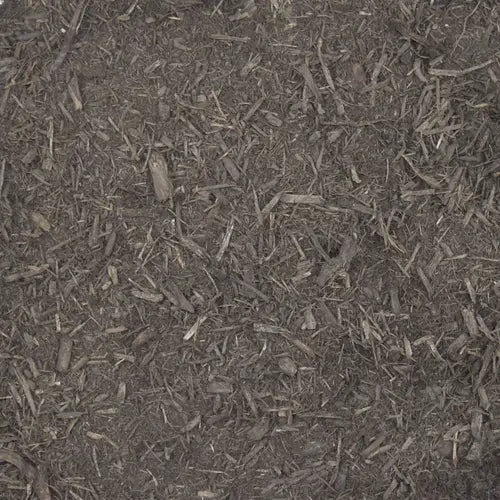
This undyed mulch comes in double shredded and triple shredded styles, giving you a warm earthy tone straight from the wood. It pairs well with the brick and neutral exterior tones common to homes in this part of southeast Texas, and the triple shredded cut settles tightly against clay soil beds.
Cedar Mulch
Double shredded cedar brings natural pest deterrent oils to your landscape, which is especially useful in a humid Gulf Coast climate where insects stay active through much of the year. The pleasant aroma and strong decay resistance help your beds stay fresh and tidy with fewer applications over time.
Complete Your Outdoor Mulch Project
Pairing fresh mulch with a quality topsoil or garden soil amendment gives Santa Fe beds the organic foundation that clay loam alone cannot provide, especially in new planting areas where the native soil has been disturbed by grading or construction. Finishing your beds with a decorative stone border keeps mulch contained during the heavy rains that roll through Santa Fe and adds a clean, polished edge that holds up all year without fading or washing away.
Time your mulch application for mid-February, right after Santa Fe's last frost date passes. The soil has warmed just enough for roots to begin active growth, and laying mulch at that moment traps the rising soil warmth while blocking the early-season weed seeds that germinate aggressively in Gulf Coast humidity. Waiting until late spring means weeks of unchecked weed pressure in your beds before you get the material down and working.
Mulch Mound Pro Tip
Never pile mulch directly against the base of shrubs or tree trunks in Santa Fe's climate. The combination of summer heat, high humidity, and consistent moisture creates ideal conditions for crown rot and bark decay when organic material presses against woody stems for extended periods. Pull your mulch back at least two to three inches from every trunk and stem, forming a donut shape around the plant rather than a volcano of material heaped against the base.
Mulch Mound Pro Tip
Santa Fe receives about 54 inches of rain per year, much of it arriving in concentrated bursts from Gulf moisture surges, and that intensity can erode exposed soil between your plants faster than slow seasonal rainfall would. A consistent mulch layer absorbs the initial impact of heavy drops, slows surface runoff across your beds, and gives water time to percolate down into the clay loam rather than sheeting off toward the street. Homeowners who mulch consistently report noticeably less soil washing out of their beds after the heavy storms that roll through between May and October.
Frequently Asked Questions
Click a question to see the answer
Answer
How thick should I apply mulch in Santa Fe given our heavy annual rainfall?
Three inches is the sweet spot for most Santa Fe beds. That depth is enough to suppress weeds and retain moisture through hot summer stretches, but it does not create such a thick mat that the 54 inches of annual rainfall sits on top and breeds mold in the humid Gulf Coast climate. In areas with very dense shade or poor air circulation, two inches can be enough to avoid fungal issues while still protecting the soil surface.
Answer
Will mulch grow mold or fungus in Santa Fe's humid climate?
Artillery fungus and other mold species do appear in wood mulch under Santa Fe's warm, humid conditions, especially when the material is piled too thick or pushed up against the house. Keeping your mulch layer at three inches or less, pulling it a few inches away from foundation walls, and raking it occasionally to break up compacted spots all reduce the chance of fungal growth taking hold in your beds.
Answer
Does mulch actually help with Santa Fe's clay loam soil problem?
Yes, and the improvement builds over time. As hardwood or shredded mulch breaks down on top of your clay loam, it adds organic matter that loosens the soil structure, improves drainage, and feeds the earthworms and microbes that keep the soil healthy. After two or three seasons of topdressing with organic mulch, many Santa Fe gardeners notice their beds drain faster after heavy rain and dry out more slowly during summer heat.
Answer
How often should I replace mulch with Santa Fe's long growing season?
Plan on refreshing once a year, with many Santa Fe homeowners doing a light top-up in early spring before the growing season kicks into full gear after February 15. If your beds look thin or you can see bare soil patches by midsummer, add a half-inch to an inch of fresh material rather than waiting for a full annual refresh. The heat and humidity here break organic mulch down faster than in cooler Texas climates, so staying on top of replenishment pays off.
Answer
Is dyed mulch or natural mulch a better choice for Santa Fe yards?
Both work well in Santa Fe, but the choice comes down to your priorities. Dyed mulch holds its color longer through the intense summer sun and frequent rain that fade natural wood quickly, making it a good pick for high-visibility front beds. Natural hardwood mulch breaks down into organic matter faster in our warm climate, so it delivers more soil benefit over a single season. Many Santa Fe homeowners use dyed mulch in the front yard and natural mulch in vegetable or garden beds where soil enrichment matters most.
Answer
Can mulch help protect my plants if we get a surprise freeze before December 15?
Absolutely. A three to four inch layer of mulch insulates the root zone and slows the drop in soil temperature during an early cold snap. Santa Fe typically does not see its first frost until around December 15, but Gulf Coast winters can occasionally surprise with an earlier chill, especially after a cold front stalls over the area. Keeping mulch in place through fall means your plant roots are buffered if temperatures dip unexpectedly.
Answer
Does heavy rain wash mulch out of my landscape beds?
On flat Santa Fe lots it is usually not a problem, but on any slope leading to a street or drainage swale, lighter mulch types like pine bark nuggets can float and scatter after a heavy Gulf Coast downpour. Shredded hardwood mulch knits together as it settles and resists washing much better than chunky nuggets on sloped beds. Installing a simple metal or plastic bed edging also keeps mulch contained when rain totals push above an inch in a short period.
The Unique Landscape of Santa Fe
Santa Fe's clay loam soil compacts easily under the weight of heavy Gulf Coast rains and repeated foot traffic, creating a dense surface that roots struggle to penetrate and water struggles to drain through. A properly applied mulch layer shields that soil surface from the impact of raindrops, reducing the crusting that causes runoff during the frequent downpours that deliver much of Santa Fe's 54 inches of annual rainfall. With a growing season that runs from the last frost around February 15 all the way to the first frost near December 15, mulch in Santa Fe has to perform across a nearly year-round stretch of heat, humidity, and occasional tropical moisture surges off the Gulf. Summer temperatures combined with Gulf Coast humidity accelerate the breakdown of organic mulch, meaning the material does double duty by both protecting the soil surface and steadily feeding it with decomposing organic matter. Refreshing your mulch layer each spring and again in early fall keeps your beds looking sharp while maintaining the consistent protection that Santa Fe's clay loam genuinely needs.