




The driver nailed it on putting the gravel I ordered in front of my trailer and between the sidewalk. Very satisfied with how my flowerbeds look now.
About this stone
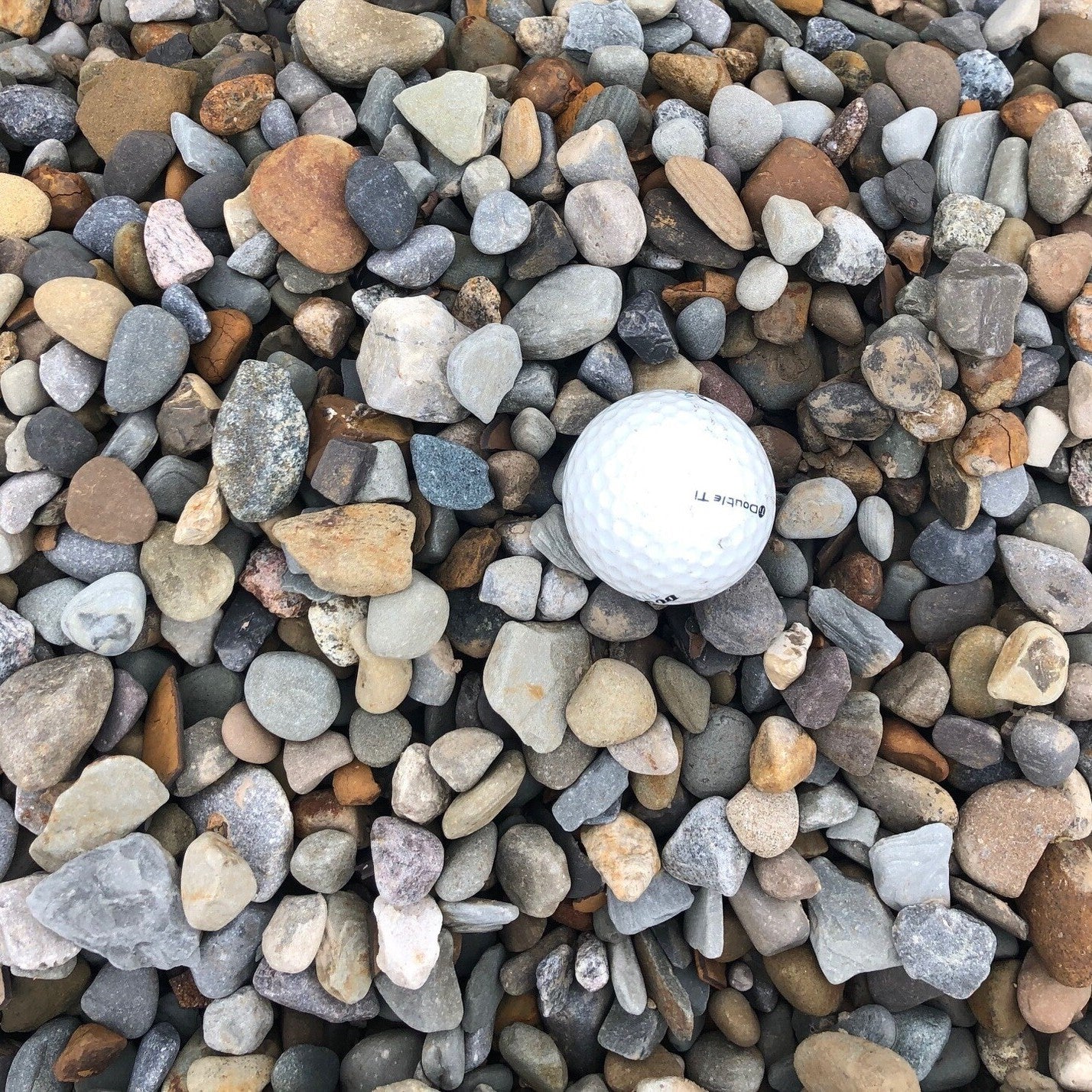
Number 57 crushed stone, angular limestone graded to about three quarters of an inch. The standard driveway, base and drainage gravel, it locks together under traffic and drains fast.
The driver nailed it on putting the gravel I ordered in front of my trailer and between the sidewalk. Very satisfied with how my flowerbeds look now.
Tell us what you're looking for
Thanks! We received your request.
Something went wrong. Please try again.
How Much Material Do I Need?
How Much Material Do I Need?
A two to three inch layer of stone is standard for ground cover and pathway applications on Santa Fe's relatively flat lots, providing enough depth to stay stable through the wet and dry cycles that cause clay loam to shift under the surface. Drainage swales and French drain trenches typically need the void space filled completely, so calculating by trench volume rather than surface area gives you a more accurate material estimate for those applications.
Use our free gravel calculator
What is a yard?
What is a yard?
FAQs
FAQs
Santa Fe Gravel Delivery
Santa Fe Gravel Delivery
Regular price
$133.00
per
yard
Regular price
Sale price
$133.00
Unit price
per
Shipping calculated at checkout.
Minimum of 3 yard
Couldn't load pickup availability
Not currently available
We can't take orders for this right now. Tell us what you need and we'll get back to you.
Hand-picked local yards
4,000+ regional deliveries
Dedicated support
Why order through Mulch Mound
The best local stone, without the guesswork.
We hand-pick and partner with the best yards in your region, keep only the ones our buyers rate well, and back each load with our guarantee.
Mulch Mound Guarantee
If your stone isn't the quantity or quality you ordered, we'll make it right.
About this stone
Number 57 crushed stone, angular limestone graded to about three quarters of an inch. The standard driveway, base and drainage gravel, it locks together under traffic and drains fast.
The driver nailed it on putting the gravel I ordered in front of my trailer and between the sidewalk. Very satisfied with how my flowerbeds look now.
How Much Material Do I Need?
How Much Material Do I Need?
A two to three inch layer of stone is standard for ground cover and pathway applications on Santa Fe's relatively flat lots, providing enough depth to stay stable through the wet and dry cycles that cause clay loam to shift under the surface. Drainage swales and French drain trenches typically need the void space filled completely, so calculating by trench volume rather than surface area gives you a more accurate material estimate for those applications.
Use our free gravel calculator
What is a yard?
What is a yard?
FAQs
FAQs
Tell us what you're looking for
Thanks! We received your request.
Something went wrong. Please try again.
How It Works
Getting started is easy — just follow these simple steps
1
Choose your stone
Make sure you adjust the quantity to your home's needs. You can use our calculator to estimate how much you'll need.
2
Select your delivery date
Select a delivery date you'd like for the product to be dropped off at your home
3
Sit back and wait
Sit back, wait, and let us work our magic to make sure the highest quality product is delivered to your driveway.


Need Help Calculating How Much Gravel You Need?
Use our NEW Trace from Satellite tool to get an estimate for your project based on an aerial view of your property
Try Our CalculatorFor ground cover applications, measure your area's length and width in feet and multiply by your intended depth in inches, then divide by 324 to convert to cubic yards. Santa Fe stone projects benefit from ordering about ten to fifteen percent extra to account for the settling that happens when stone compresses into soft clay loam below, especially in the first few weeks after installation and again after the first major Gulf Coast rain event soaks the base. For drainage channels and swales, measure the length and the full cross-section dimensions of your trench before calculating so your gravel order fills the void completely.
Stone Types We Deliver in Santa Fe
Santa Fe is a growing community in Galveston County where homeowners and landscapers regularly need reliable bulk stone delivery for both functional and decorative outdoor projects. Ordering bulk gravel by the yard in Santa Fe saves time and avoids the repeated trips to a supply yard that bag-by-bag purchases require. Whether you are tackling a drainage problem in a clay-heavy yard or refreshing a patio space, we deliver full cubic-yard loads directly to your property.
Pea Gravel
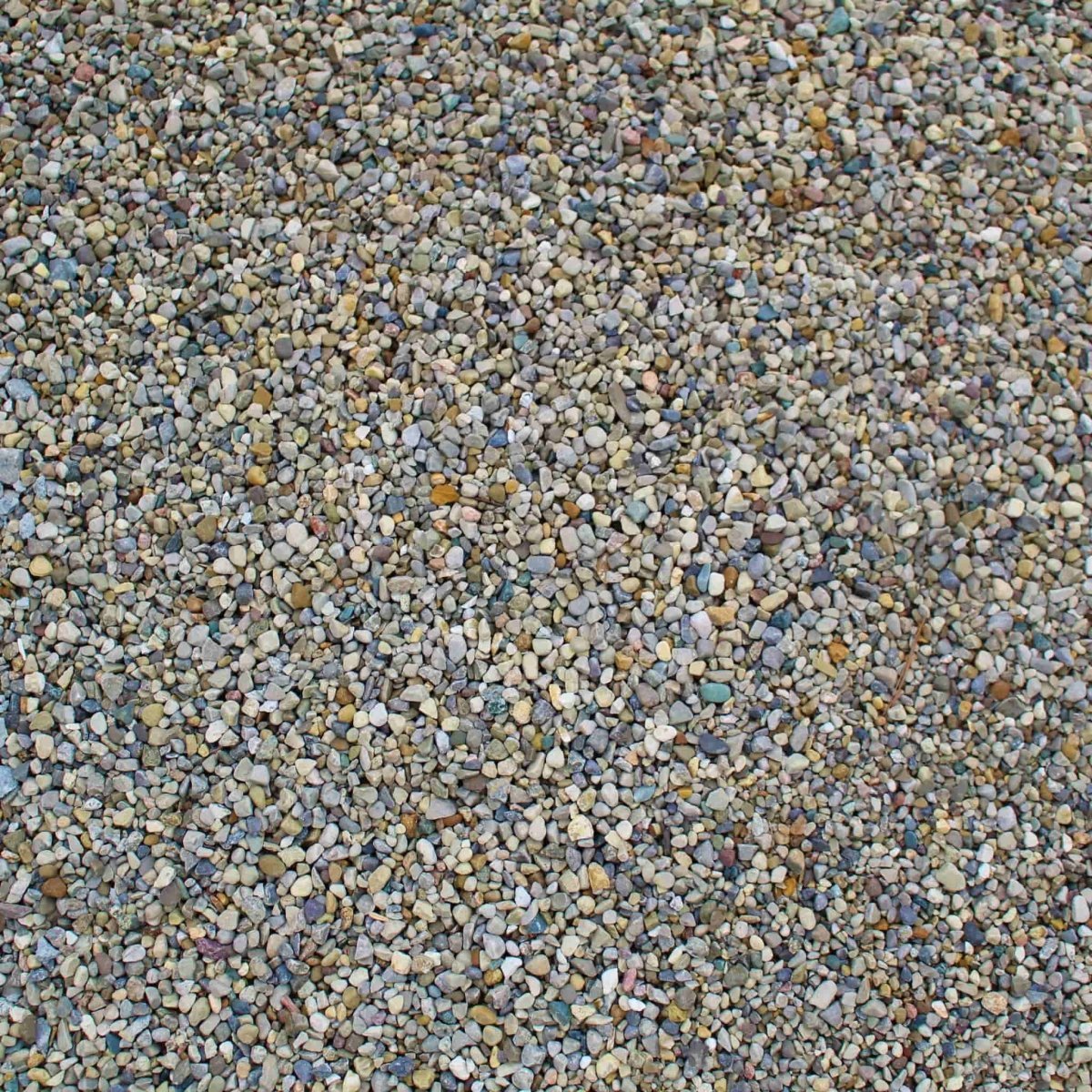
Smooth and rounded, pea gravel is a dependable choice for Santa Fe yards where heavy clay soil needs improved drainage around patios, walkways, and garden beds. Its warm earth tones suit the casual, ranch-influenced landscaping common in this part of Texas, and it stays comfortable underfoot even through long, humid summers.
Complete Your Outdoor Stone Project
Pairing decorative stone borders with quality topsoil in adjacent planting beds gives Santa Fe homeowners both the drainage control that stone provides and the nutrient-rich growing medium that plants need through a long Zone 9b season. Finishing stone pathways with a quality landscape mulch in the surrounding beds ties the overall look together and keeps the clay loam in your planting areas from washing into your stone areas during Gulf Coast rainstorms.



Service area
Areas we deliver stone and gravel in Santa Fe, Texas
Mulch Mound Pro Tip
Before installing any stone ground cover on Santa Fe's clay loam, grade the area so water drains away from structures and toward the street or a designated drainage point rather than pooling beneath the stone. Clay loam does not allow water to percolate downward quickly enough to rely on vertical drainage alone, so the horizontal grade of your stone area determines whether it stays dry or becomes a shallow pond after Gulf Coast rain events. Even a one to two percent slope away from the house is enough to keep water moving in the right direction during heavy storms.
Mulch Mound Pro Tip
Use a compacted layer of road base material under decorative stone pathways in Santa Fe rather than laying stone directly on the native clay loam. Clay loam expands when wet and contracts as it dries, a cycle that Santa Fe soil goes through repeatedly throughout the year, and this movement can shift and heave pathway stone into an uneven surface over time. A two inch base of compacted road base absorbs that movement and keeps your stone surface level and safe to walk on through multiple seasons of Gulf Coast weather.
Mulch Mound Pro Tip
Consider the color of your stone carefully when planning for Santa Fe's 54 inches of annual rainfall, because lighter stone colors like white limestone or pale gravel show algae and organic staining much more quickly in a high-moisture environment than darker options like charcoal granite or dark river rock. The combination of Gulf Coast humidity, warm temperatures, and frequent rain creates ideal conditions for algae to form a green or gray film on light-colored stone surfaces, particularly in shaded areas where the stone stays wet longest. Choosing a mid-tone or darker stone for shaded pathways and borders saves you cleaning time and keeps your landscape looking sharp through the long wet season.
The Unique Landscape of Santa Fe
Santa Fe's combination of flat terrain, clay loam soil, and 54 inches of annual rainfall creates persistent drainage challenges that decorative and functional stone can address far more effectively than plants or organic materials alone. Gravel and crushed stone drainage channels move surface water off clay loam lots before it pools against house foundations or erodes planted areas, which is a real concern during the Gulf Coast rain events that dump heavy totals in short windows. Stone pathways stay stable and navigable through Santa Fe's wet season when clay loam lawns and garden paths turn slippery and soft after heavy rain, making them a practical and attractive alternative that holds up without constant maintenance. Because the growing season here stretches nearly year-round in Zone 9b, low-maintenance stone ground covers in high-traffic or dry-shade areas eliminate the replanting and irrigation cycles that living covers demand through summer heat and humidity. Decorative stone borders and edging also contain mulch and soil during heavy downpours, keeping landscape beds tidy through the kind of intense rain events that scatter lighter organic materials across driveways and sidewalks.