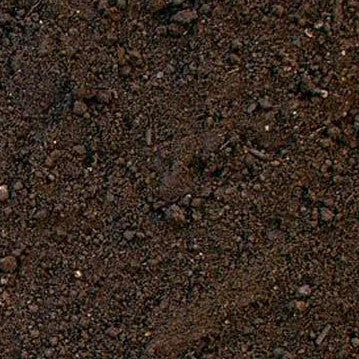
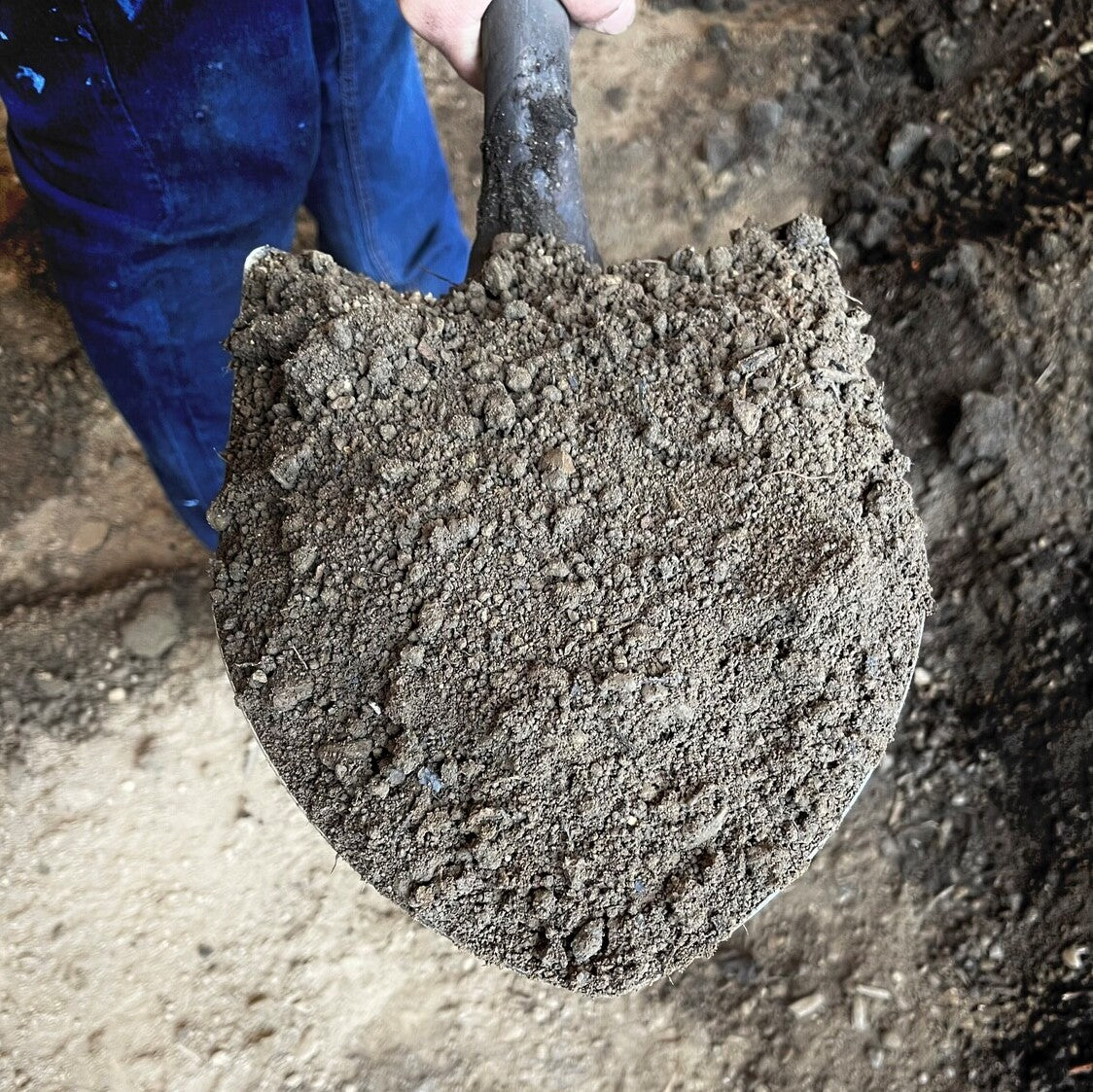
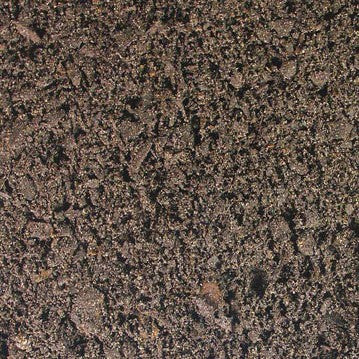
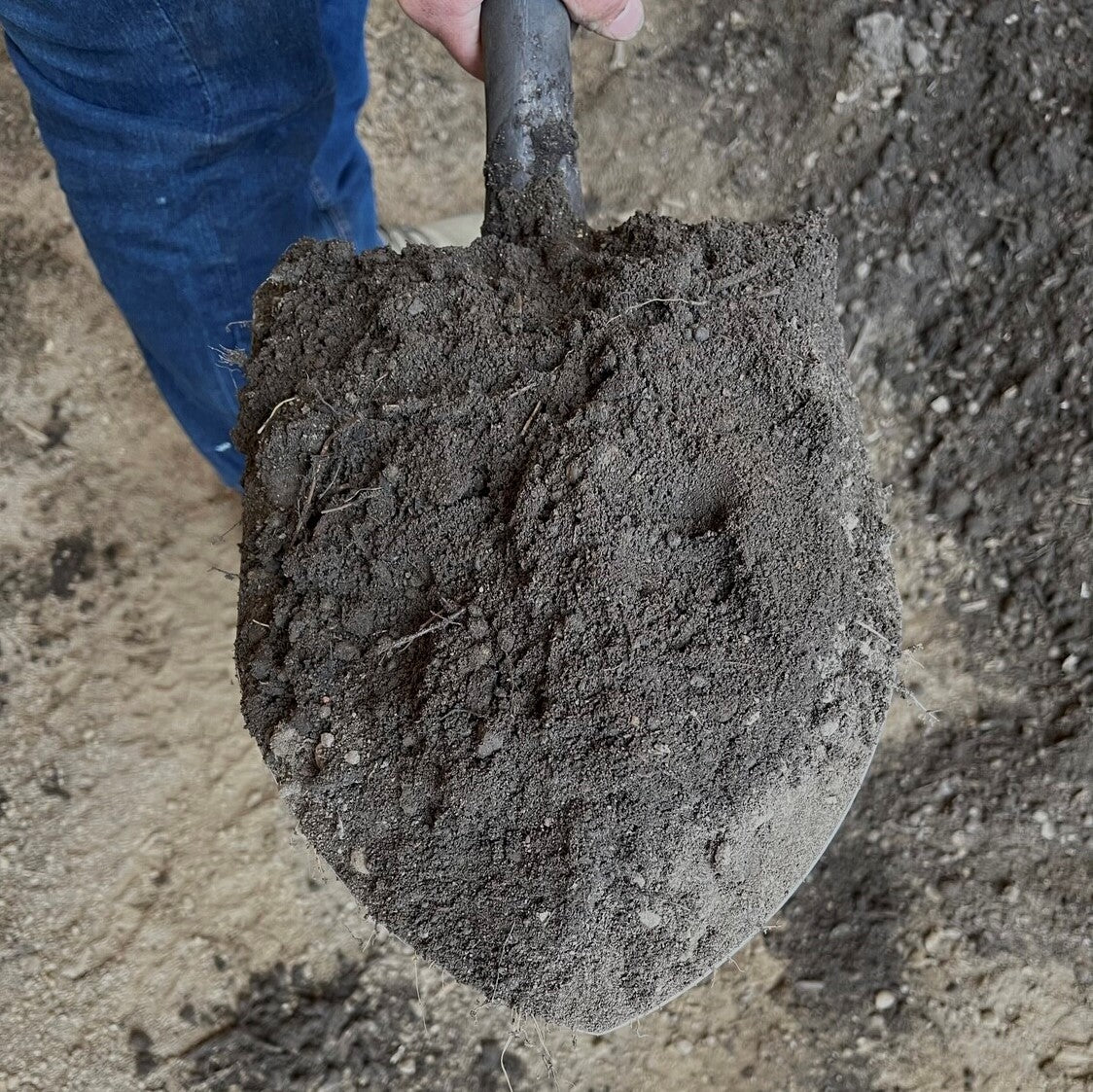
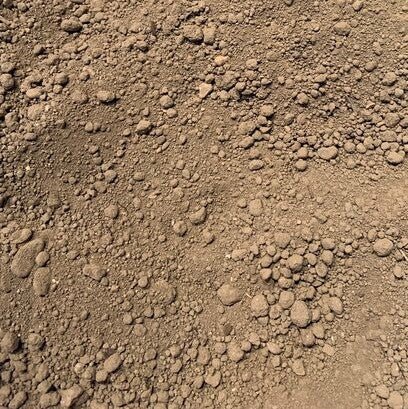
Quality topsoil for lawns, gardens, and landscape projects. Nutrient rich and ready to support strong root development and healthy plant establishment.
I got 3 yards of dirt to create a garden bed on the side of my house and to help fill my new raised garden beds. We had enough dirt to do all of this and fill some holes in the yard! Thanks 😃
Quality topsoil for lawns, gardens, and landscape projects. Nutrient rich and ready to support strong root development and healthy plant establishment.
I got 3 yards of dirt to create a garden bed on the side of my house and to help fill my new raised garden beds. We had enough dirt to do all of this and fill some holes in the yard! Thanks 😃
How Much Material Do I Need?
Garden and raised beds in Santa Fe generally need four to six inches of quality topsoil layered over loosened native clay loam to give roots a well-drained growing zone that performs through the long Zone 9b season. Lawn leveling jobs on the flat terrain common in Santa Fe typically call for one to two inches spread across settled areas, which is enough to restore grade without smothering the existing St. Augustine turf.
Use our free soil calculator
What is a yard?
A yard is approximately 27 cubic feet. As a general guideline, one yard of material can cover an area of about 10 feet by 10 feet at a few inches deep.
I got 3 yards of dirt to create a garden bed on the side of my house and to help fill my new raised garden beds. We had enough dirt to do all of th...
Read full review
I got 3 yards of dirt to create a garden bed on the side of my house and to help fill my new raised garden beds. We had enough dirt to do all of this and fill some holes in the yard! Thanks 😃
Placing an order online was so easy. Delivery was on time. When the driver realized we had a newly poured driveway they erred on the side of cautio...
Read full review
Placing an order online was so easy. Delivery was on time. When the driver realized we had a newly poured driveway they erred on the side of caution and opted not ti drive in it. The company even sent me a message explaining that call. Would recommend!
Measure the length, width, and desired depth of each area in feet, then multiply all three numbers together and divide by 27 to convert cubic feet into cubic yards. For lawn leveling projects on Santa Fe's typically flat lots, adding ten percent to your calculated total accounts for settling that happens after clay loam gets wet and compresses the new material downward. For raised beds, measure your frame dimensions carefully and calculate to the full interior depth of the box so you are not short on material when it is time to fill and plant.
Complete Your Outdoor Soil Project
Finishing new soil beds with a layer of shredded hardwood mulch protects the fresh surface from the intense Gulf Coast rain events that can compact and erode unprotected topsoil between planting sessions. Adding a decorative stone border around raised or amended beds keeps both the soil and the mulch contained through Santa Fe's heavy rainy season and gives your landscape a clean, finished look that holds up year-round.
Can I just amend my existing clay loam instead of bringing in new topsoil?
In established garden beds with decent structure, amendment can work well, but Santa Fe's native clay loam is often so dense that working compost into the top several inches does not change the deeper drainage enough to matter for plants with deeper root systems. Bringing in several inches of quality blended topsoil and layering it over the native clay gives you a root zone with far better drainage and aeration right from the start, especially in new beds or areas where the ground has been compacted by construction equipment.
Answer
How much soil do I need to level a lawn that sank after last year's heavy rains?
For minor depressions of an inch or less, a light topdressing of about a half inch of fine-textured topsoil spread over the low areas and worked gently into the existing turf is usually enough to restore the grade. Deeper settled spots, which are common in Santa Fe after sustained periods of heavy Gulf Coast rainfall saturate and shift the clay loam below the lawn, may need two to three inches of fill graded carefully before reseeding or resodding with St. Augustine grass.
Answer
What kind of soil should I use for raised vegetable beds in Santa Fe?
A blended topsoil mixed with compost is the best starting point for raised vegetable beds in Santa Fe. The native clay loam is too heavy and poorly drained to fill a raised bed on its own, and pure compost can be too rich and fast-draining by itself. A blend of quality topsoil and compost gives you the moisture retention and nutrient level that vegetables need through Santa Fe's long warm growing season, from the last frost in mid-February all the way through fall planting in October and November.
Answer
Will new topsoil wash away during Santa Fe's heavy rainstorms?
Freshly delivered topsoil that has not yet been planted or mulched can erode during the intense rain events that come with Gulf Coast weather systems dropping an inch or more in a short window. The best protection is to mulch right away after spreading and grading, or to get transplants and seeds in the ground quickly so root systems begin to anchor the material. On sloped areas, a layer of erosion control fabric or straw mulch gives the soil time to settle before the next heavy rain arrives.
Answer
Is spring or fall the better time to add soil to my Santa Fe landscape?
Both work in Zone 9b because the growing season is so long, but early spring, right after the last frost around February 15, is the most popular time for Santa Fe homeowners because it sets up beds before the main planting season begins. Fall soil work done in October or November before the December 15 frost date lets new beds settle and allows cool-season crops like greens and root vegetables to establish before winter. Avoiding soil additions during July and August is wise because the heat can dry out fresh, unmulched topsoil very quickly and make it difficult to work with.
Answer
How do I improve drainage in a yard with Santa Fe's clay loam without digging the whole thing up?
Topdressing with a gritty, well-draining topsoil blend and aerating before you spread it makes a meaningful difference on lawns that pond water after heavy rain. Over two or three seasons of consistent topdressing, the amended material works its way into the native clay loam and gradually improves infiltration rates across the surface. In areas with chronic standing water after storms, pairing a topsoil grade-up with a gravel drainage channel or dry creek bed built with landscape stone moves the water off the surface before it has a chance to puddle and kill turf.
Answer
How deep should I loosen the ground before adding topsoil to a new garden bed?
Breaking up the native clay loam to a depth of about six inches before layering new topsoil on top prevents the sharp interface between imported soil and dense native clay that can trap water and create a perched water table in your beds. In Santa Fe, where rain can arrive in heavy bursts, that trapped water layer can quickly drown roots sitting just above the clay pan. Loosening the existing soil before you add your new material allows water to move continuously downward through both layers rather than pooling at the boundary.
Mulch Mound Pro Tip
Before spreading new topsoil over Santa Fe's native clay loam, rake or till the existing surface to break up the crust that forms after repeated wet and dry cycles. If you skip this step, water from rain or irrigation hits the interface between your new soil and the dense native layer and pools there rather than draining downward, which can suffocate shallow roots and encourage fungal disease in the consistently warm and humid Gulf Coast climate.
Mulch Mound Pro Tip
When filling raised garden beds in Santa Fe, avoid using straight native clay loam as a base layer even if you have excess from digging or grading projects on your property. The same drainage problems that make clay loam frustrating in the ground are amplified inside the walls of a raised bed where water has nowhere to escape laterally. Blend any clay loam additions with coarse compost or your delivered topsoil at a ratio of no more than one part clay to three parts amended blend to keep drainage where it needs to be.
Mulch Mound Pro Tip
Plan soil delivery for a period when the ground is workable but not saturated, which in Santa Fe means watching the forecast carefully between May and October when Gulf moisture can keep the clay loam wet for days at a time. Spreading topsoil over soggy native clay compresses both layers and undoes some of the drainage benefit you are paying for. A two to three day dry window after a rain event is usually enough for Santa Fe's clay loam to firm up to a workable state without cracking hard in the summer heat.
The Unique Landscape of Santa Fe
Santa Fe's native clay loam holds nutrients reasonably well but drains slowly and becomes waterlogged in the low spots that are common on the area's flat, near-sea-level terrain after heavy Gulf Coast rain events. When homeowners want to build raised vegetable beds, level out a lawn that has settled after months of saturating rains, or establish new planting areas, bringing in quality blended topsoil gives complete control over texture and drainage that the native ground cannot provide on its own. The Zone 9b growing season stretches from mid-February all the way to mid-December, which means Santa Fe gardeners are planting, amending, and improving their soil almost continuously, making the quality of that foundation matter more than it would in a shorter-season climate. High summer humidity and consistently warm temperatures accelerate the breakdown of organic matter, so nutrient levels in unimproved clay loam can drop quickly during the most active growing months. Regular topdressing with quality soil, combined with organic mulch, is the most reliable strategy for building productive, well-draining beds in Santa Fe's demanding coastal environment.
