About this soil

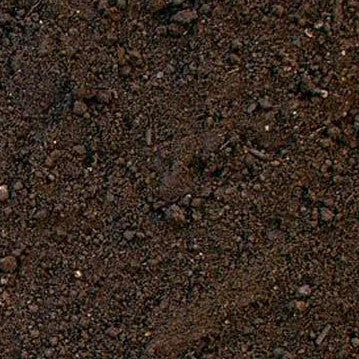
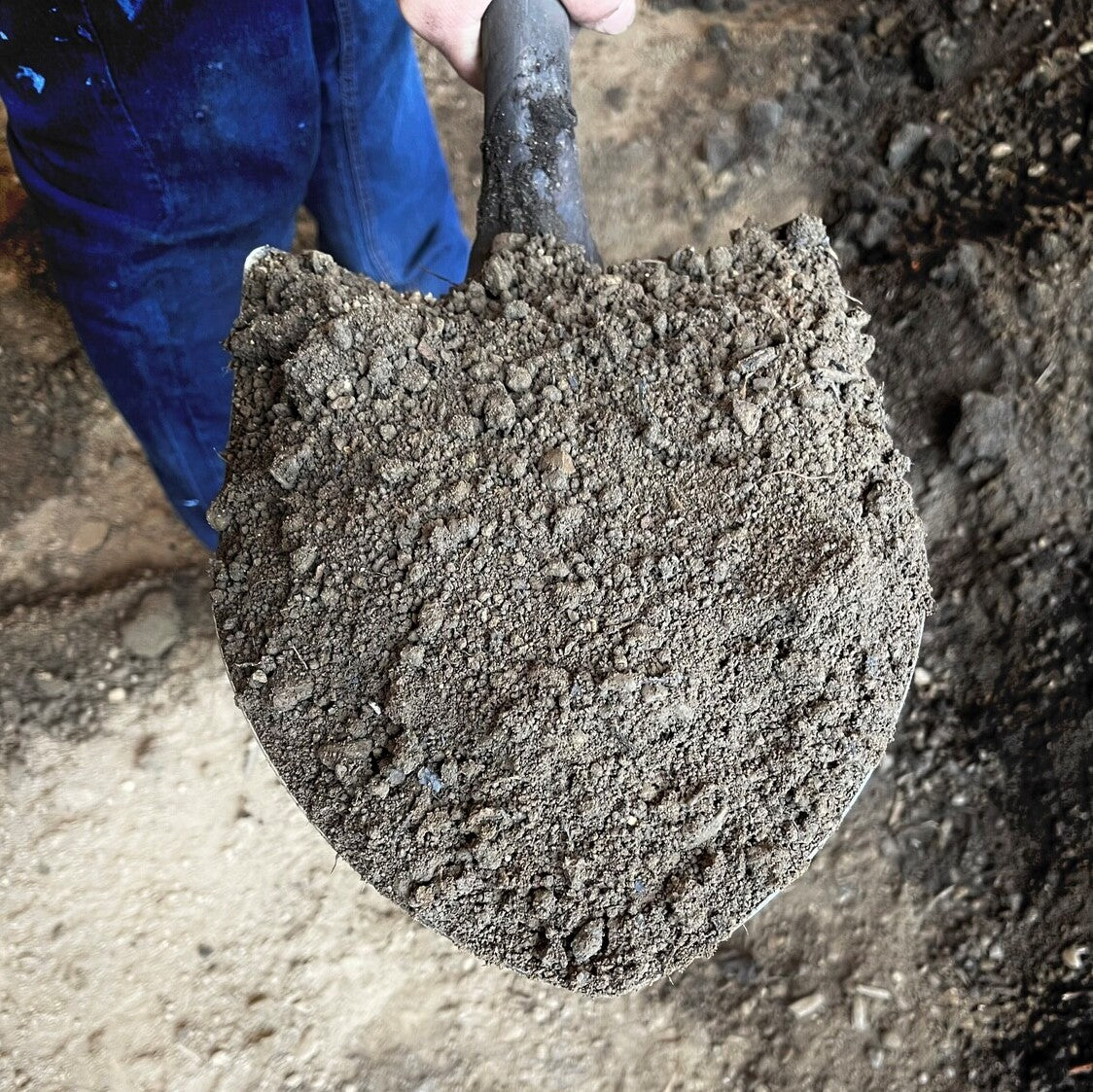
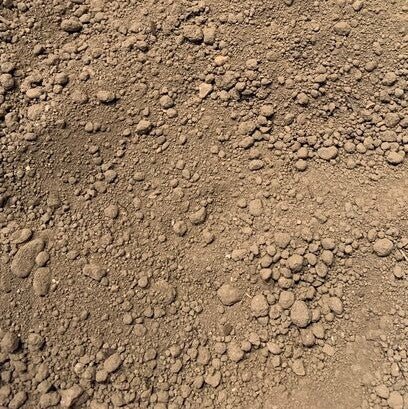
Screened topsoil with a fine, even texture. Ideal for new lawns, sod prep, and raised garden beds.

The website was intuitive and easy to navigate. The material was delivered the date and time it was scheduled, it was dropped off in the area i had specified on top of my tarp with no issues.

I ordered soil, the Gardening Blend that I received had too many plastic and m...

Use 4 to 6 inches for new lawn areas, 8 to 12 inches for raised vegetable beds, and only a half inch per pass when topdressing existing turf.
Use our free soil calculator

A yard is approximately 27 cubic feet. As a general guideline, one yard of material can cover an area of about 100-160 square feet at a 2-3 inch depth.

Sedalia Soil Delivery

Sedalia Soil Delivery

4.7
137 reviews
Regular price $64.00 per Yard
Regular price Sale price $64.00
Sale Sold out
Shipping calculated at checkout.
Type
Style
Hand-picked local yards
4,000+ regional deliveries
Dedicated support
Why order through Mulch Mound

The best local , without the guesswork.

We hand-pick and partner with the best yards in your region, keep only the ones our buyers rate well, and back each load with our guarantee.

Mulch Mound Guarantee

If your isn't the quantity or quality you ordered, we'll make it right.

About this soil

Screened topsoil with a fine, even texture. Ideal for new lawns, sod prep, and raised garden beds.

The website was intuitive and easy to navigate. The material was delivered the date and time it was scheduled, it was dropped off in the area i had specified on top of my tarp with no issues.

I ordered soil, the Gardening Blend that I received had too many plastic and m...

Use 4 to 6 inches for new lawn areas, 8 to 12 inches for raised vegetable beds, and only a half inch per pass when topdressing existing turf.
Use our free soil calculator

A yard is approximately 27 cubic feet. As a general guideline, one yard of material can cover an area of about 100-160 square feet at a 2-3 inch depth.

View full details

How It Works

Getting started is easy — just follow these simple steps

1

Choose your soil

Make sure you adjust the quantity to your home's needs. You can use our calculator to estimate how much you'll need.

2

Select your delivery date

Select a delivery date you'd like for the product to be dropped off at your home

3

Sit back and wait

Sit back, wait, and let us work our magic to make sure the highest quality product is delivered to your driveway.

What Sedalia Customers Like About Our Soil

4.7
out of 5 based on 137 reviews
Google Reviews

Need Help Calculating How Much Soil You Need?

Use our NEW Trace from Satellite tool to get an estimate for your project based on an aerial view of your property

Try Our Calculator
📍

Measure length and width in feet, then decide your depth in inches before calculating. Divide the cubic feet by 27 to get cubic yards, or use our calculator to skip the math. Order about 10 percent extra, because soil settles noticeably once Sedalia's rain compacts it.

Complete Your Outdoor Soil Project

Add compost to boost organic matter in Sedalia's silt loam, plus mulch to protect the fresh surface from crusting during the first heavy rain after installation.

Map of the soil delivery area around Sedalia, Missouri

Service area

Areas we deliver soil in Sedalia, Missouri

Frequently Asked Questions

Click a question to see the answer

Answer

Why is my Sedalia yard so hard even though the soil is called silt loam?

Silt loam compacts easily, and most Sedalia lots were graded with heavy equipment during construction. The particles pack into a dense layer that resists roots and water. Adding 2 to 4 inches of compost rich topsoil and core aerating in the fall breaks that cycle over a couple of seasons.

Answer

How much topsoil do I need to level low spots in my lawn?

For minor dips, apply no more than half an inch of screened soil at a time so you do not smother existing grass. A 1000 square foot area at half an inch takes about 1.5 cubic yards. Deeper holes should be filled in stages across a season.

Answer

When should I add soil to garden beds in Sedalia?

Early April, once the ground has dried enough to crumble rather than smear, is the sweet spot. Working wet silt loam destroys its structure and creates concrete like clods that last all summer. Fall after the October 17 frost is a good second window for building beds ahead of spring.

Answer

What is the difference between topsoil and garden mix for my raised beds?

Screened topsoil is native mineral soil cleaned of rocks and debris, best for filling and grading. Garden mix blends topsoil with compost and works far better for Sedalia raised beds, since pure local silt loam packs down tight inside a box and drains poorly after our heavy May rains.

Answer

Will new topsoil help my drainage problem?

It helps only if you also fix the grade. Piling soil over a compacted low spot in Sedalia usually just creates a slightly higher puddle. Regrade so water moves away from the foundation at about a quarter inch per foot, then add compost blended soil to improve infiltration.

Answer

How deep should soil be for a new lawn in Sedalia?

Aim for 4 to 6 inches of quality soil for tall fescue, which is the workhorse turf around Sedalia. That depth lets roots go deep enough to survive our late summer dry spells without daily watering. Anything less and the lawn browns out by early August.

Answer

Do I need to test my soil before adding anything?

It is worth doing. Pettis County soils often run slightly acidic to neutral, and the University of Missouri Extension office will run an inexpensive test. Knowing your pH and phosphorus levels before you buy amendments saves money and prevents overapplying lime to soil that does not need it.

Mulch Mound Pro Tip

Never work Sedalia soil when it is wet. Squeeze a handful into a ball and poke it. If it holds together like putty, walk away and wait two or three dry days. Tilling or grading saturated silt loam destroys the crumb structure and leaves you with rock hard clods that take a full season and a freeze thaw cycle to break down again.

Mulch Mound Pro Tip

Blend, do not layer. Dumping 4 inches of new topsoil directly on compacted Sedalia subsoil creates an interface that roots refuse to cross and water perches on. Till or fork the bottom 2 inches of new soil into the existing ground so there is a gradual transition. This single step is the difference between a bed that drains and one that stays soggy after every May storm.

Mulch Mound Pro Tip

Add compost every year, not just at installation. Sedalia's warm humid summers burn through organic matter fast, and silt loam that was rich in spring can be depleted by the following March. A half inch topdressing of compost each fall, applied after the October frost, feeds soil biology through winter and keeps the ground workable when you start planting in April.

The Unique Landscape of Sedalia

Native Sedalia soil is silt loam, which sounds ideal on paper but arrives in most yards heavily compacted by construction equipment and stripped of topsoil. Builders across Pettis County routinely scrape the good layer, leaving homeowners with dense subsoil that puddles after our frequent 2 inch rain events. Adding screened topsoil or a compost blend restores the organic matter that Sedalia's wet spring and hot summer cycle burns through quickly. Good soil depth also matters for surviving the swing from the April 14 last frost to the October 17 first frost, since shallow rooted plants in thin soil cook first in August. At 899 feet elevation with 42 inches of rain, drainage is the deciding factor between a bed that thrives and one that rots.