



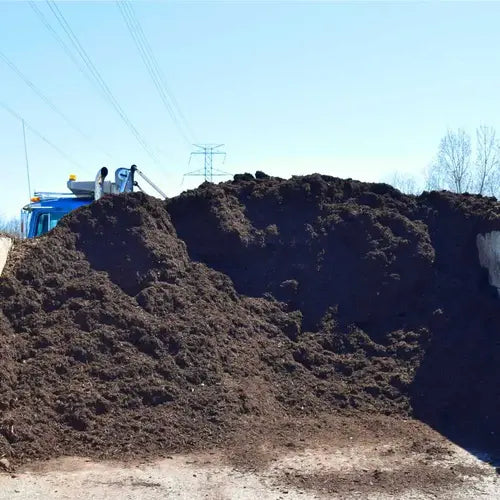
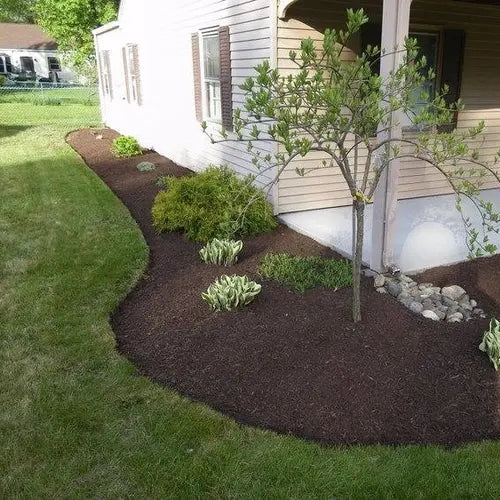


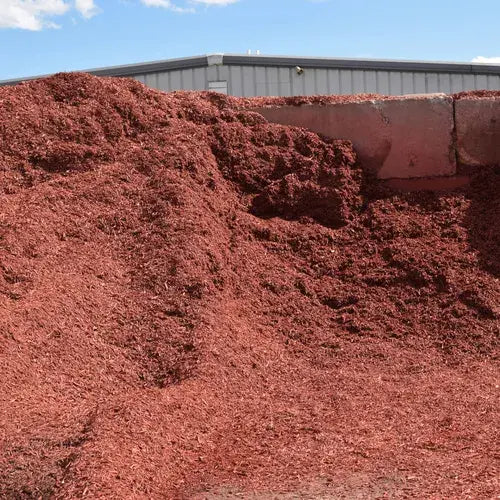

Our delivery was delayed but the new brown color mulch is a nice upgrade to our landscaping.
About this mulch
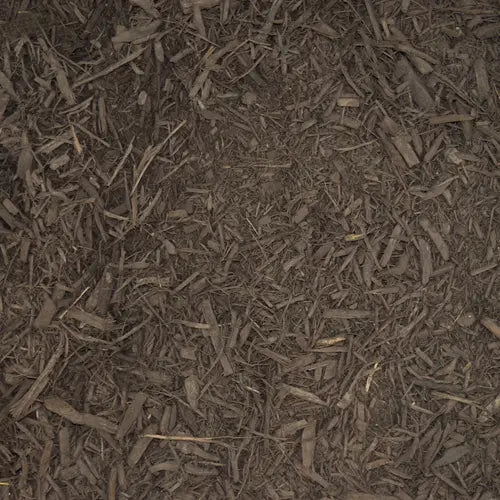
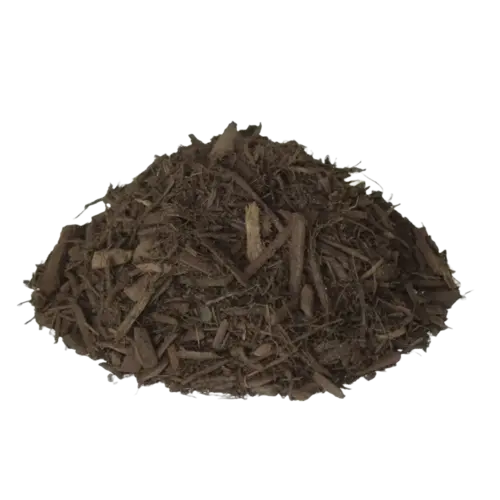
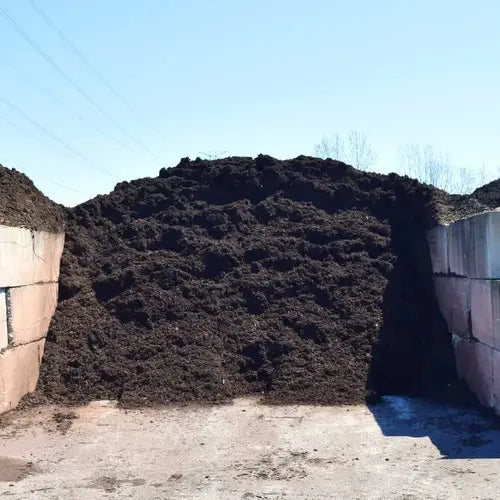
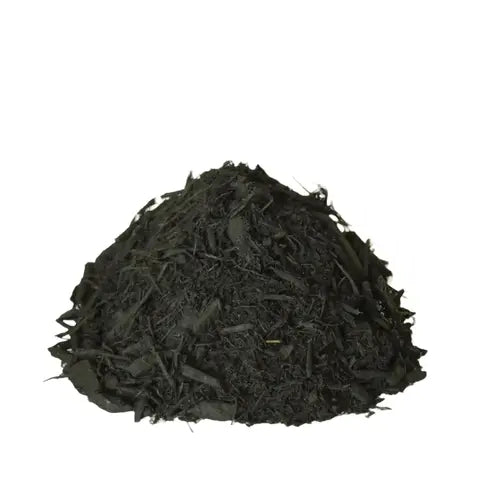
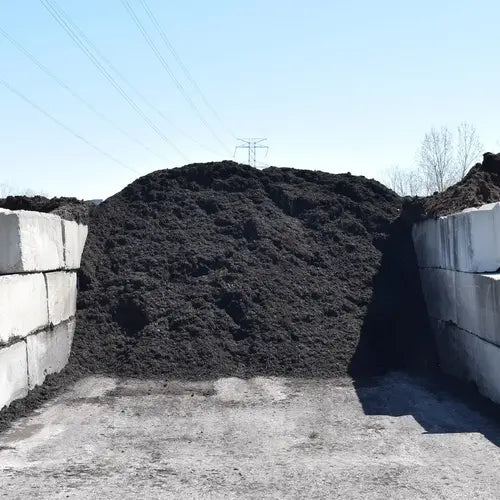
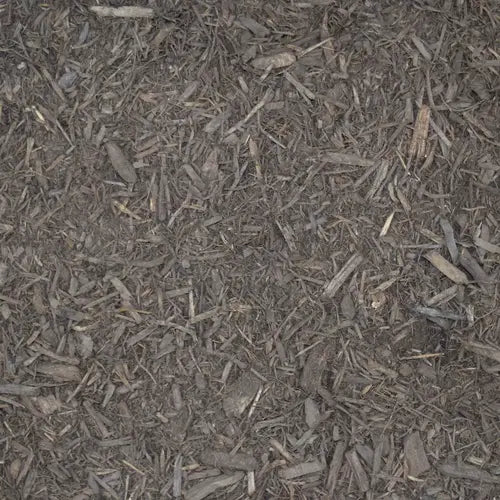
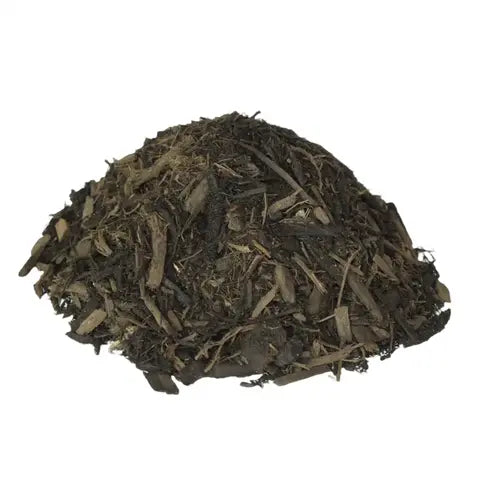
Warm brown double shredded mulch with lasting color that looks freshly applied for weeks. Spreads smooth, stays put, and gives beds a natural, polished appearance.
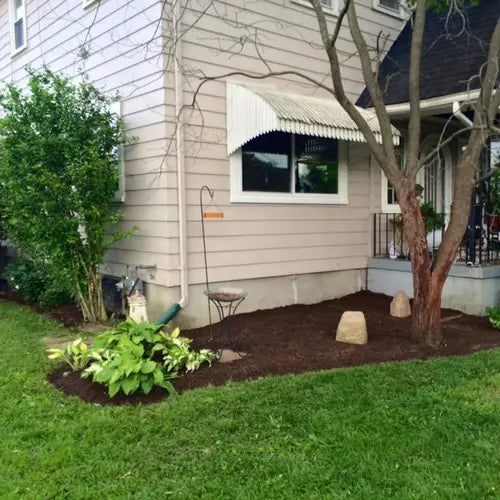
Our delivery was delayed but the new brown color mulch is a nice upgrade to our landscaping.
Tell us what you're looking for
Thanks! We received your request.
Something went wrong. Please try again.
How Much Material Do I Need?
How Much Material Do I Need?
For most Sheboygan beds over clay loam soil, two to three inches of mulch provides effective weed suppression and moisture retention without overloading surface drainage. Avoid going above three inches in low-lying or shaded areas where Sheboygan's spring rains can already create soggy conditions that stress plant roots.
Use our free mulch calculator
What is a yard?
What is a yard?
FAQs
FAQs
Sheboygan Mulch Delivery
Sheboygan Mulch Delivery
Regular price
$75.00
per
yard
Regular price
Sale price
$75.00
Unit price
per
Shipping calculated at checkout.
Minimum of 3 yard
Couldn't load pickup availability
Not currently available
We can't take orders for this right now. Tell us what you need and we'll get back to you.
Hand-picked local yards
4,000+ regional deliveries
Dedicated support
Why order through Mulch Mound
The best local mulch, without the guesswork.
We hand-pick and partner with the best yards in your region, keep only the ones our buyers rate well, and back each load with our guarantee.
Mulch Mound Guarantee
If your mulch isn't the quantity or quality you ordered, we'll make it right.
About this mulch
Warm brown double shredded mulch with lasting color that looks freshly applied for weeks. Spreads smooth, stays put, and gives beds a natural, polished appearance.
Our delivery was delayed but the new brown color mulch is a nice upgrade to our landscaping.
How Much Material Do I Need?
How Much Material Do I Need?
For most Sheboygan beds over clay loam soil, two to three inches of mulch provides effective weed suppression and moisture retention without overloading surface drainage. Avoid going above three inches in low-lying or shaded areas where Sheboygan's spring rains can already create soggy conditions that stress plant roots.
Use our free mulch calculator
What is a yard?
What is a yard?
FAQs
FAQs
Tell us what you're looking for
Thanks! We received your request.
Something went wrong. Please try again.
How It Works
Getting started is easy — just follow these simple steps
1
Choose your Mulch
Make sure you adjust the quantity to your home's needs. You can use our calculator to estimate how much you'll need.
2
Select your delivery date
Select a delivery date you'd like for the product to be dropped off at your home
3
Sit back and wait
Sit back, wait, and let us work our magic to make sure the highest quality product is delivered to your driveway.

Mulch Mound made it so easy! So happy with the pricing, turn around time, delivery and product. I submitted my online order on a Thursday. The mu...
Read full review
Mulch Mound made it so easy! So happy with the pricing, turn around time, delivery and product. I submitted my online order on a Thursday. The mulch was delivered to the designated location by a local landscape company at 8:30 a.m. the following Saturday morning. We had the job completed by that afternoon. We chose the natural brown mulch, and the plant beds are beautiful.

Good quality, great price, fast delivery. All online - no submitting forms and waiting for days for quotes.
Getting mulch should be this easy fr...
Read full review
Good quality, great price, fast delivery. All online - no submitting forms and waiting for days for quotes.
Getting mulch should be this easy from everyone. Only Mulch Mound is ACTUALLY this simple.
Calculate mulch for your Sheboygan project
For Sheboygan's Clay Loam type of soil, we recommend 2-3 inches for best weed suppression and moisture retention
Try Our CalculatorMeasure the length and width of each bed in feet and multiply to get square footage, then use our calculator to estimate how many cubic yards you need for a two to three inch depth. Sheboygan's clay loam soil means you rarely need to go deeper than three inches since the ground already holds moisture well on its own. Adding a small buffer of five to ten percent to your estimate accounts for settling and uneven spots across your beds.

Best Mulch Choice for Sheboygan Lawns
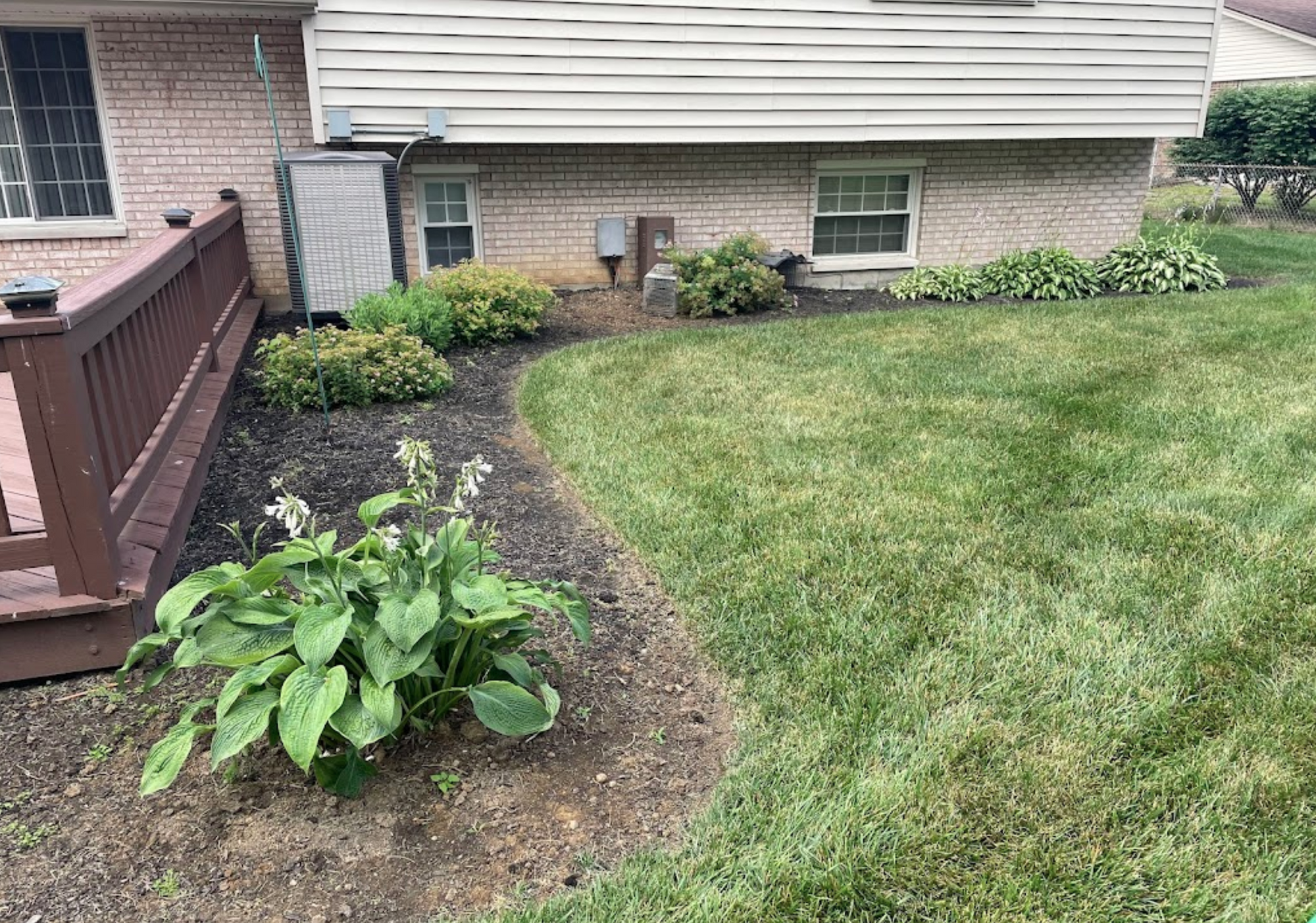
Most yards in the Sheboygan area sit on Clay Loam type of soil. Sheboygan's clay loam soil compacts easily under foot traffic and heavy seasonal rains, which can leave plant roots starved for oxygen and drainage around crowded bed edges. A fresh layer of mulch creates a protective barrier that reduces surface compaction and helps plant roots stay loose and well-aerated through the growing season.
Hardwood Mulch
Hardwood mulch is particularly well-suited to Sheboygan's clay loam beds because as it decomposes it adds humus that loosens clay particles and creates a more open soil structure underneath. Over two to three seasons of consistent hardwood mulching, amended clay loam becomes noticeably easier to dig and significantly better at draining excess water after the heavy rain events that Sheboygan sees regularly in spring and early summer.
Mulch Types We Deliver in Sheboygan
Mulch Mound delivers bulk mulch by the cubic yard, making it easy to skip the bags and get the volume you need for any size project. If you have been searching for bulk mulch delivery in Sheboygan, we drop it right at your driveway and carry a range of colors and textures suited to the lawns and landscapes common across this part of Wisconsin.
Dyed Black Mulch
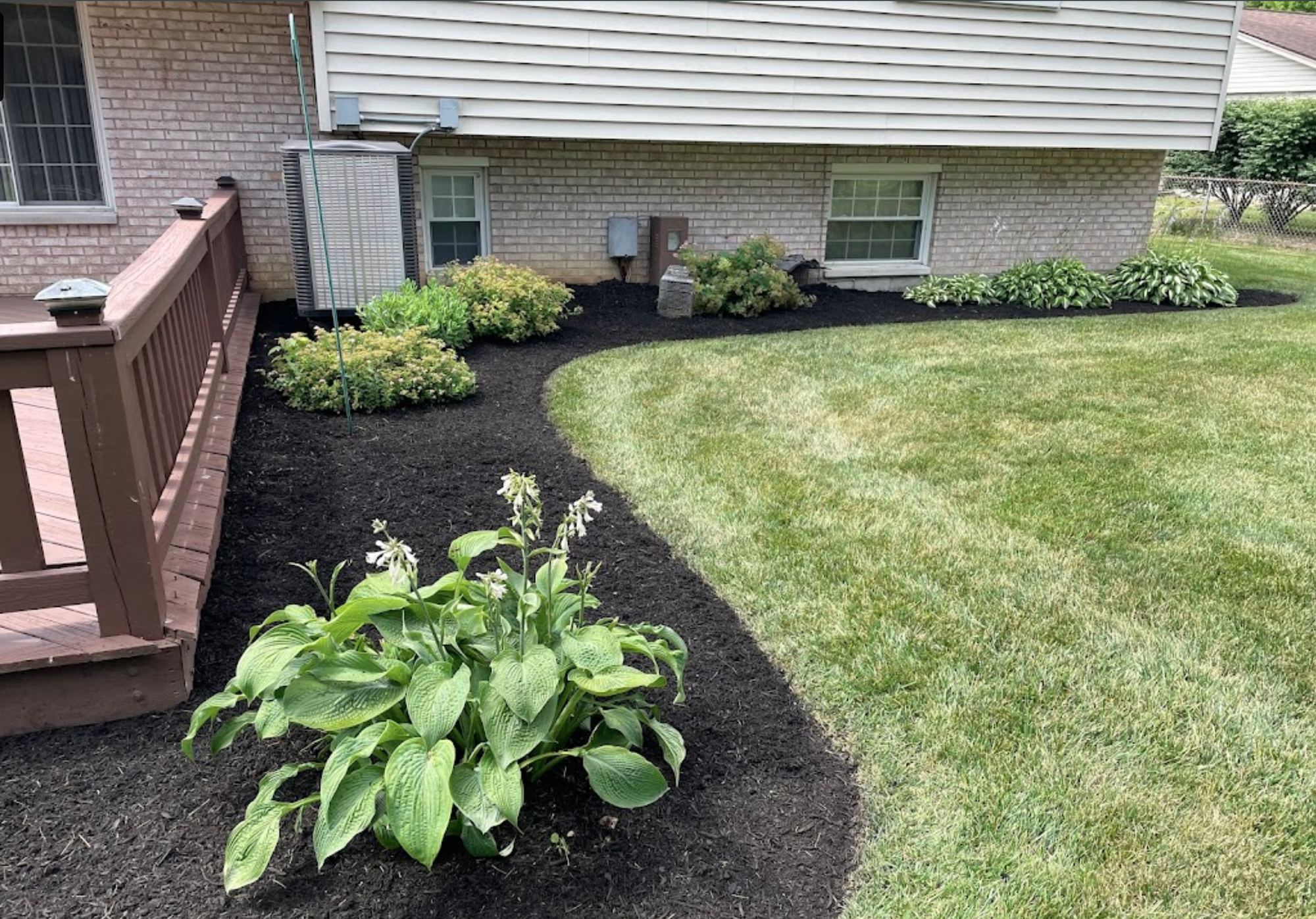
Bold double shredded black mulch makes landscape beds stand out against green lawns and light-colored exteriors. The rich color holds well through Wisconsin's wet springs and warm summers, and the fine texture spreads smoothly and evenly over large planting areas.
Dyed Brown Mulch
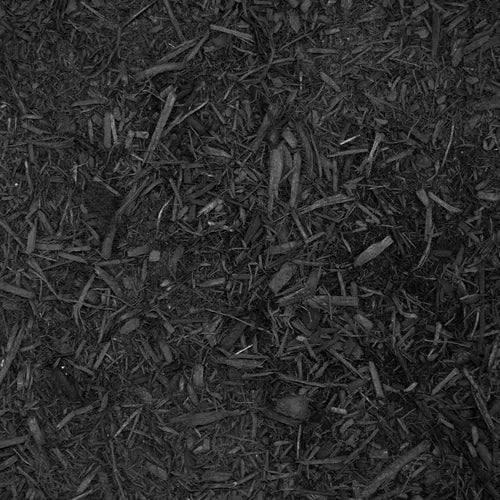
Warm double shredded brown mulch gives beds a freshly maintained look that lasts well into the growing season. The color pairs naturally with the brick and stone exteriors common to older homes in this part of Wisconsin, and stays put after heavy rain.
Natural Brown Mulch
Double shredded natural brown mulch delivers a warm, earthy tone straight from the wood with no added dye. It blends well with the mature trees and wooded backyards common to this part of Wisconsin, and breaks down over time to enrich the soil.
Cedar Mulch
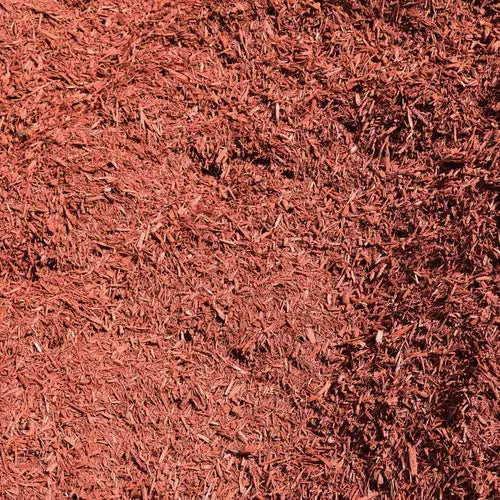
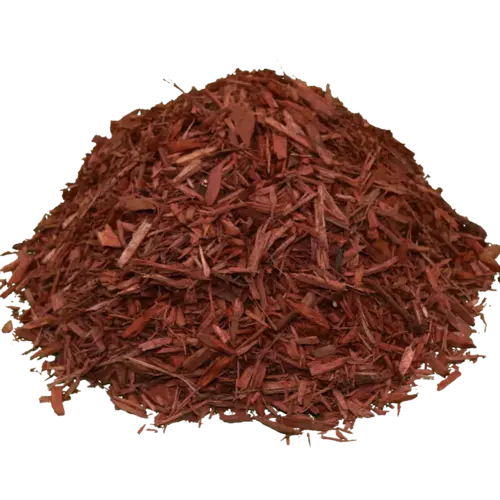
Double shredded cedar mulch brings a light natural color to beds and borders while offering built-in insect-repelling properties appreciated in a region with humid summers. Cedar breaks down slowly, so it lasts longer in the bed than standard wood mulch.
Complete Your Outdoor Mulch Project
Pair your mulch order with a quality garden soil to build up low beds or blend into your clay loam before planting, and consider adding decorative stone borders to define bed edges and reduce long-term maintenance. Sheboygan yards with heavy clay often perform best with a layered approach that combines all three materials into one cohesive landscape plan.

Service area
Areas we deliver mulch in Sheboygan, Wisconsin
Mulch Mound Pro Tip
Sheboygan's clay loam soil tends to form a hard surface crust late in summer after dry stretches between rain events. Before spreading fresh mulch, loosen the top inch of existing soil with a hand rake so the decomposing mulch can make direct contact with the ground below and begin improving its structure. This simple step makes a noticeable difference in how quickly clay soil opens up over multiple seasons of consistent mulching.
Mulch Mound Pro Tip
With a growing season that runs from roughly May 6 to October 20 in Sheboygan, you have about 167 frost-free days to work with. Apply mulch in two phases if your budget allows: a light layer in early May to help the soil warm faster and a thicker top-off in late June to protect beds through the heat of summer. This phased approach keeps beds looking fresh while maximizing weed suppression during peak growing weeks when pressure is highest.
Mulch Mound Pro Tip
Sheboygan receives around 33 inches of rain per year, which is enough to keep mulch moist and actively decomposing through much of the growing season. Take advantage of this by choosing a natural hardwood mulch that will break down into your clay loam soil, adding organic matter and slowly improving drainage over several seasons. Avoid piling mulch in volcano shapes around tree trunks, as trapped moisture in a reliably wet climate like Sheboygan's can rot bark far more quickly than homeowners expect.
The Unique Landscape of Sheboygan
Sheboygan's clay loam soil holds moisture well but can become compacted over the growing season, making it tough for plant roots to breathe and for water to drain evenly through bed areas. A proper layer of mulch acts as a buffer, moderating soil temperature swings that are common between Lake Michigan's cooling influence and the inland chill of Zone 5b winters. With a last frost date around May 6 and a first frost arriving as early as October 20, Sheboygan gardeners have a relatively short window to establish beds before cold sets in. Mulch helps extend that window by keeping soil warmer in spring and delaying hard freezing in fall. The city's 33 inches of annual rainfall can also cause surface runoff on clay-heavy ground, and mulch slows that water down so it soaks in rather than washing away nutrients and topsoil.