





Ordered Dirt. Received Dirt. Would Buy Again.
About this soil
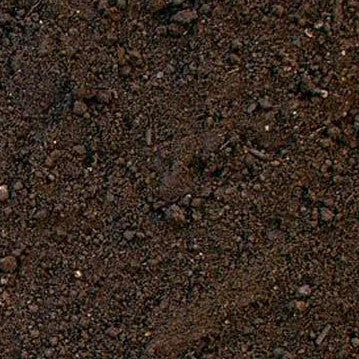
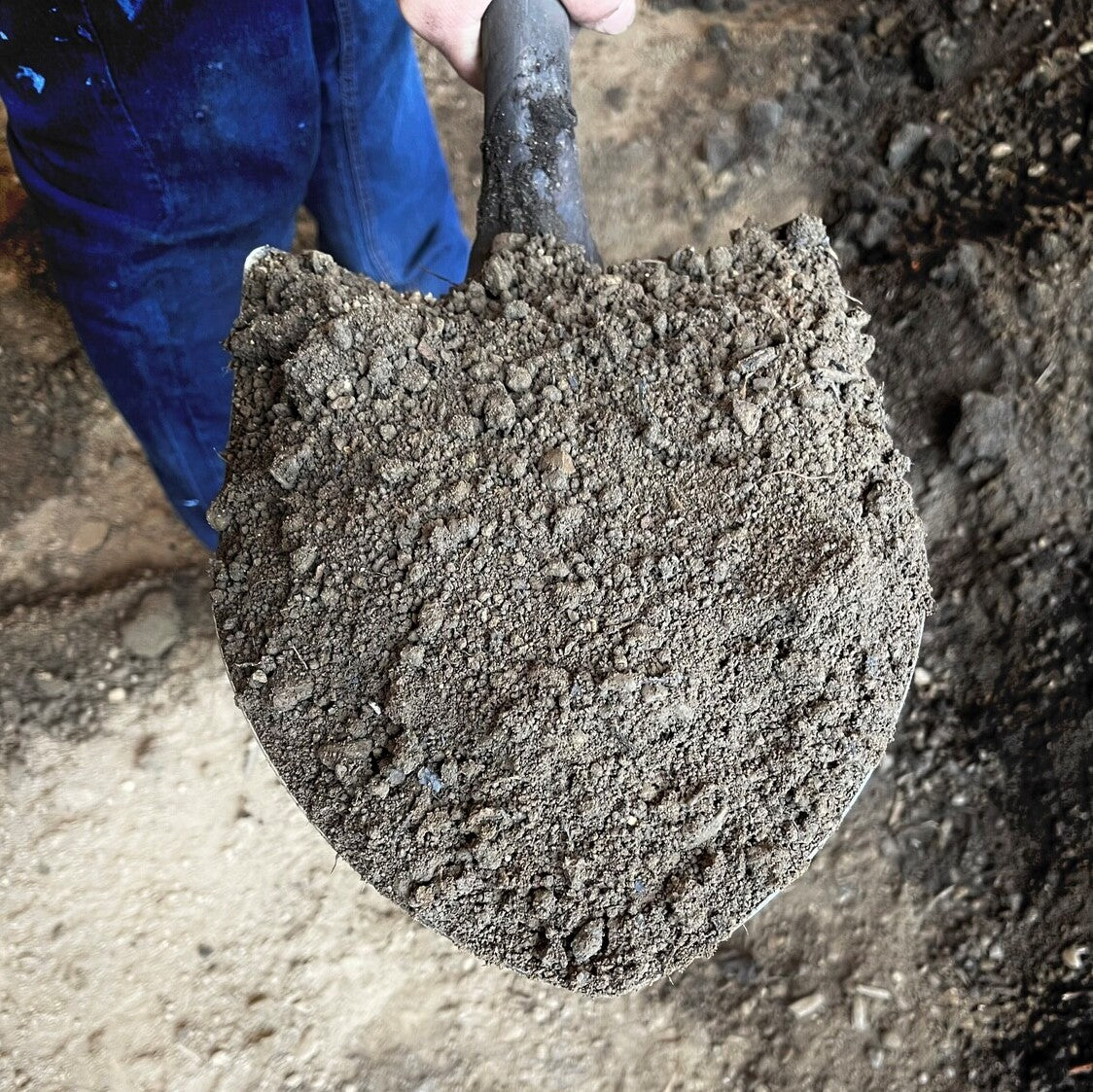
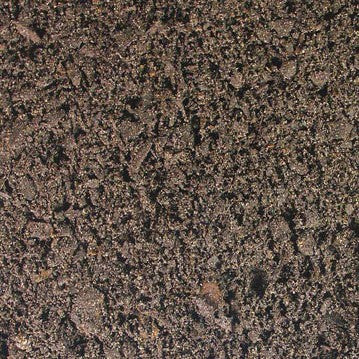
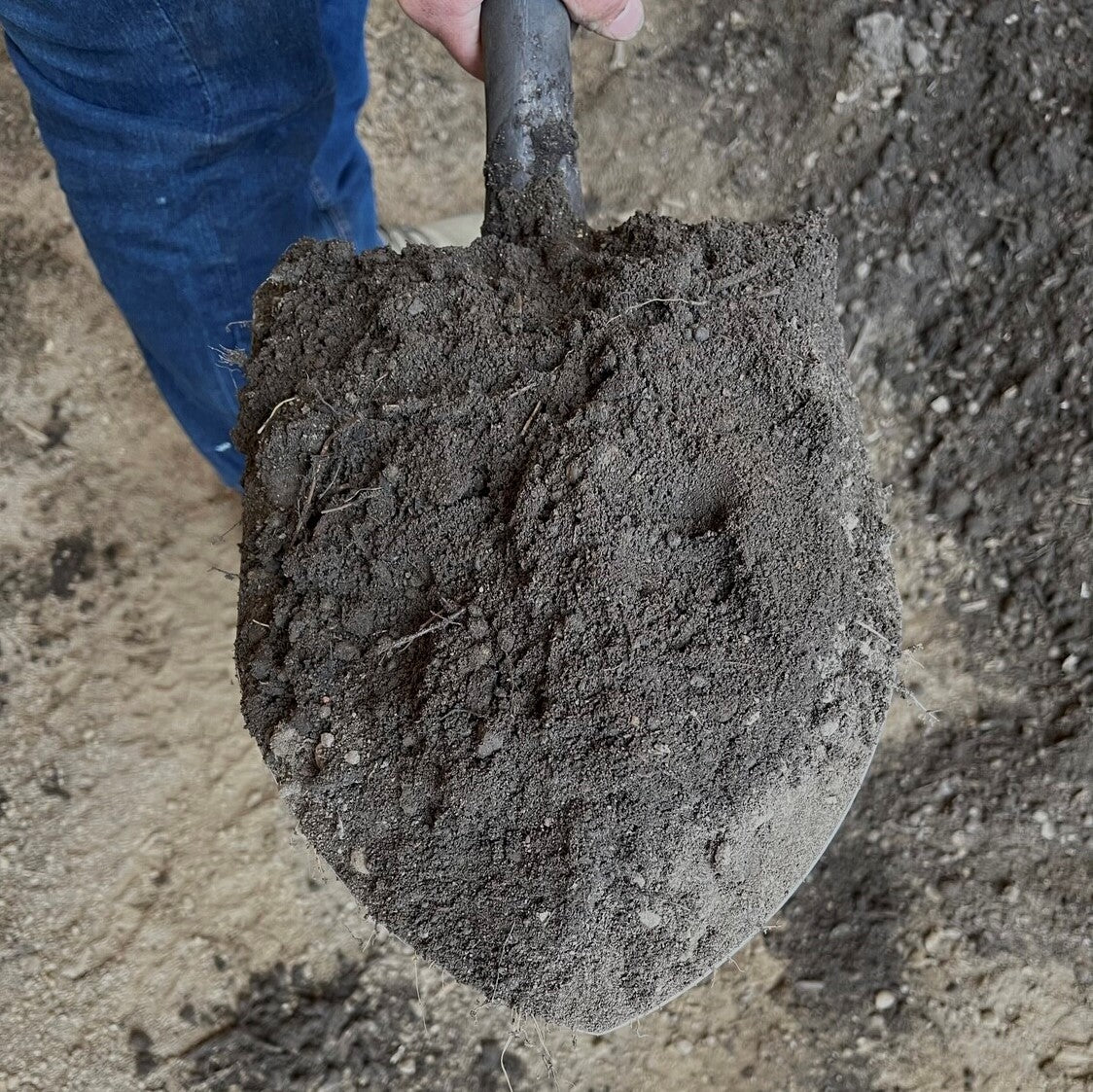
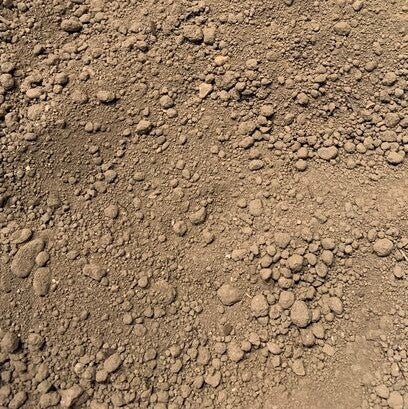
Quality topsoil for lawns, gardens, and landscape projects. Nutrient rich and ready to support strong root development and healthy plant establishment.
Ordered Dirt. Received Dirt. Would Buy Again.
Tell us what you're looking for
Thanks! We received your request.
Something went wrong. Please try again.
How Much Material Do I Need?
How Much Material Do I Need?
For new garden beds built over Sheboygan's clay loam, adding six to eight inches of quality topsoil creates a workable growing layer without losing the moisture-holding benefits of the native ground below. Raised beds should be filled to at least ten to twelve inches of imported soil to give vegetable and perennial roots full access to loose, well-draining growing medium through the entire growing season.
Use our free soil calculator
What is a yard?
What is a yard?
What is a yards?
What is a yards?
FAQs
FAQs
Sheboygan Soil Delivery
Sheboygan Soil Delivery
Regular price
$79.00
per
yard
Regular price
Sale price
$79.00
Unit price
per
Shipping calculated at checkout.
Minimum of 3 yard
Couldn't load pickup availability
Not currently available
We can't take orders for this right now. Tell us what you need and we'll get back to you.
Hand-picked local yards
4,000+ regional deliveries
Dedicated support
Why order through Mulch Mound
The best local soil, without the guesswork.
We hand-pick and partner with the best yards in your region, keep only the ones our buyers rate well, and back each load with our guarantee.
Mulch Mound Guarantee
If your soil isn't the quantity or quality you ordered, we'll make it right.
About this soil
Quality topsoil for lawns, gardens, and landscape projects. Nutrient rich and ready to support strong root development and healthy plant establishment.
Ordered Dirt. Received Dirt. Would Buy Again.
How Much Material Do I Need?
How Much Material Do I Need?
For new garden beds built over Sheboygan's clay loam, adding six to eight inches of quality topsoil creates a workable growing layer without losing the moisture-holding benefits of the native ground below. Raised beds should be filled to at least ten to twelve inches of imported soil to give vegetable and perennial roots full access to loose, well-draining growing medium through the entire growing season.
Use our free soil calculator
What is a yard?
What is a yard?
What is a yards?
What is a yards?
FAQs
FAQs
Tell us what you're looking for
Thanks! We received your request.
Something went wrong. Please try again.
How It Works
Getting started is easy — just follow these simple steps
1
Choose your soil
Make sure you adjust the quantity to your home's needs. You can use our calculator to estimate how much you'll need.
2
Select your delivery date
Select a delivery date you'd like for the product to be dropped off at your home
3
Sit back and wait
Sit back, wait, and let us work our magic to make sure the highest quality product is delivered to your driveway.


Placing an order online was so easy. Delivery was on time. When the driver realized we had a newly poured driveway they erred on the side of cautio...
Read full review
Placing an order online was so easy. Delivery was on time. When the driver realized we had a newly poured driveway they erred on the side of caution and opted not ti drive in it. The company even sent me a message explaining that call. Would recommend!
Need Help Calculating How Much Soil You Need?
Use our NEW Trace from Satellite tool to get an estimate for your project based on an aerial view of your property
Try Our CalculatorMeasure your project area in feet, multiply length by width, and then multiply by your desired depth in feet to get cubic feet, then divide by 27 to convert to cubic yards. For Sheboygan lawn leveling projects, a half-inch topdress over clay loam requires far less material than a new raised bed, so measure carefully and use our calculator to avoid over or under-ordering. Order ten percent extra to account for the compaction and settling that is normal with clay-based native soils through the first season.
Soil Types We Deliver in Sheboygan
Mulch Mound delivers bulk topsoil by the yard in Sheboygan, making it easy to get quality soil for any lawn, garden, or landscape project. Whether you are grading a yard, filling raised beds, or establishing new plantings, ordering by the cubic yard ensures you get exactly what your project needs. Our soils arrive fresh and ready to use, taking the hassle out of large landscape jobs.
Screened Top Soil
Screened topsoil is the go-to choice for lawn repairs, grading, and general landscape work in the area. The screened variety removes debris and clumps, leaving a clean, workable soil that blends easily with the region's native clay base and supports strong root development right from the start.
Gardening Blend
The Premium Gardening Blend combines topsoil and compost into a ready-to-plant mix that performs well in Sheboygan's shorter growing season. It suits raised beds and new garden starts especially well, offering the nutrient-rich, well-structured soil that plants need to establish quickly in Wisconsin's cooler spring conditions.
Planting Mix
The Standard Planting Mix is carefully blended with peat, sphagnum, sand, and organic manure, creating an ideal balance of drainage and moisture retention. It is a strong choice for raised beds, container gardens, and vibrant plantings where consistent hydration and healthy root growth matter through the full growing season.
Complete Your Outdoor Soil Project
After grading and filling with soil, top your new beds with a layer of hardwood mulch to protect the surface through Sheboygan's wet springs and hot summers, and define bed edges with decorative stone to keep mulch and soil from washing into lawn areas during heavy rain. Working with all three materials together gives Sheboygan landscapes a finished, low-maintenance result that holds up through the full Zone 5b growing cycle.


Service area
Areas we deliver soil in Sheboygan, Wisconsin
Mulch Mound Pro Tip
Sheboygan's clay loam soil can become nearly impossible to work when wet and brick-hard when it dries out during mid-summer dry stretches. Before placing new topsoil, score or rototill the native clay layer to at least six inches deep so the imported soil bonds with what is below rather than sitting as a disconnected layer. Skipping this step often creates a drainage barrier right at the depth where roots need to travel most freely.
Mulch Mound Pro Tip
If you are establishing a new lawn in Sheboygan, spread your bulk topsoil between late April and mid-May to take full advantage of the growing season that runs through October 20. Seeding cool-season grasses like Kentucky bluegrass or fine fescue immediately after soil prep gives roots five to six months to establish before the first frost arrives. Waiting until fall is also viable in Sheboygan, but spring seeding after May 6 generally produces denser, more established turf by the following season.
Mulch Mound Pro Tip
Sheboygan's 33 inches of annual rainfall means drainage planning is essential for any soil project, especially on properties where native clay loam slopes toward a foundation or collects in a low-lying corner. When grading with bulk soil, create a gentle slope of at least one inch per foot away from structures to direct water toward the yard rather than pooling near your home. Pairing this graded soil layer with a surface mulch treatment slows water movement even further and protects the new grade from eroding during heavy spring rains.
The Unique Landscape of Sheboygan
Sheboygan's native clay loam soil is dense and challenging for homeowners trying to establish new beds, level lawns, or build raised growing areas from scratch. Clay loam retains water and nutrients well but drains slowly, which can cause root rot for plants that prefer conditions with more air movement around their roots. Importing quality topsoil or blended garden mix lets Sheboygan homeowners create ideal growing conditions on top of or blended with the existing native ground. At 635 feet of elevation and in Zone 5b, Sheboygan gardens need soil that drains well enough to avoid frost heave damage each spring while still holding nutrients through the relatively short 167-day growing season. Whether you are grading a lawn, filling raised beds, or prepping a new garden area, starting with good bulk soil makes every subsequent step easier and more effective.