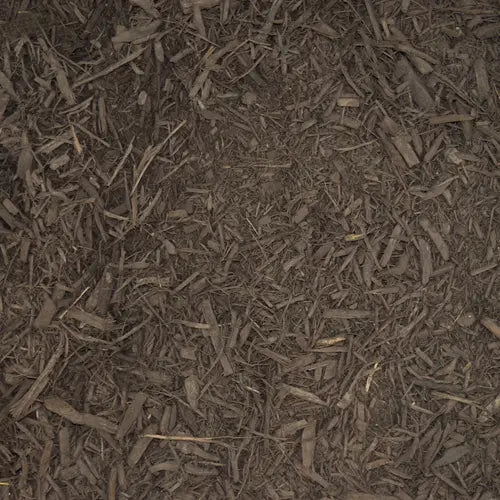
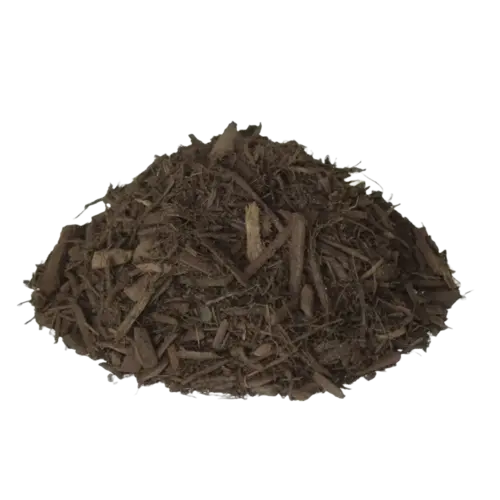
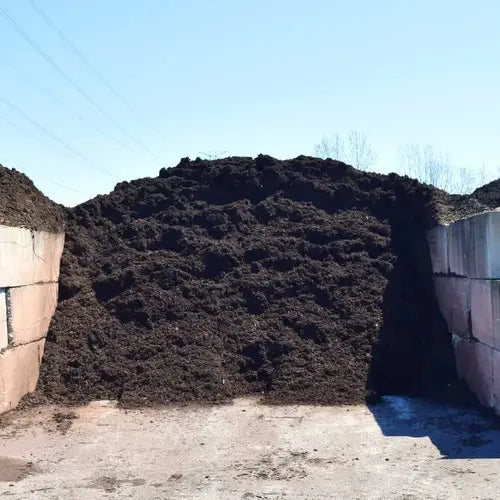
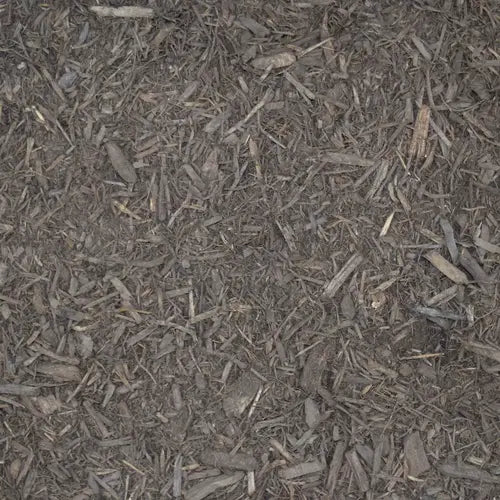
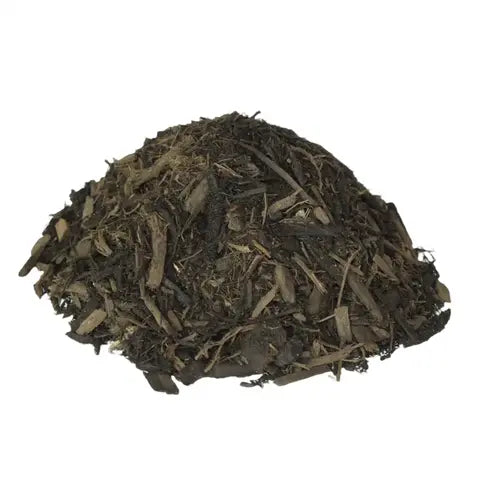
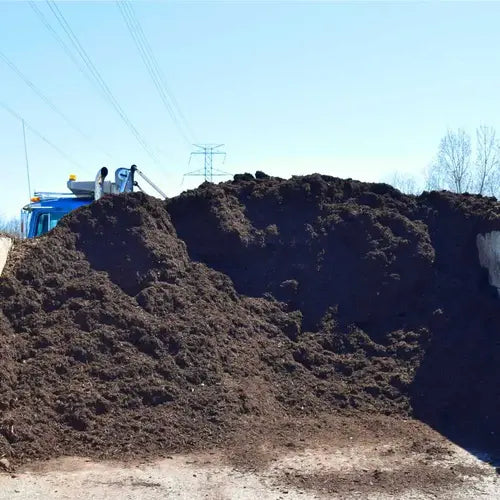
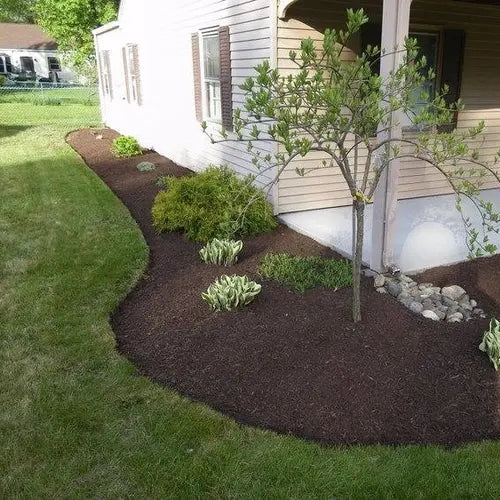
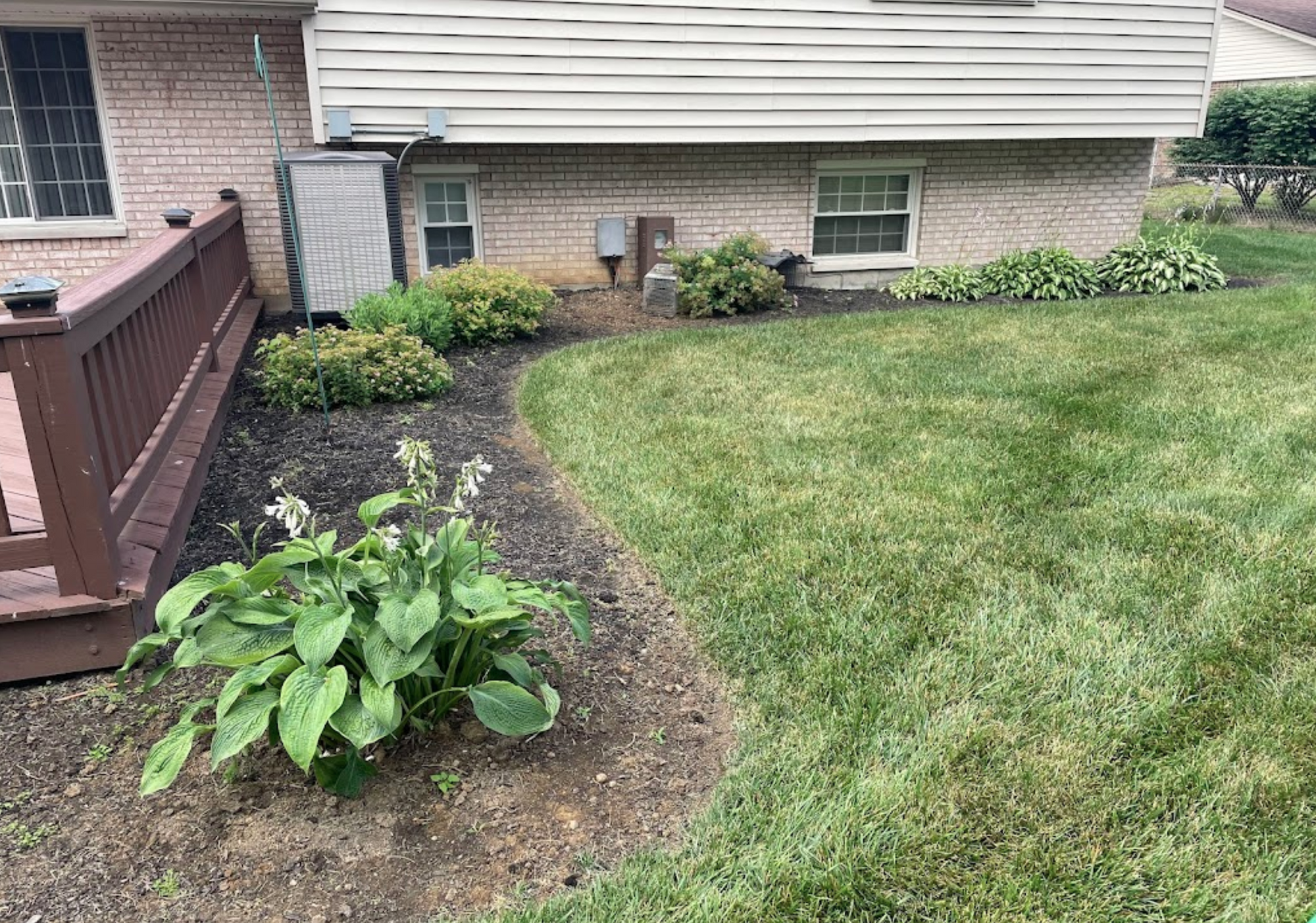
Warm brown double shredded mulch with lasting color that looks freshly applied for weeks. Spreads smooth, stays put, and gives beds a natural, polished appearance.
Mulch Mound made it so easy! So happy with the pricing, turn around time, delivery and product. I submitted my online order on a Thursday. The mulch was delivered to the designated location by a local landscape company at 8:30 a.m. the following Saturday morning. We had the...
Tell us what you're looking for
Thanks! We received your request.
Something went wrong. Please try again.
How Much Material Do I Need?
For most Shreveport plant beds with clay loam soil, a 3-inch mulch depth delivers the best balance of weed control, moisture retention, and root insulation through both the wet and dry stretches of the year. Thinner applications tend to compress under heavy rains and lose their effectiveness far sooner than the investment warrants in this climate.
Use our free mulch calculator
What is a yard?
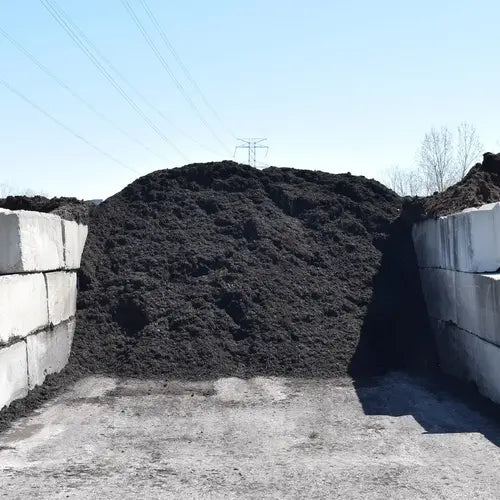
A yard is approximately 27 cubic feet. As a general guideline, one yard of material can cover an area of about 100-160 square feet at a 2-3 inch depth.
We can't take orders for this right now. Tell us what you need and we'll get back to you.
What do you need?
Thanks! We received your request.
Something went wrong. Please try again.
Hand-picked local yards
4,000+ regional deliveries
Dedicated support
Why order through Mulch Mound
The best local mulch, without the guesswork.
We hand-pick and partner with the best yards in your region, keep only the ones our buyers rate well, and back each load with our guarantee.
Mulch Mound Guarantee
If your mulch isn't the quantity or quality you ordered, we'll make it right.
About this mulch
Warm brown double shredded mulch with lasting color that looks freshly applied for weeks. Spreads smooth, stays put, and gives beds a natural, polished appearance.
Mulch Mound made it so easy! So happy with the pricing, turn around time, delivery and product. I submitted my online order on a Thursday. The mulch was delivered to the designated location by a local landscape company at 8:30 a.m. the following Saturday morning. We had the...
How Much Material Do I Need?
For most Shreveport plant beds with clay loam soil, a 3-inch mulch depth delivers the best balance of weed control, moisture retention, and root insulation through both the wet and dry stretches of the year. Thinner applications tend to compress under heavy rains and lose their effectiveness far sooner than the investment warrants in this climate.
Use our free mulch calculator
What is a yard?
A yard is approximately 27 cubic feet. As a general guideline, one yard of material can cover an area of about 100-160 square feet at a 2-3 inch depth.
Mulch Mound made it so easy! So happy with the pricing, turn around time, delivery and product. I submitted my online order on a Thursday. The mu...
Read full review
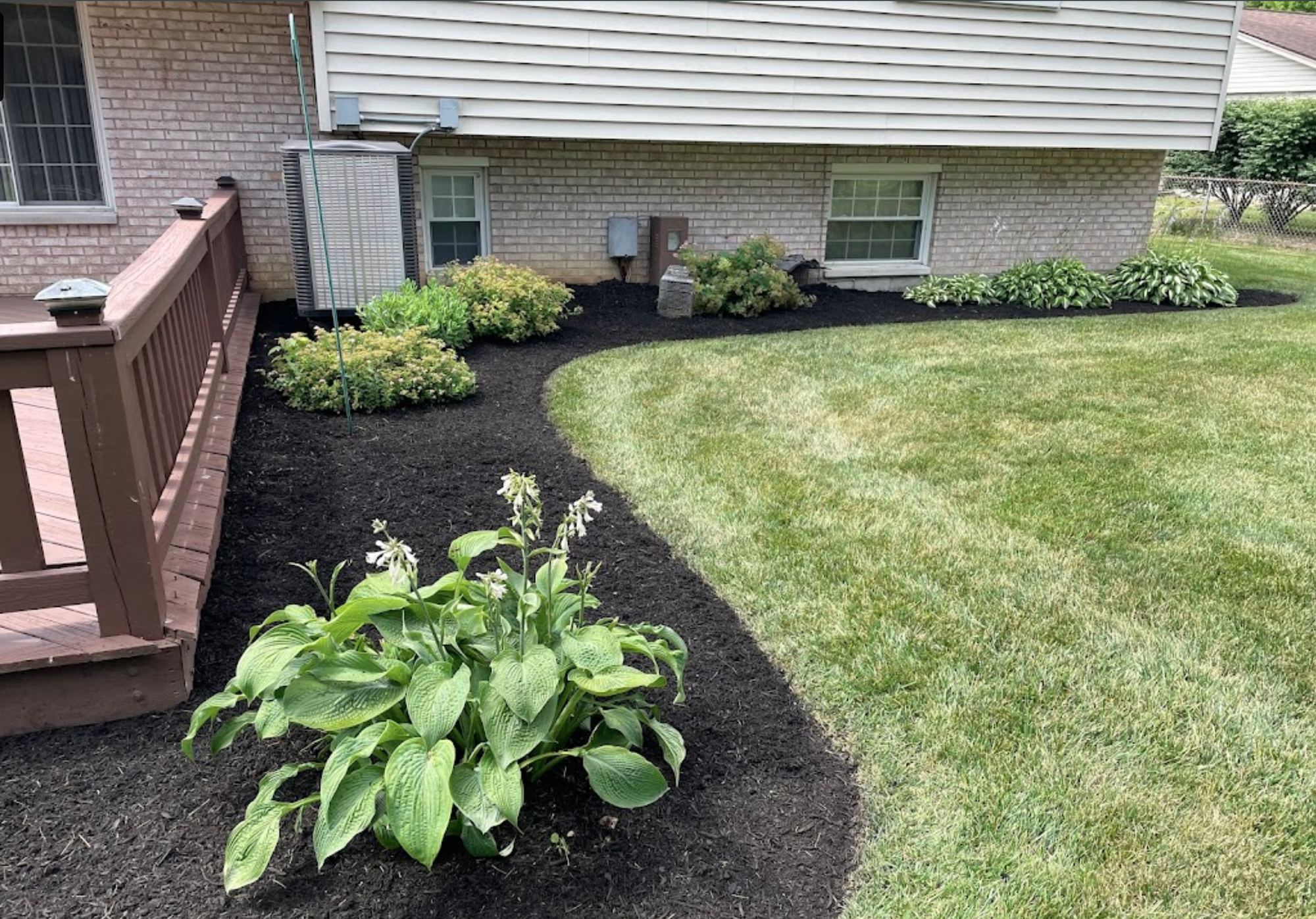
Mulch Mound made it so easy! So happy with the pricing, turn around time, delivery and product. I submitted my online order on a Thursday. The mulch was delivered to the designated location by a local landscape company at 8:30 a.m. the following Saturday morning. We had the job completed by that afternoon. We chose the natural brown mulch, and the plant beds are beautiful.
Good quality, great price, fast delivery. All online - no submitting forms and waiting for days for quotes. Getting mulch should be this easy fr...
Read full review
Good quality, great price, fast delivery. All online - no submitting forms and waiting for days for quotes. Getting mulch should be this easy from everyone. Only Mulch Mound is ACTUALLY this simple.
I highly recommend Mulch Mound. The quality of the mulch is very good. The ordering system on their website makes it very easy. The delivery driver...
Read full review
I highly recommend Mulch Mound. The quality of the mulch is very good. The ordering system on their website makes it very easy. The delivery driver did a great job placing the mulch on the driveway. To finish off, the pricing was very reasonable as well.
To estimate how much mulch you need, measure the length and width of each bed in feet, multiply those numbers together to get square footage, then use our calculator to convert to cubic yards at your chosen depth. Because Shreveport's clay loam benefits from a full 3-inch mulch layer to suppress weeds and reduce surface crusting, avoid going thinner just to save material since a shallow application will compact and lose effectiveness quickly in this climate. It helps to sketch out your beds before ordering, especially if your landscape has the curved bed edges that are common in older Shreveport neighborhoods.
Mulch vs. No Mulch: The Difference
In Shreveport's combination of intense UV exposure, frequent heavy rains, and a long warm growing season, mulch breaks down faster than the national average, so the choice between natural and dyed products deserves careful thought. Natural hardwood mulch grays and decomposes more quickly in this climate, feeding the clay loam soil with organic matter but requiring more frequent topping off to maintain appearance and function. Dyed mulches maintain their color through more of the growing season and decompose more slowly, which can be a better fit if curb appeal and reduced maintenance frequency are your top priorities.
Before
After
Best Mulch Choice for Shreveport Lawns
Most yards in the Shreveport area sit on Clay Loam type of soil. Shreveport's clay loam soil is naturally dense and tends to seal over between rain events, creating a tough surface layer that blocks water and air from reaching plant roots in ornamental beds. Applying mulch over clay loam buffers this sealing effect and creates a consistently more hospitable environment for the shallow feeder roots that most landscape plants rely on.
Hardwood Mulch
Hardwood mulch is a particularly strong match for Shreveport's clay loam because as it decomposes it contributes humus that physically loosens tightly bonded soil particles, reduces compaction, and improves the pore structure that clay loam naturally lacks. Over several seasons of annual applications, homeowners consistently notice their beds becoming noticeably easier to work and more responsive to rainfall.
Mulch Types We Deliver in Shreveport
Getting bulk mulch delivery in Shreveport is straightforward when you order by the cubic yard and choose the variety that fits your landscape. Northwest Louisiana's humid summers and clay-heavy soils make a good layer of mulch one of the most practical investments you can put in your beds. The three varieties below cover the most popular choices for homes and properties across the area.
Dyed Black Mulch
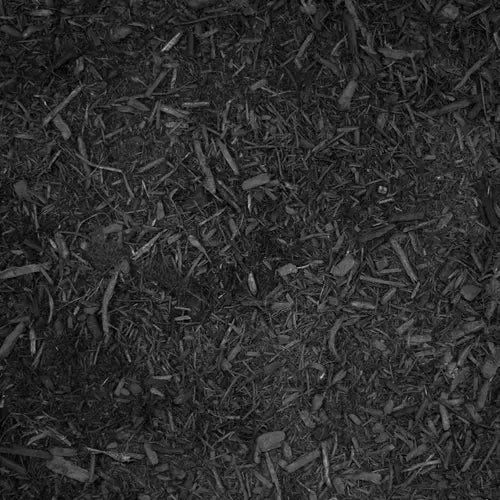
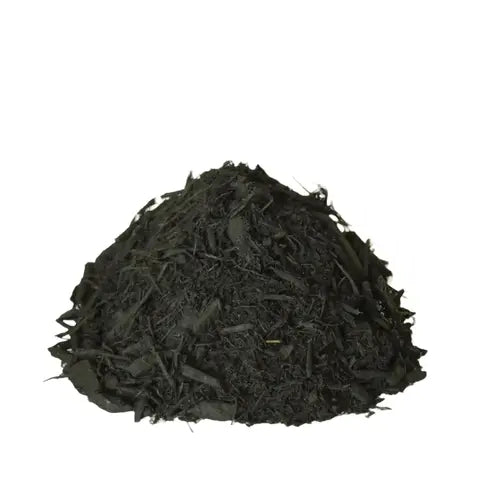
Bold and striking, this double shredded black mulch creates sharp contrast against green plants and the light-colored masonry common in Shreveport landscapes. The color holds up through heavy summer rains and long stretches of direct sun. It spreads smoothly and stays put even on sloped or terraced beds.
Dyed Brown Mulch
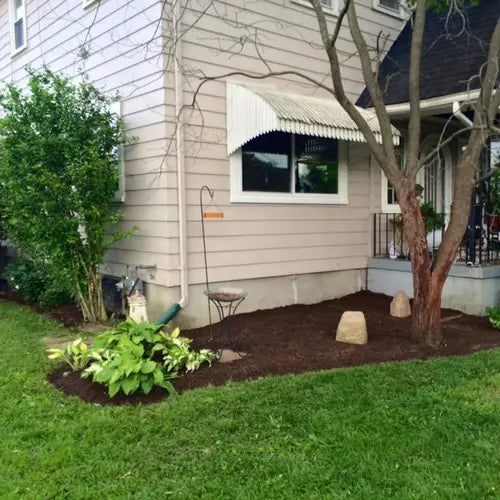
Warm and polished, this double shredded brown mulch pairs naturally with the red clay soils and wooded settings found throughout northwest Louisiana. The color stays fresh-looking for weeks after delivery even under intense summer heat, making it a reliable choice for foundation plantings, garden borders, and established trees.
Natural Brown Mulch
This undyed double shredded mulch lets the natural wood tone do the work, offering an earthy warmth that suits cottage gardens and naturalized landscapes common in this part of Louisiana. No added dyes means it breaks down cleanly into the soil, feeding the organic matter that helps plants push through hot, wet summers.
Complete Your Outdoor Mulch Project
If your beds need rebuilding or improving before mulching, adding a layer of our bulk garden soil gives the clay loam base a much-needed boost and sets new plantings up for a strong start in Shreveport's long growing season. For low-maintenance border areas or foundation zones where you want to limit organic material against your home, pairing mulch with our decorative stone creates a practical and polished solution that handles northwest Louisiana's wet seasons without eroding.
Before spreading mulch in Shreveport, take time to edge your beds cleanly and pull existing weeds by the root. Clay loam soil holds weed roots tenaciously, and mulching over them without removal often just delays their return by a few weeks. A clean bed before mulching means you are starting fresh and getting the full weed-suppression benefit of your material rather than simply buying a temporary cover over an active problem.
Mulch Mound Pro Tip
In Shreveport's hot and humid summers, resist the urge to pile mulch extra thick against plant stems thinking it will help more. Mulch mounded deeply against stems creates a moist, dark environment where fungal disease can take hold, and Zone 8b's heat and humidity already favor plant pathogens more than most regions. Keep depth at 3 inches maximum and always leave a clear gap between mulch and any plant stem or tree trunk to allow good air circulation.
Mulch Mound Pro Tip
Shreveport receives about 52 inches of rain per year, and much of it falls in heavy events that can shift loose mulch in sloped beds. If your landscape has any grade, choose a coarser shredded hardwood mulch over fine-textured products, since the interlocking wood fibers knit together and resist washing far better during the intense spring and summer thunderstorms that roll through northwest Louisiana on a regular basis.
Frequently Asked Questions
Click a question to see the answer
Answer
How often should I reapply mulch in Shreveport given how much rain we get every year?
With 52 inches of annual rainfall and a long Zone 8b growing season, organic mulch in Shreveport breaks down faster than it would in drier climates. Most homeowners find they need to top off their beds once a year, usually in early spring after the last frost around March 10, adding about an inch to bring depth back up to the recommended 3 inches. If you use a coarser shredded hardwood mulch, it tends to last a bit longer before needing replenishment than finer-textured products do.
Answer
I have heard mulch attracts termites. Should I keep it away from my house foundation here?
This is a real concern in Shreveport's warm, humid environment, where termite pressure is considerably higher than in cooler parts of the country. Keep mulch pulled back at least 6 inches from your foundation and avoid piling it against wood siding or trim. Using stone or gravel in the 12 to 18 inch zone immediately against your foundation and transitioning to mulch beyond that point is a smart and common approach for Shreveport homes.
Answer
Will mulch actually do anything to help with the drainage problems my clay loam yard already has?
Mulch does not fix underlying drainage problems in clay loam soil, but it helps in several important ways. It prevents the surface crusting that is common in Shreveport's clay loam after heavy rains and slows runoff so more water has a chance to soak in before sheeting off. Over several seasons, decomposing organic mulch adds humus to the soil beneath it, which gradually loosens clay loam and improves its ability to accept water. For serious drainage issues, pairing mulch with a soil amendment program gives you the most meaningful long-term results.
Answer
What mulch color actually holds up in our hot Louisiana summers without fading out completely?
Shreveport's intense summer sun fades all mulch over time, but dyed mulches are formulated to retain color longer than natural wood products. Brown and black dyed mulches tend to show the best longevity here, with black holding contrast against green foliage through much of the summer. Natural hardwood mulch grays out within a season, though some homeowners prefer that weathered, earthy look. If color consistency matters to you, plan to apply fresh mulch in early spring and touch up high-visibility areas in fall before the November freeze season.
Answer
When is actually the best time to put down new mulch in Shreveport?
The ideal window is shortly after your last frost date around March 10, once the soil has warmed slightly and you have finished any bed cleanup or early planting. Mulching in early spring insulates roots from any late cold snaps, suppresses the first flush of spring weeds, and sets beds up to retain moisture as temperatures climb into the 90s. A second lighter application in early fall, well before the November 16 first frost, helps protect root systems on perennials and tender shrubs through winter.
Answer
How thick should I apply mulch around my oak trees and azaleas in my Shreveport yard?
For trees and large shrubs in Shreveport, a 3-inch layer spread across the root zone is the right target. Keep mulch pulled back a few inches from the trunk or stem base to prevent rot, which is a genuine concern in this humid climate. For azaleas, which thrive in Shreveport landscapes, pine bark or hardwood mulch at 2 to 3 inches depth works very well, and the mild acidity that decomposing wood mulch contributes to the soil is actually beneficial since azaleas prefer slightly acidic growing conditions.
Answer
Can mulch help protect my plants during one of our occasional hard winter freezes in Shreveport?
Yes, and this is one of the most underappreciated benefits of mulching in Zone 8b. Shreveport can see dips below freezing at any point between November and March, and a 3-inch mulch layer insulates the soil enough to protect root systems on tender perennials and borderline-hardy shrubs during short cold events. After a hard freeze you may notice the mulch itself is crusted on top while the soil and roots underneath remain protected. Just avoid piling mulch so deeply that it traps moisture against plant crowns, which can cause crown rot when temperatures swing back up quickly as they often do here.
The Unique Landscape of Shreveport
Shreveport's clay loam soil compacts under heavy rainfall and foot traffic, creating drainage problems that stress plant roots during wet winters and scorching summers alike. With 52 inches of rainfall annually, unprotected garden beds lose topsoil to erosion and develop a hard crust between rain events that blocks the water and air exchange your plants depend on. A consistent mulch layer buffers that sealing effect, moderates soil temperature through the stretch between the last frost on March 10 and the brutal July heat, and slows weed germination throughout the long Zone 8b growing season. Organic mulch decomposes over time and feeds the clay loam beneath it, gradually adding the organic matter that Shreveport soils naturally lack and slowly improving their structure. Without mulch, plant beds in this climate require far more frequent watering, weeding, and soil amendment just to stay productive and presentable.