




Great service. We ordered topsoil from Mulch Mound and the best experience. Thank you so much!
About this soil
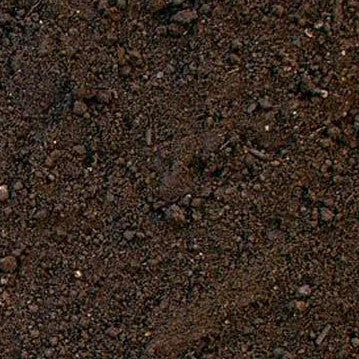
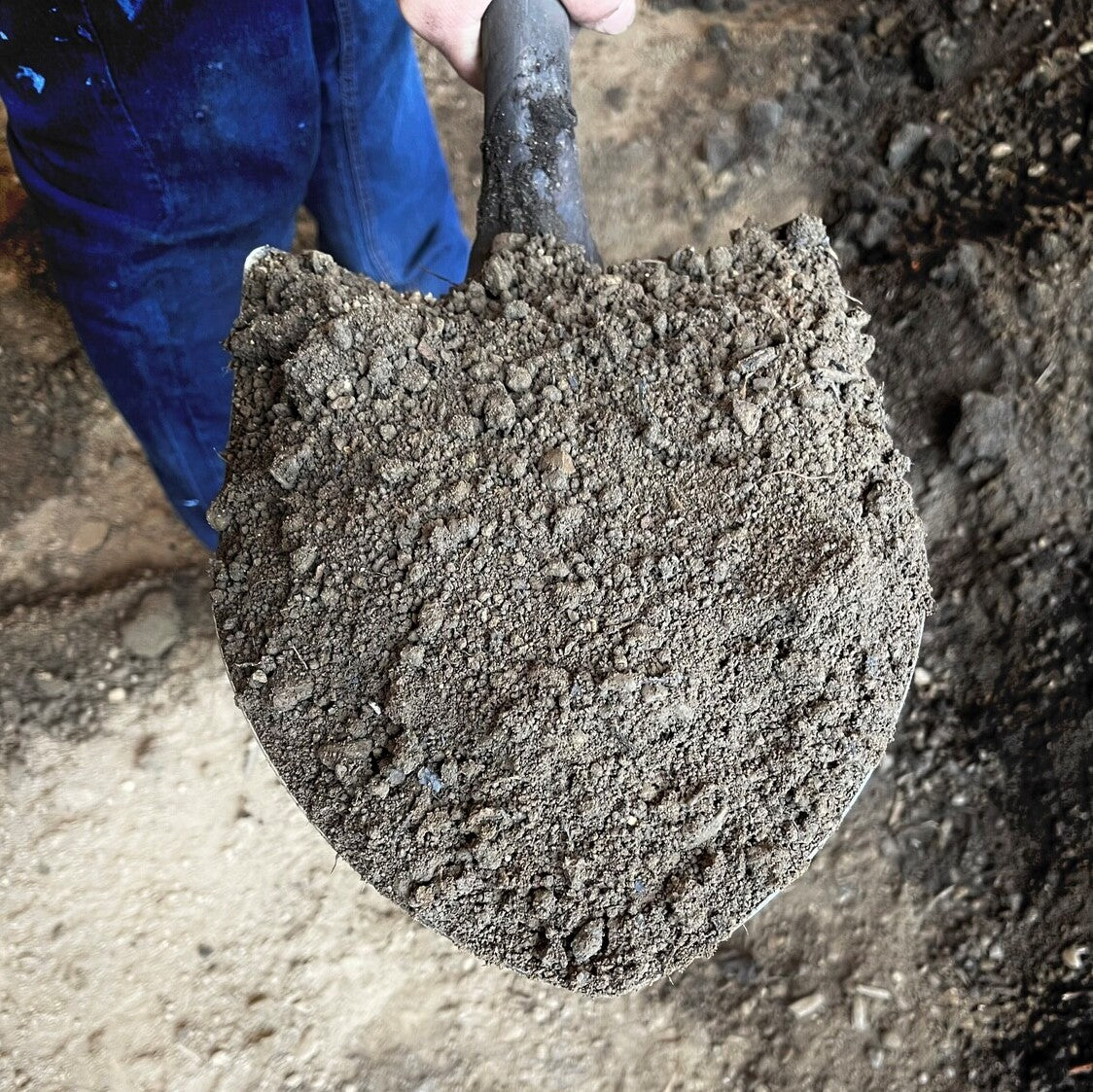
Quality topsoil for lawns, gardens, and landscape projects. Nutrient rich and ready to support strong root development and healthy plant establishment.
Great service. We ordered topsoil from Mulch Mound and the best experience. Thank you so much!
Tell us what you're looking for
Thanks! We received your request.
Something went wrong. Please try again.
How Much Material Do I Need?
How Much Material Do I Need?
For new garden beds over Shreveport's clay loam, a minimum of 4 to 6 inches of quality blended soil creates a productive root zone for plants to establish before hitting the denser native layer. For lawn leveling and topdressing, plan on 1/2 inch per application pass and work in stages if fills are deeper than 1 inch to avoid smothering existing turf.
Use our free soil calculator
What is a yard?
What is a yard?
FAQs
FAQs
Shreveport Soil Delivery
Shreveport Soil Delivery
Regular price
$64.00
per
yard
Regular price
Sale price
$64.00
Unit price
per
Shipping calculated at checkout.
Minimum of 3 yard
Couldn't load pickup availability
Not currently available
We can't take orders for this right now. Tell us what you need and we'll get back to you.
Hand-picked local yards
4,000+ regional deliveries
Dedicated support
Why order through Mulch Mound
The best local soil, without the guesswork.
We hand-pick and partner with the best yards in your region, keep only the ones our buyers rate well, and back each load with our guarantee.
Mulch Mound Guarantee
If your soil isn't the quantity or quality you ordered, we'll make it right.
About this soil
Quality topsoil for lawns, gardens, and landscape projects. Nutrient rich and ready to support strong root development and healthy plant establishment.
Great service. We ordered topsoil from Mulch Mound and the best experience. Thank you so much!
How Much Material Do I Need?
How Much Material Do I Need?
For new garden beds over Shreveport's clay loam, a minimum of 4 to 6 inches of quality blended soil creates a productive root zone for plants to establish before hitting the denser native layer. For lawn leveling and topdressing, plan on 1/2 inch per application pass and work in stages if fills are deeper than 1 inch to avoid smothering existing turf.
Use our free soil calculator
What is a yard?
What is a yard?
FAQs
FAQs
Tell us what you're looking for
Thanks! We received your request.
Something went wrong. Please try again.
How It Works
Getting started is easy — just follow these simple steps
1
Choose your soil
Make sure you adjust the quantity to your home's needs. You can use our calculator to estimate how much you'll need.
2
Select your delivery date
Select a delivery date you'd like for the product to be dropped off at your home
3
Sit back and wait
Sit back, wait, and let us work our magic to make sure the highest quality product is delivered to your driveway.

Placing an order online was so easy. Delivery was on time. When the driver realized we had a newly poured driveway they erred on the side of cautio...
Read full review
Placing an order online was so easy. Delivery was on time. When the driver realized we had a newly poured driveway they erred on the side of caution and opted not ti drive in it. The company even sent me a message explaining that call. Would recommend!

Online ordering was really simple and I liked the transparent pricing.
Need Help Calculating How Much Soil You Need?
Use our NEW Trace from Satellite tool to get an estimate for your project based on an aerial view of your property
Try Our CalculatorMeasure your project area carefully before ordering since soil settles after delivery and you will generally want a small overage to account for compaction into Shreveport's clay-heavy ground. For raised beds, calculate the interior length times width times your desired depth in feet to get cubic feet, then divide by 27 to convert to cubic yards. For lawn leveling, keep in mind that Shreveport's frequent heavy rain events can compress fresh topsoil quickly, so ordering slightly more than you calculate gives you material to top off any low spots that develop after the first few storms.
Soil Types We Deliver in Shreveport
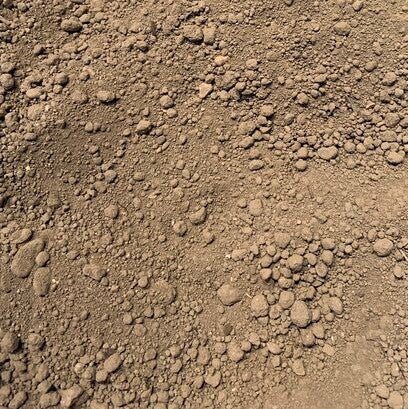
Mulch Mound delivers bulk soil by the cubic yard straight to your property in Shreveport, saving you the hassle of hauling bags from a store. Whether you are refreshing a lawn, building up garden beds, or grading a yard, we bring the volume you need right to the job site. If you have been searching for bulk topsoil by the yard in Shreveport, we make the process simple with reliable delivery and consistent quality.
Screened Top Soil
A nutrient-rich, screened topsoil ideal for lawns, raised garden beds, and landscape grading across Shreveport yards. The screening process removes debris and clumps, giving you a smooth, workable soil that supports strong root development. It performs especially well in this region where native clay soils often benefit from a quality blended amendment.
Complete Your Outdoor Soil Project
Once your beds are graded and filled, finishing with a layer of bulk mulch is the logical next step to protect your new soil investment from Shreveport's heavy rains and scorching summer heat. For paths, borders, and drainage areas surrounding your freshly built beds, decorative stone provides a low-maintenance complement that holds up through northwest Louisiana's wet seasons without eroding or breaking down.


Service area
Areas we deliver soil in Shreveport, Louisiana
Mulch Mound Pro Tip
When working with bulk soil in Shreveport landscapes, avoid tilling or grading clay loam when it is waterlogged after a heavy rain. Working saturated clay loam destroys its structure and creates deep compaction that can persist for years and undo all the improvement you intended. Wait until the soil is moist but not sticky before doing any digging, tilling, or grading, which in Shreveport usually means watching for at least a full day or two of dry weather after a significant rain event before picking up your tools.
Mulch Mound Pro Tip
If you are building raised vegetable beds in Shreveport, consider the height of your frames carefully. Shreveport's warm, humid conditions mean soil stays moist for extended periods after rain, and raised beds at least 10 to 12 inches tall drain far better than low-profile frames. That extra drainage depth is critical for avoiding root rot during the warm, wet spring and fall seasons when moisture and heat combine to create perfect conditions for soil pathogens.
Mulch Mound Pro Tip
Shreveport receives 52 inches of rainfall annually, and that consistent moisture is both a benefit and a challenge for soil management across the city. While it reduces irrigation needs, it also means bare soil areas get pounded by rain impact that breaks down surface structure and causes crusting and erosion. Cover any freshly delivered and graded soil areas with mulch, straw, or a ground cover as quickly as possible after installation to protect your investment from the next heavy downpour.
The Unique Landscape of Shreveport
Shreveport's native clay loam is one of the most common frustrations for local gardeners and homeowners trying to establish new planting beds, level uneven lawns, or build productive raised vegetable gardens. While clay loam holds moisture and nutrients better than sandy soils, it compacts easily, drains slowly after rain events, and bakes into a nearly impenetrable hardpan during summer dry spells that blocks new root growth entirely. With 52 inches of annual rainfall, standing water in low spots is a persistent challenge for Shreveport properties that sit in slight depressions or at the base of grades, and that ponding accelerates root stress and disease pressure on nearby plants. Bringing in quality bulk topsoil or a blended garden mix allows homeowners to create a productive root zone above the native clay loam, giving plants the loose, well-structured environment they need to establish quickly in Zone 8b's long growing season. Whether you are grading a yard, filling raised beds, or rebuilding garden areas damaged by construction or stump removal, the right soil product makes the difference between plants that struggle and plants that genuinely thrive.