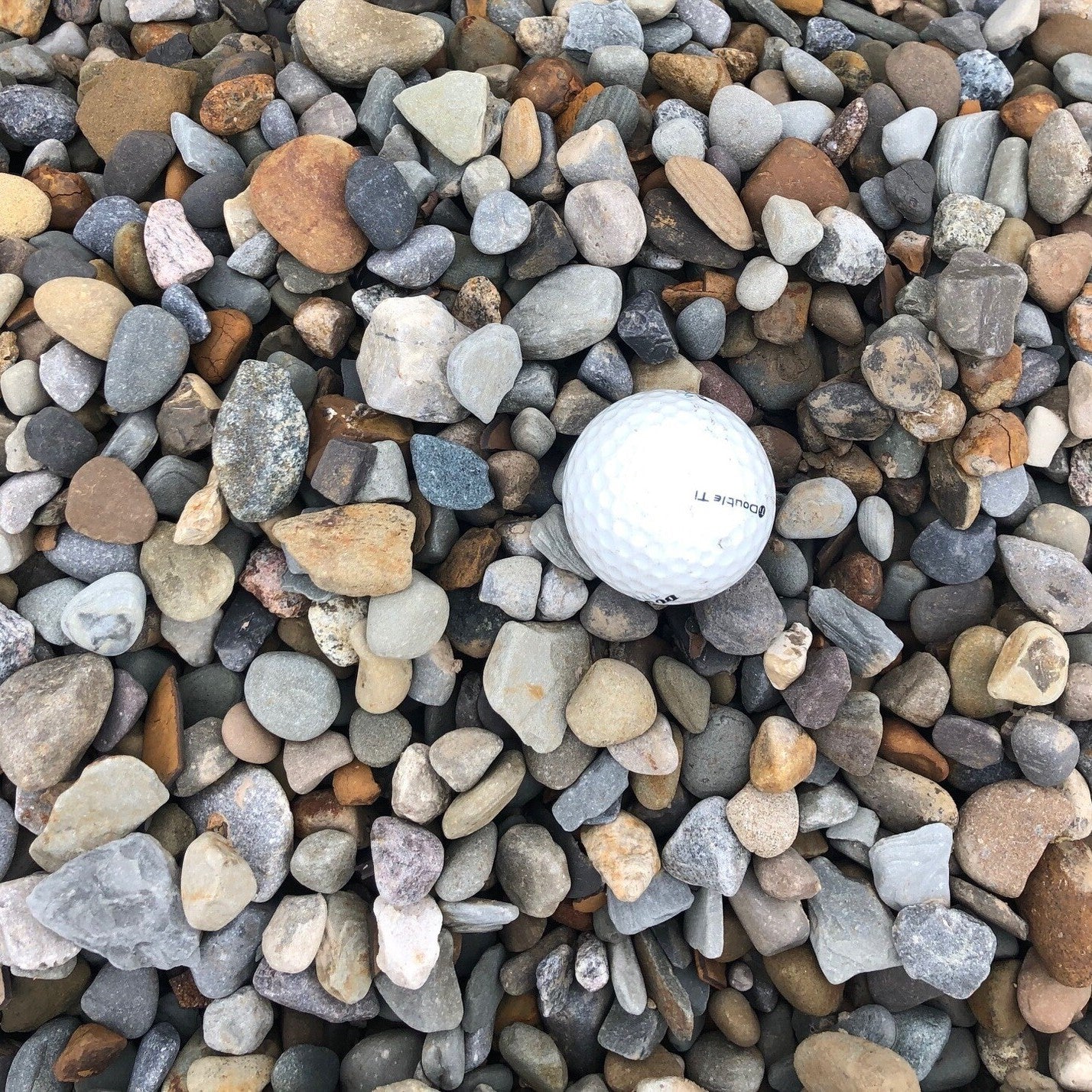
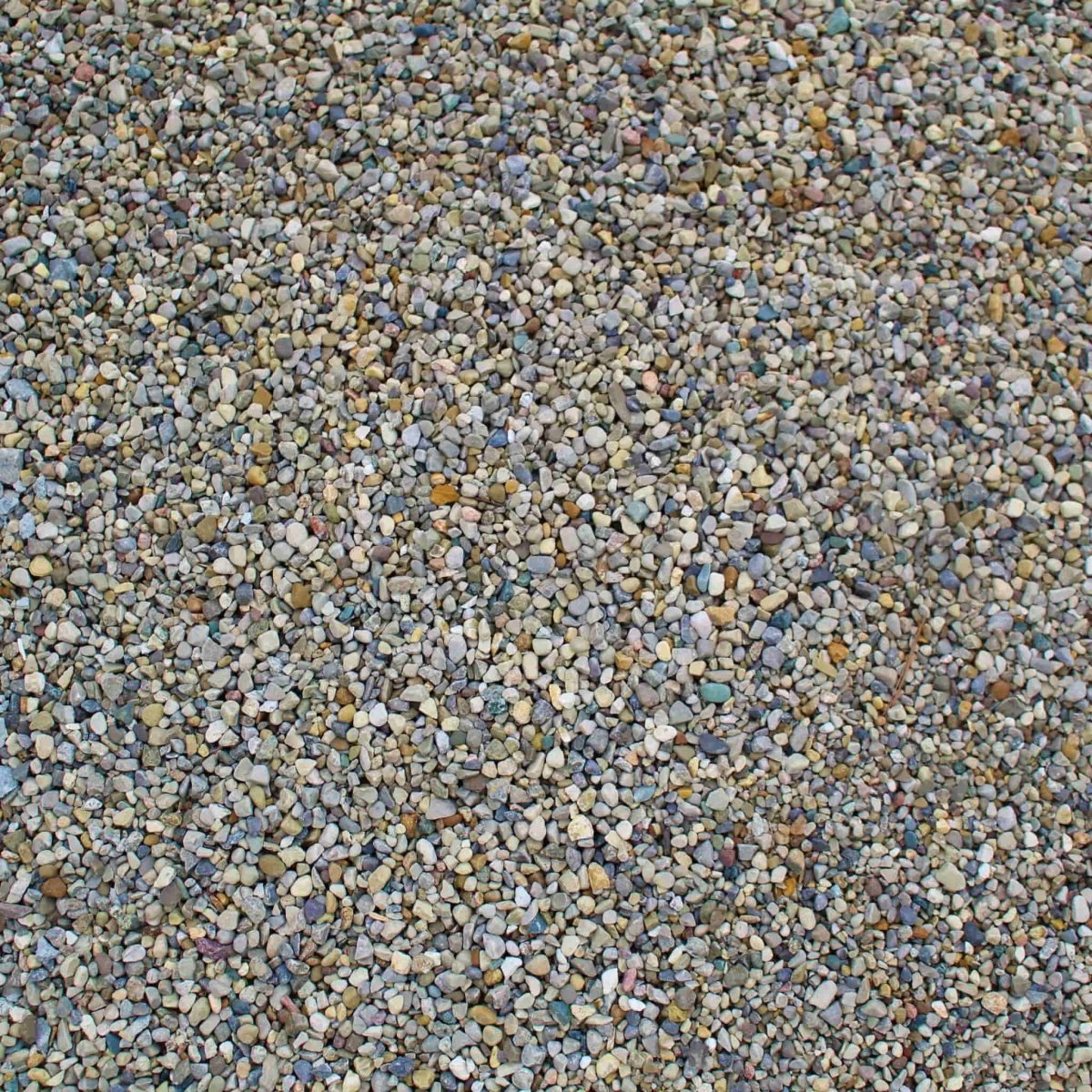
Number 57 crushed stone, angular limestone graded to about three quarters of an inch. The standard driveway, base and drainage gravel, it locks together under traffic and drains fast.
I used Mulch Mound to have 3 cubic yards of garden soil delivered. The process was easy and I love that I didn't have to call anyone. I placed my order online, picked my delivery date, laid out my tarp and the dirt was delivered. My delivery had to be pushed back, but I was ke...
Tell us what you're looking for
Thanks! We received your request.
Something went wrong. Please try again.
How Much Material Do I Need?
For decorative beds in Shreveport, a 2 to 3 inch layer of stone provides solid coverage, effective weed suppression when used with landscape fabric, and the visual depth that makes stone installations look intentional and finished. For drainage swales and French drain applications over clay loam, a minimum of 4 to 6 inches of clean gravel ensures adequate water flow capacity during the heavy rain events that move through northwest Louisiana.
Use our free gravel calculator
What is a yard?
A yard is approximately 27 cubic feet. As a general guideline, one yard of material can cover an area of about 100-160 square feet at a 2-3 inch depth.
We can't take orders for this right now. Tell us what you need and we'll get back to you.
What do you need?
Thanks! We received your request.
Something went wrong. Please try again.
Hand-picked local yards
4,000+ regional deliveries
Dedicated support
Why order through Mulch Mound
The best local stone, without the guesswork.
We hand-pick and partner with the best yards in your region, keep only the ones our buyers rate well, and back each load with our guarantee.
Mulch Mound Guarantee
If your stone isn't the quantity or quality you ordered, we'll make it right.
About this stone
Number 57 crushed stone, angular limestone graded to about three quarters of an inch. The standard driveway, base and drainage gravel, it locks together under traffic and drains fast.
I used Mulch Mound to have 3 cubic yards of garden soil delivered. The process was easy and I love that I didn't have to call anyone. I placed my order online, picked my delivery date, laid out my tarp and the dirt was delivered. My delivery had to be pushed back, but I was ke...
How Much Material Do I Need?
For decorative beds in Shreveport, a 2 to 3 inch layer of stone provides solid coverage, effective weed suppression when used with landscape fabric, and the visual depth that makes stone installations look intentional and finished. For drainage swales and French drain applications over clay loam, a minimum of 4 to 6 inches of clean gravel ensures adequate water flow capacity during the heavy rain events that move through northwest Louisiana.
Use our free gravel calculator
What is a yard?
A yard is approximately 27 cubic feet. As a general guideline, one yard of material can cover an area of about 100-160 square feet at a 2-3 inch depth.
I used Mulch Mound to have 3 cubic yards of garden soil delivered. The process was easy and I love that I didn't have to call anyone. I placed my o...
Read full review
I used Mulch Mound to have 3 cubic yards of garden soil delivered. The process was easy and I love that I didn't have to call anyone. I placed my order online, picked my delivery date, laid out my tarp and the dirt was delivered. My delivery had to be pushed back, but I was kept informed via text, which was great. So why not 5 stars? The description of garden soil on the website is "A balanced mix of topsoil and organic amendments ready for raised beds, flower gardens, and new planting areas. Good drainage, solid nutrients, easy to work with." What I got was more like fill dirt. It had a lot of gravel, a lot of clay, and random trash mixed in. I didn't test the soil to see if it actually had "amendments" because I already have compost and alpaca manure ready to add, but if I'd known the quality of the dirt was going to be the same as the bagged dirt I bought last year, I probably would have gotten 2 yards of top soil and a yard of leaf compost for better quality, especially since the leaf compost is cheaper. Photo of my mountain of dirt and just some of the trash I found in it.
Measure your project area in feet and use our calculator to determine cubic yards at your desired depth, keeping in mind that stone is considerably denser than mulch or soil so small differences in depth add up to significant weight and volume quickly. For drainage applications in Shreveport, err toward the deeper end of the recommended range since the clay loam beneath tends to settle and compress under the combined weight of stone and seasonal water saturation. Having a modest overage on hand means you can top off any low spots that develop after the first season without needing a second delivery.
Stone Types We Deliver in Shreveport
Mulch Mound brings bulk stone delivery straight to your driveway or job site, measured by the cubic yard so you get exactly what your project needs. Whether you are searching for bulk gravel by the yard in Shreveport or planning a large landscaping overhaul, we make ordering simple and straightforward. Northwest Louisiana's warm, humid climate and heavy clay soils mean the right stone choice can dramatically improve drainage and curb appeal.
Pea Gravel
Smooth, rounded pea gravel is a popular choice across Shreveport yards where clay soil compacts easily and standing water is a common concern. Its natural earth tones complement the brick and wood exteriors typical of homes in this part of Louisiana, and its gentle texture makes it comfortable underfoot on garden paths and patios.
Complete Your Outdoor Stone Project
Many Shreveport homeowners pair stone borders with bulk mulch in their planting beds, using stone along foundation lines and mulch throughout the planted areas for a layered look that addresses both drainage concerns and seasonal aesthetics. If your project involves grading or reshaping bed edges before laying stone, our bulk soil products give you the base material to level and slope the ground properly so water flows where you intend it to go from the start.
Before placing any decorative stone in your Shreveport landscape, take time to grade the base surface so that water flows away from structures and does not collect in low points. Shreveport's clay loam does not forgive poor drainage preparation, and stone installed over a poorly graded base will develop water pooling underneath it that can eventually heave and shift the surface. A few careful minutes with a level and a rake before laying fabric and stone prevents significant rework later in the project.
Mulch Mound Pro Tip
If you are using stone along high-traffic pathways in Shreveport, consider placing a 1-inch compacted base of crushed limestone fines beneath your decorative top layer before finishing. The fines pack tightly over clay loam and create a stable sub-base that prevents the top stone from sinking or shifting under foot traffic and the weight of seasonal water saturation. This extra preparation step makes the difference between a pathway that stays crisp and level for years and one that requires constant raking and replenishment.
Mulch Mound Pro Tip
Shreveport's 52 inches of annual rainfall means that every downspout, roof drainage outlet, or surface runoff channel pointing toward your landscape deserves a thoughtful plan. Directing concentrated runoff into a stone-filled dry creek bed or a gravel apron is one of the most effective and visually attractive ways to handle that water volume without eroding soil or carving muddy channels through your yard. Stone channels handle the rainfall volume this region receives far better than mulch or bare soil and add a natural design element that complements the surrounding landscape.
The Unique Landscape of Shreveport
Decorative and functional stone is one of the most practical landscape materials available for Shreveport properties precisely because it does not degrade under the conditions that break down other materials here. With 52 inches of annual rainfall, organic ground covers erode, pathways wash out, and bare soil areas turn to mud during wet stretches, but properly installed stone holds its position and continues performing through wet winters and dry summers alike. Shreveport's clay loam drains slowly, meaning low areas, high-traffic paths, and foundation borders stay wet far longer after a rain than they would in sandier soils, and stone provides a stable, permeable surface in exactly those problem zones. In Zone 8b, where the growing season runs almost year-round from March into November, low-maintenance landscape areas covered with stone free up time and energy for the garden tasks that actually require attention. Whether used for drainage swales, decorative ground cover, foundation borders, or garden pathways, stone gives Shreveport landscapes a durable solution that improves with age rather than decomposing.
Frequently Asked Questions
Click a question to see the answer
Answer
What type of stone works best for pathways in a Shreveport yard that takes on a lot of rain throughout the year?
For Shreveport pathways, a 3/4-inch crushed granite or crushed limestone gravel is one of the most popular and practical choices available. It compacts well enough to provide a stable walking surface while still allowing water to drain through, which is important given how much rain northwest Louisiana receives on an annual basis. Pea gravel is attractive but tends to shift underfoot in high-traffic areas, so it works better as a decorative bed cover than as a surface for regular foot traffic.
Answer
Can I use stone around my foundation to help with both drainage and termite prevention here in Shreveport?
Absolutely, and this is actually one of the most recommended applications in Shreveport specifically because of the area's termite pressure and the slow-draining clay loam soil that keeps foundation zones wet. A 12 to 18 inch border of stone along your foundation keeps organic material away from wood framing and siding, improves drainage away from the structure, and gives you a clear sightline for detecting any termite activity rather than hiding it beneath a layer of mulch. River rock or crushed granite at 2 to 3 inches depth performs very well for this application.
Answer
Will decorative stone actually stay in place in my landscape beds during Shreveport's heavy thunderstorms?
Larger stone sizes of 1 inch and up generally stay put even during the intense rain events that move through Shreveport in spring and summer. Smaller pea gravel or fine-textured gravel can scatter or migrate in areas with concentrated flow. If you are using stone on any slope or near a downspout discharge point, choosing a larger aggregate and installing a solid border edging will help keep material in place. In flat beds with good drainage, most decorative stone sizes perform reliably through Shreveport's wet season without significant movement.
Answer
How deep should I lay stone in a decorative bed to actually prevent weeds from growing through it?
In Shreveport, where the long growing season and warm temperatures mean weed seeds find every possible opportunity to germinate, a depth of 2 to 3 inches of stone combined with a quality woven landscape fabric beneath it delivers the best weed suppression available. Stone alone without fabric allows weeds to root into the soil beneath and eventually push up through the surface, so the fabric layer is especially important in this climate. Avoid using plastic sheeting under stone, as it blocks drainage and causes water to pool on Shreveport's slow-draining clay loam.
Answer
What kind of stone should I use for a drainage swale or French drain installation in my Shreveport yard?
For drainage swales and French drain installations in Shreveport, a clean 3/4-inch to 1-inch washed river gravel or crushed stone is the standard and most reliable choice. It allows water to move freely through the void space between stones while supporting the surrounding soil walls. Given that Shreveport's clay loam does not drain quickly on its own, sizing your drainage stone correctly and maintaining adequate fall in the swale grade makes a significant difference in how fast water clears after a heavy rain event.
Answer
Is stone a good option for the areas under my big trees where grass has always struggled to grow?
Stone is an excellent and long-lasting solution for the shaded, root-crowded areas under mature trees in Shreveport, where clay loam compaction and dense surface root competition make growing grass nearly impossible regardless of how much effort you put in. A ring of decorative stone around tree bases, starting a few inches away from the trunk, creates a clean and low-maintenance zone that does not compete with the tree for water or nutrients, requires no mowing, and looks intentional rather than neglected. A natural river rock or warm-toned granite complements the organic character of a mature tree canopy beautifully.
Answer
How much stone do I need to cover a 10 by 10 foot area in my Shreveport landscape?
A 10 by 10 foot area is 100 square feet, and at a 2-inch depth you would need roughly 0.6 cubic yards of stone, while a 3-inch depth brings that to about 0.9 cubic yards. It is always worth rounding up slightly when ordering stone for Shreveport projects, since clay loam settles under the weight of stone and rainfall saturation over time, and low spots can develop in the first season. Our calculator can help you dial in the right quantity for any shape or size of project you have in mind.
Answer
Is there a stone yard near Shreveport?
Stone borders along a Shreveport foundation line hold up through 52 inches of yearly rain, and the crushed stone for that job arrives at your driveway instead of a trip to a stone yard. Mulch Mound delivers it by the cubic yard, so there is no need to visit a quarry or load a truck yourself.