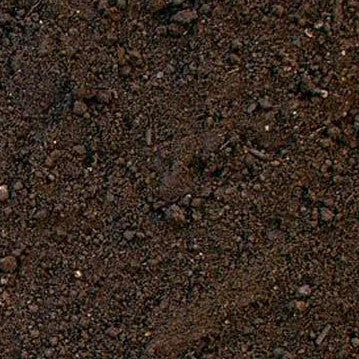
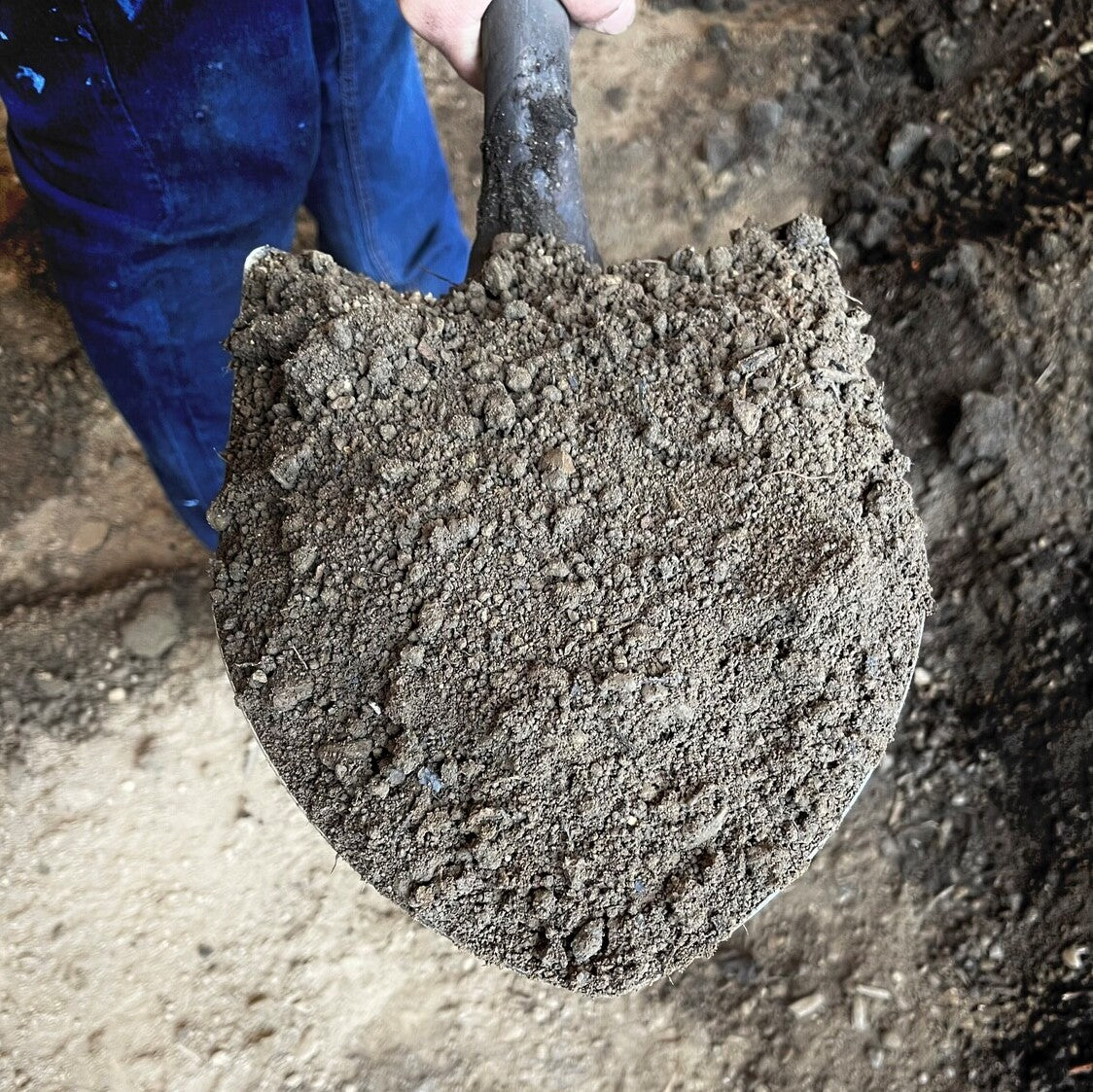
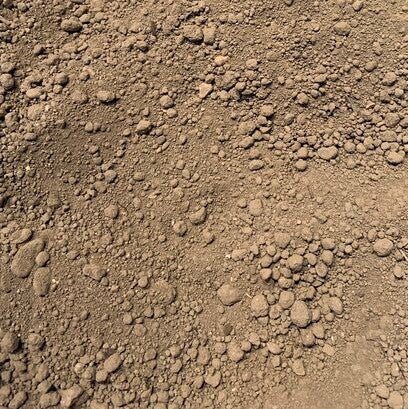
Quality topsoil for lawns, gardens, and landscape projects. Nutrient rich and ready to support strong root development and healthy plant establishment.
I used Mulch Mound to have 3 cubic yards of garden soil delivered. The process was easy and I love that I didn't have to call anyone. I placed my order online, picked my delivery date, laid out my tarp and the dirt was delivered. My delivery had to be pushed back, but I was ke...
Quality topsoil for lawns, gardens, and landscape projects. Nutrient rich and ready to support strong root development and healthy plant establishment.
I used Mulch Mound to have 3 cubic yards of garden soil delivered. The process was easy and I love that I didn't have to call anyone. I placed my order online, picked my delivery date, laid out my tarp and the dirt was delivered. My delivery had to be pushed back, but I was ke...
How Much Material Do I Need?
For new garden beds over Shreveport's clay loam, a minimum of 4 to 6 inches of quality blended soil creates a productive root zone for plants to establish before hitting the denser native layer. For lawn leveling and topdressing, plan on 1/2 inch per application pass and work in stages if fills are deeper than 1 inch to avoid smothering existing turf.
Use our free soil calculator
What is a yard?
A yard is approximately 27 cubic feet. As a general guideline, one yard of material can cover an area of about 100-160 square feet at a 2-3 inch depth.
I used Mulch Mound to have 3 cubic yards of garden soil delivered. The process was easy and I love that I didn't have to call anyone. I placed my o...
Read full review
I used Mulch Mound to have 3 cubic yards of garden soil delivered. The process was easy and I love that I didn't have to call anyone. I placed my order online, picked my delivery date, laid out my tarp and the dirt was delivered. My delivery had to be pushed back, but I was kept informed via text, which was great. So why not 5 stars? The description of garden soil on the website is "A balanced mix of topsoil and organic amendments ready for raised beds, flower gardens, and new planting areas. Good drainage, solid nutrients, easy to work with." What I got was more like fill dirt. It had a lot of gravel, a lot of clay, and random trash mixed in. I didn't test the soil to see if it actually had "amendments" because I already have compost and alpaca manure ready to add, but if I'd known the quality of the dirt was going to be the same as the bagged dirt I bought last year, I probably would have gotten 2 yards of top soil and a yard of leaf compost for better quality, especially since the leaf compost is cheaper. Photo of my mountain of dirt and just some of the trash I found in it.
Measure your project area carefully before ordering since soil settles after delivery and you will generally want a small overage to account for compaction into Shreveport's clay-heavy ground. For raised beds, calculate the interior length times width times your desired depth in feet to get cubic feet, then divide by 27 to convert to cubic yards. For lawn leveling, keep in mind that Shreveport's frequent heavy rain events can compress fresh topsoil quickly, so ordering slightly more than you calculate gives you material to top off any low spots that develop after the first few storms.
Complete Your Outdoor Soil Project
Once your beds are graded and filled, finishing with a layer of bulk mulch is the logical next step to protect your new soil investment from Shreveport's heavy rains and scorching summer heat. For paths, borders, and drainage areas surrounding your freshly built beds, decorative stone provides a low-maintenance complement that holds up through northwest Louisiana's wet seasons without eroding or breaking down.
Can I just add bulk topsoil on top of my clay loam yard to improve it without doing a full replacement?
Yes, adding a quality topsoil layer over Shreveport's native clay loam is one of the most practical ways to improve lawn and bed performance without undertaking a full excavation project. For lawn leveling, a topdress of 1/4 to 1/2 inch worked gently into the grass helps smooth low spots and improve surface drainage over time. For new garden beds, a 4 to 6 inch layer of blended soil over the clay loam gives roots a productive workable zone before they eventually reach the denser native layer below.
Answer
What type of soil should I use to build raised vegetable garden beds here in Shreveport?
For raised beds in Shreveport, you want a lightweight, well-draining blended garden mix that includes a meaningful amount of compost, since native clay loam is far too dense to use directly in a raised bed frame. A quality blend will drain freely even during Shreveport's heavy spring rains and will warm up faster inside the frame than native clay loam ever would, letting you start planting right around that March 10 last frost date to take full advantage of the long Zone 8b growing season.
Answer
How much soil do I actually need to level out the low spots that have developed in my Shreveport lawn?
For minor leveling in Shreveport lawns, a topdress of 1/4 to 1/2 inch of screened topsoil per pass is recommended so you do not smother the existing grass. Deeper low spots may need 2 to 4 inches of fill and a period of settlement before you reseed or resod over them. Because Shreveport's heavy rainfall tends to amplify low spots over time as water erodes the soil around them, addressing grades properly from the start rather than doing minimal fills that wash out again is the more cost-effective approach.
Answer
Will adding topsoil help with the water ponding problem I have in part of my backyard?
Topsoil alone may help with very minor low spots, but persistent ponding in Shreveport yards is usually a grade issue that needs attention to slope and drainage direction rather than just fill volume. Adding soil to raise a low area without addressing where that water will ultimately flow can simply relocate the problem rather than solve it. In most cases, combining graded fill soil with a French drain or a surface swale gives you a lasting solution to the ponding that is common in Shreveport's flat and gently sloped neighborhoods.
Answer
When is the best time of year to tackle soil work and bed preparation here in Shreveport?
Late winter into early spring, from February through mid-March, is the ideal window for major soil work in Shreveport. The soil is workable before the heat locks in, beds can be prepared ahead of the last frost around March 10, and new plantings go in right at the beginning of the growing season. Fall is the second best window, with moderate temperatures and enough time before the November 16 first frost for freshly graded soil to settle and for any cover crops or grass seed to establish before cold weather arrives.
Answer
Is bulk soil delivered to Shreveport the same quality as the bagged stuff I buy at the hardware store?
Bulk soil is often comparable or superior in quality to bagged products and is significantly more economical once you need more than a few cubic yards for a project. When buying bulk for Shreveport projects, look specifically for screened topsoil or blended mixes that include compost, since raw fill dirt can contain clay clumps, construction debris, or poorly structured material that creates new problems in a landscape already dealing with clay loam challenges.
Answer
Can I mix bulk soil into my existing clay loam beds to improve them rather than completely replacing everything?
Mixing quality soil or a compost-rich blend into existing Shreveport clay loam beds is a very effective and practical strategy. Till or fork the existing bed 6 to 8 inches deep, spread 2 to 4 inches of new blended soil across the top, and work it in thoroughly. This dilutes the clay content, improves drainage, and adds organic matter all at once. Doing this work before spring planting, after Shreveport's March 10 last frost window, sets beds up for strong root development through the entire Zone 8b growing season.
Mulch Mound Pro Tip
When working with bulk soil in Shreveport landscapes, avoid tilling or grading clay loam when it is waterlogged after a heavy rain. Working saturated clay loam destroys its structure and creates deep compaction that can persist for years and undo all the improvement you intended. Wait until the soil is moist but not sticky before doing any digging, tilling, or grading, which in Shreveport usually means watching for at least a full day or two of dry weather after a significant rain event before picking up your tools.
Mulch Mound Pro Tip
If you are building raised vegetable beds in Shreveport, consider the height of your frames carefully. Shreveport's warm, humid conditions mean soil stays moist for extended periods after rain, and raised beds at least 10 to 12 inches tall drain far better than low-profile frames. That extra drainage depth is critical for avoiding root rot during the warm, wet spring and fall seasons when moisture and heat combine to create perfect conditions for soil pathogens.
Mulch Mound Pro Tip
Shreveport receives 52 inches of rainfall annually, and that consistent moisture is both a benefit and a challenge for soil management across the city. While it reduces irrigation needs, it also means bare soil areas get pounded by rain impact that breaks down surface structure and causes crusting and erosion. Cover any freshly delivered and graded soil areas with mulch, straw, or a ground cover as quickly as possible after installation to protect your investment from the next heavy downpour.
The Unique Landscape of Shreveport
Shreveport's native clay loam is one of the most common frustrations for local gardeners and homeowners trying to establish new planting beds, level uneven lawns, or build productive raised vegetable gardens. While clay loam holds moisture and nutrients better than sandy soils, it compacts easily, drains slowly after rain events, and bakes into a nearly impenetrable hardpan during summer dry spells that blocks new root growth entirely. With 52 inches of annual rainfall, standing water in low spots is a persistent challenge for Shreveport properties that sit in slight depressions or at the base of grades, and that ponding accelerates root stress and disease pressure on nearby plants. Bringing in quality bulk topsoil or a blended garden mix allows homeowners to create a productive root zone above the native clay loam, giving plants the loose, well-structured environment they need to establish quickly in Zone 8b's long growing season. Whether you are grading a yard, filling raised beds, or rebuilding garden areas damaged by construction or stump removal, the right soil product makes the difference between plants that struggle and plants that genuinely thrive.