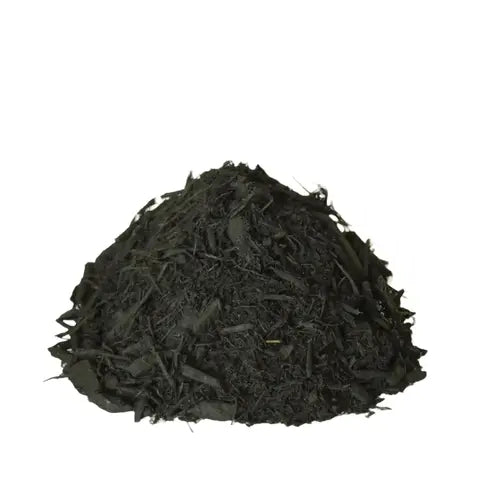
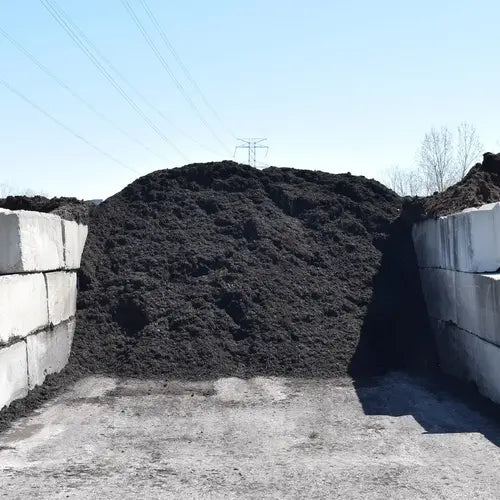
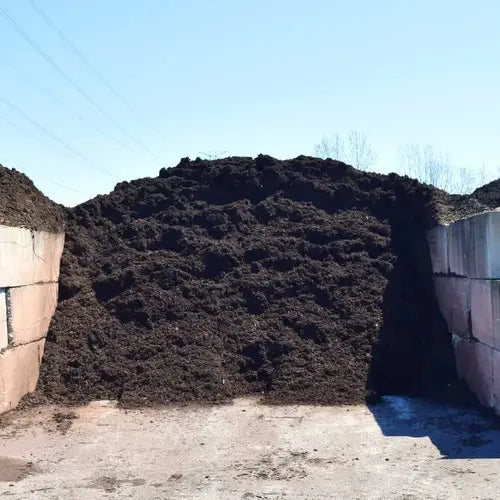
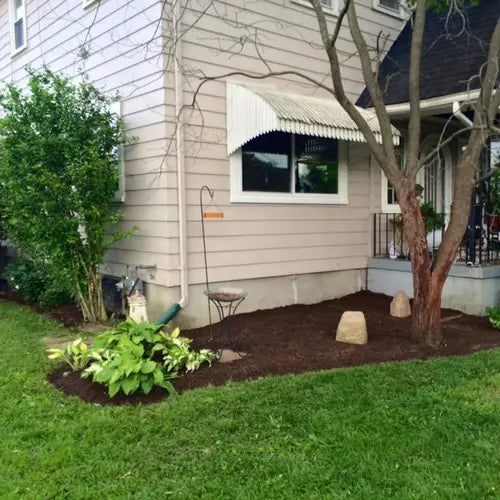
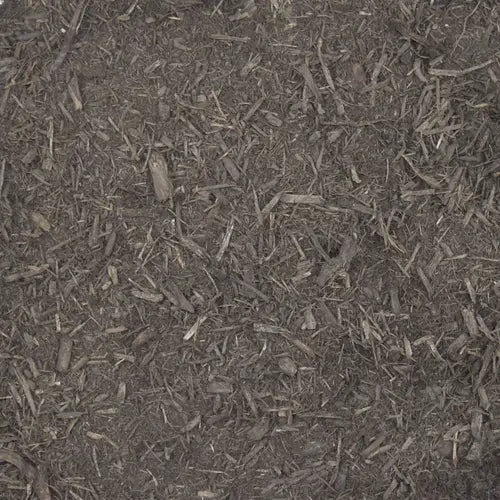
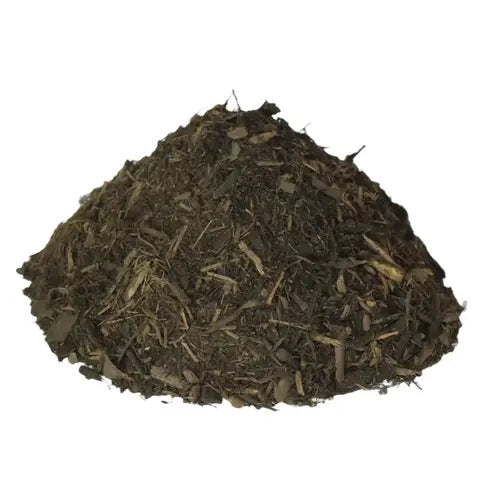
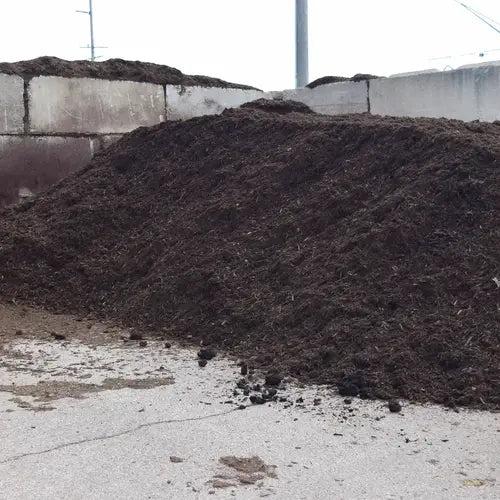
Ultra fine triple shredded mulch in deep black. The extra processing creates a velvety texture that settles perfectly flat for a manicured, high end finish.
I couldn't be happier with the speed and quality of the mulch delivery service of Mulch Mound. Every detail from ordering, to communication with on time delivery, to perfect product placement was amazing. I needed more and I got it within 2 hours! I'm never doing this with ba...
Tell us what you're looking for
Thanks! We received your request.
Something went wrong. Please try again.
How Much Material Do I Need?
For Sidney's clay loam soil, a 3-inch mulch layer provides the best balance of moisture retention and air circulation through the roots. Going thicker than 4 inches in Sidney's wetter spring season can hold excess moisture against plant crowns and contribute to root rot in beds where drainage is already slow.
Use our free mulch calculator
What is a yard?
A yard is approximately 27 cubic feet. As a general guideline, one yard of material can cover an area of about 100-160 square feet at a 2-3 inch depth.
We can't take orders for this right now. Tell us what you need and we'll get back to you.
What do you need?
Thanks! We received your request.
Something went wrong. Please try again.
Hand-picked local yards
4,000+ regional deliveries
Dedicated support
Why order through Mulch Mound
The best local mulch, without the guesswork.
We hand-pick and partner with the best yards in your region, keep only the ones our buyers rate well, and back each load with our guarantee.
Mulch Mound Guarantee
If your mulch isn't the quantity or quality you ordered, we'll make it right.
About this mulch
Ultra fine triple shredded mulch in deep black. The extra processing creates a velvety texture that settles perfectly flat for a manicured, high end finish.
I couldn't be happier with the speed and quality of the mulch delivery service of Mulch Mound. Every detail from ordering, to communication with on time delivery, to perfect product placement was amazing. I needed more and I got it within 2 hours! I'm never doing this with ba...
How Much Material Do I Need?
For Sidney's clay loam soil, a 3-inch mulch layer provides the best balance of moisture retention and air circulation through the roots. Going thicker than 4 inches in Sidney's wetter spring season can hold excess moisture against plant crowns and contribute to root rot in beds where drainage is already slow.
Use our free mulch calculator
What is a yard?
A yard is approximately 27 cubic feet. As a general guideline, one yard of material can cover an area of about 100-160 square feet at a 2-3 inch depth.
I couldn't be happier with the speed and quality of the mulch delivery service of Mulch Mound. Every detail from ordering, to communication with on...
Read full review
I couldn't be happier with the speed and quality of the mulch delivery service of Mulch Mound. Every detail from ordering, to communication with on time delivery, to perfect product placement was amazing. I needed more and I got it within 2 hours! I'm never doing this with bags again.
We had a great experience today. This was our first time using Mulch Mound, and I found the price competitive and the online ordering very easy. ...
Read full review
We had a great experience today. This was our first time using Mulch Mound, and I found the price competitive and the online ordering very easy. We are impressed with the quality of the mulch, too! It is covering well - a great value!
To estimate your mulch needs for Sidney beds, measure the length and width of each bed in feet and multiply to get square footage. Divide that number by 100 for a 3-inch depth, which is the recommended application for clay loam soil in Sidney. Order slightly more than your calculation suggests, since uneven bed edges and tight planting areas consistently use more material than a simple flat calculation shows.
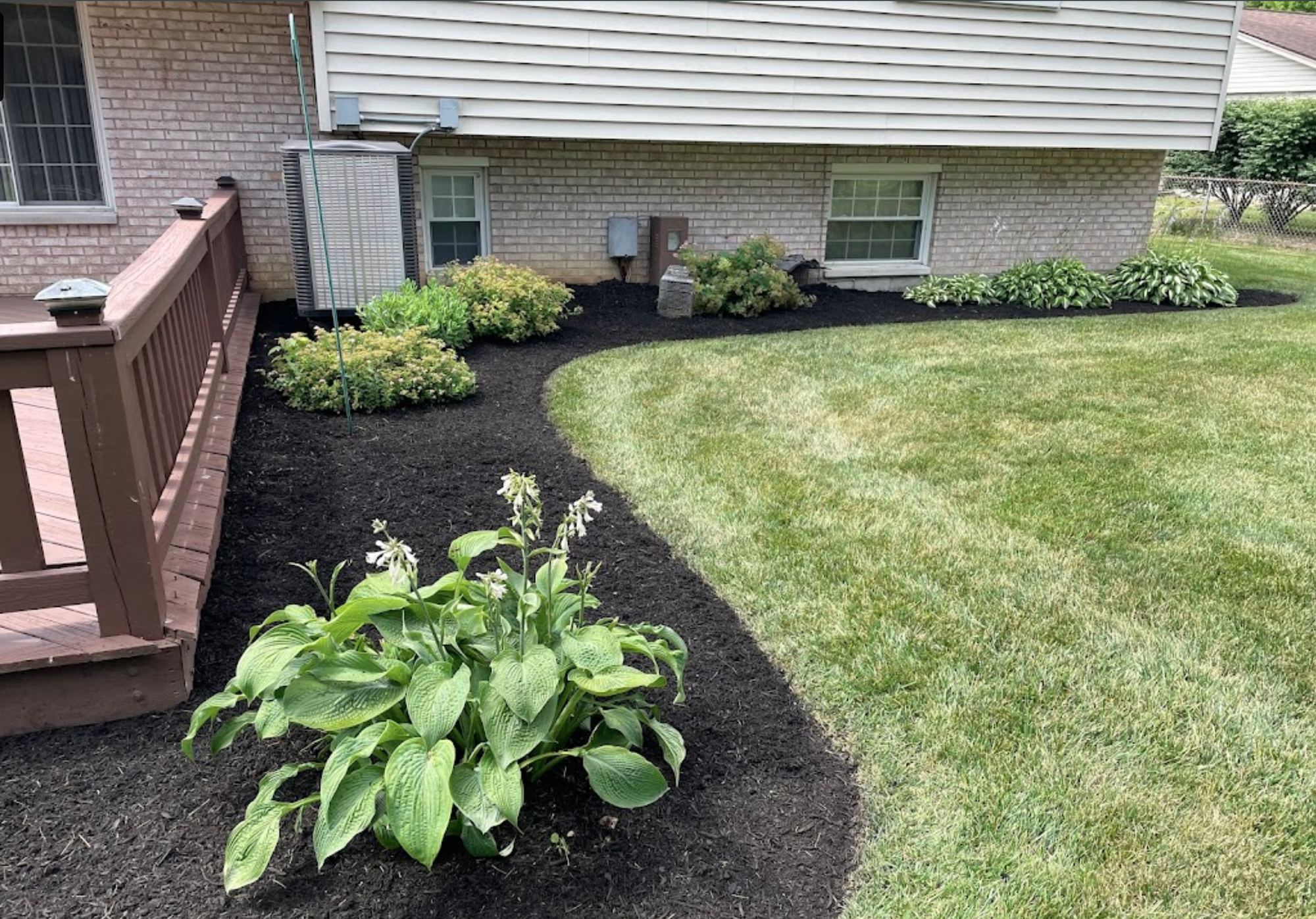
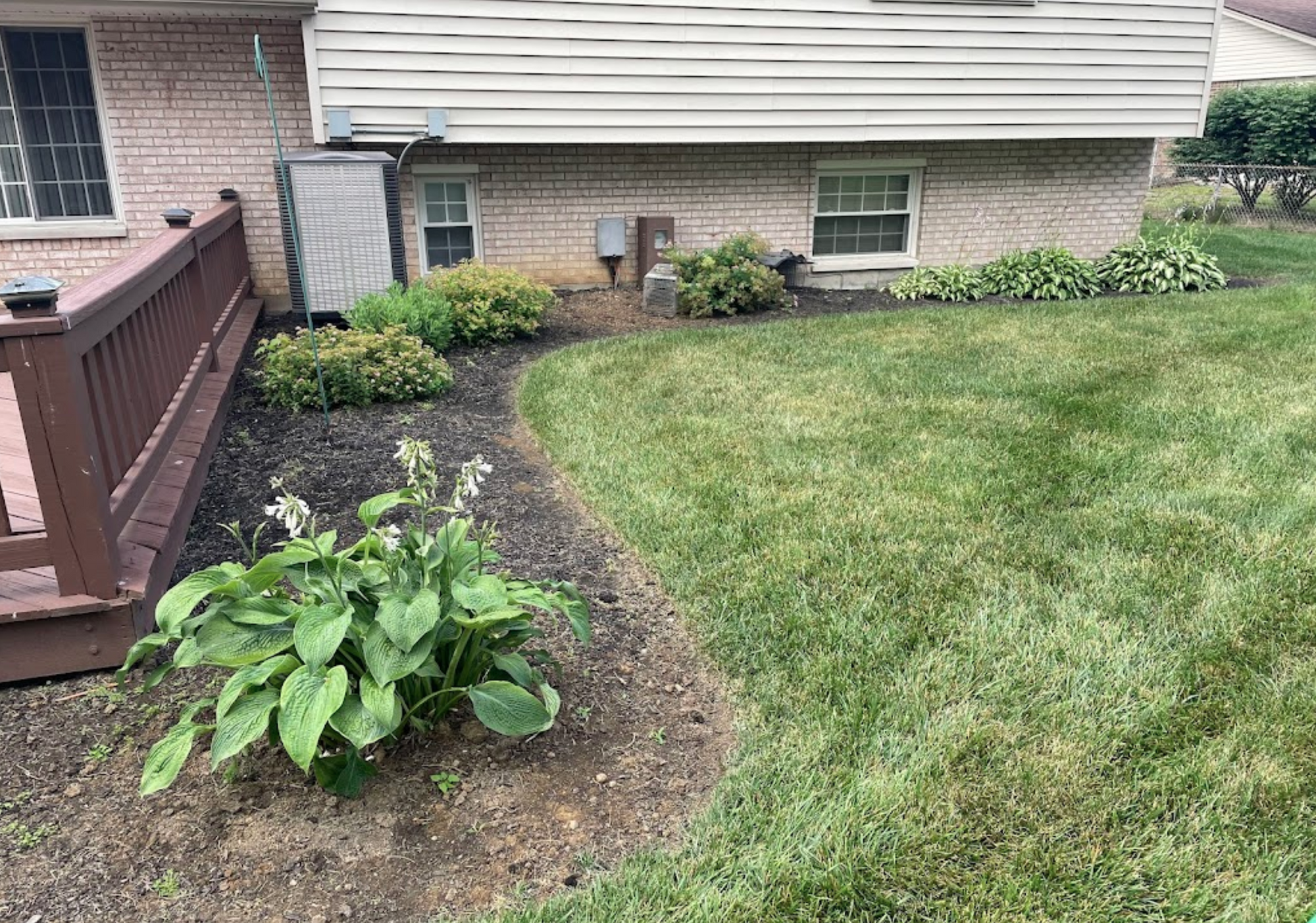
Mulch vs. No Mulch: The Difference
Sidney's combination of moderate annual rainfall and warm summers means that natural hardwood mulch breaks down at a steady pace, feeding your clay loam soil with organic matter each season. Dyed or colored mulch uses the same wood base but carries a colorfast coating that slows decomposition slightly, meaning you get longer visual appeal but a more gradual soil benefit. Choosing between the two in Sidney often comes down to whether your priority is long-term soil improvement or consistent curb appeal through the full growing season.
Before
After
Best Mulch Choice for Sidney Lawns
Most yards in the Sidney area sit on Clay Loam type of soil. Sidney's clay loam soil can form a hard, cracked crust at the surface during dry summer spells, making it difficult for plant roots in flower beds to access water and nutrients. A consistent mulch layer prevents this crusting by shielding the soil surface from direct sun and reducing evaporation between Sidney's rain events.
Hardwood Mulch
Hardwood mulch is particularly well-suited for Sidney's clay loam beds because it breaks down into fine organic particles that bind with clay and open up pore space over time. Each season of decomposition works to improve the soil structure below the mulch layer, making the beds more workable, better draining, and more productive with every annual application.
Mulch Types We Deliver in Sidney
For homeowners and landscapers looking for bulk mulch delivery in Sidney, Mulch Mound brings fresh material by the cubic yard right to your property. This part of west-central Ohio has clay-heavy soils and warm summers that make mulching essential for moisture retention and root protection. We deliver by the yard so you get exactly what your project needs, no overbuying required.
Dyed Black Mulch
Triple shredded to an ultra-fine, velvety texture, Dyed Black Mulch creates a deep, high-contrast backdrop that makes flowers and greenery stand out. It suits Sidney homeowners who want a sharp, manicured look around foundation beds and walkways. The fine cut settles perfectly flat and holds its rich color well through hot Ohio summers.
Dyed Brown Mulch
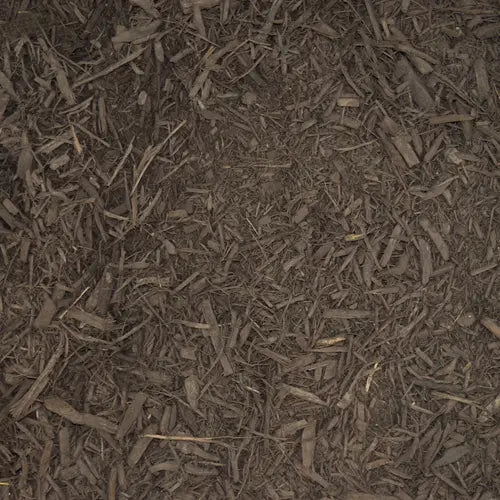
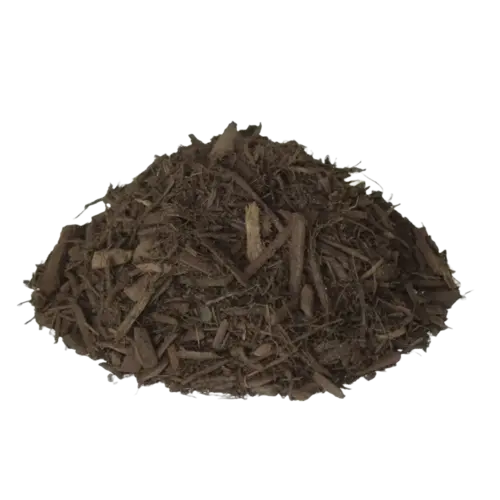
Triple shredded for an exceptionally fine, uniform texture, Dyed Brown Mulch brings rich, lasting color to any bed or border. The warm brown tone pairs well with the brick facades and neutral siding common on homes throughout this part of Ohio. It works beautifully for new installs and seasonal refreshes alike.
Natural Brown Mulch
Triple shredded for the smoothest possible finish, Natural Brown Mulch skips the dyes and lets warm, earthy tones speak for themselves. It is a smart choice for Sidney gardeners who prefer an organic look, especially around vegetable beds or native plantings where a natural appearance suits the surroundings best.
Complete Your Outdoor Mulch Project
Pair your mulch order with a premium topsoil or garden mix to refresh tired beds before mulching, giving plants a nutrient-rich base suited to Sidney's clay-heavy native soil. Decorative stone edging is also available for delivery alongside your mulch order and creates clean, defined borders that hold mulch in place during Sidney's heavier spring rain events.
Sidney's clay loam soil tends to compact along bed edges where foot traffic is heaviest, especially near walkways and driveways. Before spreading mulch, loosen the top 2 inches of soil along these edges with a garden fork. This allows the mulch layer to sit evenly and lets moisture from rain events penetrate rather than pool on the hardened clay surface.
Mulch Mound Pro Tip
With Sidney's last frost around May 14, resist the urge to mulch annual beds too early in spring. Mulch applied over cold, wet clay loam in April traps cold soil temperatures and delays germination by insulating the ground you actually want to warm. Wait until the soil has reached at least 50 degrees Fahrenheit before mulching around heat-loving annuals and vegetable beds.
Mulch Mound Pro Tip
Sidney receives around 40 inches of rain annually, with a significant portion falling during spring storm events that can displace fresh mulch from sloped beds. When mulching any area with a noticeable grade, use shredded hardwood rather than chip-style mulch. The interlocking fibers of shredded mulch resist washing and stay in place through the heavy downpours Sidney regularly sees from March through June.
Frequently Asked Questions
Click a question to see the answer
Answer
How much mulch do I need for my Sidney flower beds?
For most Sidney garden beds with clay loam soil, a 3-inch layer of mulch is ideal. Clay loam already holds moisture reasonably well, so going deeper than 4 inches can trap too much water around plant crowns during Sidney's wetter spring months. Measure the square footage of your beds and divide by 100 to get the approximate cubic yards needed for a 3-inch application.
Answer
When is the best time to apply mulch in Sidney?
The best window is just after the last frost, which typically falls around May 14 in Sidney. Mulching too early in spring can insulate cold soil and delay warming, which slows root development in clay loam that is already slow to warm. A second light top-dress in mid to late October, just before the first frost around October 3, helps protect perennial roots through the winter.
Answer
Will mulch actually help with my clay soil problem in Sidney?
Yes, and this is one of the most important benefits for Sidney homeowners working with clay loam. As hardwood mulch breaks down over time, it adds organic matter to the top layer of your soil, which gradually improves drainage and reduces surface compaction. Mulch also buffers the soil surface from heavy rain impact, which can seal clay loam and create runoff that washes nutrients away.
Answer
Does colored mulch hold up through Sidney summers or does it fade quickly?
Dyed mulches generally hold their color for one full season in Sidney's climate. The combination of 40 inches of annual rainfall and strong summer sun can fade color by late summer, so a fresh top-dress each spring keeps beds looking sharp. Triple-shredded dyed options tend to pack more tightly and resist fading longer than chip-style dyed products.
Answer
How often do I need to replace mulch on a Sidney property?
In Sidney's climate, most mulch breaks down noticeably within 12 to 18 months because of the wet springs and warm summers. We recommend adding 1 to 2 inches of fresh mulch each spring after the last frost date rather than removing and fully replacing the old layer. The decomposing base layer is actually beneficial because it feeds soil organisms and gradually improves your clay loam over time.
Answer
Is there a mulch type that works better with Sidney's clay loam soil than others?
Hardwood bark mulch is a strong choice for Sidney properties with clay loam soil. It breaks down slowly enough to provide season-long coverage while gradually contributing organic matter that loosens clay structure over multiple seasons. Avoid fine-textured mulches applied too thickly, as they can mat and prevent Sidney's 40 inches of annual rainfall from reaching plant roots effectively.
Answer
Can I mulch right up to my house foundation in Sidney, or do I need to leave a gap?
You should keep mulch at least 6 inches away from your foundation. Sidney's rainfall can saturate mulch piled against siding or brick, encouraging moisture damage and pest entry through the growing season. Pull mulch back from the foundation and consider a thin gravel border to redirect water away from the structure instead.
The Unique Landscape of Sidney
Sidney's clay loam soil creates a unique set of challenges for homeowners trying to maintain healthy plant beds through the growing season. During dry stretches of summer, clay loam bakes and crusts at the surface, making moisture retention critical for shrubs and perennials. With 40 inches of annual rainfall spread unevenly through the year, Sidney gardens also experience periods of saturation that can suffocate roots without proper surface management. A consistent layer of mulch buffers these swings by keeping soil temperatures stable and slowing runoff across compacted clay surfaces. With the last frost typically landing around May 14, mulch helps warm garden beds gradually in spring so transplants establish without cold shock. Maintaining mulched beds in Sidney is not just about aesthetics, it is a practical response to the specific pressures this climate puts on plant root systems.