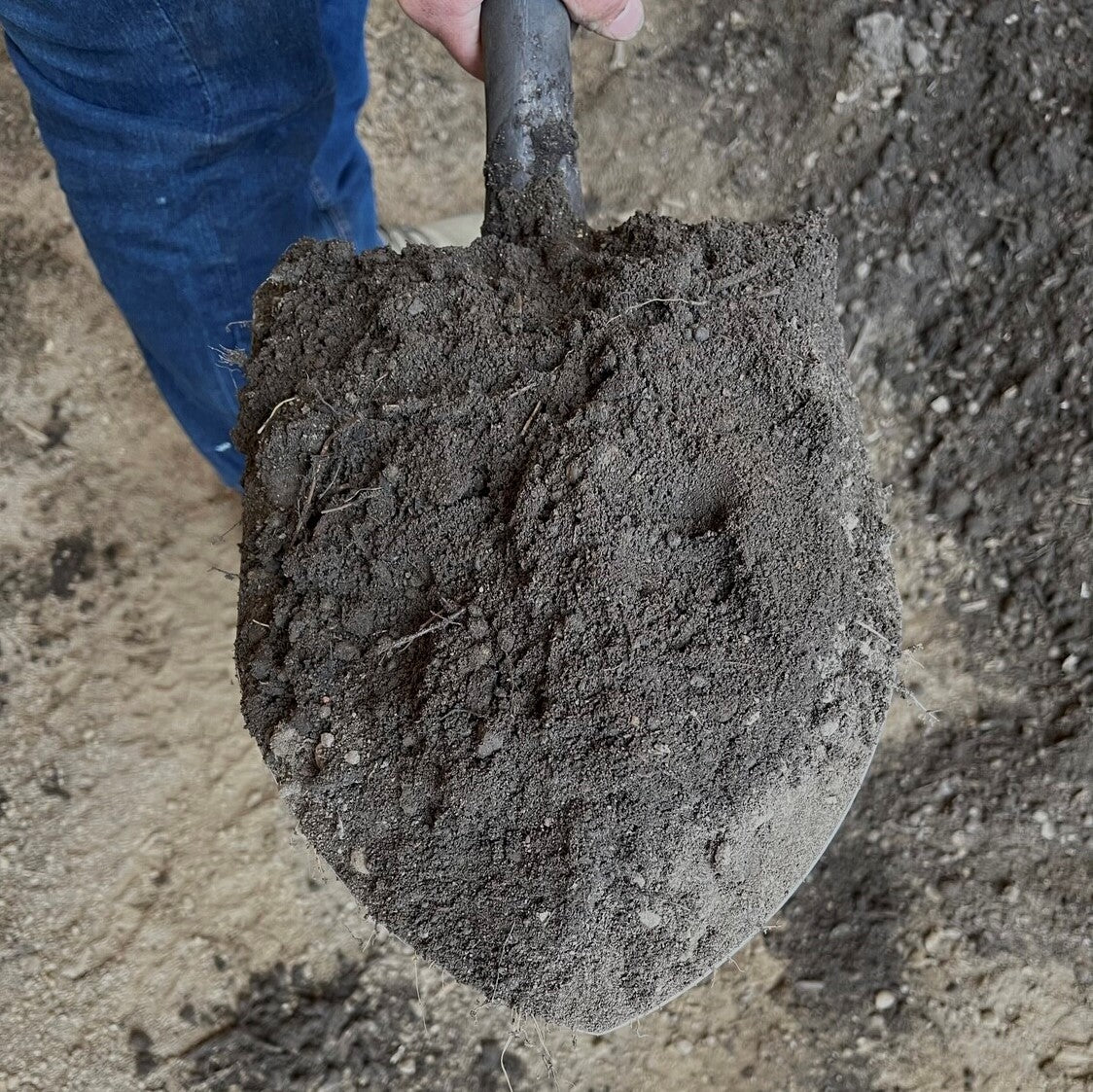
About this soil

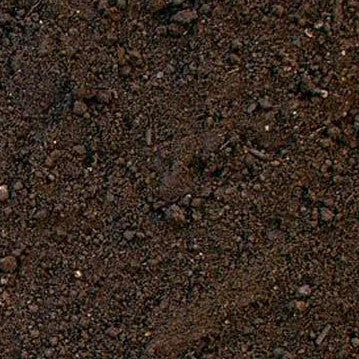
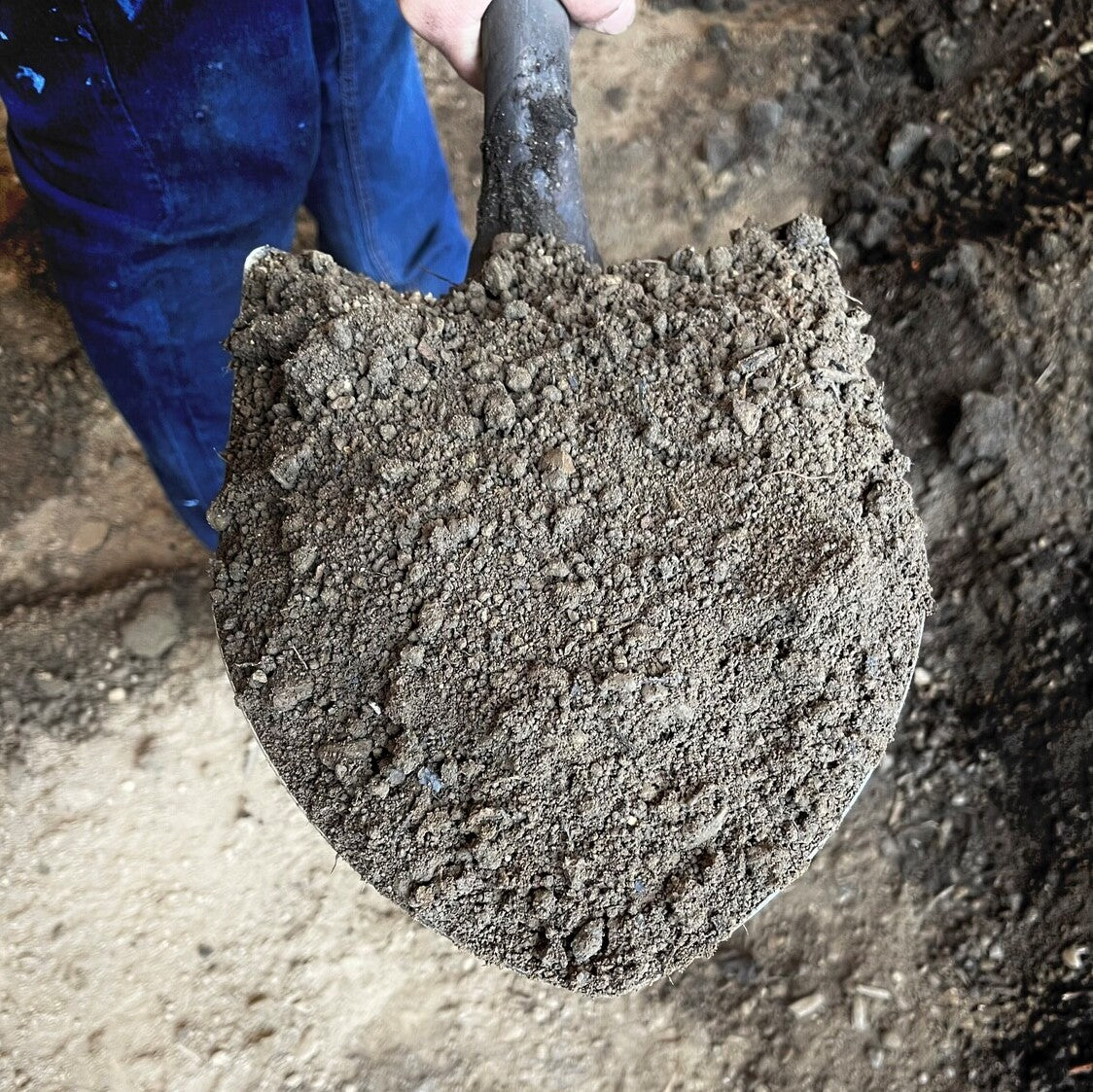
Quality topsoil for lawns, gardens, and landscape projects. Nutrient rich and ready to support strong root development and healthy plant establishment.

Great service. We ordered topsoil from Mulch Mound and the best experience. Thank you so much!

Sidney Soil Delivery

Sidney Soil Delivery

4.7
137 reviews
Regular price $67.00 per yard
Regular price Sale price $67.00
Sale Sold out
Type
Style
Minimum of 3
1 tree planted for every order

About this soil

Quality topsoil for lawns, gardens, and landscape projects. Nutrient rich and ready to support strong root development and healthy plant establishment.

Great service. We ordered topsoil from Mulch Mound and the best experience. Thank you so much!

For garden bed renovation in Sidney, plan on 4 to 6 inches of quality topsoil or garden mix to give roots a productive growing zone above the dense clay loam base. For lawn leveling, thinner applications of half an inch to 1 inch at a time prevent smothering existing grass and integrate better with Sidney's clay-heavy native soil structure.
Use our free soil calculator

A yard is approximately 27 cubic feet. As a general guideline, one yard of material can cover an area of about 100-160 square feet at a 2-3 inch depth.

View full details

How It Works

Getting started is easy — just follow these simple steps

1

Choose your soil

Make sure you adjust the quantity to your home's needs. You can use our calculator to estimate how much you'll need.

2

Select your delivery date

Select a delivery date you'd like for the product to be dropped off at your home

3

Sit back and wait

Sit back, wait, and let us work our magic to make sure the highest quality product is delivered to your driveway.

What Sidney Customers Like About Our Soil

4.7
out of 5 based on 137 reviews
Google Reviews

Need Help Calculating How Much Soil You Need?

Use our NEW Trace from Satellite tool to get an estimate for your project based on an aerial view of your property

Try Our Calculator
📍

To calculate topsoil needs for a Sidney project, measure your area in square feet and decide on your target depth in inches. Divide the square footage by 81 for a 4-inch layer or by 54 for a 6-inch layer to get the cubic yards you need to order. Sidney's clay loam base means you may need slightly more material than expected, since the native soil often needs to be loosened and blended into the new layer rather than simply covered over.

Complete Your Outdoor Soil Project

After filling your beds with fresh soil, top them with a layer of hardwood mulch to lock in moisture through Sidney's dry summer stretches and protect the new soil surface from crusting. Decorative stone borders around your refreshed soil areas also help define edges and reduce erosion during the heavy spring rain events that Sidney's clay loam cannot absorb quickly enough on its own.

Map of Sidney, Ohio

Areas We Deliver Soil in Sidney, Ohio

No cities found for this region.

See All Locations

Frequently Asked Questions

Click a question to see the answer

Answer

What kind of soil should I use to fix low spots in my Sidney lawn?

For leveling low spots in a Sidney lawn, screened topsoil is your best option. Sidney's clay loam base is dense, so using a screened mix that includes some organic matter blends more naturally with the existing grade than straight fill soil would. Apply it in layers no deeper than half an inch at a time over living grass so the existing turf can grow through it without smothering.

Answer

My Sidney garden soil feels like concrete by July. What is actually happening and how do I fix it?

That hardening is a classic sign of compacted clay loam, which is common across Sidney properties that have been worked for several years without amendment. Adding a layer of quality garden soil or compost-enriched topsoil each spring loosens the surface zone and gives roots room to expand. Combining fresh soil with a mulch layer over the beds keeps the surface from baking and re-compacting as quickly during the hot weeks of July and August.

Answer

How deep should I fill a raised bed in Sidney with new garden soil?

For a raised bed in Sidney, fill to at least 12 inches of quality garden mix to give vegetable roots a full productive zone before hitting the clay loam base below. Tomatoes, peppers, and most root vegetables grown in zone 6a conditions need that depth to thrive through Sidney's summer without becoming waterlogged or root-bound. A mix with good drainage built in is especially important given how wet and cool Sidney's springs can be before the last frost clears.

Answer

Can I use bulk topsoil to grade my Sidney yard for better drainage around the foundation?

Yes, and grading for drainage is one of the most practical investments a Sidney homeowner can make given the slow-draining nature of clay loam soil. Bringing in clean fill or topsoil to build a gentle grade away from the foundation or low areas keeps water moving during the heavy spring rain events Sidney regularly experiences. Aim for a slope of at least 1 inch of drop per foot away from structures to move water effectively off the property.

Answer

When is the best time of year to add new soil to Sidney garden beds?

Early spring, just after the ground thaws and before the last frost around May 14, is ideal for refreshing garden beds with new soil. This gives you time to work it in and let it settle before planting season begins in earnest. Fall is also a productive time, right after the first frost around October 3, so the soil can rest and integrate with the existing clay loam through Sidney's winter before spring planting.

Answer

How much topsoil do I need to establish a new lawn from scratch in Sidney?

For a new lawn in Sidney, plan on 4 to 6 inches of quality topsoil over the prepared clay loam base. The clay loam beneath is dense and limits root depth, so giving grass roots a quality layer to establish in first makes a significant difference in how the lawn performs through dry stretches and hard zone 6a winters. Calculate your square footage and divide by 81 to get cubic yards needed for a 4-inch depth.

Answer

Is bulk topsoil actually better than bags from a garden center for my Sidney project?

For any project larger than a few small pots or a single tiny bed, bulk topsoil is far more practical and cost-effective for Sidney homeowners. Bulk material is also typically fresher and less processed than bagged options, which means better texture, microbial activity, and workability for your clay loam beds. A single bulk delivery can cover large grading or bed prep projects that would require dozens of bags and multiple store trips to accomplish.

Mulch Mound Pro Tip

Before placing new topsoil over Sidney's clay loam base, use a tiller or garden fork to break up the top 2 to 3 inches of the existing soil first. This creates a transition zone where roots can move between the new material and the native clay without hitting a hard layer. Skipping this step often leads to water pooling right at the interface between old and new soil, which is a common problem on Sidney properties.

Mulch Mound Pro Tip

Sidney's growing season runs from roughly mid-May to early October, giving you about 20 weeks of productive growing time before the first frost. When filling raised beds, choose a garden mix that includes finished compost rather than plain topsoil alone. Compost-enriched mixes warm up faster in spring, which is critical for getting the most out of the narrow window between Sidney's last frost on May 14 and the heat of early summer.

Mulch Mound Pro Tip

Drainage is one of the most persistent issues for Sidney homeowners working with clay loam throughout the year. When using bulk topsoil for grading projects, make sure the final surface slopes gently away from your home on all sides before you consider the job complete. Even a modest slope of 1 inch per foot can move a significant volume of water during a heavy rainfall event, protecting your foundation and reducing standing water that Sidney's clay soil would otherwise hold for days.

The Unique Landscape of Sidney

Sidney's native clay loam soil presents real challenges for homeowners trying to grow healthy lawns, vegetable gardens, or new landscape beds throughout the season. While clay loam holds nutrients reasonably well, it compacts easily under foot traffic and equipment, and it drains slowly enough that plant roots can suffer during Sidney's wetter spring weeks when saturation lingers. Bringing in quality topsoil or garden mix gives you immediate control over the growing environment in raised beds, leveled lawn areas, and new planting zones. Sidney's relatively short growing window, with the last frost around May 14 and the first frost as early as October 3, makes every week of the season valuable, so getting beds filled and ready with proper soil before the season starts matters. For any project where the existing clay loam is compacted, poorly draining, or simply exhausted from years of use, fresh topsoil delivers a meaningful upgrade that Sidney's native ground cannot provide on its own.