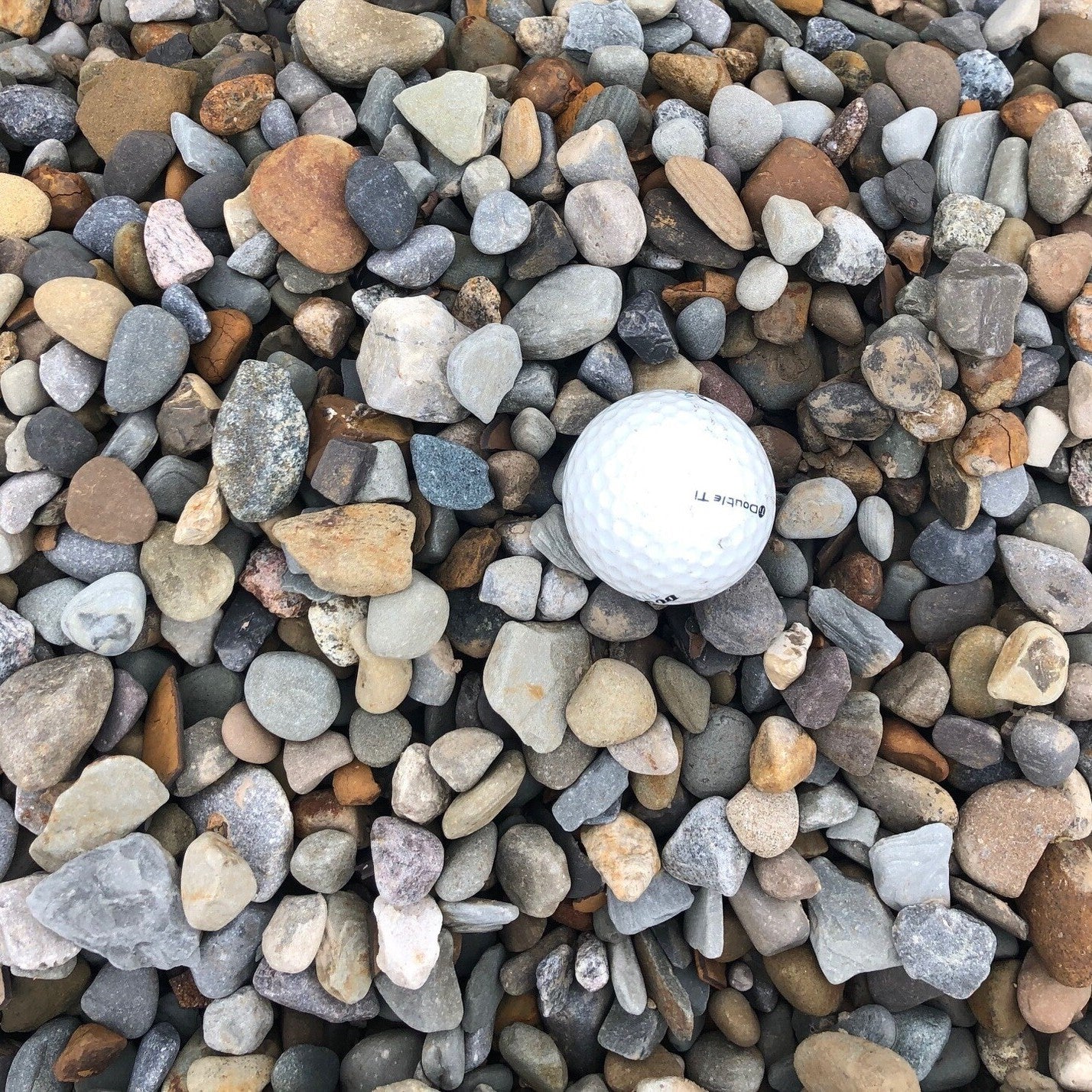
Number 57 crushed stone, angular limestone graded to about three quarters of an inch. The standard driveway, base and drainage gravel, it locks together under traffic and drains fast.
My experience with Mulch Mound was great and super easy. I ordered two yards of screened topsoil and was able to get it delivered within 2 days. They came in my requested time frame (afternoon) and dropped it off where I asked on my driveway. The topsoil was exactly what was a...
Tell us what you're looking for
Thanks! We received your request.
Something went wrong. Please try again.
How Much Material Do I Need?
For decorative coverage in Sidney landscape beds, 2 to 3 inches of stone provides full visual coverage and enough weight to stay put during heavy spring rain events. For driveways and pathways subject to vehicle traffic and Sidney's zone 6a freeze-thaw winters, 4 inches of crushed stone over a compacted base is the recommended minimum for lasting stability.
Use our free gravel calculator
What is a yard?
A yard is approximately 27 cubic feet. As a general guideline, one yard of material can cover an area of about 100-160 square feet at a 2-3 inch depth.
We can't take orders for this right now. Tell us what you need and we'll get back to you.
What do you need?
Thanks! We received your request.
Something went wrong. Please try again.
Hand-picked local yards
4,000+ regional deliveries
Dedicated support
Why order through Mulch Mound
The best local stone, without the guesswork.
We hand-pick and partner with the best yards in your region, keep only the ones our buyers rate well, and back each load with our guarantee.
Mulch Mound Guarantee
If your stone isn't the quantity or quality you ordered, we'll make it right.
About this stone
Number 57 crushed stone, angular limestone graded to about three quarters of an inch. The standard driveway, base and drainage gravel, it locks together under traffic and drains fast.
My experience with Mulch Mound was great and super easy. I ordered two yards of screened topsoil and was able to get it delivered within 2 days. They came in my requested time frame (afternoon) and dropped it off where I asked on my driveway. The topsoil was exactly what was a...
How Much Material Do I Need?
For decorative coverage in Sidney landscape beds, 2 to 3 inches of stone provides full visual coverage and enough weight to stay put during heavy spring rain events. For driveways and pathways subject to vehicle traffic and Sidney's zone 6a freeze-thaw winters, 4 inches of crushed stone over a compacted base is the recommended minimum for lasting stability.
Use our free gravel calculator
What is a yard?
A yard is approximately 27 cubic feet. As a general guideline, one yard of material can cover an area of about 100-160 square feet at a 2-3 inch depth.
My experience with Mulch Mound was great and super easy. I ordered two yards of screened topsoil and was able to get it delivered within 2 days. Th...
Read full review
My experience with Mulch Mound was great and super easy. I ordered two yards of screened topsoil and was able to get it delivered within 2 days. They came in my requested time frame (afternoon) and dropped it off where I asked on my driveway. The topsoil was exactly what was advertised, clean with no rocks or other debris. The price was reasonable. I plan to use them again in a couple weeks to order compost for my garden beds.
To estimate stone for a Sidney project, measure your area in square feet, multiply by your intended depth in inches, and divide by 324 to get cubic yards. For pathway and drainage projects in Sidney, it is smart to order slightly extra since stone settles into the clay loam surface over time and you may want to add a top-dress after the first winter freeze-thaw cycle shifts the material.
Stone Types We Deliver in Sidney
Homeowners and landscapers across this part of Ohio turn to us when they need reliable bulk stone delivery by the cubic yard, whether they are finishing a backyard patio or improving drainage in heavy clay soil. Our team delivers the material you need right to your property, so you pay for exactly what you use and nothing more. If you have been searching for bulk gravel by the yard in Sidney, you have found a simple and straightforward local option.
Pea Gravel
Pea gravel suits the ranch homes and newer builds common throughout this part of Ohio, blending natural earth tones with a smooth, rounded texture. It drains reliably through wet seasons, holds up in heavy clay soil, and works well along garden paths, around patios, and as a clean decorative ground cover.
Complete Your Outdoor Stone Project
Add amended topsoil-filled beds alongside your stone pathways to create visual contrast and give plants the productive growing environment Sidney's clay-heavy native soil cannot provide on its own. A layer of hardwood mulch in adjacent plant beds complements stone borders beautifully and helps manage moisture between the planted and hardscaped zones of your Sidney property.
Sidney's freeze-thaw cycles in late winter and early spring can cause stone pathways to become uneven as the clay loam ground beneath heaves and then settles. Before laying decorative stone, compact a base layer of crusher run or dense-grade aggregate to give the stone a stable platform that resists movement. This step takes extra time upfront but prevents the frustrating need to re-level your stone surfaces every spring after the ground thaws.
Mulch Mound Pro Tip
In Sidney's clay loam landscape, stone beds around trees and shrubs can reduce competition from weeds without the annual breakdown of organic mulch, giving you a truly low-maintenance planting zone. Choose a stone size of 1 to 2 inches for plant bed coverage, which is large enough to allow air and water to reach roots but heavy enough to resist displacement during Sidney's heavier spring rain events and occasional windstorms.
Mulch Mound Pro Tip
Stone is an excellent material for managing the surface runoff that Sidney's clay loam generates during wet periods when the ground cannot absorb rain fast enough. A dry creek bed made of river rock running through a low area of your yard can redirect excess water toward a street or drainage outlet while adding a natural design element that works through all seasons. Sized between 2 and 4 inches in diameter, river rock in a dry creek bed handles Sidney's spring rain volumes without washing out or requiring seasonal replacement.
The Unique Landscape of Sidney
Decorative and functional stone is one of the most durable landscape investments a Sidney homeowner can make, and it works especially well given the area's clay loam soil and its tendency to hold water near the surface. In Sidney, where heavy spring rains can saturate beds and turn unpaved paths into muddy tracks, stone provides a stable and permeable surface that handles water without washing away or breaking down. Stone also requires virtually no seasonal maintenance the way mulch or annual bed prep does, making it ideal for areas where a plant-free, low-effort solution fits the design. From decorative river rock in foundation borders to crushed limestone in drainage swales, stone can solve real functional problems that Sidney's clay-heavy native soil creates each wet season. At an elevation of 1003 feet, Sidney properties also experience freeze-thaw cycles that can displace lighter ground covers, while properly installed stone stays firmly in place through winter and spring. Whether the goal is a clean pathway, an erosion-resistant hillside, or a sharp decorative border, stone delivers lasting results that hold up year after year in Sidney's zone 6a conditions.
Frequently Asked Questions
Click a question to see the answer
Answer
What type of stone works best for drainage problems in my Sidney yard?
For drainage issues in Sidney's clay loam soil, washed river gravel or clean crushed stone in a half-inch to 1-inch size works well in dry creek beds and French drain trenches. The rounded edges of river gravel allow water to move through quickly, which matters when Sidney's spring rains hit clay soil that is already near saturation. Avoid very fine-grade stone for drainage applications, as it can compact and clog over time the way the native clay does.
Answer
How deep should I lay decorative stone for a walking path in my Sidney yard?
For a stable pathway in Sidney, lay stone to a depth of 3 to 4 inches over a compacted base. Because Sidney's clay loam can shift and heave during the freeze-thaw cycles common in zone 6a winters, a compacted gravel base beneath your decorative stone keeps the surface level through spring thaw. A 3-inch depth also keeps stone from sinking into soft clay after heavy rain events loosen the ground below.
Answer
Will stone help control erosion on the sloped areas of my Sidney property?
Stone is one of the most effective solutions for erosion control on slopes in Sidney. The 40 inches of annual rainfall, combined with the slow infiltration rate of clay loam, means sloped areas lose topsoil quickly during hard rain events throughout spring. A 3 to 4-inch layer of angular crushed stone or larger river rock on slopes holds the soil beneath in place and slows water velocity as it runs downhill toward lower areas of the yard.
Answer
What is the real difference between river rock and crushed stone for a Sidney landscape project?
River rock has smooth, rounded edges and is primarily used for decorative purposes, dry creek beds, and low-traffic areas in Sidney landscapes. Crushed stone has angular, irregular edges that lock together when compacted, making it better for driveways, pathways, and drainage applications where stability under load matters. For Sidney's clay soil, crushed stone is often the better functional choice because it resists shifting after rain saturates and softens the ground below.
Answer
Can I use stone instead of mulch in my foundation beds around my Sidney home?
Yes, and this is a popular choice for Sidney homeowners who want a low-maintenance option that holds up through the entire year without annual replacement. River rock or pea gravel in foundation beds eliminates the need for yearly mulch top-dressing and does not absorb and hold moisture against the foundation the way thick mulch can during Sidney's wet springs. Keep in mind that stone does not contribute organic matter to the soil, so plants in stone-covered beds may benefit from supplemental fertilization through the growing season.
Answer
How do I keep decorative stone from sinking into my Sidney yard over time?
Sinking is a very common issue with stone laid directly on Sidney's clay loam, which softens considerably after wet spring conditions. Installing a layer of landscape fabric beneath the stone and a thin compacted gravel base below that helps prevent migration into the clay over time. For areas that receive regular foot traffic, adding a 1-inch compacted layer of crusher run beneath your decorative stone gives you a stable foundation that resists shifting after Sidney's heavier rain events.
Answer
How much stone do I need for a gravel driveway on my Sidney property?
For a standard gravel driveway in Sidney, plan on 4 inches of crushed stone as your working surface layer. Given Sidney's clay loam base, which can become quite soft after extended wet periods in spring, a 4-inch depth provides enough stability to support vehicle weight without rutting or displacement. Measure your driveway length and width in feet, multiply together, and divide by 81 to get cubic yards needed for a 4-inch depth.
Answer
Is there a stone yard near Sidney?
A muddy garden path after heavy spring rain is a common Sidney headache, and crushed stone makes a firm, permeable fix. You don't need a stone yard or a drive out to a quarry for it, because Mulch Mound delivers crushed stone by the cubic yard and drops it right in your driveway.