




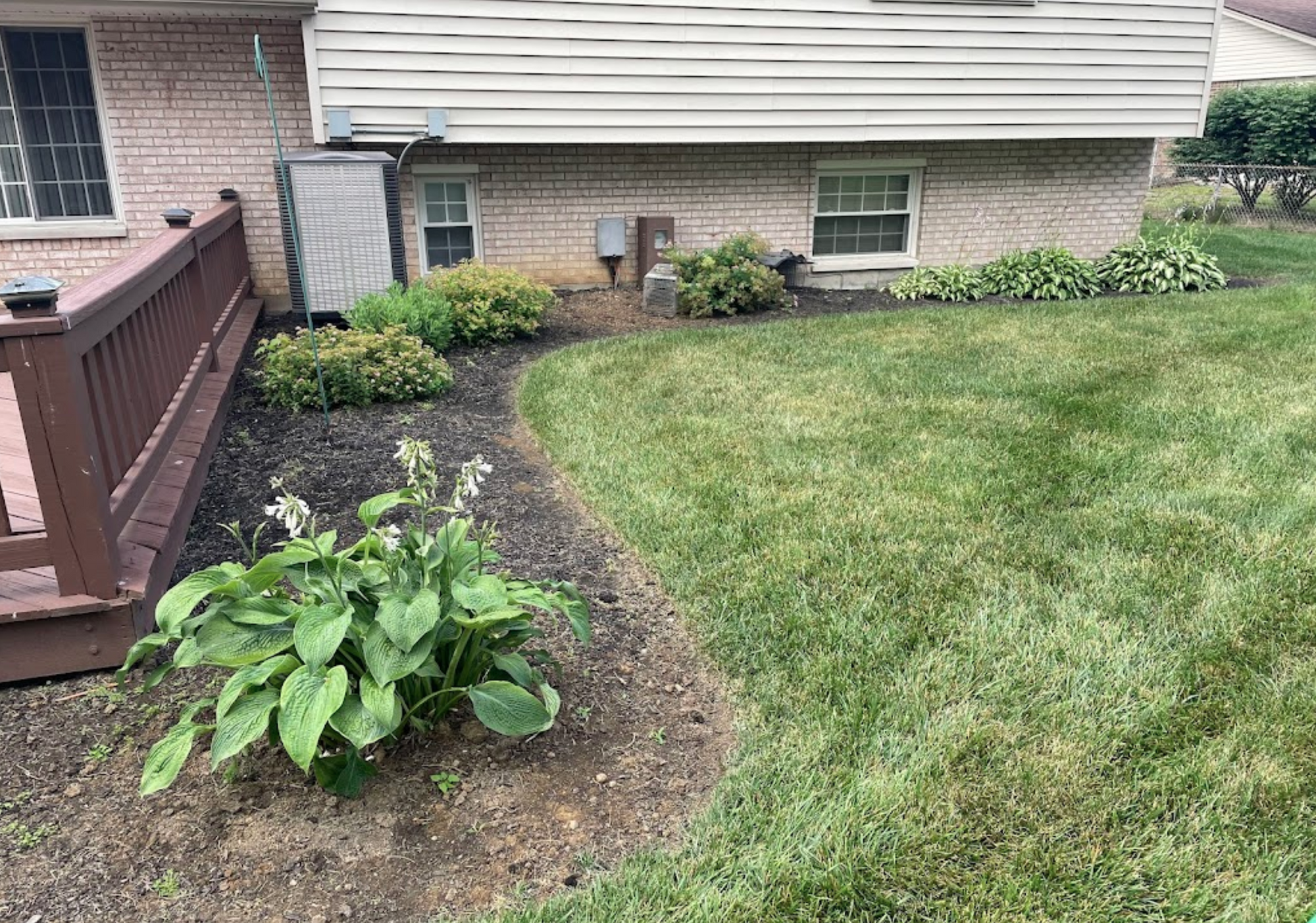
I am very happy with Mulch Mound service and with the triple shredded mulch. It looks great, and I would use them again.
About this mulch
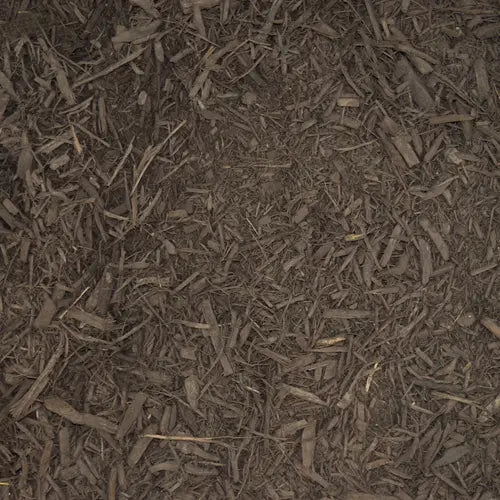
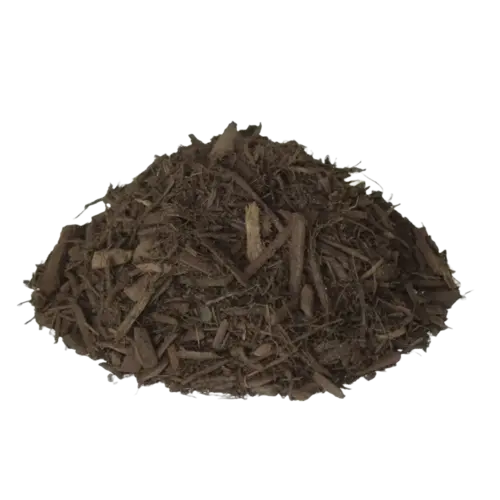
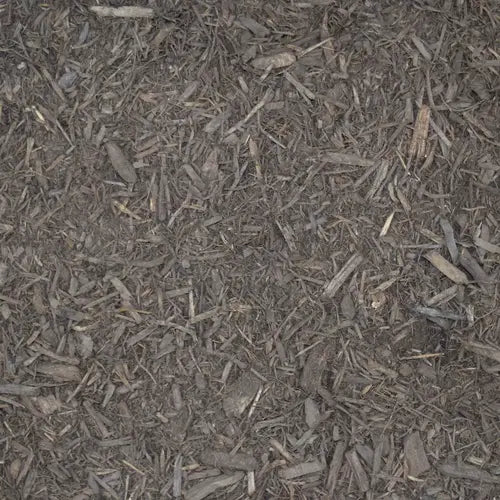
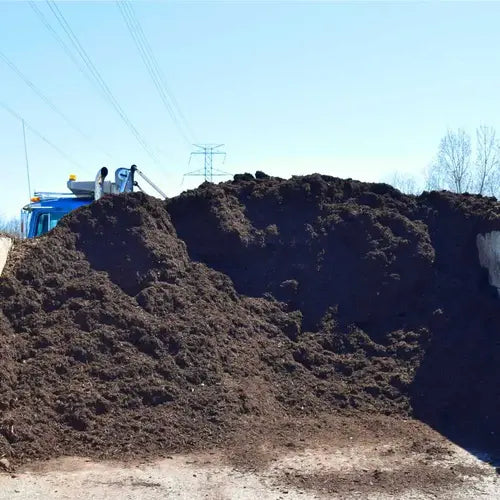
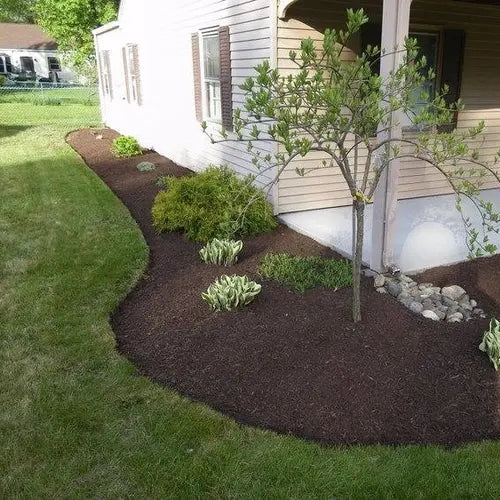
Warm brown double shredded mulch with lasting color that looks freshly applied for weeks. Spreads smooth, stays put, and gives beds a natural, polished appearance.
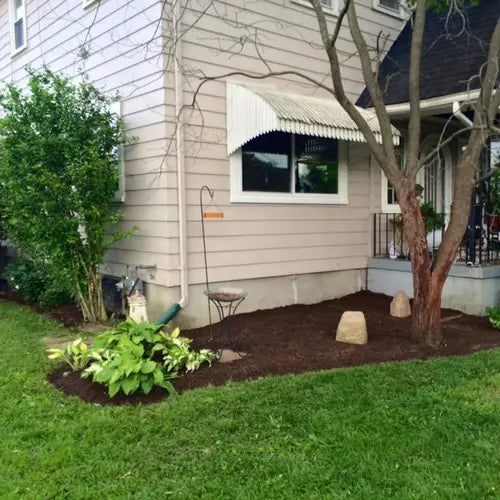
I am very happy with Mulch Mound service and with the triple shredded mulch. It looks great, and I would use them again.
Tell us what you're looking for
Thanks! We received your request.
Something went wrong. Please try again.
How Much Material Do I Need?
How Much Material Do I Need?
For South Yarmouth's fast-draining sandy outwash, plan for a minimum of 3 inches of mulch across all planting beds. Shallow applications simply cannot buffer moisture loss long enough to make a measurable difference in this soil type.
Use our free mulch calculator
What is a yard?
What is a yard?
FAQs
FAQs
South Yarmouth Mulch Delivery
South Yarmouth Mulch Delivery
Regular price
$64.00
per
yard
Regular price
Sale price
$64.00
Unit price
per
Shipping calculated at checkout.
Minimum of 3 yard
Couldn't load pickup availability
Not currently available
We can't take orders for this right now. Tell us what you need and we'll get back to you.
Hand-picked local yards
4,000+ regional deliveries
Dedicated support
Why order through Mulch Mound
The best local mulch, without the guesswork.
We hand-pick and partner with the best yards in your region, keep only the ones our buyers rate well, and back each load with our guarantee.
Mulch Mound Guarantee
If your mulch isn't the quantity or quality you ordered, we'll make it right.
About this mulch
Warm brown double shredded mulch with lasting color that looks freshly applied for weeks. Spreads smooth, stays put, and gives beds a natural, polished appearance.
I am very happy with Mulch Mound service and with the triple shredded mulch. It looks great, and I would use them again.
How Much Material Do I Need?
How Much Material Do I Need?
For South Yarmouth's fast-draining sandy outwash, plan for a minimum of 3 inches of mulch across all planting beds. Shallow applications simply cannot buffer moisture loss long enough to make a measurable difference in this soil type.
Use our free mulch calculator
What is a yard?
What is a yard?
FAQs
FAQs
Tell us what you're looking for
Thanks! We received your request.
Something went wrong. Please try again.
How It Works
Getting started is easy — just follow these simple steps
1
Choose your Mulch
Make sure you adjust the quantity to your home's needs. You can use our calculator to estimate how much you'll need.
2
Select your delivery date
Select a delivery date you'd like for the product to be dropped off at your home
3
Sit back and wait
Sit back, wait, and let us work our magic to make sure the highest quality product is delivered to your driveway.

Mulch Mound is an excellent supplier. My online ordering process was quick and easy and they stuck to their delivery date. Highly recommend!

They are thorough and very helpful to ensure the proper selection and delivery coordination. The driver was kind, respectful and very conscience no...
Read full review
They are thorough and very helpful to ensure the proper selection and delivery coordination. The driver was kind, respectful and very conscience not to damage anything. will recommend Mulch Mound to anyone.
Calculate mulch for your South Yarmouth project
For South Yarmouth's Sandy Outwash type of soil, we recommend 2-3 inches for best weed suppression and moisture retention
Try Our CalculatorMeasure the length and width of each bed in feet, multiply to get square footage, then multiply by your desired depth in inches and divide by 12 to find cubic feet. South Yarmouth's sandy outwash dries quickly, so err on the side of ordering slightly more than your minimum calculation to ensure you reach that 3-inch threshold across every bed. One cubic yard covers roughly 108 square feet at 3 inches deep.

Best Mulch Choice for South Yarmouth Lawns
Most yards in the South Yarmouth area sit on Sandy Outwash type of soil. Sandy outwash soil in South Yarmouth holds almost no organic matter on its own, which means plant beds struggle with both moisture retention and nutrient availability from the start. Adding a mulch layer that eventually breaks down into the soil surface is one of the few practical ways to gradually improve this substrate without a full bed replacement.
Hardwood Mulch
Hardwood mulch is particularly well suited to South Yarmouth's sandy outwash conditions because its decomposition process adds humus-like organic material directly to the soil surface over time. This slow accumulation improves the soil's ability to retain both moisture and nutrients, partially compensating for the naturally low organic content that makes sandy outwash such a difficult growing medium for most ornamental plants.
Mulch Types We Deliver in South Yarmouth
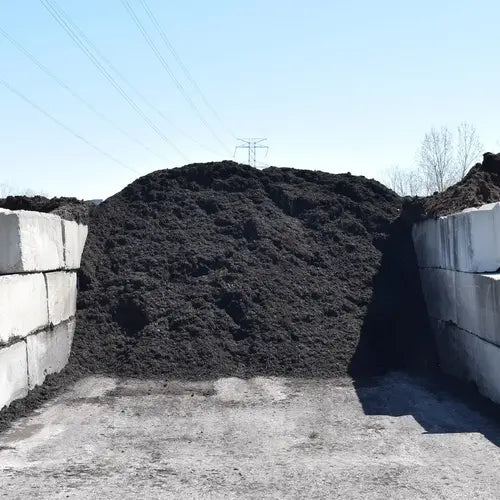
When you need bulk mulch delivery in South Yarmouth, Mulch Mound brings freshly loaded cubic yards straight to your driveway or job site. Cape Cod's sandy, porous soil benefits from a generous mulch layer that holds moisture, moderates temperature swings, and keeps weeds from taking hold. We carry dyed and natural options to suit the classic New England homes and cottage gardens common throughout this part of Massachusetts.
Dyed Black Mulch
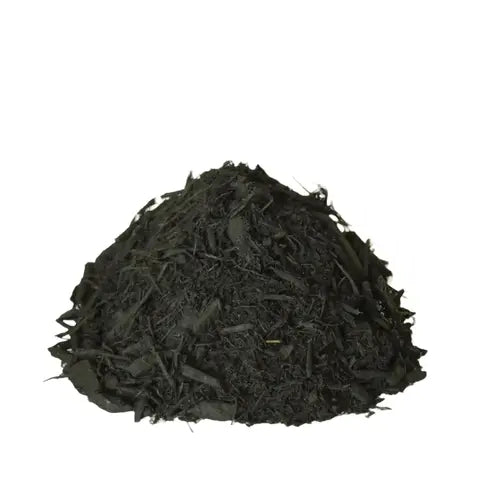
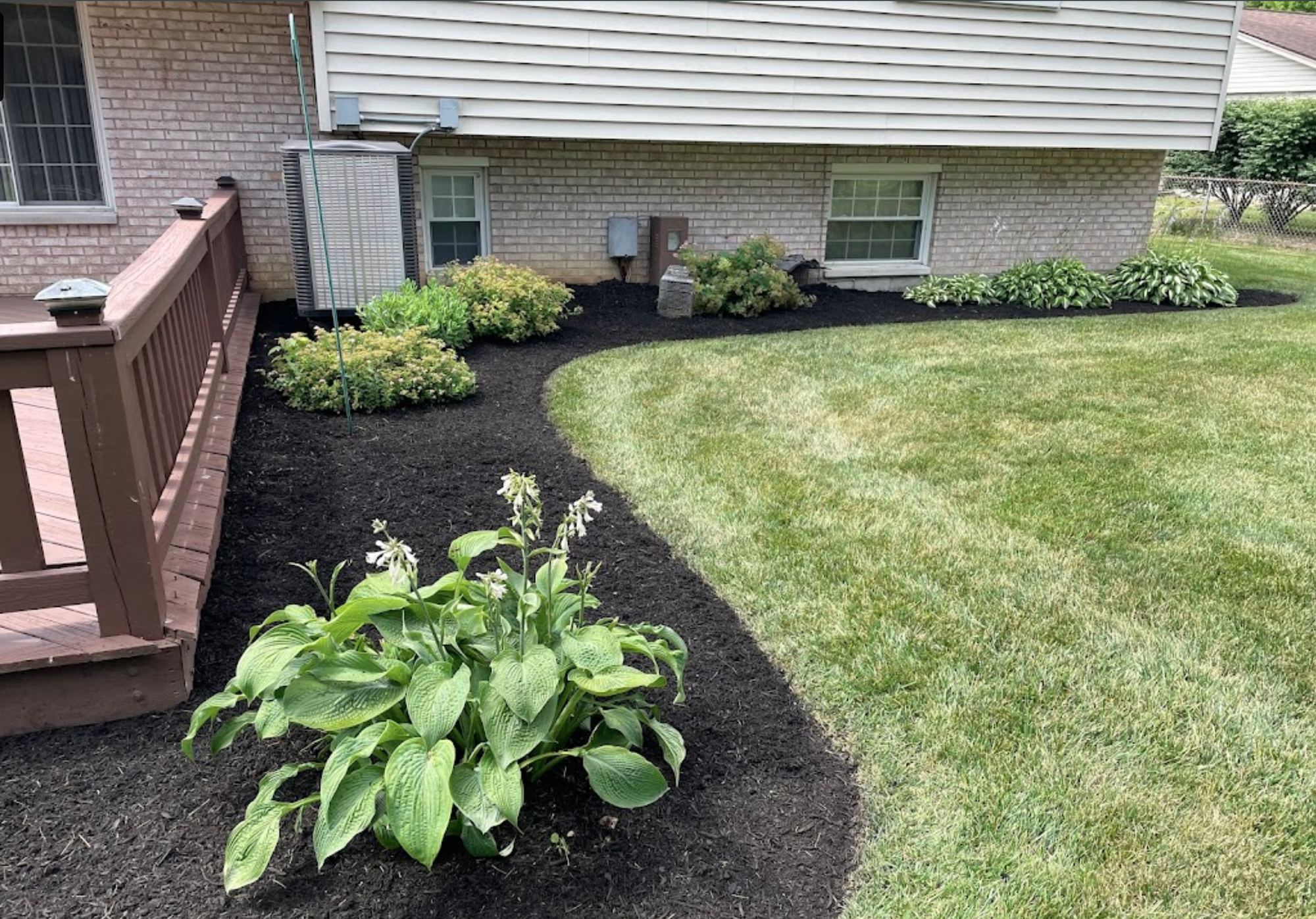
A bold choice for homeowners who want crisp, defined beds that stand out against pale siding or sandy garden paths common in coastal Cape Cod yards. Available in double shredded style, it spreads smoothly and holds its rich black color through the salt air and seasonal rain typical of this area.
Dyed Brown Mulch
Warm brown double shredded mulch suits Cape Cod homeowners who want a natural, tidy appearance with just enough color to define each bed. The dye holds through summer humidity and coastal breezes, and the smooth texture spreads evenly around perennials, shrubs, and the foundation plantings typical of this part of Massachusetts.
Natural Brown Mulch
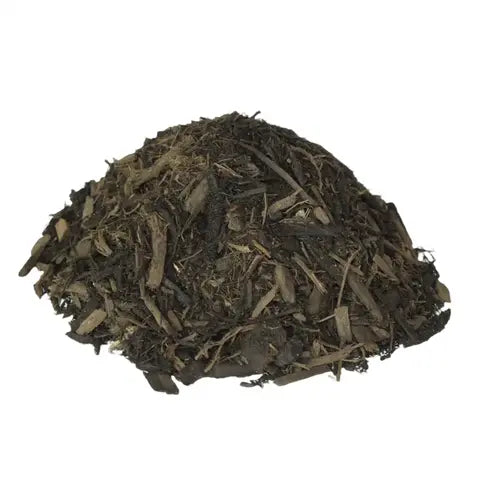
For gardens where an understated, organic look fits the landscape, this undyed double shredded mulch delivers a clean earthy tone that comes straight from the wood. It blends well with native plantings and traditional cottage gardens common across Cape Cod, and the workable texture makes spreading by hand or rake a simple task.
Complete Your Outdoor Mulch Project
If your beds have been depleted of organic matter from years of growing in sandy outwash, consider pairing mulch with a delivery of premium garden soil to build up the planting layer before you mulch over it. Decorative stone from our inventory also works well along bed borders in South Yarmouth, where it helps define edges and holds mulch in place during heavy Cape Cod rain events.


Service area
Areas we deliver mulch in South Yarmouth, Massachusetts
Mulch Mound Pro Tip
Sandy outwash soil in South Yarmouth loses nitrogen quickly as water passes through it, and fresh wood chip mulch temporarily ties up additional nitrogen during its early decomposition phase. To avoid stressing plants right after mulching, apply a slow-release granular fertilizer to bed soil before you spread the mulch layer. This gives roots access to nutrients during the period when both the sandy soil and the decomposing mulch are competing for the same limited supply.
Mulch Mound Pro Tip
South Yarmouth's growing season runs from roughly April 22 to November 7, giving you about six and a half months of active plant growth. Timed correctly, a spring mulch application keeps soil cool enough in June and July to prevent heat stress on perennials that prefer moderate root temperatures. Pulling mulch back a few inches from plant stems also reduces the slug and pill bug pressure that tends to peak during humid Cape Cod summers.
Mulch Mound Pro Tip
With 46 inches of annual rainfall, South Yarmouth receives enough precipitation that erosion in unprotected sandy beds is a real concern, particularly on any sloped areas near the coast. Mulch acts as a surface armor that absorbs raindrop energy before it can dislodge and transport sandy particles downhill. On slopes greater than a gentle grade, a shredded hardwood mulch with interlocking fibers holds position far better than a nugget or chunk product, which can float and redistribute during the heavier downpours Cape Cod sees in spring and fall.
The Unique Landscape of South Yarmouth
South Yarmouth's sandy outwash soil is the defining challenge for local plant beds, draining so aggressively that moisture disappears within hours of rainfall and leaving roots stressed even during the region's wetter stretches. A consistent layer of mulch acts as a buffer between the surface and that fast-draining substrate, slowing evaporation and giving roots more time to absorb water before it moves out of reach. With 46 inches of annual rainfall distributed unevenly across the season, mulch also prevents the light, loose particles of sandy outwash from washing away during heavier downpours. The mild Zone 7a winters here mean beds stay somewhat active through late fall, so maintaining mulch coverage right up to the November 7 first frost protects root zones longer than homeowners in colder inland towns need to bother with. Getting mulch depth right in South Yarmouth is less about following a generic rule and more about understanding how quickly this particular soil surrenders its moisture.