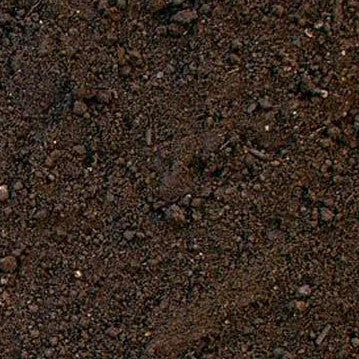
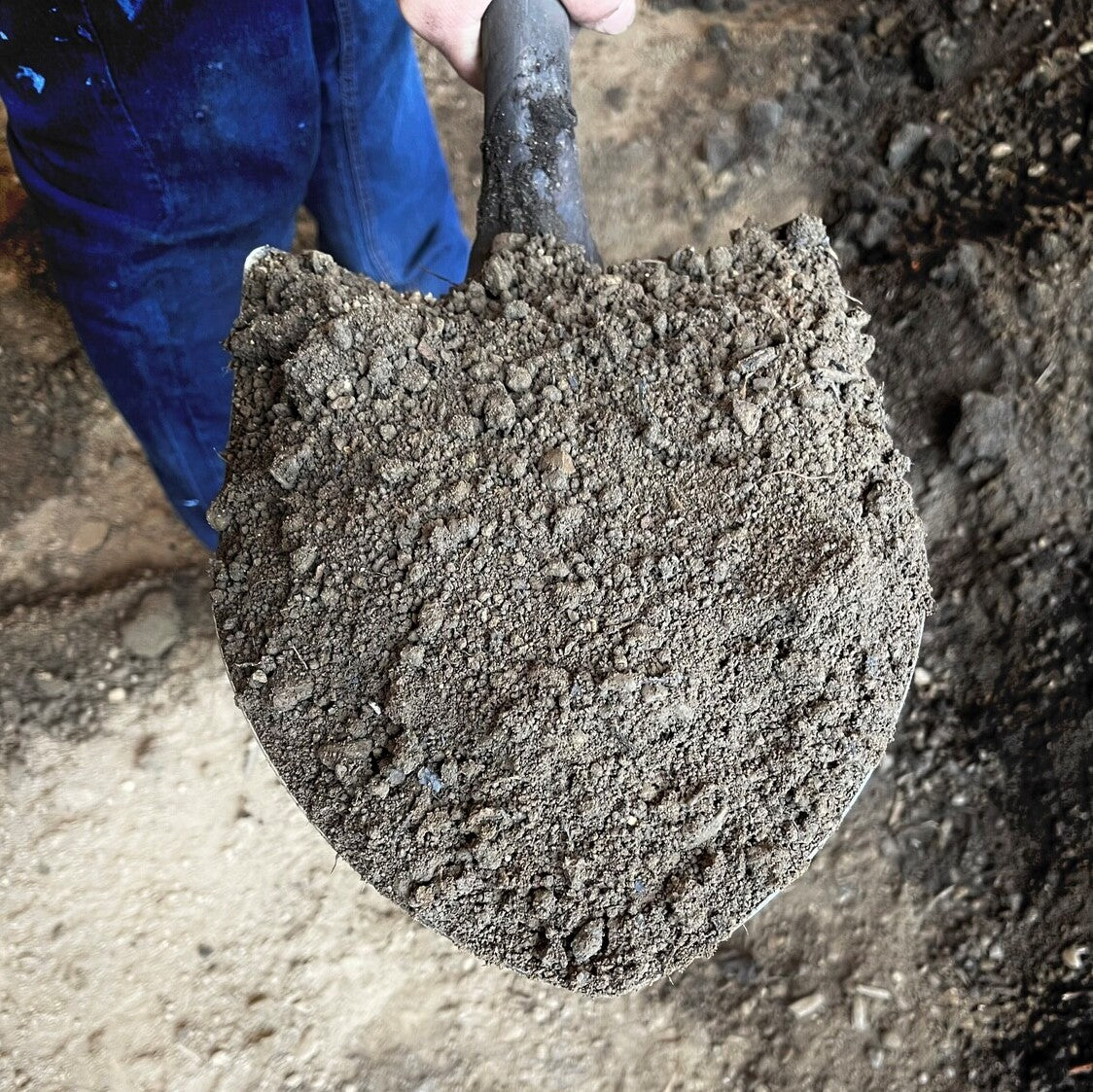
Quality topsoil for lawns, gardens, and landscape projects. Nutrient rich and ready to support strong root development and healthy plant establishment.
My experience with Mulch Mound was great and super easy. I ordered two yards of screened topsoil and was able to get it delivered within 2 days. They came in my requested time frame (afternoon) and dropped it off where I asked on my driveway. The topsoil was exactly what was a...
Tell us what you're looking for
Thanks! We received your request.
Something went wrong. Please try again.
How Much Material Do I Need?
For garden beds in South Yarmouth's sandy outwash environment, aim for at least 8 to 10 inches of quality soil depth to give roots adequate room before they reach the nutrient-poor native substrate. Lawn topdressing projects typically require half an inch to one inch of screened topsoil spread evenly over the repair area.
Use our free soil calculator
What is a yard?
A yard is approximately 27 cubic feet. As a general guideline, one yard of material can cover an area of about 100-160 square feet at a 2-3 inch depth.
We can't take orders for this right now. Tell us what you need and we'll get back to you.
What do you need?
Thanks! We received your request.
Something went wrong. Please try again.
Hand-picked local yards
4,000+ regional deliveries
Dedicated support
Why order through Mulch Mound
The best local soil, without the guesswork.
We hand-pick and partner with the best yards in your region, keep only the ones our buyers rate well, and back each load with our guarantee.
Mulch Mound Guarantee
If your soil isn't the quantity or quality you ordered, we'll make it right.
About this soil
Quality topsoil for lawns, gardens, and landscape projects. Nutrient rich and ready to support strong root development and healthy plant establishment.
My experience with Mulch Mound was great and super easy. I ordered two yards of screened topsoil and was able to get it delivered within 2 days. They came in my requested time frame (afternoon) and dropped it off where I asked on my driveway. The topsoil was exactly what was a...
How Much Material Do I Need?
For garden beds in South Yarmouth's sandy outwash environment, aim for at least 8 to 10 inches of quality soil depth to give roots adequate room before they reach the nutrient-poor native substrate. Lawn topdressing projects typically require half an inch to one inch of screened topsoil spread evenly over the repair area.
Use our free soil calculator
What is a yard?
A yard is approximately 27 cubic feet. As a general guideline, one yard of material can cover an area of about 100-160 square feet at a 2-3 inch depth.
My experience with Mulch Mound was great and super easy. I ordered two yards of screened topsoil and was able to get it delivered within 2 days. Th...
Read full review
My experience with Mulch Mound was great and super easy. I ordered two yards of screened topsoil and was able to get it delivered within 2 days. They came in my requested time frame (afternoon) and dropped it off where I asked on my driveway. The topsoil was exactly what was advertised, clean with no rocks or other debris. The price was reasonable. I plan to use them again in a couple weeks to order compost for my garden beds.
For raised beds and garden projects, measure the length, width, and planned depth of new soil in feet and multiply all three together to get cubic feet, then divide by 27 to convert to cubic yards. South Yarmouth's sandy outwash beneath your project area will absorb moisture from new soil rapidly, so watering new soil thoroughly after installation helps it settle and firm into a stable layer. Order slightly more than your calculation suggests to account for natural settling over the first few weeks.
Soil Types We Deliver in South Yarmouth
South Yarmouth sits on Cape Cod, where the native sandy, low-nutrient soil makes it challenging to grow healthy lawns and gardens without outside help. We deliver bulk topsoil by the yard in South Yarmouth so homeowners and landscapers can build up a proper growing base quickly and affordably. Orders arrive loose by the cubic yard, ready to spread the same day.
Screened Top Soil
A rich, fine-textured topsoil screened to remove stones and debris, making it easy to rake and grade. It blends well over the sandy native ground common throughout this part of Cape Cod, adding the organic matter and moisture retention that lawns, garden beds, and new plantings need to establish strong, healthy roots.
Complete Your Outdoor Soil Project
Topping finished soil beds with a layer of hardwood mulch immediately after installation helps South Yarmouth's sandy conditions retain the moisture your new soil needs to settle and support early plant growth. Edging beds with our decorative stone options also keeps imported soil from migrating into lawn areas during the Cape's heavier rain events.
Can I just amend my existing sandy outwash instead of bringing in new topsoil?
For small garden beds, amendment is possible but requires a significant volume of compost or organic matter to make a meaningful difference in South Yarmouth's sandy outwash. A general rule is to incorporate 3 to 4 inches of compost into the top 8 to 10 inches of soil, which is a substantial investment in both material and labor for larger areas. For vegetable gardens, raised beds filled with quality garden blend soil tend to outperform amended native sand by a wide margin in Zone 7a conditions, and they are far easier to maintain from one season to the next.
Answer
How much topsoil do I need to fix bare or patchy spots in my South Yarmouth lawn?
For lawn leveling and overseeding repairs on sandy outwash, a topdressing layer of about half an inch to one inch of screened topsoil is usually sufficient to fill low spots and give seed good contact with a richer growing medium. Thicker applications can smother existing grass, so work in thin layers if you are patching rather than starting from scratch. South Yarmouth's average last frost of April 22 means the best window for overseeding with a topdress is from late April through early June, while soil temperatures are climbing and before summer heat sets in.
Answer
What kind of soil works best for raised vegetable beds here on Cape Cod?
A blended garden soil with compost incorporated is the standard recommendation for raised beds in South Yarmouth's Zone 7a climate. The blend should drain well enough to prevent waterlogging during wet spring periods but hold enough moisture and nutrients to support vegetables through the drier stretches of July and August. Pure topsoil without compost often compacts too much in a raised bed context, while pure compost dries out too fast in Cape Cod's summer sun. A ratio of roughly 60 percent topsoil to 40 percent compost hits the right balance for most warm-season vegetables grown here.
Answer
Will new topsoil settle or shift when placed on South Yarmouth's sandy ground?
Some settling is normal wherever new soil is placed, but sandy outwash underneath does not compact the way clay or dense loam does, which means the boundary between new topsoil and existing sand can shift after rain. For grade work and lawn projects, place topsoil slightly higher than your target finish grade to account for settlement over the first few months. Watering the area thoroughly after installation helps soil particles settle into a more stable arrangement before you seed or plant into the surface.
Answer
I want to start a pollinator garden in my yard. Do I really need to bring in soil for that?
Many native pollinator plants actually prefer the lean, well-drained conditions of sandy outwash, so bringing in rich soil is not always necessary and can sometimes be counterproductive for natives like beach plum, bayberry, and wild lupine. However, if you are mixing natives with ornamental perennials, a shallow layer of garden blend in the top 6 to 8 inches of the bed improves establishment and reduces watering demands during the first growing season. By the second year, most established perennials adapted to Zone 7a can manage on native soil with a consistent mulch layer on top.
Answer
How early in spring can I have soil delivered and start working my garden here?
In South Yarmouth, the soil is generally workable in late March or early April, earlier than most of inland Massachusetts because of the Cape's moderating coastal influence on winter temperatures. The average last frost of April 22 means you can prepare beds with new soil well before planting day, giving the material time to settle and any amendments time to begin integrating with what is below. Avoid delivering or working soil that is still frozen, as heavy material on frozen sandy ground can create surface compaction that works against the structure you are trying to build.
Answer
What is the difference between fill dirt and topsoil, and which do I need for my South Yarmouth project?
Fill dirt is subsoil material without organic content, used to build grade, fill low spots, or create structural base layers beneath hardscape. It does not support plant growth on its own. Topsoil contains organic matter and the microbial activity that plants need to thrive, making it the right choice for any area where you intend to grow grass, plants, or vegetables. In South Yarmouth, where the native sandy outwash is already low in organic matter, using fill dirt near the surface of any planting area will produce very poor results. Use fill for depth and structural purposes, then cap with a quality topsoil layer at the surface.
Mulch Mound Pro Tip
South Yarmouth's growing season opens around April 22, but experienced gardeners use the weeks before that date to prepare beds with new soil so the material has time to settle before transplants go in. Freshly delivered topsoil benefits from one or two thorough waterings to help it knit together, particularly when it sits above the fast-draining sandy outwash that underlies most South Yarmouth properties. Pre-season prep means plants go into stable, settled ground rather than freshly loosened material that shifts underfoot.
Mulch Mound Pro Tip
Raised vegetable beds in South Yarmouth need at least 12 inches of quality soil depth to truly outperform the native sandy ground, and 18 inches is better for root vegetables like carrots and parsnips. The shallow depth of many prefab raised bed kits limits root exploration, especially once summer heat begins drying the upper soil layer. Deeper beds buffer temperature swings and hold moisture longer, reducing how often you need to water during the dry stretches that Cape Cod experiences through July and August.
Mulch Mound Pro Tip
In South Yarmouth, imported topsoil placed directly on native sandy outwash without any transition zone can develop a distinct boundary where water moves rapidly through the sand but lingers slightly at the interface with denser topsoil. Mixing the top few inches of native sandy soil with the bottom of your new topsoil layer before final grading reduces this layering effect and encourages root systems to move more naturally between old and new material. This blending step takes only a few extra minutes but produces noticeably better plant establishment over the first full growing season.
The Unique Landscape of South Yarmouth
South Yarmouth's native sandy outwash is the legacy of glacial activity that shaped Cape Cod thousands of years ago, and while it drains beautifully, it provides almost no structural support for nutrient-hungry garden plants. Organic matter content in this soil type is typically very low, which means vegetables, perennials, and even lawn grass often struggle to establish without amendment or a complete soil replacement in growing areas. Bringing in quality topsoil or garden blend is not a luxury here but a practical necessity for anyone trying to grow beyond basic native plantings adapted to lean, sandy conditions. The Zone 7a climate gives South Yarmouth a reasonably long growing season from late April through early November, but that advantage is wasted if plants are sitting in nutrient-poor sand with nowhere for roots to anchor. Grade work and lawn leveling projects also benefit greatly from imported soil, since fine sandy outwash shifts and settles unevenly after rain events. Understanding what your native soil cannot provide is the first step to building a yard that actually performs across the full Cape Cod growing season.
More delivery around South Yarmouth, Massachusetts