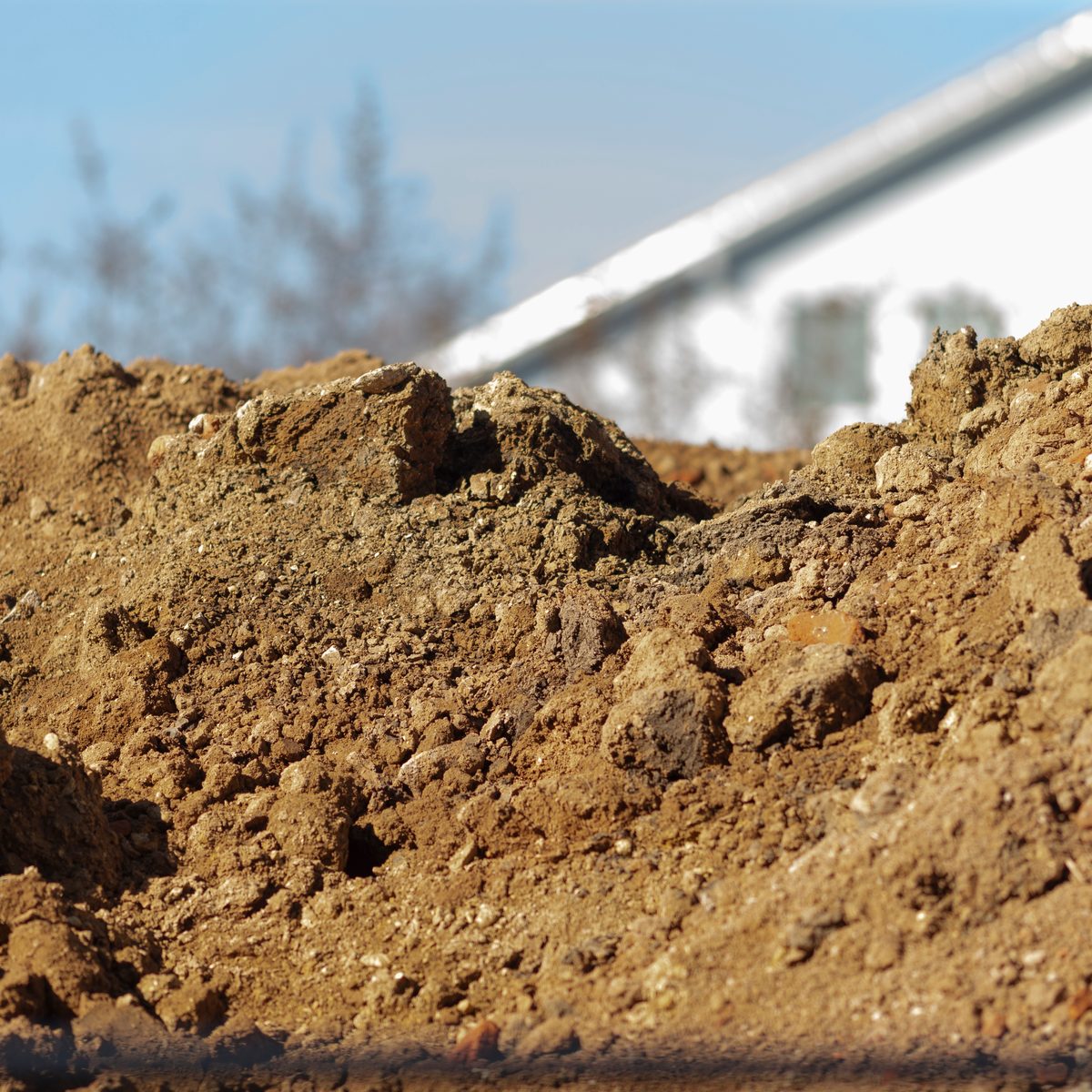
About this fill dirt

Screened fill dirt free of debris, for raising low ground and backfilling. Structural material, place it in lifts and compact as you go.

I recently ordered from mulch mound and was thoroughly impressed with every aspect of the experience. The entire process, from placing the order to delivery was seamless and efficient. The mulch arrived exactly on time, and the quality exceeded my expectations. The color was r...

One cubic yard of fill dirt covers about 54 square feet at a 6 inch depth, and most jobs run 6 to 12 inches depending on how much grade you need to make up. For a low spot or backfill area, measure the square footage and the depth you need, then size the order in cubic yards from there. Bigger regrading jobs around a foundation or pool deck often take several yards, so it helps to rough out the volume before you order.

A yard is approximately 27 cubic feet. As a general guideline, one yard of material can cover an area of about 100-160 square feet at a 2-3 inch depth.

Spartanburg Fill Dirt Delivery

Spartanburg Fill Dirt Delivery

4.7
137 reviews
Regular price $38.00 per Yard
Regular price Sale price $38.00
Sale Sold out
Shipping calculated at checkout.
Type
Size
Hand-picked local yards
4,000+ regional deliveries
Dedicated support
Why order through Mulch Mound

The best local fill dirt, without the guesswork.

We hand-pick and partner with the best yards in your region, keep only the ones our buyers rate well, and back each load with our guarantee.

Mulch Mound Guarantee

If your fill dirt isn't the quantity or quality you ordered, we'll make it right.

About this fill dirt

Screened fill dirt free of debris, for raising low ground and backfilling. Structural material, place it in lifts and compact as you go.

I recently ordered from mulch mound and was thoroughly impressed with every aspect of the experience. The entire process, from placing the order to delivery was seamless and efficient. The mulch arrived exactly on time, and the quality exceeded my expectations. The color was r...

One cubic yard of fill dirt covers about 54 square feet at a 6 inch depth, and most jobs run 6 to 12 inches depending on how much grade you need to make up. For a low spot or backfill area, measure the square footage and the depth you need, then size the order in cubic yards from there. Bigger regrading jobs around a foundation or pool deck often take several yards, so it helps to rough out the volume before you order.

A yard is approximately 27 cubic feet. As a general guideline, one yard of material can cover an area of about 100-160 square feet at a 2-3 inch depth.

View full details

How It Works

Getting started is easy — just follow these simple steps

1

Choose your quantity

Adjust the quantity to match your project. One cubic yard covers about 100 to 160 square feet at a 2 to 3 inch depth.

2

Select your delivery date

Select a delivery date you'd like for the product to be dropped off at your home

3

Sit back and wait

Sit back, wait, and let us work our magic to make sure the highest quality product is delivered to your driveway.

From The Mouths of Spartanburg Folks

4.7
out of 5 based on 137 reviews
Google Reviews

Complete Your Outdoor Project

Most fill dirt jobs finish with a layer of topsoil on top wherever grass, beds, or sod need to establish, since fill dirt itself is not meant to grow anything. If the finished area will see foot traffic or drainage work, a base of crushed stone underneath can help in the low, clay-heavy spots common around Spartanburg. Mulch or soil amendments come later, once the grade and growing layer are set.

Map of the fill dirt delivery area around Spartanburg, South Carolina

Service area

Areas we deliver fill dirt in Spartanburg, South Carolina

Mulch Mound Pro Tip

Do not dump a full order in one pile and call it done. Spread and compact fill dirt in 6 to 8 inch lifts, running a plate compactor or even repeated passes with a lawn roller over each layer before adding the next. Skip this step and Spartanburg's clay-heavy ground will let the fill settle unevenly for a year or two, showing up as dips near foundations or soft spots in a new pool deck long after the job looked finished.

Mulch Mound Pro Tip

The most common mistake is treating fill dirt as a planting soil. It is subsoil, screened of debris but stripped of the organic matter and structure that plants need. Once your grade is built up and compacted to the level you want, cap the top 4 to 6 inches with actual topsoil before seeding, sodding, or planting anything, otherwise you will fight poor drainage and weak growth in that spot for seasons.

Mulch Mound Pro Tip

Fill dirt is a volume material, so the real cost driver is how much you order versus how much you actually need, not the material itself. Measure twice before ordering, since under-ordering means a second delivery and over-ordering means leftover dirt with nowhere to go. If your project also needs topsoil or gravel, ordering them together can simplify scheduling even though each is priced separately.

Grading and Filling in Spartanburg

Spartanburg sits on heavy clay, and clay does not drain fast, which means low corners of a yard, spots near a foundation, or areas around a pool tend to stay soft or puddle after rain. Fill dirt gives you a structural base to bring those areas up to grade before anything else goes on top. Because the native soil already compacts slowly, getting fresh fill in and compacted in lifts matters more here than in sandier ground. This is a job material, not a growing medium, so plan on capping with topsoil wherever grass or plants need to take root.

What Clean Fill Is

Clean fill is screened subsoil free of debris, roots, and contaminants. It is made for volume and grade, and it compacts predictably, which is exactly what you want under slabs, in trenches, and behind walls.

Fill Dirt vs Topsoil

Fill dirt builds the shape of the ground, topsoil grows things on top of it. Bring the grade up with fill, then cap it with 4 to 6 inches of topsoil anywhere grass or plants are going in.

Compact in Lifts

Place fill in layers of 4 to 6 inches and compact each one before adding the next. Dumping the full depth at once leaves voids that settle later, and settling is the one problem fill is supposed to solve.

Frequently Asked Questions

Click a question to see the answer

Answer

Can I use fill dirt to fix low spots in my yard where water sits after rain?

Yes, that is one of the most common uses for it. Because Spartanburg's clay soil drains slowly, low spots tend to hold water, and building the grade up with compacted fill dirt, then capping with topsoil, is the standard fix. Just compact it in layers rather than piling it all at once, or it will settle and the low spot can return.

Answer

How many cubic yards of fill dirt do I need to fill in around a pool or foundation?

One cubic yard covers about 54 square feet at 6 inches deep, so measure the area's square footage and the depth you need to fill, then scale from there. A typical pool backfill or foundation regrade often runs several yards, since the area is bigger and the fill is usually needed at closer to 8 to 12 inches deep.

Answer

Do I need to compact fill dirt myself, or does it settle on its own?

You need to compact it yourself. Left alone, fill dirt settles unevenly over months or years, which is worse in clay-heavy ground like Spartanburg's where drainage is already slow. Spread it in 6 to 8 inch lifts and compact each one with a plate compactor or roller before adding more, especially near structures where uneven settling causes real problems.

Answer

Where will the delivery truck place the fill dirt, and what do I need to prepare?

The truck drops the load at the access point you specify at checkout, typically a driveway or the nearest clear spot to your project area. Make sure there is enough clearance for a full size delivery truck and that the drop zone is clear of cars, tools, or low branches. Delivery timing is scheduled at checkout, not guaranteed on the spot.

Answer

Should I order fill dirt or topsoil for my project?

It depends on what the area needs to do. Fill dirt is for building up grade, backfilling, and structural leveling, it is not meant to grow anything. Topsoil goes on top of fill dirt as the final layer wherever grass, plants, or sod need to establish. Most grading projects use both, fill for volume and structure, topsoil as the finish layer.

More delivery around Spartanburg, South Carolina

All Spartanburg, South Carolina landscape supply
