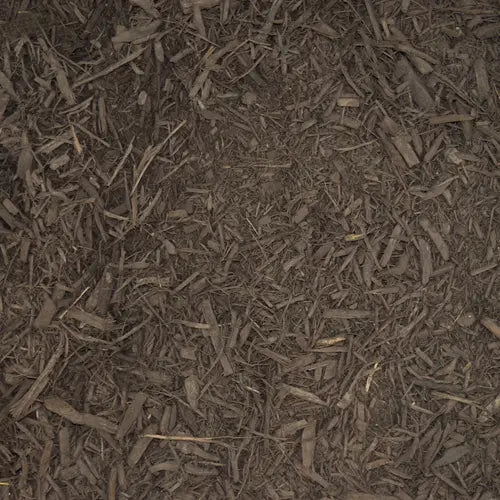
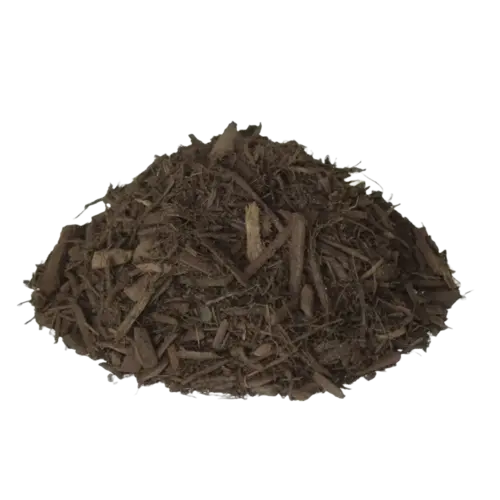
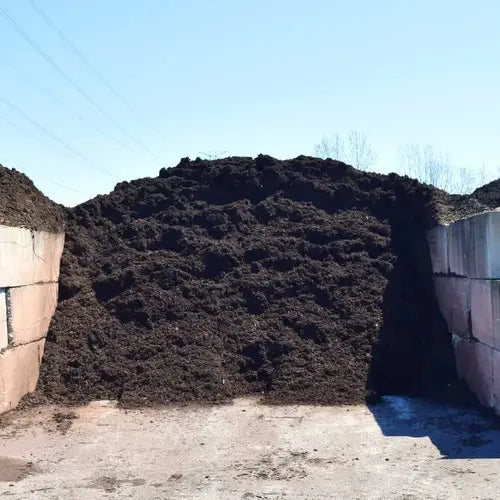
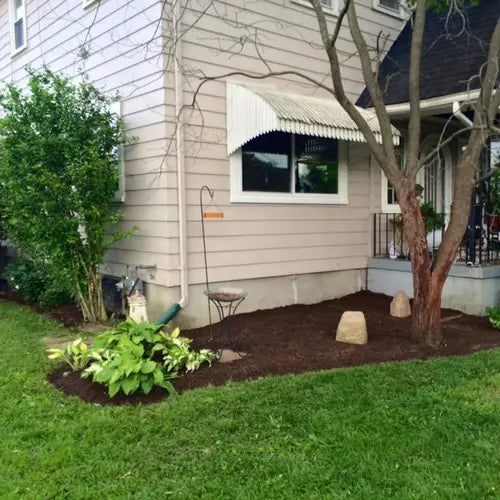
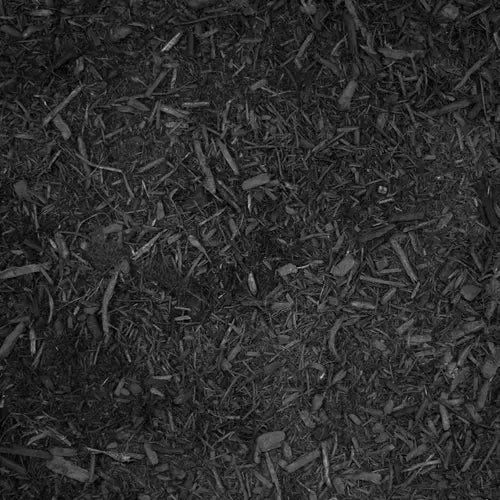
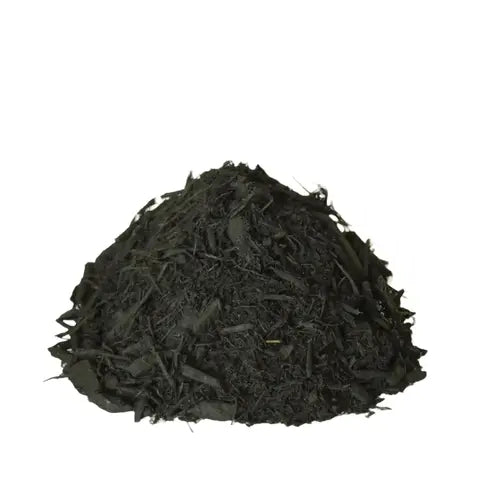
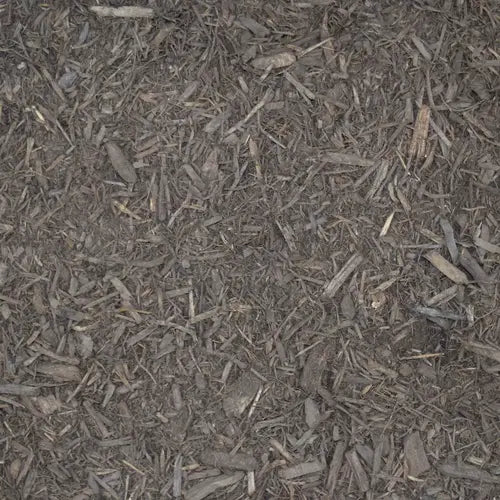
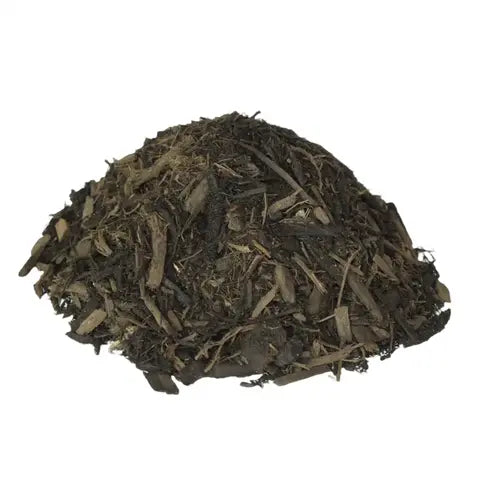
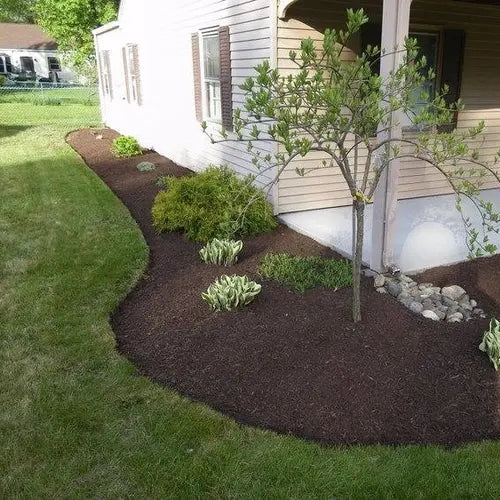
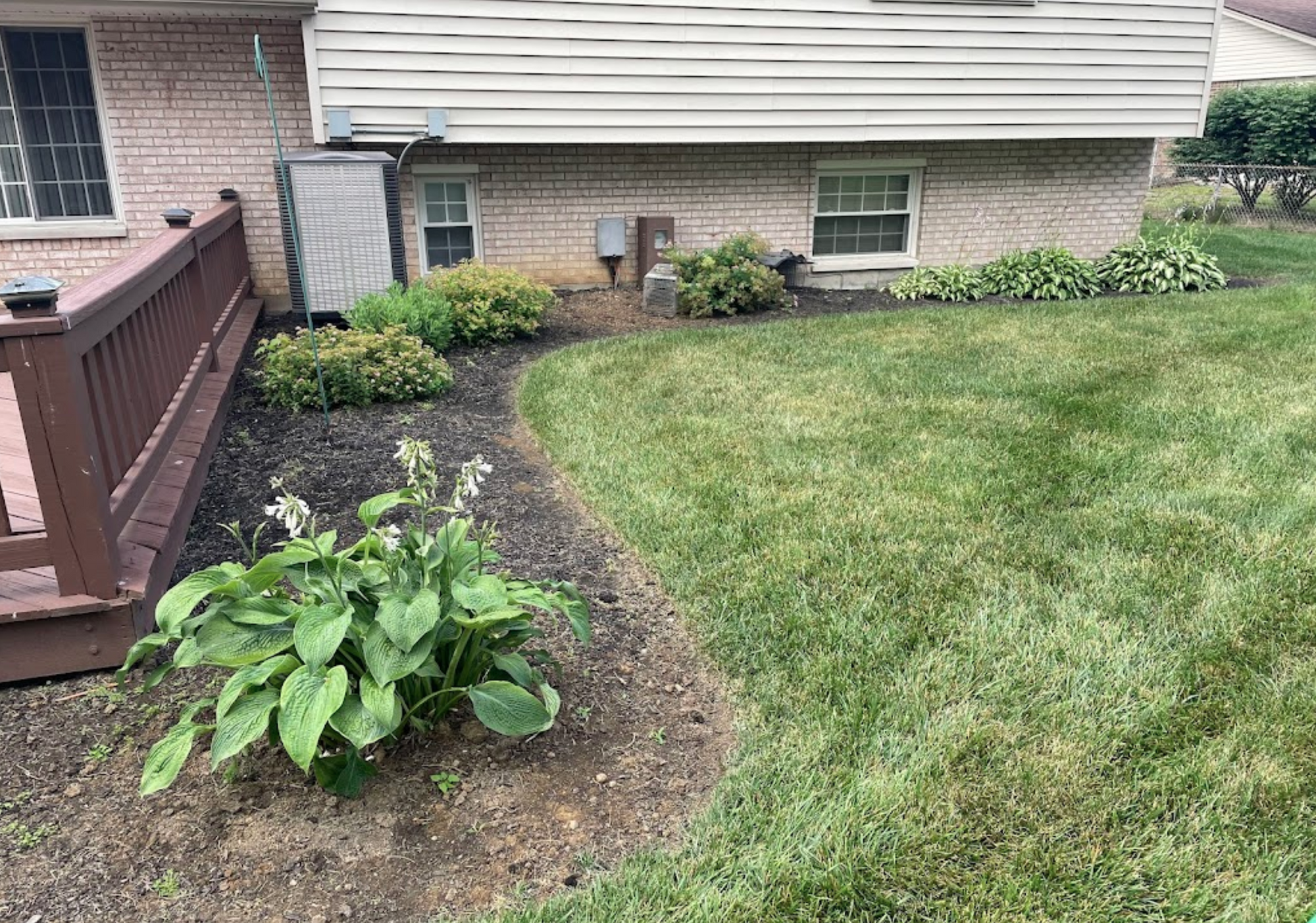
Warm brown double shredded mulch with lasting color that looks freshly applied for weeks. Spreads smooth, stays put, and gives beds a natural, polished appearance.
Mulch Mound made it so easy! So happy with the pricing, turn around time, delivery and product. I submitted my online order on a Thursday. The mulch was delivered to the designated location by a local landscape company at 8:30 a.m. the following Saturday morning. We had the...
Tell us what you're looking for
Thanks! We received your request.
Something went wrong. Please try again.
How Much Material Do I Need?
For Springfield's silty clay loam soil, a 2 to 3 inch mulch layer is ideal, providing weed suppression and moisture retention without over-saturating roots in slow-draining soil. Avoid going over 4 inches deep, especially in low-lying spots that tend to hold water after Springfield's heavy spring rains.
Use our free mulch calculator
What is a yard?
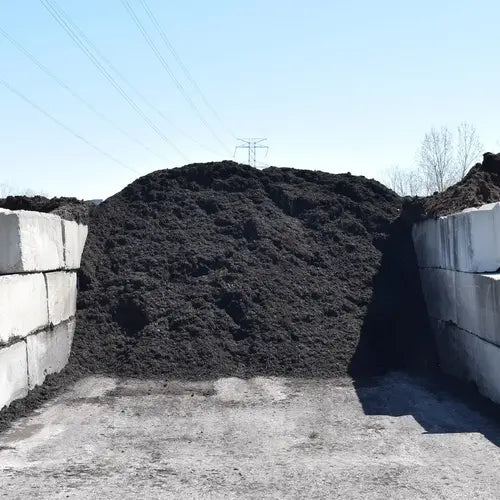
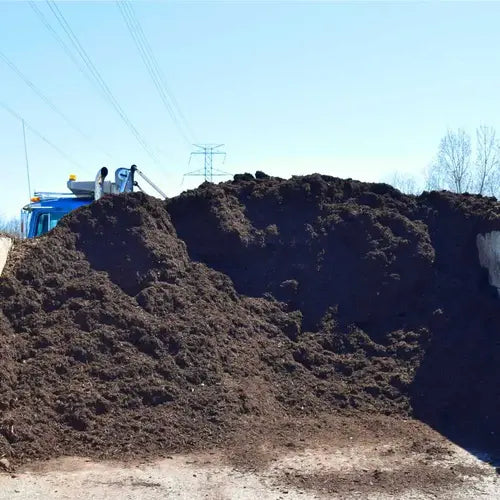
A yard is approximately 27 cubic feet. As a general guideline, one yard of material can cover an area of about 100-160 square feet at a 2-3 inch depth.
We can't take orders for this right now. Tell us what you need and we'll get back to you.
What do you need?
Thanks! We received your request.
Something went wrong. Please try again.
Hand-picked local yards
4,000+ regional deliveries
Dedicated support
Why order through Mulch Mound
The best local mulch, without the guesswork.
We hand-pick and partner with the best yards in your region, keep only the ones our buyers rate well, and back each load with our guarantee.
Mulch Mound Guarantee
If your mulch isn't the quantity or quality you ordered, we'll make it right.
About this mulch
Warm brown double shredded mulch with lasting color that looks freshly applied for weeks. Spreads smooth, stays put, and gives beds a natural, polished appearance.
Mulch Mound made it so easy! So happy with the pricing, turn around time, delivery and product. I submitted my online order on a Thursday. The mulch was delivered to the designated location by a local landscape company at 8:30 a.m. the following Saturday morning. We had the...
How Much Material Do I Need?
For Springfield's silty clay loam soil, a 2 to 3 inch mulch layer is ideal, providing weed suppression and moisture retention without over-saturating roots in slow-draining soil. Avoid going over 4 inches deep, especially in low-lying spots that tend to hold water after Springfield's heavy spring rains.
Use our free mulch calculator
What is a yard?
A yard is approximately 27 cubic feet. As a general guideline, one yard of material can cover an area of about 100-160 square feet at a 2-3 inch depth.
Mulch Mound made it so easy! So happy with the pricing, turn around time, delivery and product. I submitted my online order on a Thursday. The mu...
Read full review
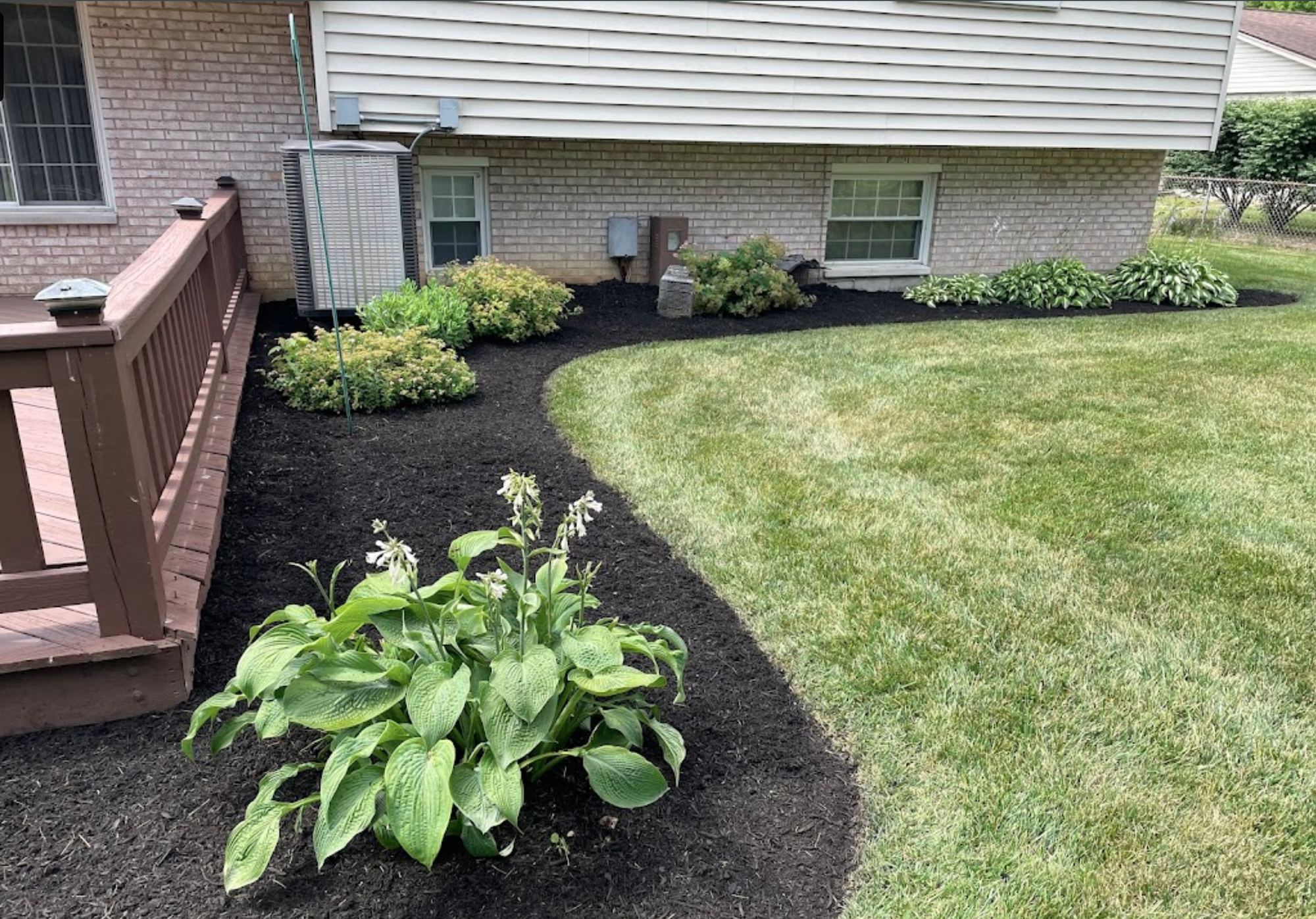
Mulch Mound made it so easy! So happy with the pricing, turn around time, delivery and product. I submitted my online order on a Thursday. The mulch was delivered to the designated location by a local landscape company at 8:30 a.m. the following Saturday morning. We had the job completed by that afternoon. We chose the natural brown mulch, and the plant beds are beautiful.
Good quality, great price, fast delivery. All online - no submitting forms and waiting for days for quotes. Getting mulch should be this easy fr...
Read full review
Good quality, great price, fast delivery. All online - no submitting forms and waiting for days for quotes. Getting mulch should be this easy from everyone. Only Mulch Mound is ACTUALLY this simple.
I highly recommend Mulch Mound. The quality of the mulch is very good. The ordering system on their website makes it very easy. The delivery driver...
Read full review
I highly recommend Mulch Mound. The quality of the mulch is very good. The ordering system on their website makes it very easy. The delivery driver did a great job placing the mulch on the driveway. To finish off, the pricing was very reasonable as well.
To estimate your mulch needs, measure the length and width of each bed in feet and multiply to get square footage, then use our calculator to find the cubic yards needed for a 2 to 3 inch depth. Springfield beds with silty clay loam soil tend to be denser than sandy soils, so you may find your mulch settles slightly less over the season than in lighter soil types. Ordering a little extra is always smart since you can use the surplus to top off thin spots after Springfield's spring rains have thinned your coverage.
Mulch vs. No Mulch: The Difference
Springfield's zone 6b climate brings hot, humid summers and cold winters that accelerate the breakdown of natural mulches, meaning you get faster soil improvement but may need to replenish more often than homeowners in warmer or drier regions. Dyed mulches use a hardwood base treated with colorfast pigments that resist fading through Springfield's intense summer sun and 38 inches of annual rainfall, giving you longer-lasting curb appeal with less frequent top-dressing. Natural mulch, while requiring a bit more maintenance attention, feeds Springfield's silty clay loam with organic matter each season and gradually improves both drainage and nutrient retention in a soil that benefits from every amendment it receives.
Before
After
Best Mulch Choice for Springfield Lawns
Most yards in the Springfield area sit on Silty Clay Loam type of soil. Springfield's silty clay loam compacts easily and can become waterlogged in spring, making it hard for plant roots to get the air circulation they need in ornamental beds. Without a protective mulch layer, direct rain impact on this dense soil type makes surface crusting worse season after season and limits water infiltration over time.
Hardwood Mulch
Hardwood mulch is especially well-suited for Springfield's silty clay loam because as it decomposes it adds organic matter that breaks up compaction and improves the soil's aggregate structure over multiple growing seasons. This gradual amendment effect means your beds develop better drainage and aeration year after year, which is exactly what Springfield's naturally tight, clay-rich soil needs to support healthy, productive planting.
Mulch Types We Deliver in Springfield
Ordering bulk mulch delivery in Springfield means getting the cubic yards you need dropped right at your property, ready to spread. Central Illinois yards face hot summers and variable moisture, so the right mulch can hold color and lock in soil health all season. We cover the greater area with direct bulk delivery, so there is no bag hauling or extra trips to the store.
Dyed Black Mulch
Bold and striking, dyed black double shredded mulch creates sharp contrast against the lighter soils and green lawns found across central Illinois. The rich color holds through the hot, humid summers common in this part of the state, and the smooth texture spreads cleanly in any size bed.
Dyed Brown Mulch
Dyed brown double shredded mulch suits the traditional brick homes and mature shade trees common throughout this region of Illinois. The color holds a freshly applied richness for weeks even after summer rain, and the smooth texture spreads flat and stays put in garden beds and foundation plantings.
Natural Brown Mulch
Natural brown double shredded mulch skips the dye entirely, offering a warm earthy tone straight from the wood itself. It pairs naturally with the clay soils and native plantings common in central Illinois yards, making it a dependable choice for vegetable gardens and anyone who prefers an honest organic look.
Complete Your Outdoor Mulch Project
If your beds need better drainage or a nutrient boost before mulching, pair your mulch order with a bulk topsoil delivery to amend Springfield's clay-heavy base before you cover it. Decorative stone is a great complement for edging borders, pathway accents, or low-maintenance zones that frame your mulched planting areas beautifully.
Springfield's silty clay loam tends to form a hard surface crust when it dries out between rain events. Before spreading mulch, loosen the top inch of soil with a rake so moisture from rain and irrigation can penetrate rather than running off the surface. This small step makes a noticeable difference in how well your plants root through the growing season between April and October and reduces the standing water that compacted Springfield soil creates after heavy storms.
Mulch Mound Pro Tip
If you are refreshing mulch from last year, check the existing layer before adding more. In Springfield's warm, humid summers, old mulch can mat together and form a barrier that actually repels water rather than holding it in the root zone. Rake and fluff the existing layer first, then add just enough fresh mulch on top to reach your target depth of 2 to 3 inches rather than piling new material on top of a matted base.
Mulch Mound Pro Tip
Springfield's 38 inches of annual rainfall means your mulch is doing real work year-round, not just during summer dry spells. Choose a shredded hardwood mulch with a fine to medium texture, which knits together under rain impact and resists displacement much better than coarse bark nuggets. On sloped areas especially, this texture choice matters since heavy spring storms can shift loose mulch quickly, expose bare silty clay loam to direct rain impact, and cause erosion that undoes your bed prep work.
Frequently Asked Questions
Click a question to see the answer
Answer
How thick should I apply mulch given Springfield's heavy clay soil?
In Springfield, where silty clay loam already retains water well, we recommend keeping mulch depth between 2 and 3 inches. Going deeper can trap too much moisture against plant crowns and roots, which is a real concern in a soil that drains slowly to begin with. A consistent 2 to 3 inch layer still suppresses weeds and insulates the soil without risking crown rot through Springfield's wet spring months.
Answer
When is the best time of year to mulch my beds in Springfield?
Spring mulching after the last frost around April 13 is ideal because it locks in soil warmth and moisture right as plants start active growth in zone 6b. A second application in early October, just before the first frost around October 13, helps insulate roots through the winter. Spreading too early in spring can actually keep cold, wet silty clay loam from warming up, so wait until things have dried out after late-winter rains before you apply.
Answer
Will mulch help with the weeds that take over my Springfield yard every spring?
Absolutely. Springfield's silty clay loam holds the nutrients and moisture that give weed seeds an easy germination environment, especially in spring when rainfall is heavy and soils stay moist for weeks. A consistent 2 to 3 inch layer of mulch blocks sunlight from reaching weed seeds in the soil, reducing germination dramatically. Keeping edges clean and topping off thin spots each spring will give you the best weed control through the full growing season.
Answer
Does Springfield's 38 inches of annual rainfall wash mulch out of my beds?
Springfield gets meaningful rainfall spread across spring and early summer, and heavy downpours can shift lighter mulches on any slope. Shredded hardwood mulch with its interlocking fiber structure holds up much better than nuggets or bark chips on any grade. For flat beds most mulch types stay in place well, but adding a thin top-dress each year replenishes what rains and natural decomposition take away over time.
Answer
How often do I need to reapply mulch in Springfield?
In Springfield's climate, hardwood mulch typically breaks down over 12 to 18 months as it works organic matter into your silty clay loam soil. We recommend checking depth each spring before the last frost date and adding an inch or so wherever the layer has thinned below 2 inches. The decomposition is actually a benefit because it slowly improves the structure and aeration of Springfield's naturally dense, compaction-prone soil.
Answer
Is dyed mulch safe to use around my vegetable garden in Springfield?
Most colored mulches sold today use iron oxide or carbon-based dyes that are widely considered safe around edible gardens. However, many Springfield homeowners prefer natural hardwood mulch for vegetable beds because it breaks down into the soil over the season, adding organic matter that helps loosen tight silty clay loam. For ornamental beds and front landscaping, dyed mulch holds its color longer through Springfield's intense summer sun and frequent rain events.
Answer
What mulch type works best near established trees and shrubs in Springfield?
Shredded hardwood or aged wood chip mulch is the best choice around established trees and shrubs in Springfield. It allows water and air to penetrate to the root zone, which matters a lot with our compaction-prone silty clay loam soil. Keep mulch pulled back a few inches from the trunk or crown to prevent rot, especially since Springfield's spring rainfall can keep soil wet for extended stretches and moisture against bark invites disease.
The Unique Landscape of Springfield
Springfield's silty clay loam soil tends to crust over during dry spells and compact easily under foot traffic, making a protective layer of mulch essential for healthy plant beds. With 38 inches of annual rainfall distributed unevenly across the seasons, bare soil in Springfield can erode during spring downpours and crack hard in summer heat. Mulch acts as a buffer, slowing the impact of heavy rain on your topsoil while holding moisture in the root zone during dry stretches between storms. Springfield's zone 6b growing calendar opens around April 13 and closes around October 13, and mulch helps extend productive soil temperatures at both ends of that window. A well-mulched bed delays the first killing freeze from penetrating into the soil and keeps spring root activity going longer after the ground thaws. Without mulch, Springfield's clay-heavy soil becomes a weed factory, since silty clay loam holds the moisture and nutrients that weed seeds love.