




Great service. We ordered topsoil from Mulch Mound and the best experience. Thank you so much!
About this soil
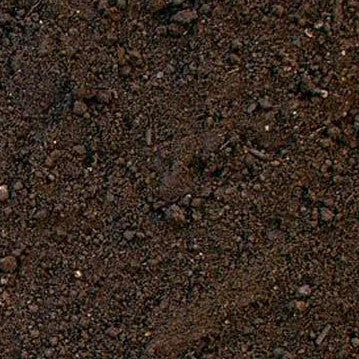
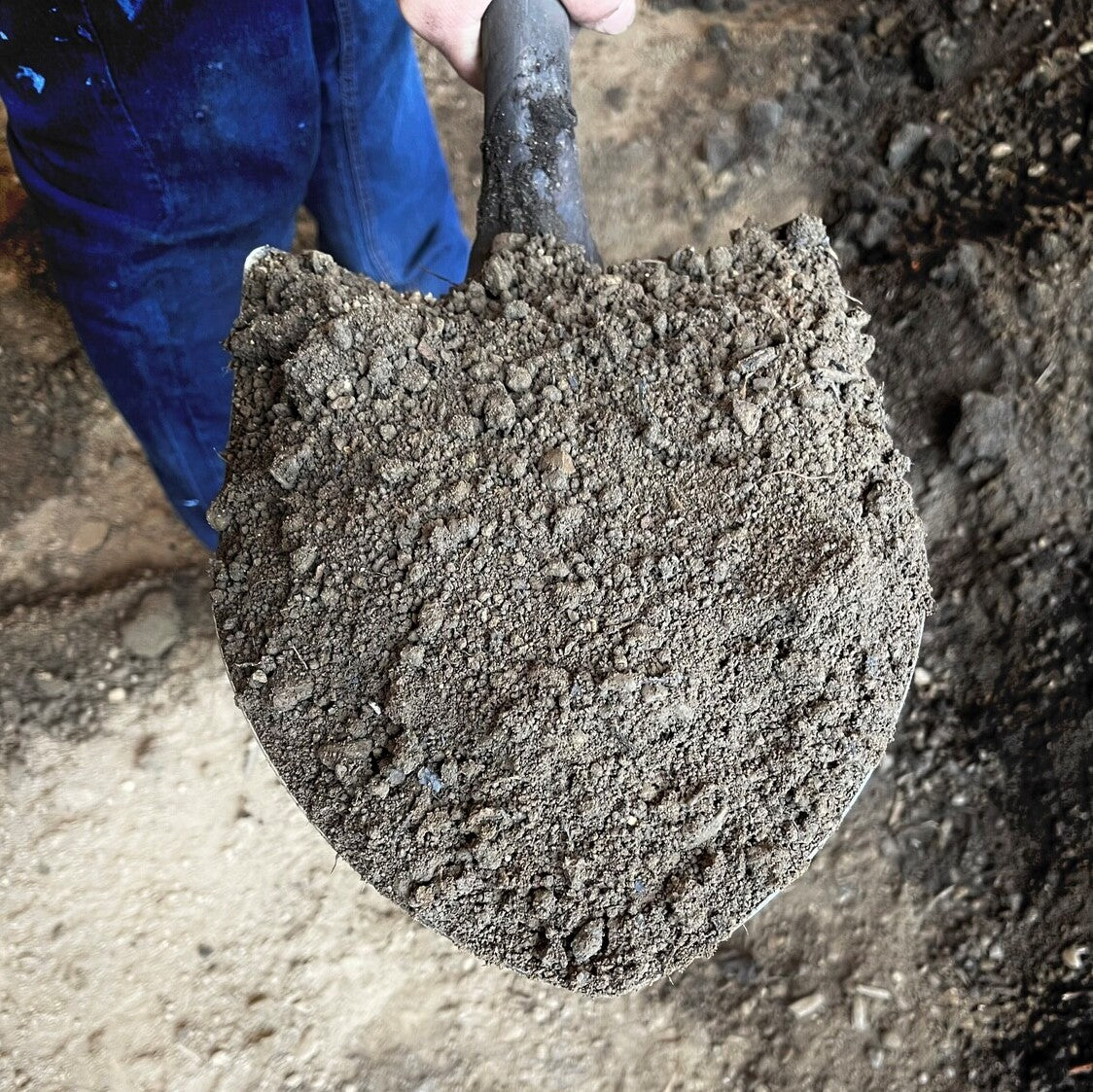
Quality topsoil for lawns, gardens, and landscape projects. Nutrient rich and ready to support strong root development and healthy plant establishment.
Great service. We ordered topsoil from Mulch Mound and the best experience. Thank you so much!
Tell us what you're looking for
Thanks! We received your request.
Something went wrong. Please try again.
How Much Material Do I Need?
How Much Material Do I Need?
For most Springfield landscaping projects, plan on 4 to 6 inches of bulk topsoil to create a workable growing layer above Springfield's native silty clay loam base. Raised beds and grading projects that require more depth can scale up from there, with 8 to 12 inches being common for intensive vegetable garden installations.
Use our free soil calculator
What is a yard?
What is a yard?
FAQs
FAQs
Springfield Soil Delivery
Springfield Soil Delivery
Regular price
$64.00
per
yard
Regular price
Sale price
$64.00
Unit price
per
Shipping calculated at checkout.
Minimum of 3 yard
Couldn't load pickup availability
Not currently available
We can't take orders for this right now. Tell us what you need and we'll get back to you.
Hand-picked local yards
4,000+ regional deliveries
Dedicated support
Why order through Mulch Mound
The best local soil, without the guesswork.
We hand-pick and partner with the best yards in your region, keep only the ones our buyers rate well, and back each load with our guarantee.
Mulch Mound Guarantee
If your soil isn't the quantity or quality you ordered, we'll make it right.
About this soil
Quality topsoil for lawns, gardens, and landscape projects. Nutrient rich and ready to support strong root development and healthy plant establishment.
Great service. We ordered topsoil from Mulch Mound and the best experience. Thank you so much!
How Much Material Do I Need?
How Much Material Do I Need?
For most Springfield landscaping projects, plan on 4 to 6 inches of bulk topsoil to create a workable growing layer above Springfield's native silty clay loam base. Raised beds and grading projects that require more depth can scale up from there, with 8 to 12 inches being common for intensive vegetable garden installations.
Use our free soil calculator
What is a yard?
What is a yard?
FAQs
FAQs
Tell us what you're looking for
Thanks! We received your request.
Something went wrong. Please try again.
How It Works
Getting started is easy — just follow these simple steps
1
Choose your soil
Make sure you adjust the quantity to your home's needs. You can use our calculator to estimate how much you'll need.
2
Select your delivery date
Select a delivery date you'd like for the product to be dropped off at your home
3
Sit back and wait
Sit back, wait, and let us work our magic to make sure the highest quality product is delivered to your driveway.

Placing an order online was so easy. Delivery was on time. When the driver realized we had a newly poured driveway they erred on the side of cautio...
Read full review
Placing an order online was so easy. Delivery was on time. When the driver realized we had a newly poured driveway they erred on the side of caution and opted not ti drive in it. The company even sent me a message explaining that call. Would recommend!

Online ordering was really simple and I liked the transparent pricing.
Need Help Calculating How Much Soil You Need?
Use our NEW Trace from Satellite tool to get an estimate for your project based on an aerial view of your property
Try Our CalculatorMeasure your project area in feet and use our calculator to convert square footage and desired depth into cubic yards of topsoil. Springfield grading and bed projects typically call for 4 to 6 inches of depth to give roots a productive layer above the native silty clay loam. When in doubt, ordering slightly more than your estimate is a good practice since leftover topsoil can always be used to fill low spots elsewhere in the yard or to top off garden beds throughout the season.
Soil Types We Deliver in Springfield
Mulch Mound delivers bulk topsoil by the yard in Springfield, bringing quality material straight to your driveway or job site without the hassle of hauling it yourself. Central Illinois yards often sit on heavy clay, so bringing in the right soil can make a real difference for new lawns, raised beds, and landscape renovations. We measure and load every order carefully so you get exactly what your project needs.
Screened Top Soil
Our screened topsoil is run through a fine screen to remove clumps, rocks, and debris, leaving a clean and workable product ready to spread. It is nutrient rich and supports strong root development, making it a solid choice for Springfield homeowners filling low spots, establishing new lawn areas, or building up garden beds ahead of planting season.
Complete Your Outdoor Soil Project
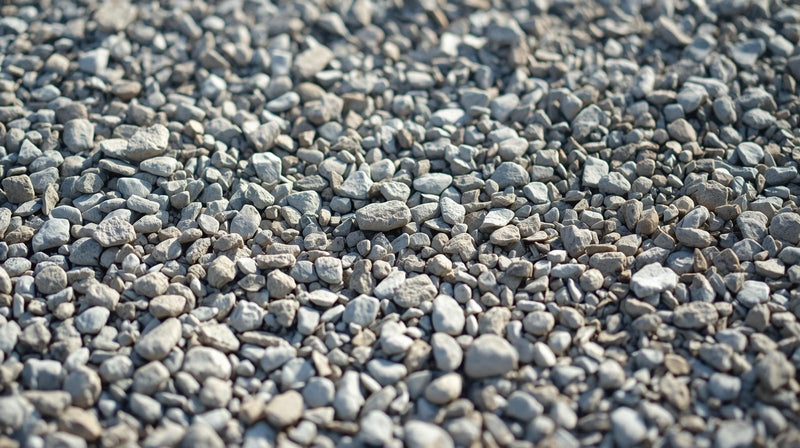
Pairing your topsoil order with bulk mulch is the best way to protect your new soil from Springfield's heavy spring rains and lock in moisture through the dry stretches of summer. For low spots or drainage corridors, adding a layer of crushed stone below your topsoil dramatically improves how quickly water moves through Springfield's dense native base.

Mulch Mound Pro Tip
Springfield's spring soil is often cold and saturated well into April even after the frost date has passed. Before spreading topsoil for a new lawn or garden bed, wait for a stretch of dry weather and confirm the native ground beneath is no longer waterlogged. Spreading over saturated silty clay loam creates a drainage-blocking interface that causes your new topsoil layer to stay wet, compact more quickly, and underperform throughout the growing season.
Mulch Mound Pro Tip
When using bulk topsoil for raised vegetable beds in Springfield, mix in 20 to 30 percent compost by volume before planting your first crop. Springfield's zone 6b growing season runs about six months from mid-April to mid-October, and richly amended topsoil supports the steady nutrient draw that heavy-producing plants like tomatoes and squash need without requiring heavy supplemental fertilization throughout the summer.
Mulch Mound Pro Tip
For lawn leveling projects in Springfield, spread topsoil in thin lifts of no more than 2 inches at a time rather than dumping a thick layer all at once. Springfield's silty clay loam base needs time to accept each lift before the next layer is added, especially in areas where the native soil has compacted and drainage is slow. Thin lifts settle more evenly and give grass roots a cleaner, more continuous path from the new topsoil layer down into the native soil below.
The Unique Landscape of Springfield
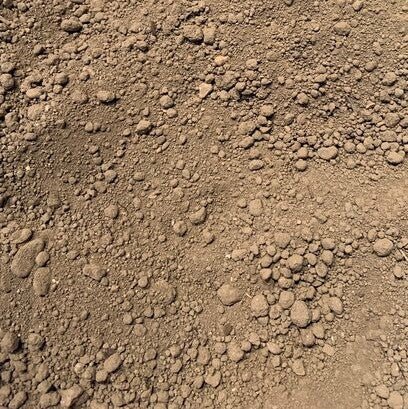
Springfield's native silty clay loam is a productive but challenging base for gardening and landscaping, holding nutrients and moisture well while also compacting under heavy spring rains and summer traffic. For raised beds, new lawn installations, and grading projects, quality bulk topsoil gives you control over drainage and fertility that Springfield's native soil alone cannot always provide. The zone 6b growing window runs from the last frost in mid-April through the first frost in mid-October, giving Springfield gardeners about six months to maximize, and starting with the right soil foundation is the single most important investment you can make for that season. Springfield sits at 558 feet in a relatively flat landscape where surface drainage depends heavily on how your yard is graded, and bulk topsoil is the most practical tool for correcting low spots that hold water after heavy rains. Whether you are leveling a problem area, building a vegetable garden, or establishing a new lawn, bulk topsoil lets you shape the grade and improve the growing environment precisely. A clean, well-structured topsoil layer above Springfield's native base gives roots the loose, aerated zone they need to establish quickly and deeply.