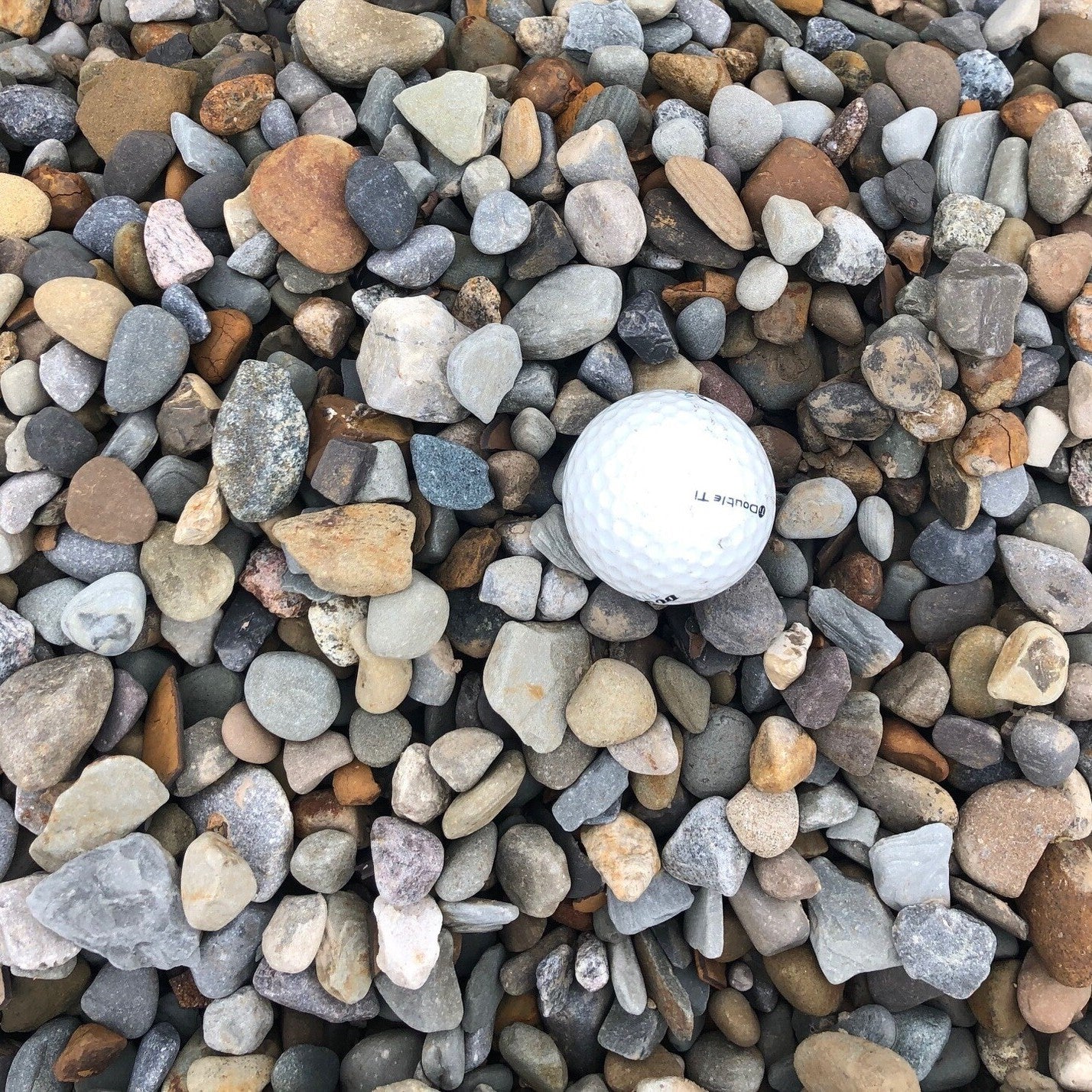
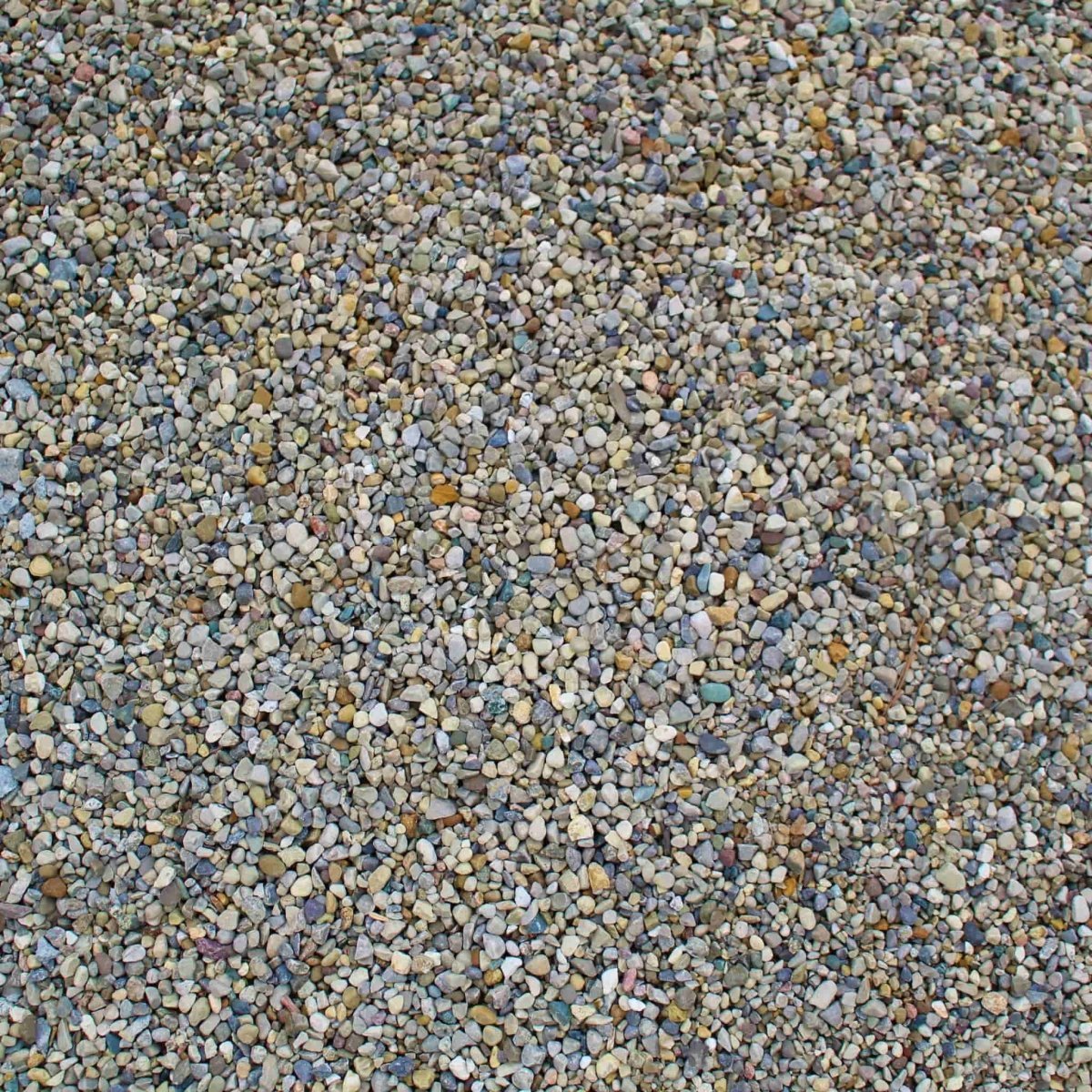
Number 57 crushed stone, angular limestone graded to about three quarters of an inch. The standard driveway, base and drainage gravel, it locks together under traffic and drains fast.
I used Mulch Mound to have 3 cubic yards of garden soil delivered. The process was easy and I love that I didn't have to call anyone. I placed my order online, picked my delivery date, laid out my tarp and the dirt was delivered. My delivery had to be pushed back, but I was ke...
Tell us what you're looking for
Thanks! We received your request.
Something went wrong. Please try again.
How Much Material Do I Need?
For decorative stone beds and foundation borders in Springfield, a 2 to 3 inch depth provides solid weed suppression and strong visual coverage over the silty clay loam base. Pathway and drainage applications typically call for 3 to 4 inches to account for seasonal settling through Springfield's winters and to maintain a stable, even surface through the spring thaw.
Use our free gravel calculator
What is a yard?
A yard is approximately 27 cubic feet. As a general guideline, one yard of material can cover an area of about 100-160 square feet at a 2-3 inch depth.
We can't take orders for this right now. Tell us what you need and we'll get back to you.
What do you need?
Thanks! We received your request.
Something went wrong. Please try again.
Hand-picked local yards
4,000+ regional deliveries
Dedicated support
Why order through Mulch Mound
The best local stone, without the guesswork.
We hand-pick and partner with the best yards in your region, keep only the ones our buyers rate well, and back each load with our guarantee.
Mulch Mound Guarantee
If your stone isn't the quantity or quality you ordered, we'll make it right.
About this stone
Number 57 crushed stone, angular limestone graded to about three quarters of an inch. The standard driveway, base and drainage gravel, it locks together under traffic and drains fast.
I used Mulch Mound to have 3 cubic yards of garden soil delivered. The process was easy and I love that I didn't have to call anyone. I placed my order online, picked my delivery date, laid out my tarp and the dirt was delivered. My delivery had to be pushed back, but I was ke...
How Much Material Do I Need?
For decorative stone beds and foundation borders in Springfield, a 2 to 3 inch depth provides solid weed suppression and strong visual coverage over the silty clay loam base. Pathway and drainage applications typically call for 3 to 4 inches to account for seasonal settling through Springfield's winters and to maintain a stable, even surface through the spring thaw.
Use our free gravel calculator
What is a yard?
A yard is approximately 27 cubic feet. As a general guideline, one yard of material can cover an area of about 100-160 square feet at a 2-3 inch depth.
I used Mulch Mound to have 3 cubic yards of garden soil delivered. The process was easy and I love that I didn't have to call anyone. I placed my o...
Read full review
I used Mulch Mound to have 3 cubic yards of garden soil delivered. The process was easy and I love that I didn't have to call anyone. I placed my order online, picked my delivery date, laid out my tarp and the dirt was delivered. My delivery had to be pushed back, but I was kept informed via text, which was great. So why not 5 stars? The description of garden soil on the website is "A balanced mix of topsoil and organic amendments ready for raised beds, flower gardens, and new planting areas. Good drainage, solid nutrients, easy to work with." What I got was more like fill dirt. It had a lot of gravel, a lot of clay, and random trash mixed in. I didn't test the soil to see if it actually had "amendments" because I already have compost and alpaca manure ready to add, but if I'd known the quality of the dirt was going to be the same as the bagged dirt I bought last year, I probably would have gotten 2 yards of top soil and a yard of leaf compost for better quality, especially since the leaf compost is cheaper. Photo of my mountain of dirt and just some of the trash I found in it.
Use our stone calculator by entering the length, width, and depth of your project area in feet to get the cubic yards you need delivered. For Springfield pathway and drainage projects, adding 10 percent to your estimated volume is a smart buffer since freeze-thaw settling through a zone 6b winter can compress your initial layer slightly by spring. Measuring carefully before you order means no wasted material and no gaps in coverage that need to be filled with a second delivery.
Stone Types We Deliver in Springfield
Ordering bulk stone by the cubic yard is the most efficient way to cover paths, patios, and drainage areas around your home or property. Whether you are searching for bulk gravel by the yard in Springfield or planning a larger hardscape installation, we haul direct to your driveway or job site. Central Illinois clay soil and wide seasonal temperature swings make the right stone choice important for long-lasting drainage and curb appeal.
Pea Gravel
Pea gravel is one of the most popular stone choices for local yards, thanks to its smooth, rounded edges and natural earth tones that complement the brick ranch homes and mature shade trees common across central Illinois. It works well for garden paths, patio borders, and improving drainage in the region's clay-heavy soil.
Complete Your Outdoor Stone Project
Pairing stone borders with bulk mulch in your planting beds creates a clean, low-maintenance design that controls erosion through Springfield's rainy springs while framing your plantings with a polished finished look. Adding topsoil to grade areas before laying stone ensures the proper drainage slope that Springfield's flat terrain requires, keeping water moving away from structures and plant crowns rather than pooling in place.
Before laying stone in any Springfield landscape bed, take the time to establish a slight grade away from your house or hardscape. Springfield's flat terrain means water has nowhere to go unless you direct it intentionally, and even a 1 to 2 percent slope built into your stone bed will keep rain from pooling against foundations or plant crowns after heavy storms. A quick pass with a level and a shovel before you spread stone prevents drainage headaches for years to come.
Mulch Mound Pro Tip
Springfield's freeze-thaw cycles between November and March can cause stone migration in poorly edged beds over time. Installing a solid metal or concrete edging border before filling with stone locks everything in place and gives you a clean line that holds through multiple zone 6b winters. This step is especially worth taking along driveways and pathways where shifting stone creates uneven footing or spills into adjacent lawn areas and requires re-edging each spring.
Mulch Mound Pro Tip
In Springfield, stone that borders planting beds absorbs solar heat during the day and releases it slowly at night, acting as a passive thermal buffer near the last frost date of April 13. Placing a row of darker fieldstone or river rock along the south-facing edge of a raised bed can add several degrees of warmth to the soil microclimate and help you plant a few days earlier in spring without risking frost damage to young transplants just getting established in zone 6b.
The Unique Landscape of Springfield
Decorative and functional stone is one of the most durable landscaping choices for Springfield properties, where clay-heavy soil and 38 inches of annual rainfall create real drainage and erosion challenges that organic materials alone cannot solve. Stone pathways, border edging, and drainage channels stay put through Springfield's wet springs and hold up to freeze-thaw cycles in a zone 6b climate far better than bark, mulch, or loose fill materials. Unlike mulch or topsoil, stone does not break down, shift significantly in heavy rain, or need seasonal replenishment, making it a smart long-term investment for Springfield homeowners who want lower-maintenance landscapes. Around foundations, stone creates a dry buffer zone that deflects water away from the structure, which is especially valuable given how Springfield's flat terrain can direct surface runoff toward homes after intense spring storms. Stone also absorbs and radiates heat, which can be useful for extending the growing season in garden borders near Springfield's last frost date of April 13. Whether used for utility or beauty, stone suits Springfield's challenging soil conditions and variable climate in ways that few other landscape materials can match over the long run.
Frequently Asked Questions
Click a question to see the answer
Answer
What type of stone works best for drainage in Springfield's clay soil?
For drainage applications in Springfield's silty clay loam, clean crushed limestone or pea gravel are the top choices because their angular or rounded profiles allow water to move quickly through the stone layer and into lower ground. The key is using stone that is clean, meaning it has not been mixed with fine particles or dust that can clog over time in the dense soil environment. A French drain or dry creek bed filled with clean crushed stone can make a dramatic difference in a Springfield yard that pools after every significant rain.
Answer
Will decorative stone stay in place during Springfield's heavy spring rains?
Larger stones like 1.5 to 2 inch river rock or crushed limestone hold their position very well even through heavy spring downpours in Springfield. Smaller pea gravel can migrate on slopes, so if you are using it in a graded area it helps to edge the bed firmly and use landscape fabric beneath. For flat decorative areas and foundation borders, most stone sizes stay exactly where you place them through Springfield's wet seasons with no seasonal maintenance needed.
Answer
Should I use landscape fabric under stone in my Springfield yard?
For decorative stone beds that you want to keep weed-free, landscape fabric is a good idea in Springfield because the silty clay loam beneath is rich enough to germinate weed seeds readily through a stone layer. That said, fabric eventually breaks down and can be difficult to remove once stone is placed on top, so choose a commercial-grade woven fabric if you go that route. For drainage applications like dry creek beds or French drain trenches, skip the fabric entirely so water can move freely into the soil below without obstruction.
Answer
How thick should I lay decorative stone in my Springfield landscape beds?
A 2 to 3 inch layer is the standard depth for decorative stone beds in Springfield, providing enough coverage to suppress weeds and give a finished look without using unnecessary material. For pathways that will see regular foot traffic, 3 to 4 inches gives a more stable surface, especially over Springfield's silty clay loam which can shift slightly under repeated pressure over time. Using metal or concrete edging to contain the stone keeps it from migrating into adjacent lawn areas through the seasons.
Answer
Can I use stone around my foundation to help with water drainage in Springfield?
Yes, and this is one of the most practical uses of stone for Springfield homeowners dealing with spring drainage issues. A 12 to 18 inch wide band of clean crushed stone along the foundation keeps the soil immediately next to the structure dry and directs surface water outward and away. Springfield's spring rainfall can be intense enough to saturate native silty clay loam quickly, so this stone buffer zone is one of the better investments you can make to protect your basement or crawl space from moisture intrusion.
Answer
Is stone a good alternative to mulch for low-maintenance areas in my Springfield yard?
Stone is an excellent option for Springfield areas where you want to eliminate ongoing mulch replenishment, like side yards, narrow utility strips, and foundation beds that are difficult to maintain seasonally. It does not break down, does not float away in rain, and does not require any refresh through Springfield's winters or wet springs. The tradeoff is that stone does not improve your silty clay loam soil the way decomposing mulch does, so it is best used in areas where you have either already amended the soil adequately or are not actively trying to grow plants.
Answer
How do I estimate how much stone I need for a pathway in my Springfield backyard?
Measure the length and width of your pathway in feet, multiply to get square footage, then use our calculator to find the cubic yards needed for your desired depth. For a loose stone walking path in Springfield, a 3 inch depth over a stable base gives you good footing and long-term durability. Ordering a small amount extra makes sense since stone is easy to store and you may want to fill in spots that shift or settle over Springfield's winter freeze-thaw cycles before the ground re-stabilizes each spring.
Answer
Is there a stone yard near Springfield?
Springfield's clay heavy soil and wet springs call for a compact, well draining base like Crushed Stone, which locks together and stays put through freeze and thaw cycles. You can have it delivered by the cubic yard to your property, so there's no need to visit a stone yard or a quarry. Just order online and we drop it where you want it.