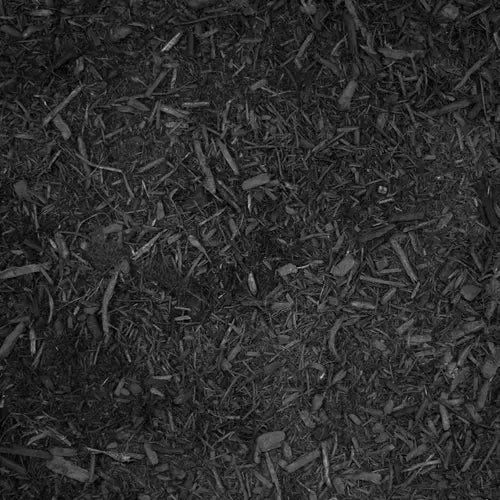
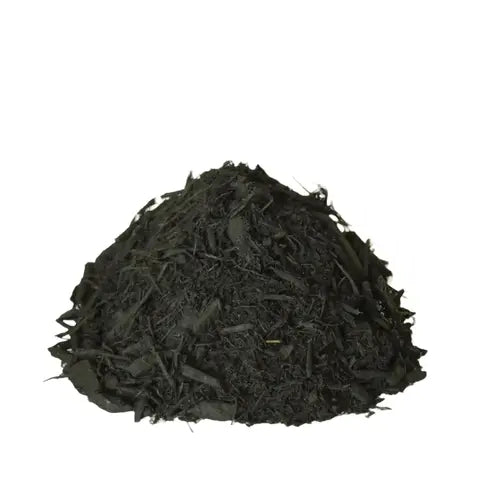
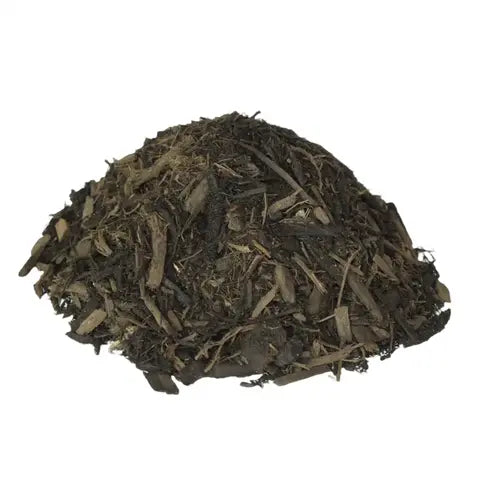
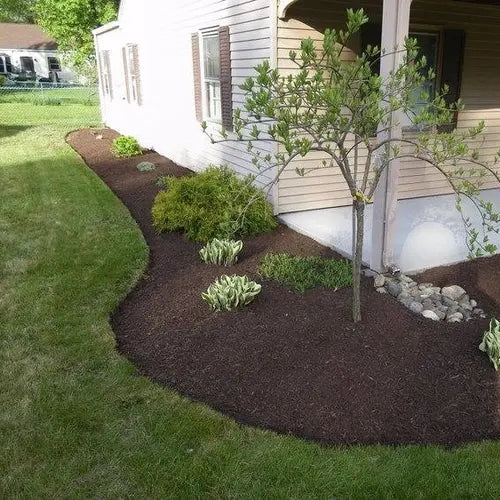
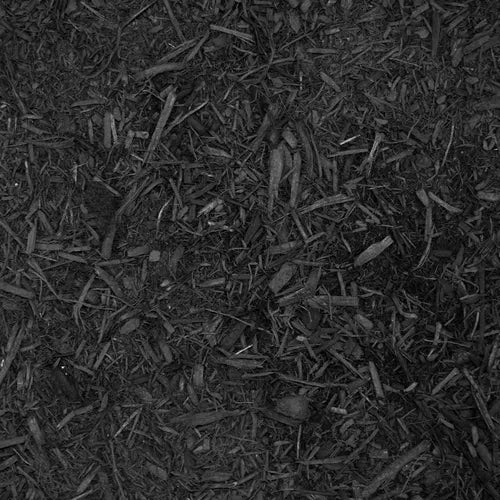
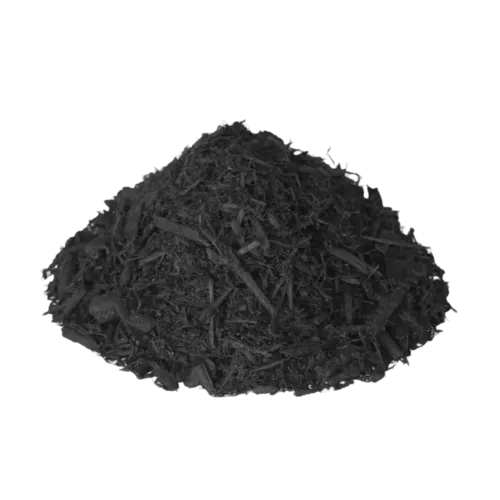
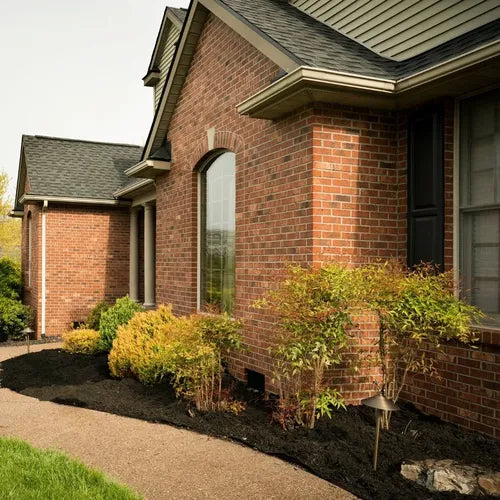
Bold black double shredded mulch that transforms beds instantly. The rich color holds strong through sun and rain, and the smooth texture spreads effortlessly.
I can’t say enough good things about Mulch Mound! If you read my review below you will see I had a problem with my order. Mulch Mound was quick to respond and solved the issue with my delivery. Will definitely be a customer next year.
First time purchase...
Tell us what you're looking for
Thanks! We received your request.
Something went wrong. Please try again.
How Much Material Do I Need?
For St. Cloud's glacial till soil, a 3-inch layer is the minimum effective depth for weed suppression and moisture retention, and a 4-inch layer is preferred in tree rings or areas with heavy nearby foot traffic. Going beyond 4 inches in low-lying areas can trap too much moisture given the region's 28 inches of annual rainfall.
Use our free mulch calculator
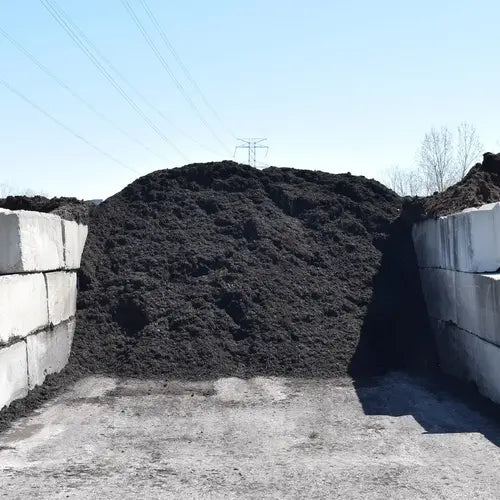
What is a yard?
A yard is approximately 27 cubic feet. As a general guideline, one yard of material can cover an area of about 100-160 square feet at a 2-3 inch depth.
We can't take orders for this right now. Tell us what you need and we'll get back to you.
What do you need?
Thanks! We received your request.
Something went wrong. Please try again.
Hand-picked local yards
4,000+ regional deliveries
Dedicated support
Why order through Mulch Mound
The best local mulch, without the guesswork.
We hand-pick and partner with the best yards in your region, keep only the ones our buyers rate well, and back each load with our guarantee.
Mulch Mound Guarantee
If your mulch isn't the quantity or quality you ordered, we'll make it right.
About this mulch
Bold black double shredded mulch that transforms beds instantly. The rich color holds strong through sun and rain, and the smooth texture spreads effortlessly.
I can’t say enough good things about Mulch Mound! If you read my review below you will see I had a problem with my order. Mulch Mound was quick to respond and solved the issue with my delivery. Will definitely be a customer next year.
First time purchase...
How Much Material Do I Need?
For St. Cloud's glacial till soil, a 3-inch layer is the minimum effective depth for weed suppression and moisture retention, and a 4-inch layer is preferred in tree rings or areas with heavy nearby foot traffic. Going beyond 4 inches in low-lying areas can trap too much moisture given the region's 28 inches of annual rainfall.
Use our free mulch calculator
What is a yard?
A yard is approximately 27 cubic feet. As a general guideline, one yard of material can cover an area of about 100-160 square feet at a 2-3 inch depth.
I can’t say enough good things about Mulch Mound! If you read my review below you will see I had a problem with my order. Mulch Mou...
Read full review
UPDATE!
I can’t say enough good things about Mulch Mound! If you read my review below you will see I had a problem with my order. Mulch Mound was quick to respond and solved the issue with my delivery. Will definitely be a customer next year.
First time purchase from Mulch Mound!! First what I liked! Easy to order online and straight forward pricing and delivery. The driver was on time and courteous and delivered my Mulch exactly where I requested! The product is of good quality and comparable to others I have purchased from before. Now what I DID’NT LIKE! I have been mulching the same house and yard for almost 20 years. I always order the same amount and don’t have any issues with covering the same area but this year I fell about a yard short. I was home when the mulch was delivered and when the driver dumped it I noticed that it seemed a bit less than I was used to. I didn’t apply it any thicker than usual and probably a bit thinner than usual because I was worried about running out.
Mulch Mound made it so easy! So happy with the pricing, turn around time, delivery and product. I submitted my online order on a Thursday. The mu...
Read full review
Mulch Mound made it so easy! So happy with the pricing, turn around time, delivery and product. I submitted my online order on a Thursday. The mulch was delivered to the designated location by a local landscape company at 8:30 a.m. the following Saturday morning. We had the job completed by that afternoon. We chose the natural brown mulch, and the plant beds are beautiful.
To estimate mulch for your St. Cloud project, measure each bed's length and width in feet and multiply for square footage, then divide by 100 to get the cubic yards needed for a 3-inch layer. That depth is the standard for managing both moisture retention and thermal insulation in glacial till soil. Because St. Cloud beds often have irregular shapes around trees and curved borders, add 10 to 15 percent to your total to avoid running short.
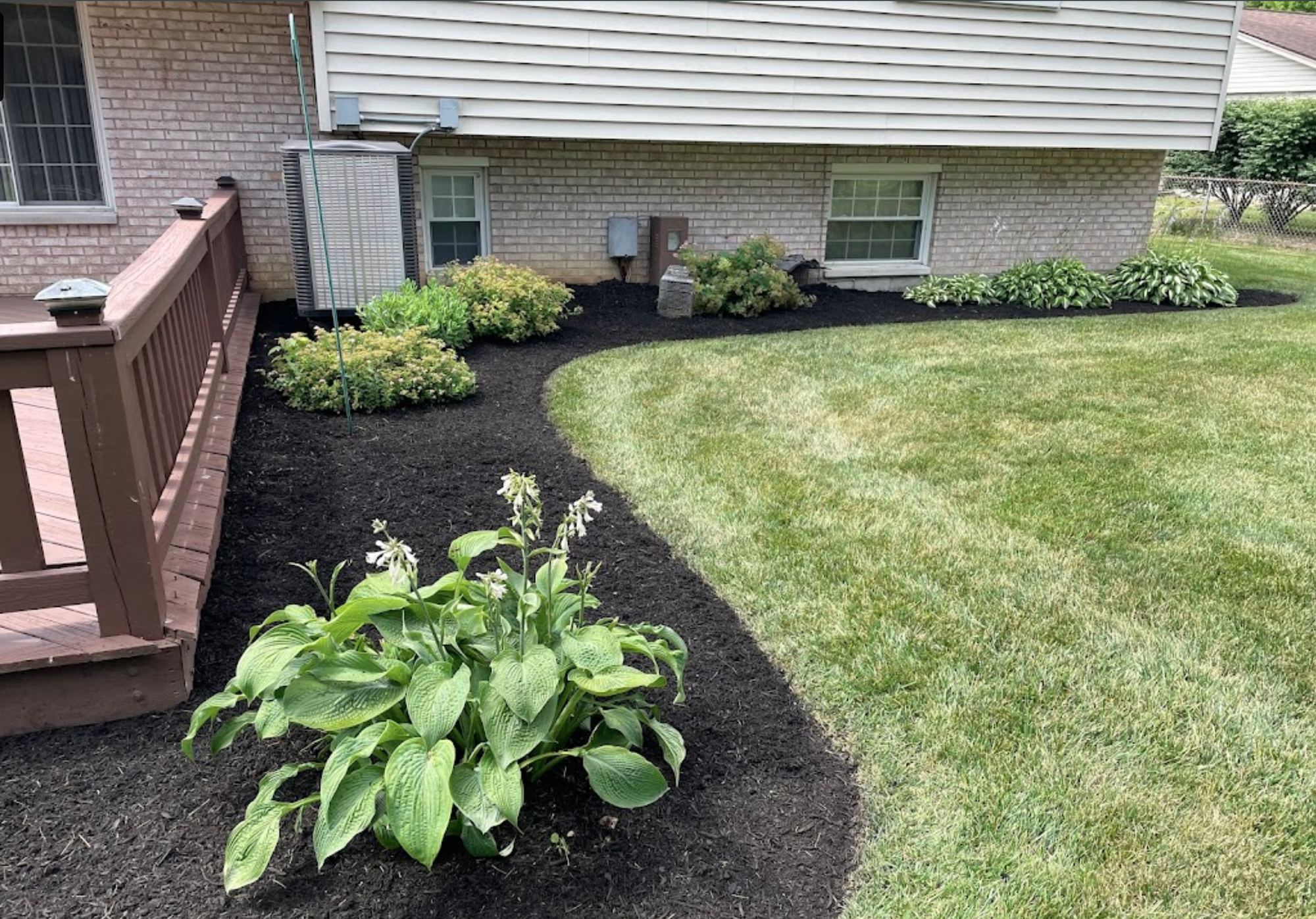
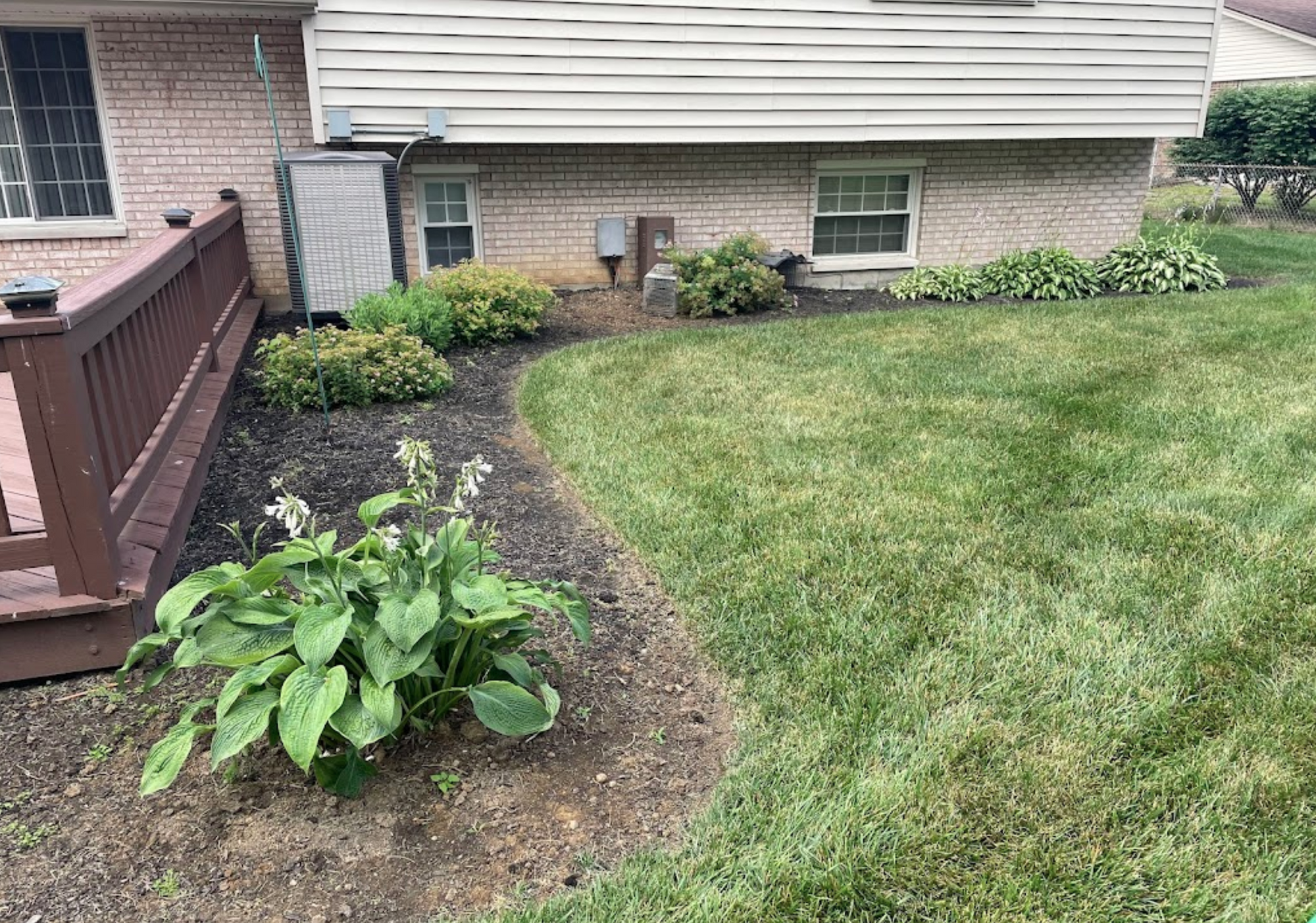
Mulch vs. No Mulch: The Difference
St. Cloud's long winters and active freeze-thaw cycles accelerate the breakdown of all organic mulches, but the rate differs between natural and dyed products. Natural hardwood mulch decomposes faster in this climate, feeding glacial till soil with organic matter that it genuinely needs, while dyed mulch uses a slower-breaking hardwood base that holds color through one Minnesota winter before fading noticeably. Choosing between them often comes down to whether you prioritize soil improvement or curb appeal through the growing season.
Before
After
Best Mulch Choice for St. Cloud Lawns
Most yards in the St. Cloud area sit on Glacial Till type of soil. Glacial till soil in St. Cloud is naturally dense and low in organic matter, which makes it slow to drain and difficult for plant roots to penetrate deeply without amendment.
Hardwood Mulch
Hardwood mulch is particularly well suited for St. Cloud's glacial till soil because as the wood fibers break down they contribute lignin-rich organic material that helps loosen compacted soil particles, improves microbial activity, and gradually builds the type of well-structured topsoil that glacial till naturally lacks.
Mulch Types We Deliver in St. Cloud
When it comes to bulk mulch delivery in St. Cloud, Mulch Mound makes it easy to order by the cubic yard and have your material dropped right at your property. Central Minnesota's freeze-thaw cycles and heavy clay soils make a quality mulch layer essential for protecting roots and holding moisture through the growing season. We carry a focused selection of hardwood mulch varieties suited to the local climate and landscape.
Dyed Black Mulch
Dyed Black Mulch offers bold contrast against pale siding or stone edging common in St. Cloud yards. Available in double shredded style, it spreads smoothly and the rich black color holds up well through Minnesota's intense summer sun and heavy spring rains, keeping beds looking sharp all season.
Natural Brown Mulch
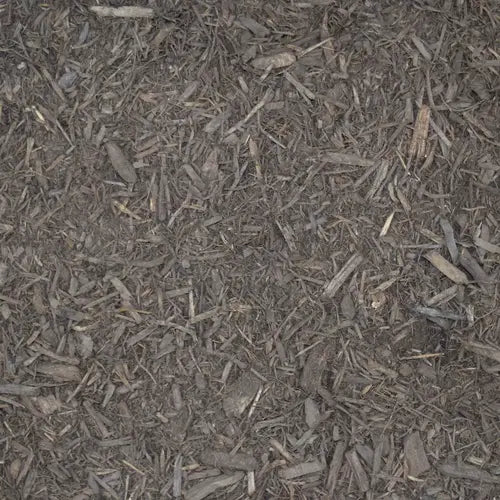
Natural Brown Mulch is an undyed double shredded option that fits naturally with the earthy soil tones and wooded residential lots common in this part of Minnesota. The warm, honest color suits traditional home styles found across St. Cloud, and the mulch breaks down gradually to add organic matter back into the ground.
Complete Your Outdoor Mulch Project
Pair your mulch order with bulk topsoil to build up low beds that drain poorly in St. Cloud's dense glacial till, and consider decorative stone for borders and pathways that hold up through freeze-thaw cycles without needing annual replacement.
St. Cloud's glacial till soil tends to compact heavily under foot traffic and heavy rain. Before spreading mulch, use a hand cultivator to loosen the top inch or two of bed soil so moisture from the mulch layer can actually penetrate rather than run off the hardened surface. This simple step makes a noticeable difference in plant health by midsummer when dry spells are most common in Central Minnesota.
Mulch Mound Pro Tip
Zone 4b winters in St. Cloud put significant stress on borderline-hardy perennials like ornamental grasses and certain lavender varieties. Mound mulch 4 to 6 inches deep directly over the crown of these plants in October, then pull it back in early May once the threat of a hard freeze has passed. This technique has helped many St. Cloud gardeners successfully overwinter plants that would otherwise struggle at this latitude.
Mulch Mound Pro Tip
St. Cloud receives about 28 inches of rain per year, but that rainfall often arrives unevenly, with dry stretches in midsummer followed by heavy rain events in spring and fall. A 3-inch mulch layer acts as a buffer by slowing the absorption of heavy downpours and releasing moisture to roots gradually during dry periods. This buffering effect reduces the stress that fluctuating soil moisture puts on shallow-rooted plants, which is a common challenge in Central Minnesota's variable summer weather.
Frequently Asked Questions
Click a question to see the answer
Answer
How thick should I apply mulch in St. Cloud?
In St. Cloud's Zone 4b climate, a 3-inch layer is the sweet spot for most ornamental beds. That depth is enough to insulate glacial till soil through the freeze-thaw cycles common in late October and early November, while still allowing the 28 inches of annual rainfall to reach plant roots without pooling on the surface. Going thicker than 4 inches can trap excess moisture and invite crown rot during St. Cloud's humid summer months.
Answer
Will mulch help my plants survive a St. Cloud winter?
Yes, mulch acts as a thermal blanket over the root zone during Zone 4b winters when soil temperatures can swing dramatically over a short period. Applying mulch in late October, after the ground has begun to cool but before the first hard freeze around September 23, helps regulate soil temperature and reduces frost heaving that is common in St. Cloud's dense glacial till soil. This protection is especially important for perennials and shrubs that are borderline hardy in this zone.
Answer
Does dyed mulch hold its color through a Minnesota winter?
Dyed mulch colors fade faster in St. Cloud than in warmer climates because prolonged snow cover, repeated freeze-thaw cycles, and heavy spring snowmelt all accelerate pigment breakdown. Most homeowners in the area find that a fresh top-dress in late May, after the last frost around May 7, restores color and adds the fresh depth needed for the growing season. Natural hardwood mulch, while less vibrant initially, tends to age more gracefully through Central Minnesota winters.
Answer
When is the best time to mulch my beds in St. Cloud?
The ideal window for mulching in St. Cloud is mid-May through early June, once soil temperatures have warmed past 50 degrees Fahrenheit following the last frost on May 7. Applying too early can lock cold air into glacial till soil and delay perennial emergence. A second light application in late September, just before the first frost around September 23, helps protect root systems heading into winter.
Answer
How much mulch do I need for a typical St. Cloud yard?
Most St. Cloud homeowners with standard-size ornamental beds around a single-family home use between 3 and 6 cubic yards per application. Measure the length and width of each bed in feet, multiply to get square footage, and divide by 100 to estimate cubic yards needed for a 3-inch depth. Our calculator on this page can help you dial in the right amount before you order.
Answer
Is wood mulch bad for the clay-heavy glacial till soil in my yard?
Not at all. Hardwood mulch is actually beneficial for glacial till soil because as it breaks down over time it adds organic matter that loosens compacted soil layers and improves drainage. St. Cloud's glacial till tends to be dense and low in organic content, so the slow decomposition of wood mulch gradually improves the structure of your beds season after season. Just avoid tilling fresh mulch directly into the soil, which can temporarily tie up nitrogen.
Answer
How often do I need to replace mulch in Central Minnesota?
In St. Cloud's climate, hardwood mulch typically breaks down over 18 to 24 months because the freeze-thaw cycles, snowmelt, and summer humidity accelerate decomposition compared to drier or warmer climates. Most homeowners do a full refresh every two years and a light top-dress in the alternate year to maintain the recommended 3-inch depth. Budget for a mid-May application to time your refresh with the start of the growing season after the last frost.
The Unique Landscape of St. Cloud
St. Cloud sits in a Zone 4b climate where winter lows can push below minus 25 degrees Fahrenheit, making soil temperature management a year-round concern for homeowners. The glacial till soils underlying most St. Cloud properties are dense and prone to compacting, which limits root expansion and reduces the natural organic matter that plants depend on. A consistent layer of mulch slows moisture loss during the dry stretches that often hit Central Minnesota between June and August, when rainfall can lag well below the city's 28-inch annual average. With a last frost date of May 7 and a first frost arriving as early as September 23, the growing window is tight, and mulch helps plants establish quickly in spring and hold warmth longer into fall. Keeping beds mulched also suppresses the aggressive weed pressure that builds once summer temperatures arrive in the St. Cloud area.