




I needed 3 yards of top soil and that's what I got! Right on time and right where I asked it to be placed (Order# 2041).
About this soil
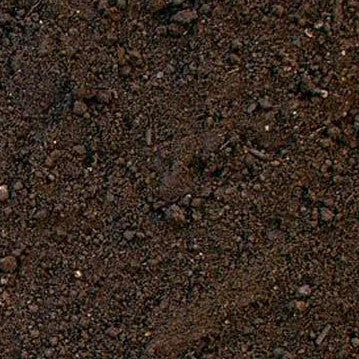
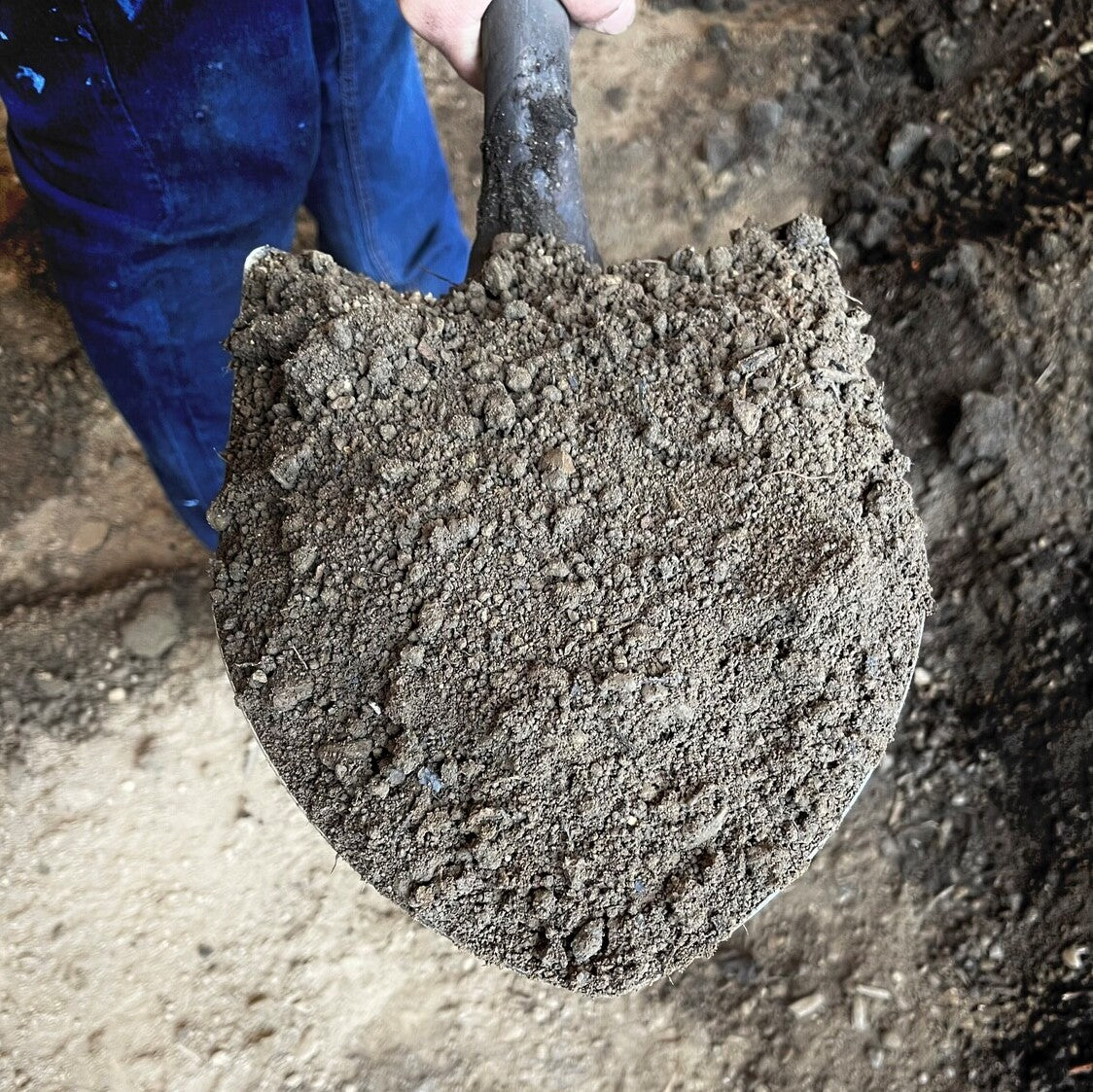
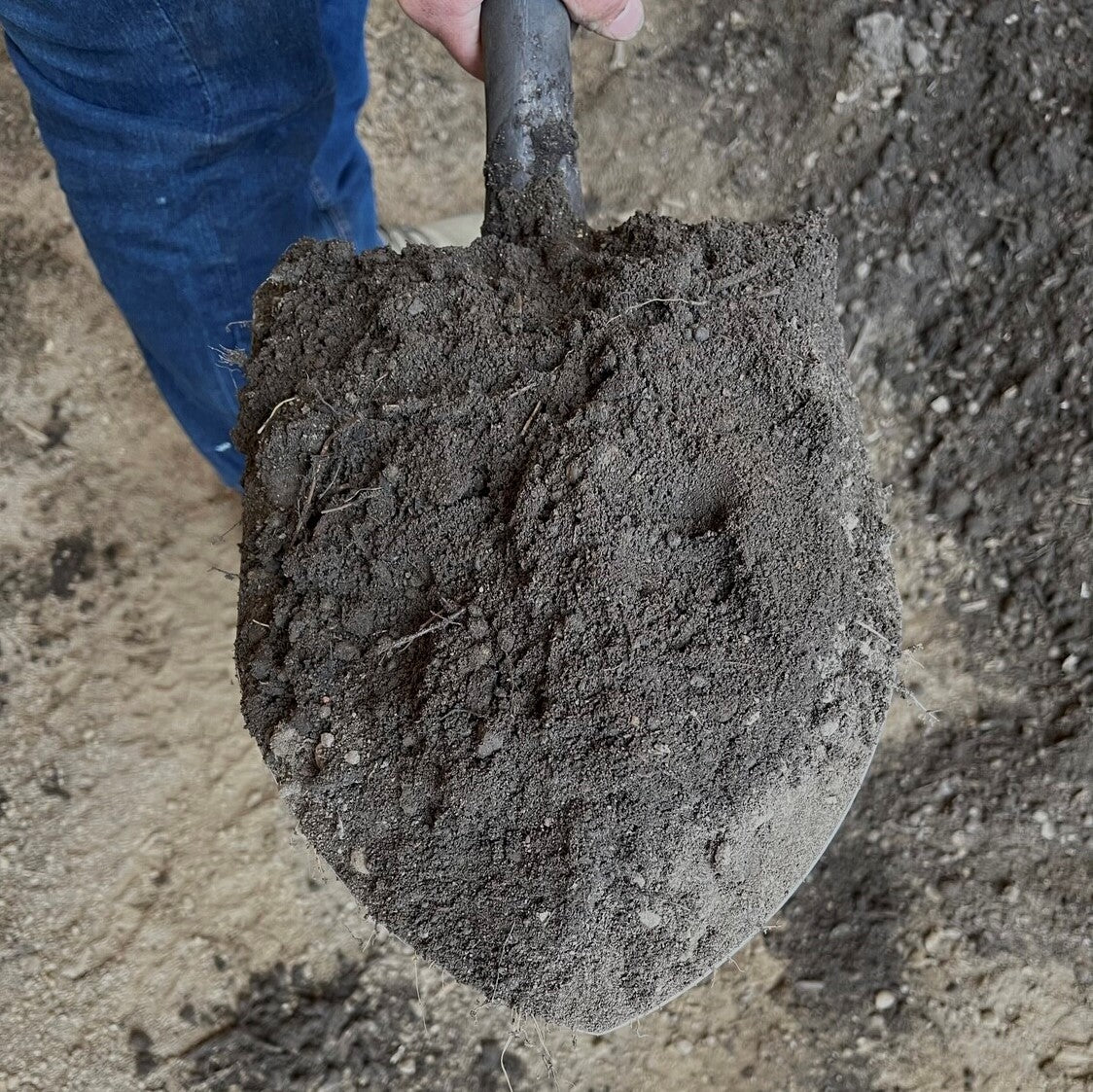
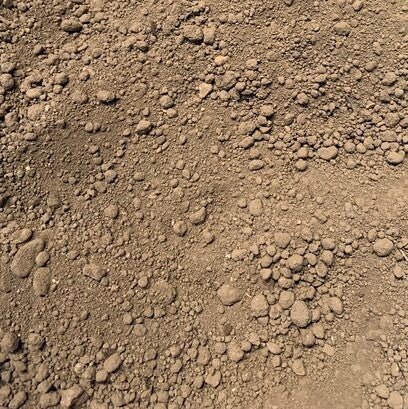
Quality topsoil for lawns, gardens, and landscape projects. Nutrient rich and ready to support strong root development and healthy plant establishment.
I needed 3 yards of top soil and that's what I got! Right on time and right where I asked it to be placed (Order# 2041).
Tell us what you're looking for
Thanks! We received your request.
Something went wrong. Please try again.
How Much Material Do I Need?
How Much Material Do I Need?
For lawn leveling and top-dressing in St. Cloud, plan on 1 to 2 inches of new soil over the affected area, which equals roughly 0.5 to 1 cubic yard per 150 square feet. For new planting beds built over native glacial till, an 8 to 12-inch layer of quality topsoil or garden mix gives roots the depth they need to thrive through a Zone 4b growing season.
Use our free soil calculator
What is a yard?
What is a yard?
FAQs
FAQs
St. Cloud Soil Delivery
St. Cloud Soil Delivery
Regular price
$32.00
per
yard
Regular price
Sale price
$32.00
Unit price
per
Shipping calculated at checkout.
Minimum of 4 yard
Couldn't load pickup availability
Not currently available
We can't take orders for this right now. Tell us what you need and we'll get back to you.
Hand-picked local yards
4,000+ regional deliveries
Dedicated support
Why order through Mulch Mound
The best local soil, without the guesswork.
We hand-pick and partner with the best yards in your region, keep only the ones our buyers rate well, and back each load with our guarantee.
Mulch Mound Guarantee
If your soil isn't the quantity or quality you ordered, we'll make it right.
About this soil
Quality topsoil for lawns, gardens, and landscape projects. Nutrient rich and ready to support strong root development and healthy plant establishment.
I needed 3 yards of top soil and that's what I got! Right on time and right where I asked it to be placed (Order# 2041).
How Much Material Do I Need?
How Much Material Do I Need?
For lawn leveling and top-dressing in St. Cloud, plan on 1 to 2 inches of new soil over the affected area, which equals roughly 0.5 to 1 cubic yard per 150 square feet. For new planting beds built over native glacial till, an 8 to 12-inch layer of quality topsoil or garden mix gives roots the depth they need to thrive through a Zone 4b growing season.
Use our free soil calculator
What is a yard?
What is a yard?
FAQs
FAQs
Tell us what you're looking for
Thanks! We received your request.
Something went wrong. Please try again.
How It Works
Getting started is easy — just follow these simple steps
1
Choose your soil
Make sure you adjust the quantity to your home's needs. You can use our calculator to estimate how much you'll need.
2
Select your delivery date
Select a delivery date you'd like for the product to be dropped off at your home
3
Sit back and wait
Sit back, wait, and let us work our magic to make sure the highest quality product is delivered to your driveway.

Highest compliments. Great driver.
Website is easy to navigate. Just a seamless process. 5 stars!!

Need Help Calculating How Much Soil You Need?
Use our NEW Trace from Satellite tool to get an estimate for your project based on an aerial view of your property
Try Our CalculatorMeasure your project area in feet and multiply length by width to get square footage, then decide on your fill depth. For St. Cloud lawn leveling projects, a 1 to 2-inch top-dress is typical, while raised beds need 10 to 12 inches of full soil. Because glacial till often has uneven low spots across a yard, walk the area after a rain to spot where water pools before finalizing your estimate.
Soil Types We Deliver in St. Cloud
St. Cloud yards and gardens often sit on heavy clay-leaning native soil that benefits from a quality amendment or topdressing delivered straight to your property. We offer bulk topsoil by the yard in St. Cloud so homeowners, landscapers, and contractors can get exactly what they need without hauling it themselves. Whether you are grading a new yard, preparing sod, or building out raised beds, we load and deliver to your site by the cubic yard.
Screened Top Soil
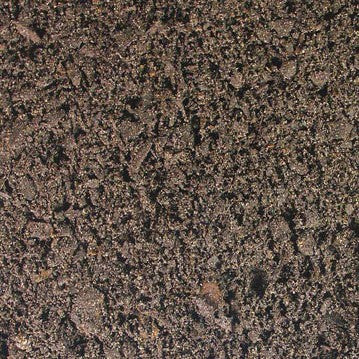
Our screened topsoil is processed through a fine screen to remove rocks, clumps, and debris, leaving a smooth, workable texture that spreads evenly and grades cleanly. It is a practical choice for new lawn installations, sod preparation, and raised garden beds throughout St. Cloud, where improving native soil structure makes a noticeable difference season after season.
Complete Your Outdoor Soil Project
Finish your soil project with a layer of mulch to protect the new planting surface from St. Cloud's early fall frosts and retain moisture that fresh soil loses quickly, and consider decorative stone edging to define bed borders and prevent soil from washing into adjacent lawn areas during heavy spring rains.


Service area
Areas we deliver soil in St. Cloud, Minnesota
Mulch Mound Pro Tip
When grading or filling around your St. Cloud home's foundation, always slope soil away from the structure at a rate of at least 1 inch per foot for the first 6 feet. St. Cloud's spring snowmelt and heavy April rains can send significant water volume toward foundations, and even a slight grade toward the house allows water to pool against basement walls. Getting the grade right before planting over new soil prevents costly drainage problems later.
Mulch Mound Pro Tip
St. Cloud's growing season runs from May 7 to September 23, giving you roughly 139 days to establish plants in new soil. If you are filling raised beds or new planting areas, do it in early May so the soil has time to settle and warm before transplanting. Cold, freshly delivered soil in a raised bed can delay germination by one to two weeks if planted immediately, so let it sit exposed to sun for a few days before seeding.
Mulch Mound Pro Tip
Glacial till soil in St. Cloud has a high compaction tendency that can transfer into new topsoil layers over time through heavy foot traffic and freeze-thaw movement. Installing permanent stone pathways or stepping stones through garden areas keeps foot traffic off the soil surface and preserves the loose, aerated structure that you work to establish when you bring in new material. This is a simple long-term investment that pays off every growing season.
The Unique Landscape of St. Cloud
St. Cloud's native glacial till soil is a challenging foundation for lawns and gardens because it was deposited by glaciers and tends to be rocky, poorly sorted, and low in organic matter. The dense composition limits aeration and slows drainage, which means water can pool in low spots after the heavy rain events that Central Minnesota sees in spring and early summer. Adding quality bulk topsoil allows homeowners to correct grade issues, build up raised beds, and create a planting environment that actually supports root development rather than working against it. With a growing season that runs from roughly May 7 to September 23, every week of productive growing time matters, and well-amended soil helps plants establish faster and recover more quickly from the heat and drought stress of a Minnesota summer. Whether you are seeding a new lawn, establishing a vegetable garden, or repairing winter damage from frost heaving, bringing in the right soil is the most foundational investment you can make in your St. Cloud landscape.