Great experience - not only was this the most affordable option for dirt delivery in Cleveland heights, but the delivery was fast and friendly. Got exactly what I needed and the truck got as close as possible to where I needed the dirt - even in my cramped driveway. Will be us...
Great experience - not only was this the most affordable option for dirt delivery in Cleveland heights, but the delivery was fast and friendly. Got exactly what I needed and the truck got as close as possible to where I needed the dirt - even in my cramped driveway. Will be us...
How Much Material Do I Need?
For lawn leveling and top-dressing in St. Cloud, plan on 1 to 2 inches of new soil over the affected area, which equals roughly 0.5 to 1 cubic yard per 150 square feet. For new planting beds built over native glacial till, an 8 to 12-inch layer of quality topsoil or garden mix gives roots the depth they need to thrive through a Zone 4b growing season.
Use our free soil calculator
What is a yard?
A yard is approximately 27 cubic feet. As a general guideline, one yard of material can cover an area of about 10 feet by 10 feet at a few inches deep.
Great experience - not only was this the most affordable option for dirt delivery in Cleveland heights, but the delivery was fast and friendly. Got...
Read full review
Great experience - not only was this the most affordable option for dirt delivery in Cleveland heights, but the delivery was fast and friendly. Got exactly what I needed and the truck got as close as possible to where I needed the dirt - even in my cramped driveway. Will be using again and recommending to my neighbors.
Measure your project area in feet and multiply length by width to get square footage, then decide on your fill depth. For St. Cloud lawn leveling projects, a 1 to 2-inch top-dress is typical, while raised beds need 10 to 12 inches of full soil. Because glacial till often has uneven low spots across a yard, walk the area after a rain to spot where water pools before finalizing your estimate.
Complete Your Outdoor Soil Project
Finish your soil project with a layer of mulch to protect the new planting surface from St. Cloud's early fall frosts and retain moisture that fresh soil loses quickly, and consider decorative stone edging to define bed borders and prevent soil from washing into adjacent lawn areas during heavy spring rains.
My St. Cloud backyard has terrible drainage after it rains. Will adding soil help?
Improving drainage in St. Cloud yards almost always starts with addressing grade and soil composition. The glacial till base under most St. Cloud properties is dense and slow to absorb water, so adding a well-structured topsoil blend and regrading low spots to direct water away from structures can make a significant difference. Pairing new soil with organic mulch on top helps absorb and slow down runoff from St. Cloud's heavy spring rain events.
Answer
How much soil do I need to fill a raised garden bed in my St. Cloud yard?
A standard 4-by-8-foot raised bed filled to 12 inches deep requires roughly 1.2 cubic yards of soil. Most St. Cloud gardeners find that a blend of quality topsoil and compost works best for vegetable production because the native glacial till does not provide enough organic matter or drainage on its own. Order slightly more than your calculated amount since soil settles after watering, especially through the freeze-thaw cycles of a Minnesota spring.
Answer
Can I use bulk topsoil to level my lawn after frost heaving this past winter?
Absolutely. Frost heaving is common in St. Cloud because glacial till soil holds moisture that expands during freeze cycles, lifting and displacing turf roots over winter. Top-dressing low and uneven areas with a fine topsoil blend in May, after the last frost on May 7, and working it lightly into the existing grass allows the lawn to recover quickly. This process works best before summer heat arrives and makes overseeding much more effective.
Answer
What is the difference between topsoil and garden soil, and which do I need?
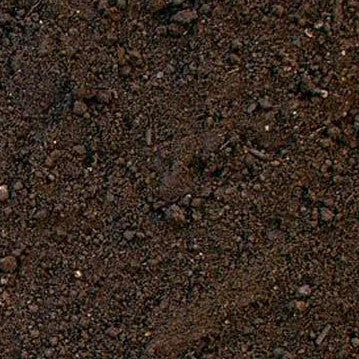
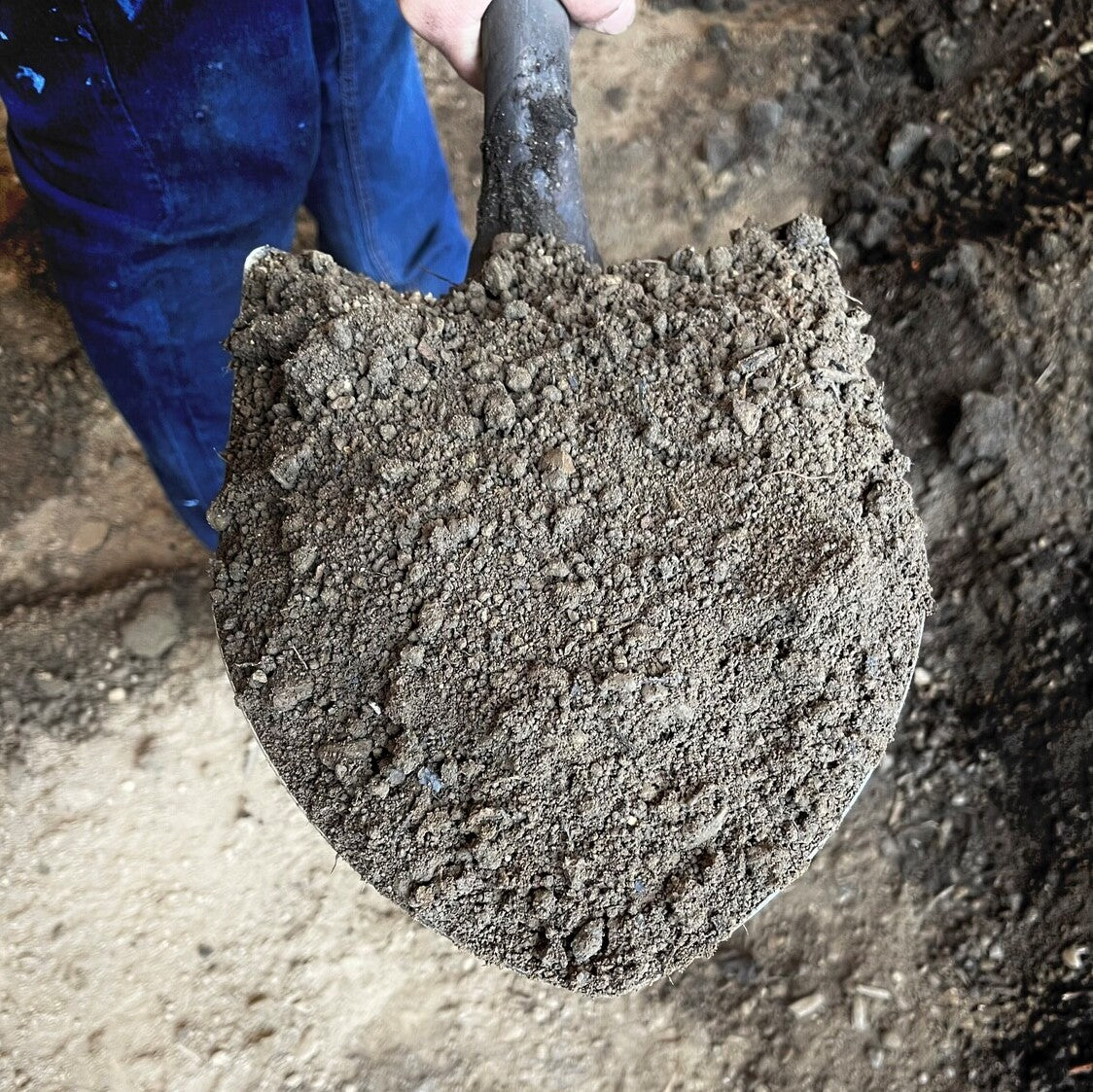
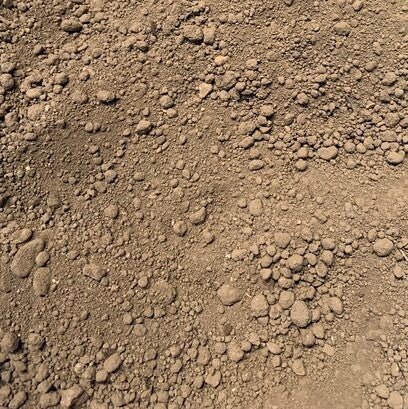
Topsoil is a general-purpose fill material best used for grading, filling low areas, and base work in St. Cloud yards where you need volume and structure. Garden soil is typically a richer blend with compost or organic amendments that provides the nutrient content and drainage needed for planting beds and vegetable gardens. Given how low in organic matter St. Cloud's native glacial till is, most planting applications benefit from a garden soil or a topsoil and compost mix rather than plain topsoil alone.
Answer
When should I do major soil work in St. Cloud?
The best windows for soil work in St. Cloud are late April through early June and again in late August through mid-September. Working soil too early in spring when glacial till is saturated from snowmelt compacts it further, so waiting until the ground has drained and dried after the last frost around May 7 is important. Fall soil work done by mid-September gives grass seed time to germinate and establish before the first frost on September 23.
Answer
Will a bulk soil delivery damage my lawn or driveway?
Our delivery trucks are designed to minimize impact, and placing the pile on your driveway or a designated area in your yard protects your lawn from the heaviest load. In St. Cloud, spring deliveries work best when soil moisture has dropped and the ground is firm, typically in May after several dry days following snowmelt. If your lawn is soft or recently thawed, we recommend placing the pile on your driveway or on plywood to spread the load.
Answer
How do I know how many cubic yards of soil to order for my project?
Measure the length, width, and desired depth of the area in feet and multiply all three numbers together, then divide by 27 to convert cubic feet to cubic yards. For a St. Cloud lawn repair project covering 500 square feet at a 2-inch depth, you would need about 3.1 cubic yards. It is always worth adding 10 to 15 percent to your estimate because glacial till areas often have more low spots than they appear to, and soil settles further after the first rain or frost cycle.
Mulch Mound Pro Tip
When grading or filling around your St. Cloud home's foundation, always slope soil away from the structure at a rate of at least 1 inch per foot for the first 6 feet. St. Cloud's spring snowmelt and heavy April rains can send significant water volume toward foundations, and even a slight grade toward the house allows water to pool against basement walls. Getting the grade right before planting over new soil prevents costly drainage problems later.
Mulch Mound Pro Tip
St. Cloud's growing season runs from May 7 to September 23, giving you roughly 139 days to establish plants in new soil. If you are filling raised beds or new planting areas, do it in early May so the soil has time to settle and warm before transplanting. Cold, freshly delivered soil in a raised bed can delay germination by one to two weeks if planted immediately, so let it sit exposed to sun for a few days before seeding.
Mulch Mound Pro Tip
Glacial till soil in St. Cloud has a high compaction tendency that can transfer into new topsoil layers over time through heavy foot traffic and freeze-thaw movement. Installing permanent stone pathways or stepping stones through garden areas keeps foot traffic off the soil surface and preserves the loose, aerated structure that you work to establish when you bring in new material. This is a simple long-term investment that pays off every growing season.
The Unique Landscape of St. Cloud
St. Cloud's native glacial till soil is a challenging foundation for lawns and gardens because it was deposited by glaciers and tends to be rocky, poorly sorted, and low in organic matter. The dense composition limits aeration and slows drainage, which means water can pool in low spots after the heavy rain events that Central Minnesota sees in spring and early summer. Adding quality bulk topsoil allows homeowners to correct grade issues, build up raised beds, and create a planting environment that actually supports root development rather than working against it. With a growing season that runs from roughly May 7 to September 23, every week of productive growing time matters, and well-amended soil helps plants establish faster and recover more quickly from the heat and drought stress of a Minnesota summer. Whether you are seeding a new lawn, establishing a vegetable garden, or repairing winter damage from frost heaving, bringing in the right soil is the most foundational investment you can make in your St. Cloud landscape.