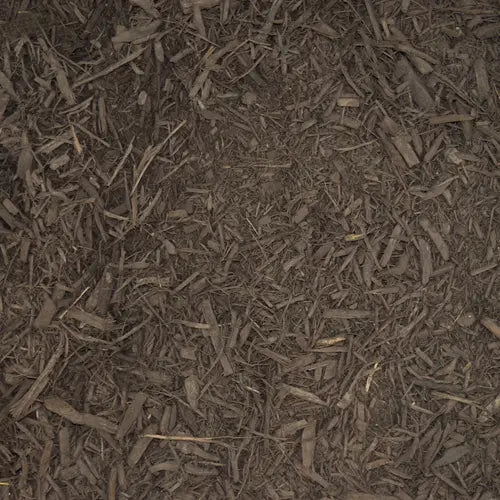
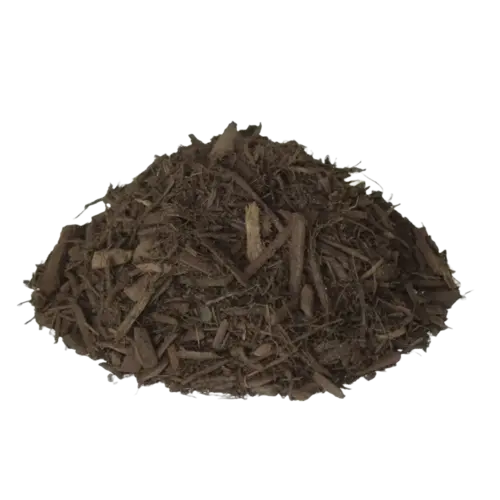
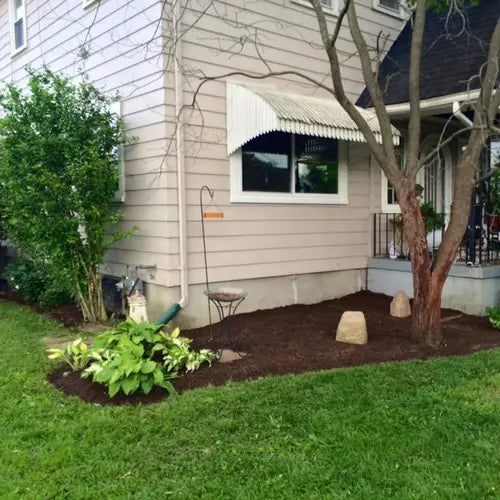
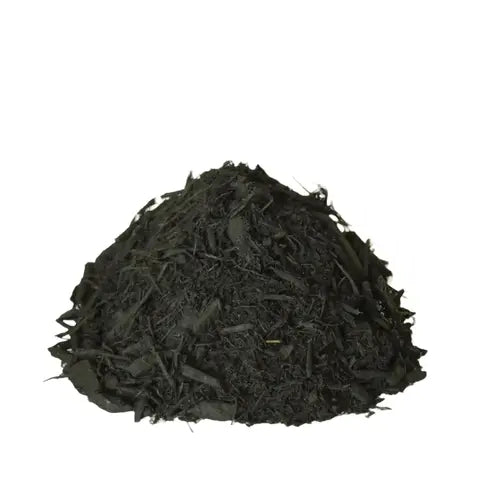
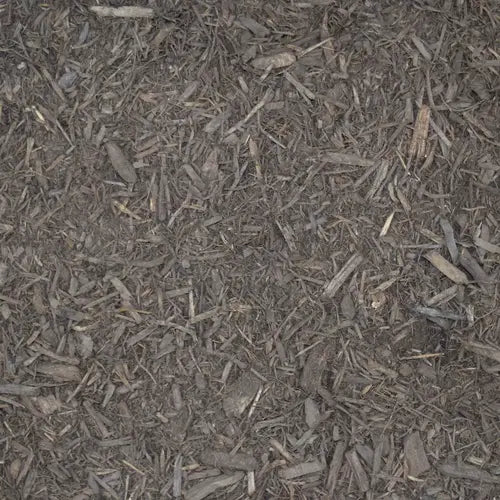
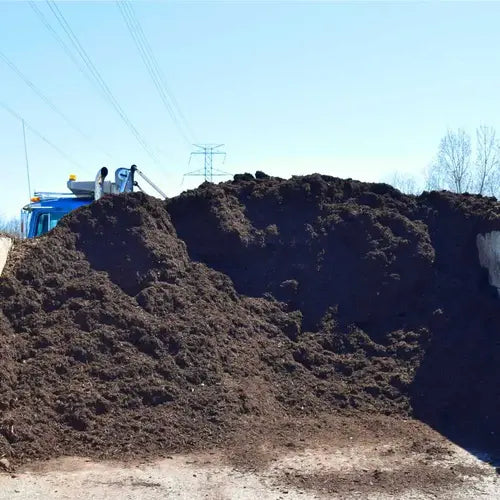
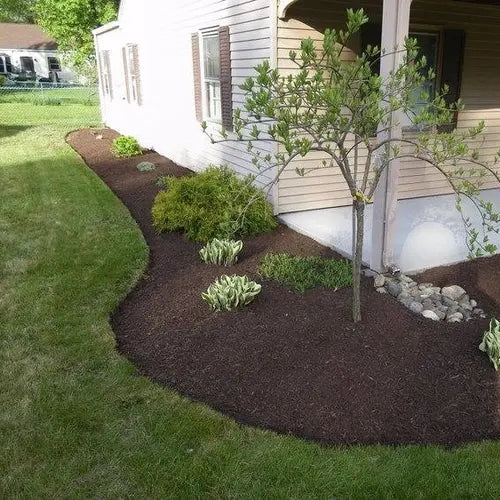
Warm brown double shredded mulch with lasting color that looks freshly applied for weeks. Spreads smooth, stays put, and gives beds a natural, polished appearance.
Great experience with mulch mound. Their online calculator made it easy to estimate how many yards of mulch I needed and delivery was quick. I would definitely recommend them for your future projects.
Tell us what you're looking for
Thanks! We received your request.
Something went wrong. Please try again.
How Much Material Do I Need?
For St. George landscapes, plan on a minimum of 3 inches of mulch depth to combat rapid moisture loss through sandy loam soil, and increase that to 4 inches for beds in full sun or areas planted with water-hungry ornamentals.
Use our free mulch calculator
What is a yard?
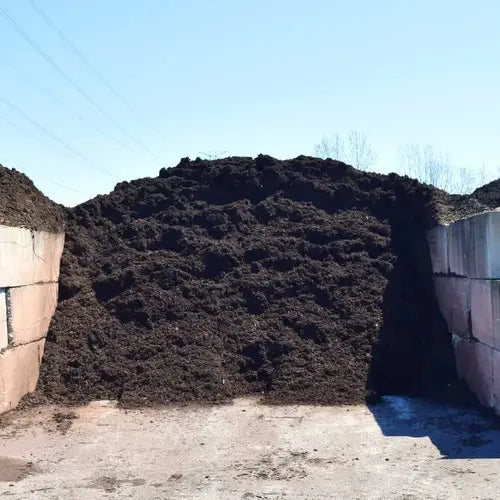
A yard is approximately 27 cubic feet. As a general guideline, one yard of material can cover an area of about 100-160 square feet at a 2-3 inch depth.
We can't take orders for this right now. Tell us what you need and we'll get back to you.
What do you need?
Thanks! We received your request.
Something went wrong. Please try again.
Hand-picked local yards
4,000+ regional deliveries
Dedicated support
Why order through Mulch Mound
The best local mulch, without the guesswork.
We hand-pick and partner with the best yards in your region, keep only the ones our buyers rate well, and back each load with our guarantee.
Mulch Mound Guarantee
If your mulch isn't the quantity or quality you ordered, we'll make it right.
About this mulch
Warm brown double shredded mulch with lasting color that looks freshly applied for weeks. Spreads smooth, stays put, and gives beds a natural, polished appearance.
Great experience with mulch mound. Their online calculator made it easy to estimate how many yards of mulch I needed and delivery was quick. I would definitely recommend them for your future projects.
How Much Material Do I Need?
For St. George landscapes, plan on a minimum of 3 inches of mulch depth to combat rapid moisture loss through sandy loam soil, and increase that to 4 inches for beds in full sun or areas planted with water-hungry ornamentals.
Use our free mulch calculator
What is a yard?
A yard is approximately 27 cubic feet. As a general guideline, one yard of material can cover an area of about 100-160 square feet at a 2-3 inch depth.
Great experience with mulch mound. Their online calculator made it easy to estimate how many yards of mulch I needed and delivery was quick. I woul...
Read full review
Great experience with mulch mound. Their online calculator made it easy to estimate how many yards of mulch I needed and delivery was quick. I would definitely recommend them for your future projects.
We needed mulch for our HOA common areas. Local providers were all holding high prices even for 40 yards of mulch. Mulch mound was easy to wowith...
Read full review
We needed mulch for our HOA common areas. Local providers were all holding high prices even for 40 yards of mulch. Mulch mound was easy to wowith & has great price for natural mulch + delivery schedule options. They called before delivery to ensure Delivery was exactly where we wanted it.
Delivery was on time and great quality Mulch. Got it done in a reasonable time and yard looks great. Couldn’t be happier!!! Thank you and will us...
Read full review
Delivery was on time and great quality Mulch. Got it done in a reasonable time and yard looks great. Couldn’t be happier!!! Thank you and will use again!!
Measure the length and width of each bed in feet, multiply them together, and divide by 100 to get the approximate cubic yards needed at a 3 inch depth. In St. George, where sandy loam soil has an uneven surface texture that can absorb more material than expected, adding 10 to 15 percent to your estimate helps ensure full coverage. Our calculator on the product page handles the math once you enter your bed dimensions.
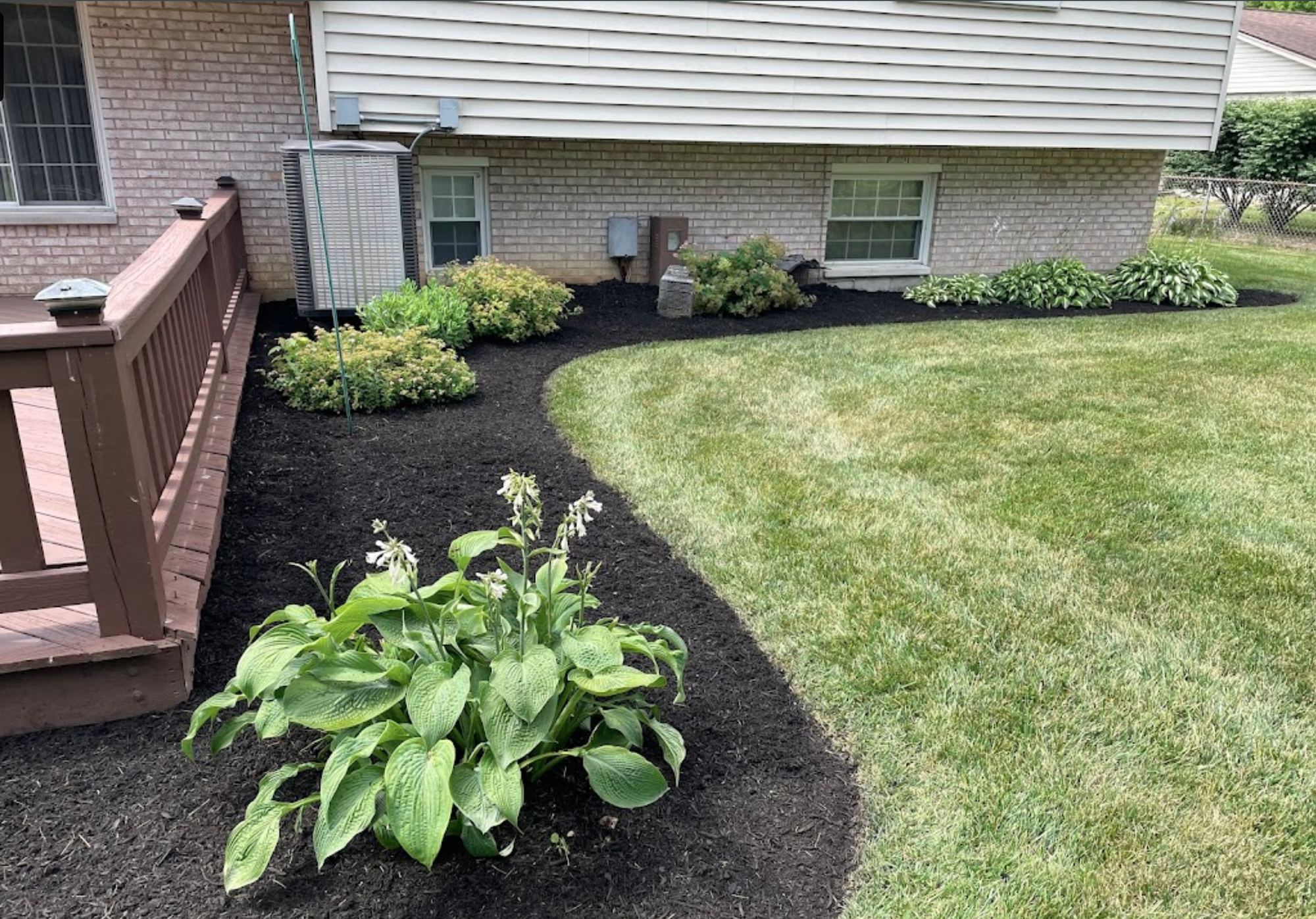
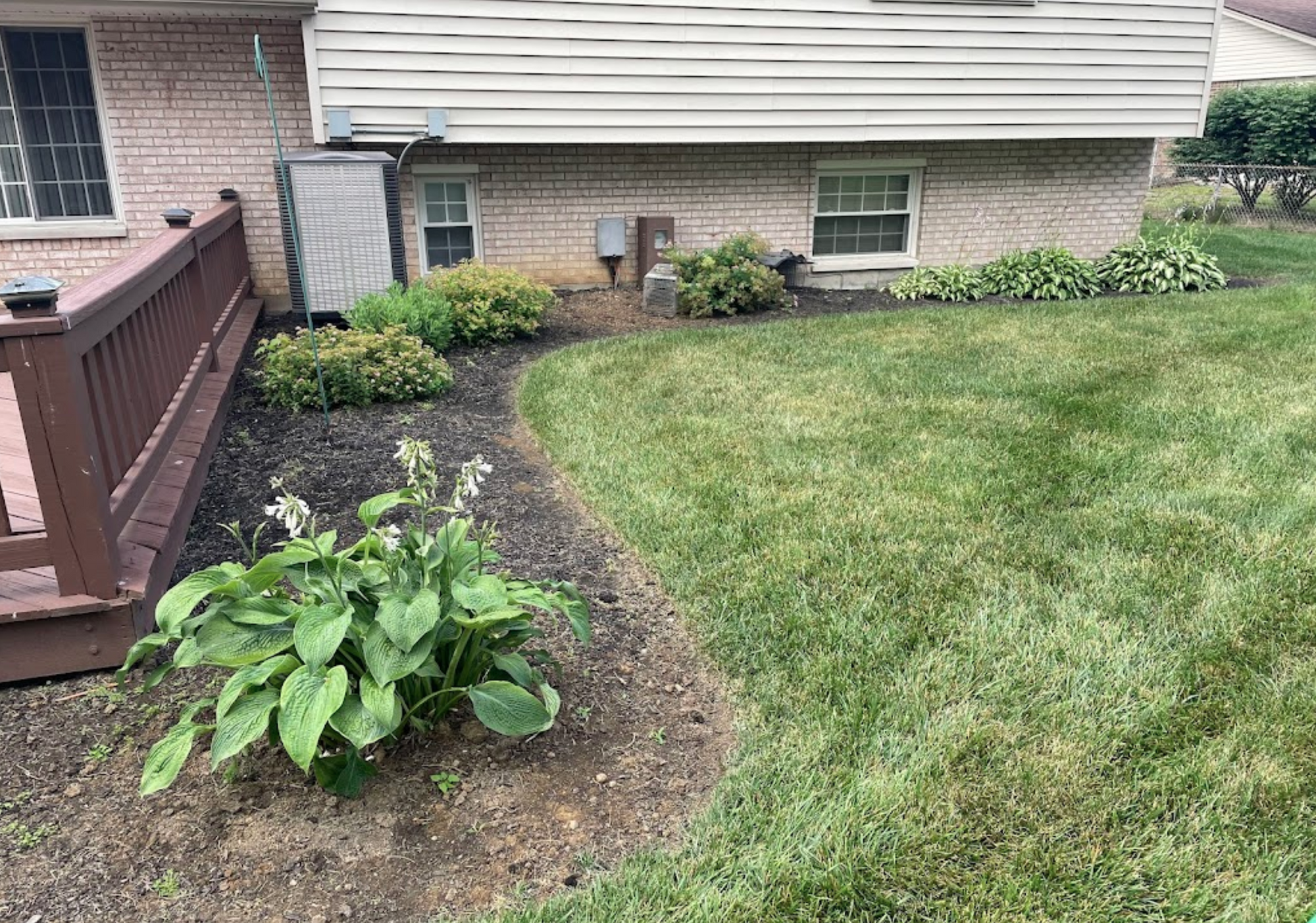
Mulch vs. No Mulch: The Difference
St. George's intense UV radiation and persistently low humidity cause natural wood mulch to fade and gray out much faster than it would in a wetter or cloudier climate, sometimes losing its color within a single summer season. Dyed mulch formulated with colorfast pigments holds up significantly better through the desert heat and sun, making it worth the slight cost difference when curb appeal and color consistency matter. Both options deliver the same practical benefits for moisture retention and weed suppression, so the decision really comes down to how often you want to refresh the look of your beds.
Before
After
Best Mulch Choice for St. George Lawns
Most yards in the St. George area sit on Sandy Loam type of soil. St. George's sandy loam drains so efficiently that bare plant beds lose surface moisture within hours of irrigation, leaving roots stressed through the long summer and forcing you to water more frequently than your plants actually need. A dense organic mulch layer is the most cost-effective solution for slowing that rapid evaporation and keeping the root zone consistently hydrated between watering cycles.
Hardwood Mulch
Hardwood mulch breaks down at a rate that gradually introduces organic matter into sandy loam, directly addressing one of St. George soil's biggest weaknesses, which is its naturally low organic content. As the hardwood fibers decompose season after season, they improve the soil's ability to hold nutrients and moisture, turning what was once a fast-draining, nutrient-poor bed into a more productive growing environment over time.
Mulch Types We Deliver in St. George
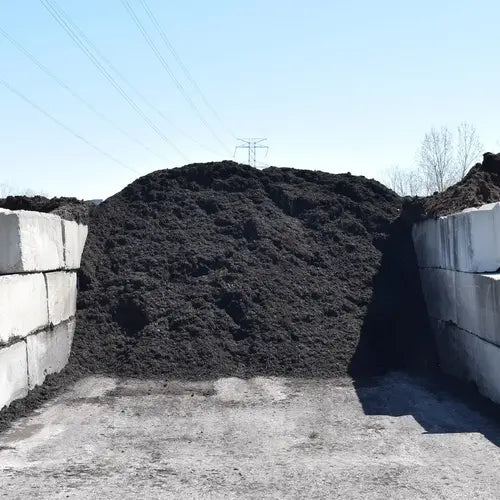
Getting fresh mulch by the cubic yard is one of the simplest ways to protect planting beds and improve curb appeal in St. George. We offer bulk mulch delivery in St. George so you can skip the bags and cover more ground with less effort. Every order is priced and measured by the cubic yard, making it easy to get exactly what your landscape needs.
Dyed Brown Mulch
Warm brown double shredded mulch that complements the earth tones and natural palette common in St. George landscaping. The lasting color stays vibrant despite intense desert sun, and the smooth texture helps lock moisture into sandy soils that dry out quickly. A reliable choice for borders, front beds, and low-water plantings.
Dyed Black Mulch
Bold black double shredded mulch that creates sharp contrast against the light stucco and warm stone tones common in this part of Utah. The deep color holds through heat and sun, and the refined texture spreads cleanly around desert shrubs, ornamental grasses, and accent boulders.
Natural Brown Mulch
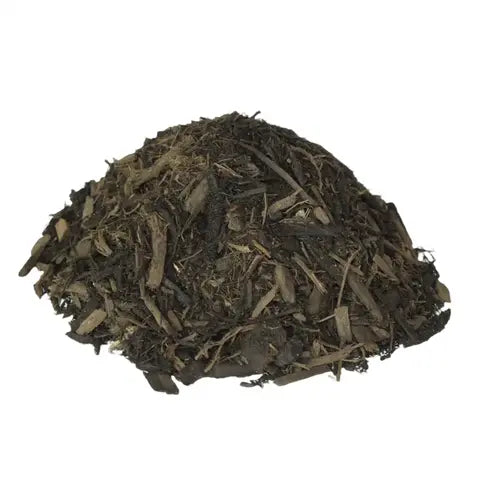
Undyed double shredded mulch with a warm, earthy tone that fits naturally into the desert palette of southern Utah yards. It breaks down over time to add organic matter to sandy or rocky soils, making it a practical pick for homeowners who want a clean, chemical-free finish for garden beds and tree rings.
Complete Your Outdoor Mulch Project
If your beds need a soil refresh before mulching, pair your mulch order with our bulk garden soil to amend St. George's sandy loam and give roots something to hold onto. Decorative stone from our inventory also works great as a border to keep mulch contained and to add contrast against the surrounding red rock terrain.
Keep mulch pulled back 2 to 3 inches from the base of tree trunks and shrub stems. In St. George's climate, where soil stays warm well into fall, mulch piled directly against plant stems can trap enough moisture to encourage crown rot and fungal issues, even in a desert environment. A small gap around the base lets air circulate and keeps stems dry while the surrounding root zone stays insulated and cool throughout the growing season.
Mulch Mound Pro Tip
Time your mulch application to hit the window between the last frost on March 20 and the first serious heat of late April. Applying mulch while the soil is still cool from winter helps lock in that lower temperature as the desert heat ramps up, giving your plants a head start before the 100-degree days arrive in earnest. Mulching too early in February can keep soil too cold and slow root activity just when plants are trying to wake up.
Mulch Mound Pro Tip
With only 8 inches of rainfall per year in St. George, your irrigation system is doing most of the heavy lifting, and mulch is your best tool for stretching each watering cycle further. A properly mulched bed can reduce irrigation frequency by 30 to 50 percent depending on plant type and sun exposure. Check your mulch layer depth every spring and after rare heavy rain events, as St. George's intense monsoon-style storms can shift and thin material in low spots over time.
Frequently Asked Questions
Click a question to see the answer
Answer
How much mulch do I actually need to retain moisture in St. George's heat?
In St. George's climate, where summer temperatures routinely exceed 105 degrees and the air stays extremely dry, a 3 to 4 inch layer is the minimum effective depth for meaningful moisture retention. At only 8 inches of annual rainfall, thinner layers evaporate too quickly to make a real difference in your irrigation schedule. For desert-adapted plants and native shrubs, aim for 3 inches, and for thirsty ornamentals or vegetable beds, push closer to 4 inches.
Answer
Will mulch stay put on my sloped yard, or will it wash away during a rainstorm?
St. George gets very little rain, but when storms do arrive they often come as intense, fast-moving events that can shift loose mulch on inclines. Shredded hardwood or chunk bark mulch tends to knit together and resist movement better than finely ground material on slopes. For steeper grades, consider pairing mulch with jute netting or using larger bark nuggets to keep everything in place during those rare but powerful downpours.
Answer
Does mulch really help with weed control out here, or do desert weeds just push through anyway?
A 3 inch layer of dense mulch significantly reduces germination of common St. George weeds like puncturevine, London rocket, and halogeton by blocking the sunlight those seeds need to sprout. Sandy loam is loose and well-drained, which actually makes it easier for weed seeds to establish when left bare, so mulch coverage is especially important in this region. Pairing mulch with a landscape fabric layer beneath it offers even stronger weed suppression for ornamental beds.
Answer
My soil is sandy and doesn't hold nutrients well. Can mulch actually improve it over time?
Yes, organic mulch like hardwood or wood chip blends slowly decomposes and works organic matter down into the sandy loam beneath it. St. George's native soil is low in organic content, so over one to two seasons the decomposing mulch feeds beneficial soil microbes and improves the soil's ability to hold both nutrients and moisture. It will not transform your soil overnight, but consistent mulch replenishment each year makes a noticeable difference in how plants perform.
Answer
How often do I need to reapply mulch given how intense the sun is here?
In St. George's high-UV environment and dry heat, organic mulch breaks down faster than it would in a cooler or wetter climate. Plan on topping off your beds once a year, ideally in early spring before the heat arrives, around late March after the last frost on March 20. A fresh 1 to 2 inch top-dressing each spring keeps the layer at the right depth and refreshes the color before summer sets in.
Answer
Should I pull my mulch back before the first frost in November, or leave it in place?
You actually want mulch in place heading into winter, not removed. After the first frost arrives around November 5, a maintained mulch layer insulates root zones from the temperature swings that can damage plant roots during cold nights. St. George winters are relatively mild but can deliver surprising hard freezes, and mulch acts as a buffer that keeps soil temperatures from dropping as sharply as air temperatures do.
Answer
What is the real difference between natural and dyed mulch for a St. George yard?
Natural hardwood mulch fades to a silver-gray within a single St. George summer because of the intense UV radiation and consistently low humidity, so it needs more frequent color refreshing. Dyed mulch formulated with colorfast carbon-based or iron oxide pigments holds its appearance much longer under the harsh desert sun, often staying vibrant for a full season. Both options deliver the same moisture and weed suppression benefits, so the choice comes down to how important consistent curb appeal is to you.
The Unique Landscape of St. George
St. George's sandy loam soil drains so quickly that plant beds dry out within hours of irrigation during the brutal summer months when temperatures regularly push past 110 degrees. With only 8 inches of rainfall per year, every drop of moisture counts, and a proper mulch layer is one of the most effective tools available to hold that moisture in the root zone. The intense desert sun also bakes exposed soil into a hard crust that repels water rather than absorbing it, making bare beds nearly impossible to irrigate efficiently. Mulch acts as a thermal blanket, keeping soil temperatures more stable through the swings between St. George's scorching summers and its cold nights after the November 5 first frost. Because decomposing organic mulch feeds sandy loam with organic matter it naturally lacks, it gradually improves soil structure over time while keeping beds looking clean and finished.