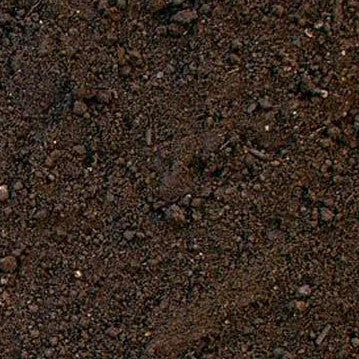
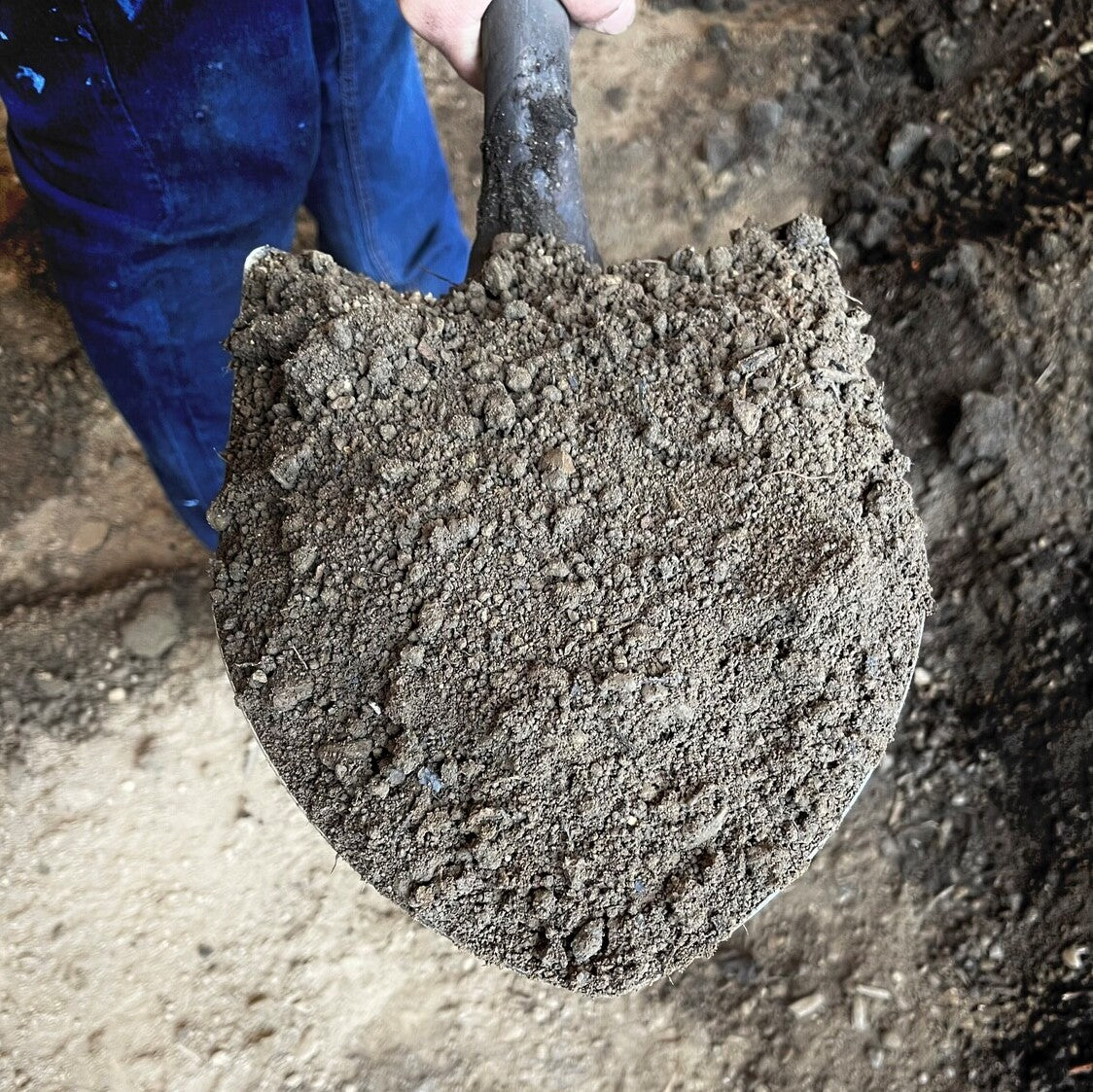
Quality topsoil for lawns, gardens, and landscape projects. Nutrient rich and ready to support strong root development and healthy plant establishment.
I used Mulch Mound to have 3 cubic yards of garden soil delivered. The process was easy and I love that I didn't have to call anyone. I placed my order online, picked my delivery date, laid out my tarp and the dirt was delivered. My delivery had to be pushed back, but I was ke...
Tell us what you're looking for
Thanks! We received your request.
Something went wrong. Please try again.
How Much Material Do I Need?
For lawn topdressing in St. George, 2 to 4 inches of quality topsoil is typically enough to improve the sandy loam surface and support healthy turf, while raised garden beds need a minimum of 12 inches of imported garden soil to give roots a truly productive growing environment.
Use our free soil calculator
What is a yard?
A yard is approximately 27 cubic feet. As a general guideline, one yard of material can cover an area of about 100-160 square feet at a 2-3 inch depth.
We can't take orders for this right now. Tell us what you need and we'll get back to you.
What do you need?
Thanks! We received your request.
Something went wrong. Please try again.
Hand-picked local yards
4,000+ regional deliveries
Dedicated support
Why order through Mulch Mound
The best local soil, without the guesswork.
We hand-pick and partner with the best yards in your region, keep only the ones our buyers rate well, and back each load with our guarantee.
Mulch Mound Guarantee
If your soil isn't the quantity or quality you ordered, we'll make it right.
About this soil
Quality topsoil for lawns, gardens, and landscape projects. Nutrient rich and ready to support strong root development and healthy plant establishment.
I used Mulch Mound to have 3 cubic yards of garden soil delivered. The process was easy and I love that I didn't have to call anyone. I placed my order online, picked my delivery date, laid out my tarp and the dirt was delivered. My delivery had to be pushed back, but I was ke...
How Much Material Do I Need?
For lawn topdressing in St. George, 2 to 4 inches of quality topsoil is typically enough to improve the sandy loam surface and support healthy turf, while raised garden beds need a minimum of 12 inches of imported garden soil to give roots a truly productive growing environment.
Use our free soil calculator
What is a yard?
A yard is approximately 27 cubic feet. As a general guideline, one yard of material can cover an area of about 100-160 square feet at a 2-3 inch depth.
I used Mulch Mound to have 3 cubic yards of garden soil delivered. The process was easy and I love that I didn't have to call anyone. I placed my o...
Read full review
I used Mulch Mound to have 3 cubic yards of garden soil delivered. The process was easy and I love that I didn't have to call anyone. I placed my order online, picked my delivery date, laid out my tarp and the dirt was delivered. My delivery had to be pushed back, but I was kept informed via text, which was great. So why not 5 stars? The description of garden soil on the website is "A balanced mix of topsoil and organic amendments ready for raised beds, flower gardens, and new planting areas. Good drainage, solid nutrients, easy to work with." What I got was more like fill dirt. It had a lot of gravel, a lot of clay, and random trash mixed in. I didn't test the soil to see if it actually had "amendments" because I already have compost and alpaca manure ready to add, but if I'd known the quality of the dirt was going to be the same as the bagged dirt I bought last year, I probably would have gotten 2 yards of top soil and a yard of leaf compost for better quality, especially since the leaf compost is cheaper. Photo of my mountain of dirt and just some of the trash I found in it.
To estimate your soil needs, measure your bed or lawn area in square feet and decide on your desired fill depth in inches, divide that depth by 12 to convert to feet, multiply by the area to get cubic feet, and then divide by 27 to arrive at cubic yards. In St. George, where sandy loam compacts minimally, your measurements are usually reliable, but ordering 10 percent extra is a good buffer for uneven terrain or unexpected depth in low spots. Our product page calculator simplifies the process once you enter your dimensions.
Soil Types We Deliver in St. George
The native desert ground in this part of southern Utah tends to be sandy, rocky, and low in organic matter, which is why so many local homeowners and landscapers rely on imported bulk soil to build productive lawns and gardens. We deliver quality soil by the cubic yard so you can fill raised beds, top dress turf, or prep new landscape areas without hauling bags from a store. If you have been looking for bulk topsoil by the yard in St. George, we offer a straightforward ordering process and dependable delivery.
Screened Top Soil
Top Soil is offered in a screened style, with rocks, clods, and debris removed for a clean and workable texture. In St. George, where native ground tends to be sandy or rocky with low organic content, this rich blend helps lawns, garden beds, and new plantings take hold and retain moisture through hot, dry summers.
Complete Your Outdoor Soil Project
Pair your soil order with a bulk mulch delivery to protect your new beds or lawn from St. George's drying heat once the soil is in place and planted. Decorative stone from our inventory can also be used to create clean borders around raised beds and to manage drainage in adjacent areas of the yard.
My yard is mostly sandy dirt. Do I need to replace it completely or can I just add new soil on top?
For most projects in St. George you do not need to replace your native sandy loam entirely, but you do need to add enough quality soil to create a proper growing layer on top. For lawn areas, a 2 to 4 inch topdress of quality topsoil worked into the existing surface can dramatically improve turf performance without a full excavation. For garden beds, building raised frames filled with 12 or more inches of imported garden soil gives you the most control over drainage and fertility without fighting St. George's native ground.
Answer
What kind of soil should I use for a vegetable garden in St. George?
Vegetable gardens in St. George need a soil blend that holds moisture longer than native sandy loam, drains well enough to avoid root rot, and carries enough organic matter to fuel fast-growing crops through the long season. A blended garden mix combining compost, screened topsoil, and some perlite or pumice for aeration works very well here. With the last frost around March 20 and the first frost not arriving until November 5, St. George's growing season is exceptionally long, meaning your soil needs to perform consistently for many consecutive months.
Answer
Can I use bulk soil to fix the low spots in my lawn where water pools after irrigation?
Yes, topdressing low spots with a quality sandy loam blend or screened topsoil is one of the most effective ways to correct drainage problems in a St. George yard. You want to avoid heavy clay-rich soils, which can worsen drainage in the high-desert environment by compacting under the heat and disrupting the existing soil structure. A topsoil that matches or complements St. George's native sandy loam will integrate well and solve pooling without creating new drainage problems elsewhere.
Answer
How deep should I fill raised garden beds with imported soil?
For raised beds in St. George, aim for at least 12 inches of quality garden soil to give vegetable roots room to grow without hitting compacted or nutrient-poor ground below. Deep-rooted crops like tomatoes, peppers, and squash, which all thrive in St. George's long warm season, prefer 18 inches or more of good growing medium. The deeper the bed, the better it insulates roots from the intense ground heat that builds up during July and August.
Answer
Is bulk soil worth it compared to just buying bags from the hardware store?
For anything larger than a couple of small raised beds, bulk soil is significantly more economical and practical than bagged products. A typical St. George landscaping project, whether a new lawn area, a large garden expansion, or a grading job, requires more soil than bags can reasonably provide, and the cost per cubic yard of bulk material is far lower. You also avoid the plastic waste and the effort of carrying and cutting open dozens of heavy bags in the summer heat.
Answer
My soil seems to repel water sometimes instead of soaking it in. What causes that in St. George?
This is called hydrophobic soil, and it is very common in St. George because the intense heat and low humidity cause the surface of sandy loam to dry out so completely that it actually repels water rather than absorbing it. When you irrigate or it rains, water sheets off the surface or channels through cracks instead of soaking in evenly. Incorporating fresh organic-rich topsoil and applying wetting agents to problem areas breaks this cycle and restores normal water infiltration.
Answer
When is the best time of year to bring in bulk soil for a new garden or landscaping project?
Early spring, in the weeks right after the last frost around March 20, is the ideal window for soil delivery and bed preparation in St. George. The ground is still workable and not yet baked by summer heat, which makes tilling, grading, and planting much more manageable. Finishing your soil work in March or early April gives plants the full benefit of the long growing season ahead and avoids trying to work ground that has been hardened by midsummer temperatures.
Mulch Mound Pro Tip
Before placing your soil order, check whether your project area needs to be broken up first. St. George's native sandy loam can form a hard, almost ceramic-like surface crust after a summer of baking under the desert sun. Breaking up that crust before adding new soil allows the fresh material to integrate properly with the native ground and prevents a layering effect where water drains quickly through the new soil and then pools at the boundary with the hardened surface below.
Mulch Mound Pro Tip
If you are building raised garden beds in St. George, position them to take advantage of morning sun and some afternoon shade during peak summer months. The combination of quality imported garden soil and strategic placement can dramatically reduce the stress your plants experience during July and August when temperatures regularly exceed 105 degrees. Even a few hours of afternoon shade can cut soil surface temperatures in your beds by 15 to 20 degrees, keeping roots healthier and reducing how often you need to irrigate.
Mulch Mound Pro Tip
When filling large areas with bulk soil in St. George, plan your project around the irrigation schedule you intend to use long term. Sandy loam-based topsoil integrates and settles well but needs consistent moisture during the first few weeks after installation to begin forming a stable structure. Set your irrigation to run lightly but frequently for the first two to three weeks after soil delivery, then transition to a deeper, less frequent schedule as the soil establishes and roots begin growing into it.
The Unique Landscape of St. George
St. George's native sandy loam drains beautifully but holds almost no nutrients or moisture, which creates a real challenge for homeowners trying to grow lawns, vegetables, or thirsty ornamentals in the desert heat. With only 8 inches of annual rainfall and summer temperatures that push past 110 degrees, thin or nutrient-poor soil means plants spend more energy searching for water and food than they do actually growing. Bringing in quality bulk topsoil or garden soil lets you build raised beds, level uneven terrain, and create growing environments that genuinely support healthy root systems. At an elevation of 2,860 feet, St. George also experiences sharper temperature swings than residents sometimes expect, and well-amended soil insulates roots through those transitions better than baked native ground does. Whether you are installing a new lawn, building out vegetable beds, or correcting drainage problems near your foundation, the right soil gives your entire project a productive foundation to work from.