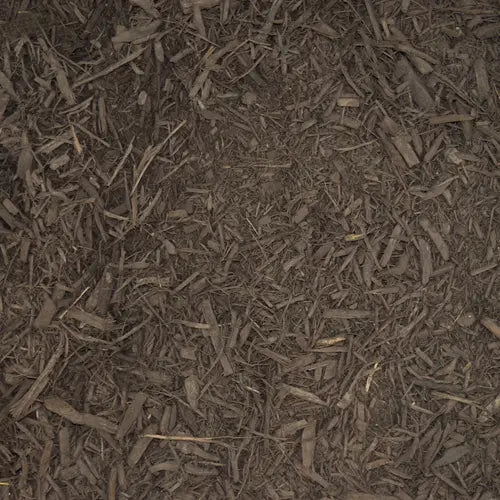
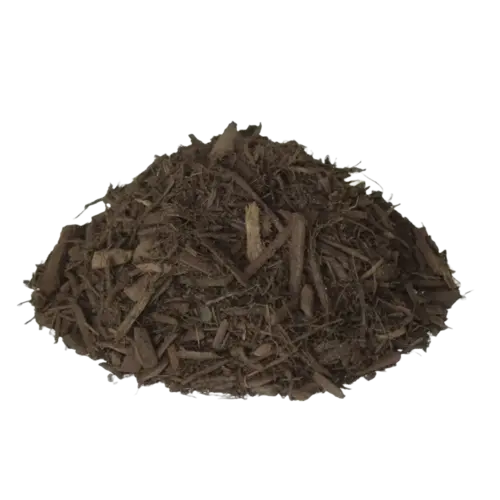
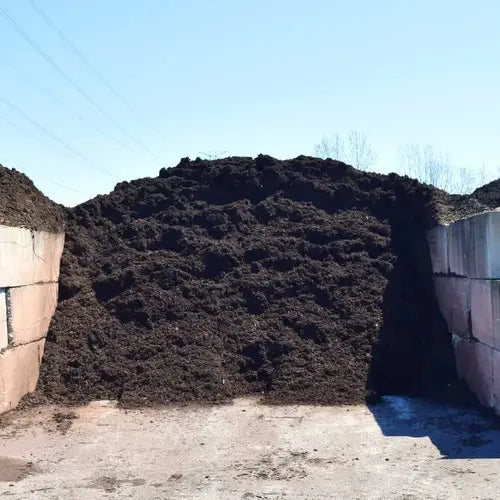
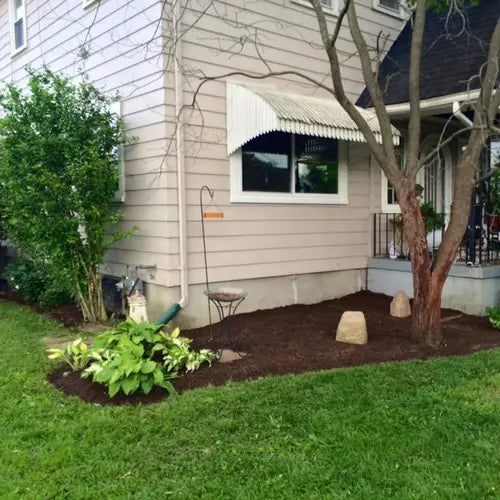
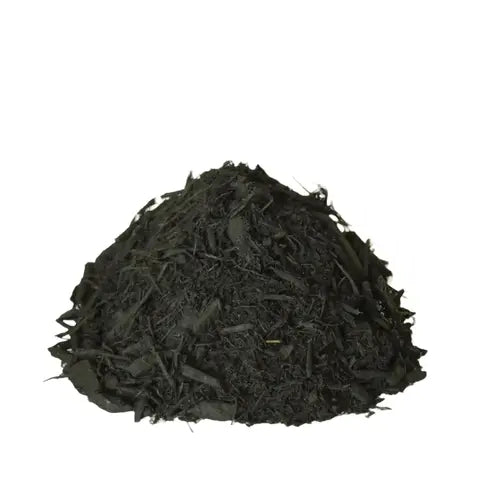
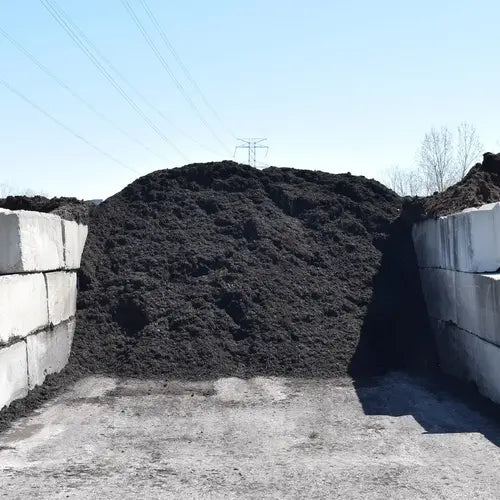
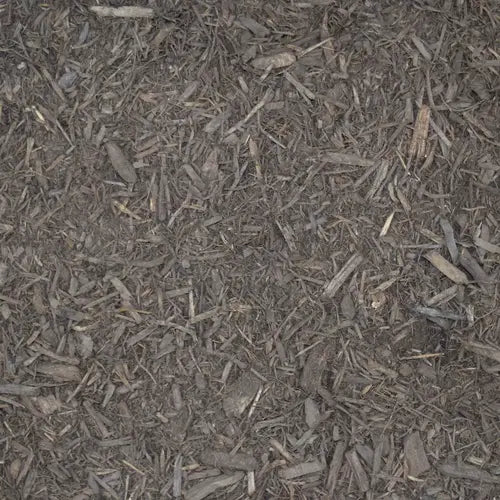
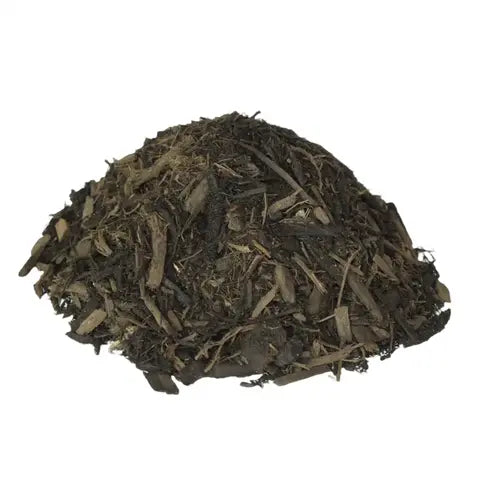
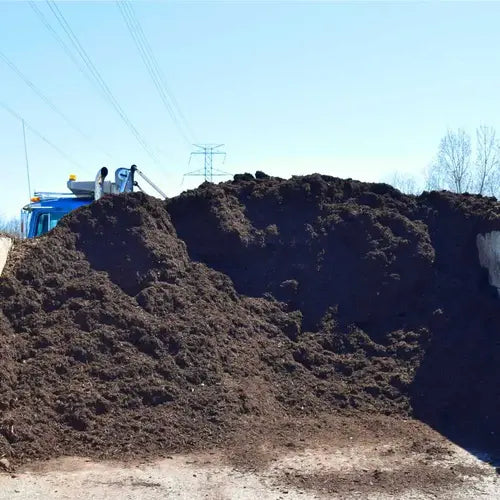
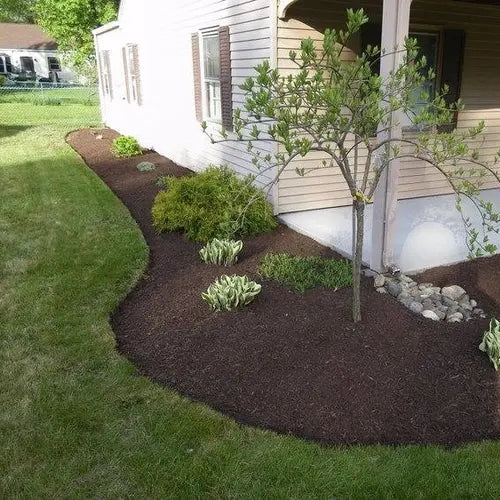
Warm brown double shredded mulch with lasting color that looks freshly applied for weeks. Spreads smooth, stays put, and gives beds a natural, polished appearance.
I can’t say enough good things about Mulch Mound! If you read my review below you will see I had a problem with my order. Mulch Mound was quick to respond and solved the issue with my delivery. Will definitely be a customer next year.
First time purchase...
Tell us what you're looking for
Thanks! We received your request.
Something went wrong. Please try again.
How Much Material Do I Need?
For St. Joseph's dense clay soil, plan for a minimum of 3 inches of mulch in all planted beds to offset how quickly clay sheds surface moisture during dry spells and to cushion soil from rain impact during wet periods. Slopes or areas that receive runoff from adjacent lawns may benefit from a 4-inch application to anchor the material and slow erosion between rain events.
Use our free mulch calculator
What is a yard?
A yard is approximately 27 cubic feet. As a general guideline, one yard of material can cover an area of about 100-160 square feet at a 2-3 inch depth.
We can't take orders for this right now. Tell us what you need and we'll get back to you.
What do you need?
Thanks! We received your request.
Something went wrong. Please try again.
Hand-picked local yards
4,000+ regional deliveries
Dedicated support
Why order through Mulch Mound
The best local mulch, without the guesswork.
We hand-pick and partner with the best yards in your region, keep only the ones our buyers rate well, and back each load with our guarantee.
Mulch Mound Guarantee
If your mulch isn't the quantity or quality you ordered, we'll make it right.
About this mulch
Warm brown double shredded mulch with lasting color that looks freshly applied for weeks. Spreads smooth, stays put, and gives beds a natural, polished appearance.
I can’t say enough good things about Mulch Mound! If you read my review below you will see I had a problem with my order. Mulch Mound was quick to respond and solved the issue with my delivery. Will definitely be a customer next year.
First time purchase...
How Much Material Do I Need?
For St. Joseph's dense clay soil, plan for a minimum of 3 inches of mulch in all planted beds to offset how quickly clay sheds surface moisture during dry spells and to cushion soil from rain impact during wet periods. Slopes or areas that receive runoff from adjacent lawns may benefit from a 4-inch application to anchor the material and slow erosion between rain events.
Use our free mulch calculator
What is a yard?
A yard is approximately 27 cubic feet. As a general guideline, one yard of material can cover an area of about 100-160 square feet at a 2-3 inch depth.
I can’t say enough good things about Mulch Mound! If you read my review below you will see I had a problem with my order. Mulch Mou...
Read full review
UPDATE!
I can’t say enough good things about Mulch Mound! If you read my review below you will see I had a problem with my order. Mulch Mound was quick to respond and solved the issue with my delivery. Will definitely be a customer next year.
First time purchase from Mulch Mound!! First what I liked! Easy to order online and straight forward pricing and delivery. The driver was on time and courteous and delivered my Mulch exactly where I requested! The product is of good quality and comparable to others I have purchased from before. Now what I DID’NT LIKE! I have been mulching the same house and yard for almost 20 years. I always order the same amount and don’t have any issues with covering the same area but this year I fell about a yard short. I was home when the mulch was delivered and when the driver dumped it I noticed that it seemed a bit less than I was used to. I didn’t apply it any thicker than usual and probably a bit thinner than usual because I was worried about running out.
Mulch Mound made it so easy! So happy with the pricing, turn around time, delivery and product. I submitted my online order on a Thursday. The mu...
Read full review
Mulch Mound made it so easy! So happy with the pricing, turn around time, delivery and product. I submitted my online order on a Thursday. The mulch was delivered to the designated location by a local landscape company at 8:30 a.m. the following Saturday morning. We had the job completed by that afternoon. We chose the natural brown mulch, and the plant beds are beautiful.
Measure the length and width of each bed in feet, multiply them together for square footage, then multiply by your desired depth in inches and divide by 324 to get cubic yards directly. St. Joseph's heavy clay means beds positioned at the bottom of a slope may need an extra half-inch of mulch depth on the downhill side to compensate for material that washes out during heavy spring rain events.
Mulch vs. No Mulch: The Difference
St. Joseph's combination of humid summers, 38 inches of annual rainfall, and clay-heavy soil accelerates the breakdown of natural hardwood mulch faster than it would in a drier or sandier environment. Natural mulch is the better long-term choice for amending clay beds because the decomposing material steadily builds organic content in the soil over multiple seasons. Dyed mulch resists that breakdown and holds its color longer through the growing season, making it a popular choice for high-visibility beds along driveways and front entries where appearance takes priority.
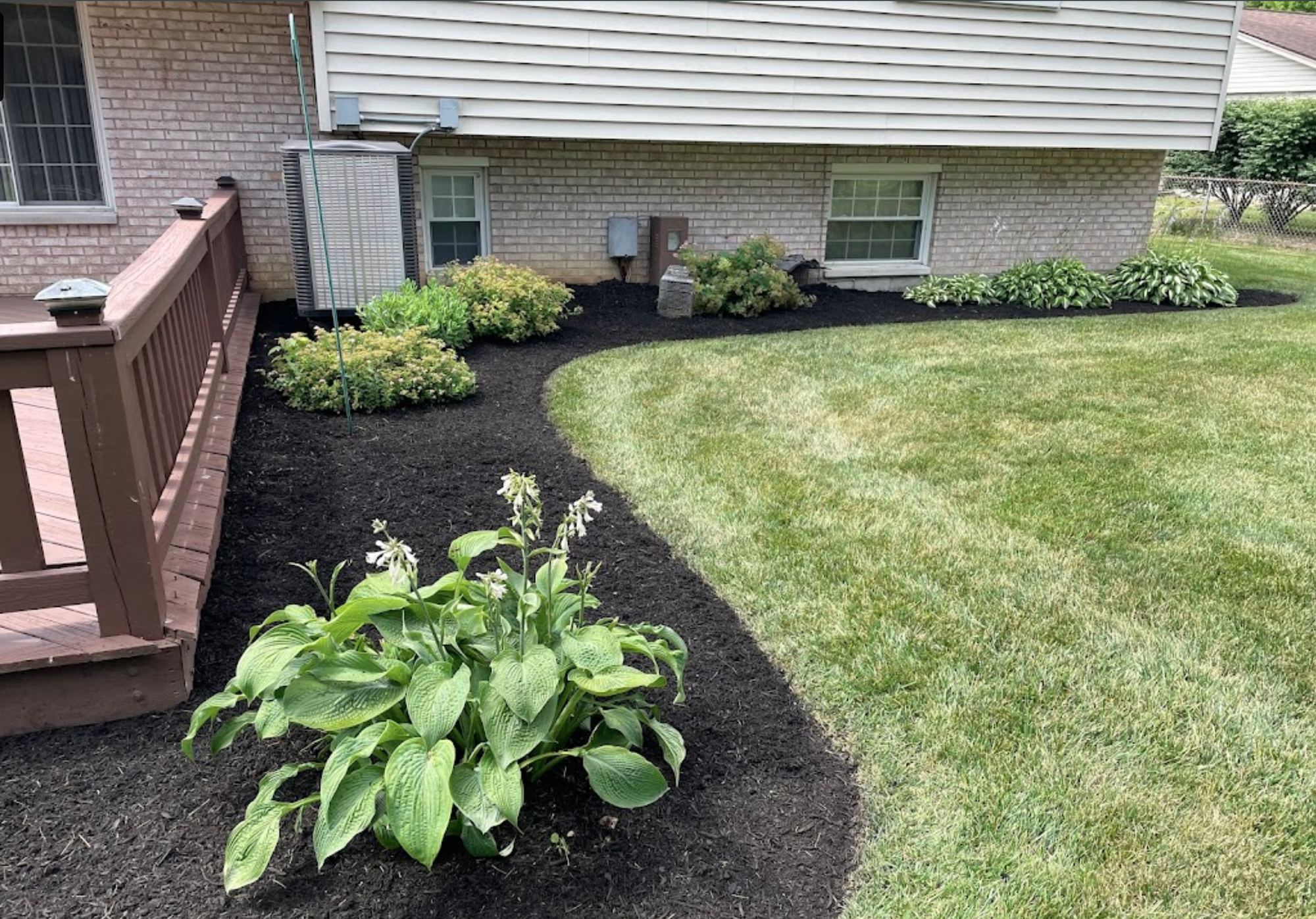
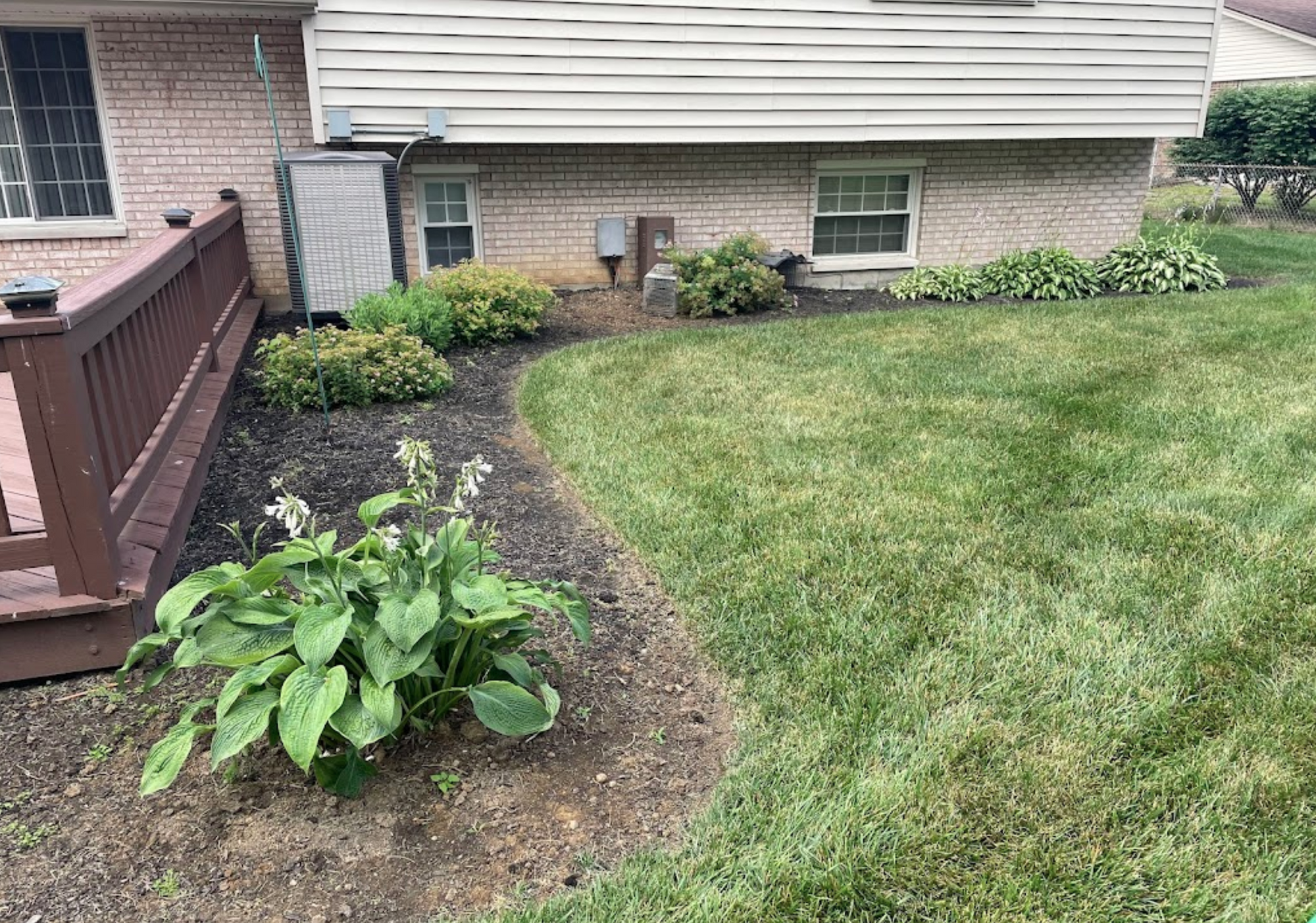
Before
After
Best Mulch Choice for St. Joseph Lawns
Most yards in the St. Joseph area sit on Heavy Clay type of soil. Heavy clay soil in St. Joseph compacts under rain impact and foot traffic, leaving plant roots competing for oxygen and available moisture at the same time. A consistent mulch layer shields the soil surface from direct rainfall, reducing compaction and helping roots in established beds breathe and expand through the growing season.
Hardwood Mulch
Hardwood mulch is particularly well-suited to St. Joseph's clay-dominated landscape because the humic compounds released during decomposition bind with clay particles and gradually open up the soil structure. Over two to three seasons of consistent top-dressing, hardwood mulch can meaningfully improve drainage and aeration in beds that previously held standing water for days after heavy spring rains.
Mulch Types We Deliver in St. Joseph
Mulch Mound delivers bulk mulch by the cubic yard directly to homes and properties throughout northwest Missouri. Whether you are topping off a few beds or covering a large yard, bulk mulch delivery in St. Joseph means you get a full load dropped exactly where you need it. Order in bulk and skip buying bags one by one.
Dyed Black Mulch
Dyed Black Mulch is available in double shredded style and delivers a bold, high-contrast look that suits the brick homes and manicured yards common in this part of Missouri. The rich color resists fading through hot, humid summers, so beds stay sharp and finished from spring planting through fall.
Dyed Brown Mulch
Dyed Brown Mulch comes in double shredded style and pairs naturally with the earthy tones and traditional landscaping found across northwest Missouri. The warm brown color holds strong through rain and heat, giving flower beds and tree rings a neat, natural finish that stays inviting all season.
Natural Brown Mulch
Natural Brown Mulch is an undyed double shredded option that brings a genuine wood tone to any bed or border. The earthy color fits naturally into the landscapes of northwest Missouri and suits homeowners who prefer an honest, organic look over brighter dyed alternatives.
Complete Your Outdoor Mulch Project
If your beds need better drainage or soil structure before you mulch, consider adding a bulk garden soil or compost-amended topsoil blend to raise and improve the planting area first. A crushed stone border along bed edges keeps mulch contained and adds a clean, low-maintenance finish that holds up through St. Joseph's wet springs without washing away.
St. Joseph's clay soil forms a hard surface crust after extended dry spells, and that crust can redirect runoff in ways that push mulch out of beds during the next heavy rain. Rake your mulch lightly with a bow rake after any extended dry period to break up surface compaction and re-fluff the layer before the next rainfall event. This simple step keeps mulch in place and restores the insulating air pockets that make it effective.
Mulch Mound Pro Tip
If you are mulching around young trees planted in St. Joseph's clay, keep mulch pulled back from the trunk in a donut shape rather than piling it against the bark. Clay soil already holds more moisture around root flares than lighter soils do, and a mulch volcano against the bark adds excess moisture that can cause crown rot in Zone 6a trees before they are well-established in the landscape.
Mulch Mound Pro Tip
With 38 inches of annual rainfall spread across St. Joseph's growing season, natural hardwood mulch breaks down noticeably faster here than it would in a drier climate. That rapid decomposition is actually a long-term benefit because it feeds soil biology and slowly improves clay texture over several seasons of consistent top-dressing. Plan to add a fresh inch of mulch each spring to maintain your target depth rather than applying a large amount every other year.
Frequently Asked Questions
Click a question to see the answer
Answer
How deep should I apply mulch in my St. Joseph garden beds?
Because St. Joseph sits on heavy clay soil that compacts and sheds water quickly, we recommend a 3-inch layer of mulch across established beds. That depth is enough to slow surface runoff, moderate soil temperature through Missouri's wide seasonal swings, and suppress annual weeds without matting down and blocking the rainfall the city receives throughout spring and early summer.
Answer
Will mulch help with the drainage problems caused by my clay soil?
Mulch does not fix clay drainage on its own, but it plays an important supporting role. By keeping the clay surface from sealing over after hard rains, mulch maintains the tiny air pockets near the surface that allow water to move downward rather than run off. Over time, decomposing hardwood mulch adds organic matter that gradually loosens clay structure throughout the root zone and improves drainage capacity.
Answer
When is the best time to mulch in St. Joseph?
The two most productive mulching windows in St. Joseph are late April after the average last frost of April 20, when soil is warming and spring rains are active, and early October before the first frost arrives around October 10. Spring mulching locks in soil warmth and available moisture, while fall mulching protects roots from the freeze-thaw cycles that are especially damaging in clay soil as it expands and contracts with rapid temperature changes.
Answer
How long does dyed mulch hold its color in St. Joseph's weather?
Most dyed hardwood mulches hold color well through one full growing season in St. Joseph. The city's 38 inches of annual rainfall and strong summer UV intensity do cause gradual fading by late summer, so many homeowners top-dress with a fresh thin layer of dyed mulch each spring to keep high-visibility beds looking sharp through the season.
Answer
Does mulch near my foundation attract termites in St. Joseph?
Termites are active throughout the Missouri River corridor including St. Joseph, so it is a good practice to keep mulch pulled back at least 6 inches from siding, wood trim, and foundation vents. Using a stone or gravel border directly against the foundation and placing mulch further out into the bed is a common and effective approach for homeowners in this area.
Answer
How many cubic yards of mulch do I need for a typical St. Joseph backyard bed?
For a bed that measures 200 square feet, you need roughly 2 cubic yards to achieve a 3-inch depth, which is the minimum we recommend for St. Joseph's clay soil conditions. Our calculator on this page will walk you through the math once you enter your specific bed dimensions.
Answer
Does mulch really help plants survive St. Joseph winters?
Yes, mulch is one of the most effective tools for winter plant protection in Zone 6a. In St. Joseph, soil temperatures drop sharply after the October 10 frost date, and clay soil freezes relatively deep because it conducts cold efficiently once saturated. A 3 to 4 inch mulch layer over perennial root zones delays that hard freeze, reduces frost heave damage to shallow roots, and shields plants through January and February cold snaps.
The Unique Landscape of St. Joseph
St. Joseph's heavy clay soil compacts tightly after rain and cracks open during dry summer stretches, creating a hostile cycle for plant roots in landscape beds. With 38 inches of annual rainfall arriving in bursts through spring and early summer, bare soil erodes quickly and loses surface structure between storms. A consistent mulch layer acts as a buffer between plants and Missouri's climate extremes, insulating roots against the freeze-thaw cycles that begin around the October 10 average first frost. The right mulch depth slows the surface runoff that clay soil encourages, giving moisture time to soak in rather than sheet across bed edges and down driveways. Keeping beds mulched year-round in St. Joseph means less hand-weeding, more even soil moisture through the hot July and August stretch, and healthier root systems heading into winter dormancy.