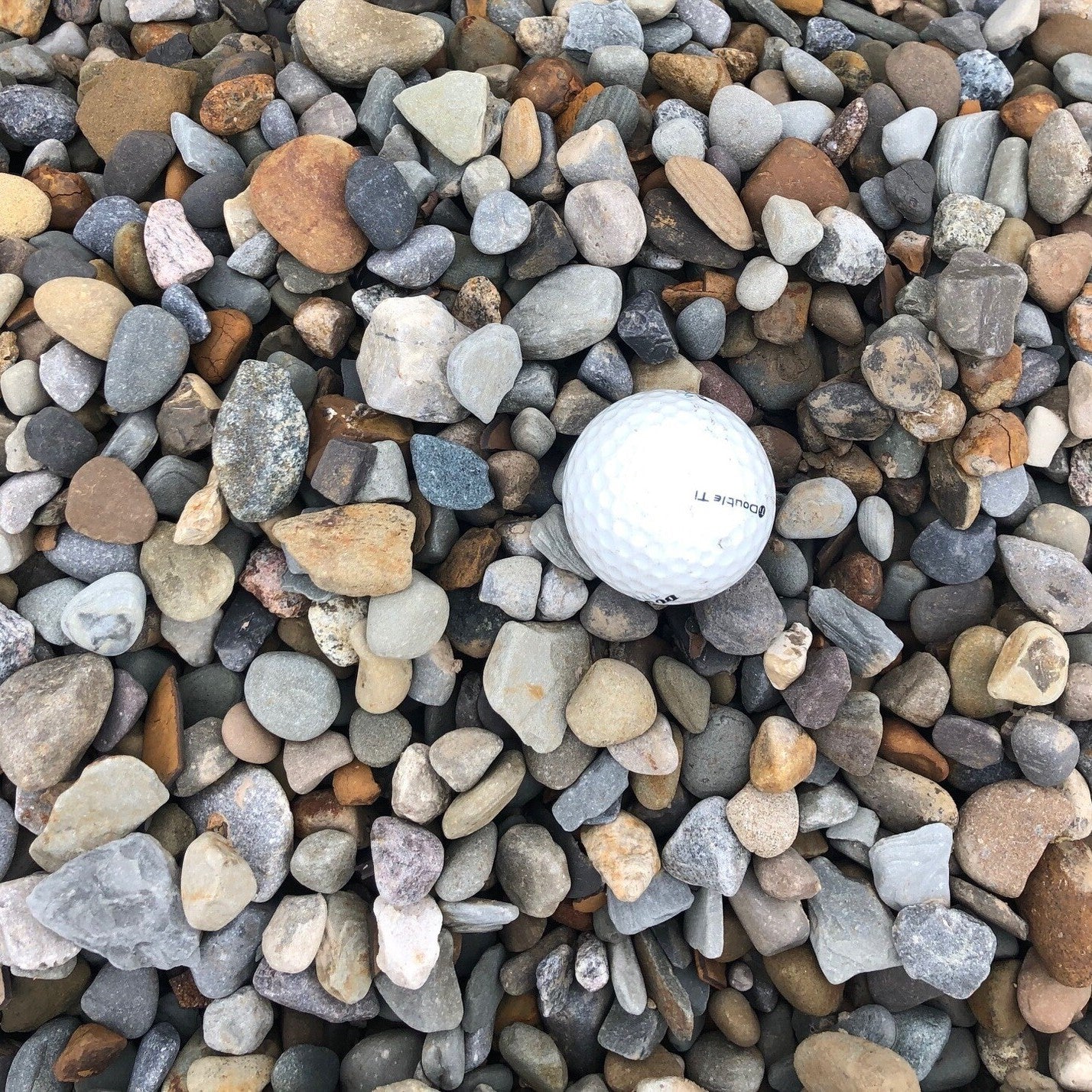
Number 57 crushed stone, angular limestone graded to about three quarters of an inch. The standard driveway, base and drainage gravel, it locks together under traffic and drains fast.
Mulch Mound delivered a yard of pea gravel to us. Delivery was on time, driver was friendly and hit a bullseye on the “tarp target”. We used the pea gravel (which was diameter as specified) to fill several muskrat holes around our pond. I would definitely recommend Mulch Mo...
Tell us what you're looking for
Thanks! We received your request.
Something went wrong. Please try again.
How Much Material Do I Need?
For decorative stone coverage in planting beds around St. Joseph homes, a 3-inch depth provides enough weight to resist displacement during the spring runoff events that clay soil creates as it sheds water quickly. Pathway and patio base applications typically need 4 inches of compacted crushed stone over clay subsoil to create a stable surface that resists frost heave and seasonal ground movement throughout the year.
Use our free gravel calculator
What is a yard?
A yard is approximately 27 cubic feet. As a general guideline, one yard of material can cover an area of about 100-160 square feet at a 2-3 inch depth.
We can't take orders for this right now. Tell us what you need and we'll get back to you.
What do you need?
Thanks! We received your request.
Something went wrong. Please try again.
Hand-picked local yards
4,000+ regional deliveries
Dedicated support
Why order through Mulch Mound
The best local stone, without the guesswork.
We hand-pick and partner with the best yards in your region, keep only the ones our buyers rate well, and back each load with our guarantee.
Mulch Mound Guarantee
If your stone isn't the quantity or quality you ordered, we'll make it right.
About this stone
Number 57 crushed stone, angular limestone graded to about three quarters of an inch. The standard driveway, base and drainage gravel, it locks together under traffic and drains fast.
Mulch Mound delivered a yard of pea gravel to us. Delivery was on time, driver was friendly and hit a bullseye on the “tarp target”. We used the pea gravel (which was diameter as specified) to fill several muskrat holes around our pond. I would definitely recommend Mulch Mo...
How Much Material Do I Need?
For decorative stone coverage in planting beds around St. Joseph homes, a 3-inch depth provides enough weight to resist displacement during the spring runoff events that clay soil creates as it sheds water quickly. Pathway and patio base applications typically need 4 inches of compacted crushed stone over clay subsoil to create a stable surface that resists frost heave and seasonal ground movement throughout the year.
Use our free gravel calculator
What is a yard?
A yard is approximately 27 cubic feet. As a general guideline, one yard of material can cover an area of about 100-160 square feet at a 2-3 inch depth.
Mulch Mound delivered a yard of pea gravel to us. Delivery was on time, driver was friendly and hit a bullseye on the “tarp target”. We used the ...
Read full review
Mulch Mound delivered a yard of pea gravel to us. Delivery was on time, driver was friendly and hit a bullseye on the “tarp target”. We used the pea gravel (which was diameter as specified) to fill several muskrat holes around our pond. I would definitely recommend Mulch Mound to a friend!
Placing an order online was so easy. Delivery was on time. When the driver realized we had a newly poured driveway they erred on the side of cautio...
Read full review
Placing an order online was so easy. Delivery was on time. When the driver realized we had a newly poured driveway they erred on the side of caution and opted not ti drive in it. The company even sent me a message explaining that call. Would recommend!
For stone coverage, measure your area in square feet, multiply by your desired depth in inches, and divide by 324 to get cubic yards. St. Joseph's freeze-thaw cycles can compress pathway and patio base layers noticeably during the first winter, so order 10 to 15 percent more than your calculated volume for any project where a compacted base layer is needed to account for settling after the ground freezes and thaws.
Stone Types We Deliver in St. Joseph
Homeowners and landscapers throughout the area rely on Mulch Mound for bulk stone delivery by the cubic yard, brought directly to their driveway or job site. If you have been searching for bulk gravel by the yard in St. Joseph, our selection of natural stone materials is sized and priced for projects large and small. The clay-heavy soils and variable seasons found across this part of Missouri make choosing the right stone important, and we are here to help you get it right.
Pea Gravel
Pea Gravel is a popular choice throughout northwest Missouri, where smooth, rounded stones in natural earth tones pair well with the traditional home styles common in this part of the state. It performs reliably in clay soil conditions, providing drainage for garden beds, patios, and walkways while adding a clean, finished look.
Complete Your Outdoor Stone Project
A layer of bulk mulch in adjacent planting beds pairs naturally with stone pathways and decorative borders, creating a finished landscape that handles both St. Joseph's wet springs and dry summer periods with minimal ongoing maintenance. If you are building raised beds or soil grade corrections alongside your stone project, scheduling both deliveries together keeps your project moving efficiently and avoids multiple delivery trips to your address.
Before spreading stone in any St. Joseph landscape bed, install a quality woven landscape fabric underneath the material. Clay soil in this area is dense enough that without a physical barrier, stone will slowly work its way downward into the clay layer over several wet and dry seasons, reducing surface coverage and allowing weeds to push up from below. Woven fabric allows rainfall to pass through to the soil while maintaining a clean separation between the stone layer and the clay beneath.
Mulch Mound Pro Tip
When building a crushed stone pathway through a St. Joseph yard, use steel or aluminum landscape edging on both sides to prevent material from migrating into the surrounding lawn over time. Clay soil heaves slightly during winter freeze-thaw cycles, and that movement gradually pushes gravel outward into adjacent grass over multiple seasons. A solid edging border set at least 3 inches deep stops that lateral migration and keeps the pathway looking clean without constant raking and repositioning.
Mulch Mound Pro Tip
Consider replacing struggling turf with a stone ground cover in the shadiest or most compacted corners of your St. Joseph yard where clay soil makes it difficult to establish and keep a lawn. Heavy clay under dense tree canopy compacts further from root competition and low light, and grass in those areas typically thins out and dies back by midsummer regardless of watering and fertilizing effort. A clean river rock or pea gravel installation in those zones eliminates a frustrating maintenance problem and gives the space a polished, finished appearance through all four seasons.
The Unique Landscape of St. Joseph
Decorative and functional stone is one of the most practical landscape materials for St. Joseph homeowners dealing with heavy clay soil and seasonal drainage challenges that organic ground covers cannot consistently handle. Clay soil in St. Joseph shrinks and swells dramatically with moisture changes, making it a poor base for high-traffic areas that need to stay stable and navigable year-round. Stone pathways, gravel drainage channels, and river rock borders hold their position through freeze-thaw cycles and remain accessible even after the heavy spring rains that turn clay-dominated lawns into muddy, soft surfaces. Beyond drainage function, stone adds low-maintenance color and texture to beds that might otherwise require seasonal replanting or regular mulch top-dressing throughout the Missouri growing season. With the first frost arriving around October 10 and springs that can bring weeks of saturated ground, stone features provide structure and visual interest through every season of the St. Joseph landscape year.
Frequently Asked Questions
Click a question to see the answer
Answer
What type of stone works best for drainage along my foundation in St. Joseph?
Clean washed crushed stone, typically a number 57 or number 8 limestone, is the most effective choice for foundation drainage borders in St. Joseph. The angular crushed surface locks together while still allowing water to move through freely, which is critical when clay soil sheds runoff toward your home during the heavy spring rain events that are common in northwest Missouri.
Answer
Will a gravel pathway hold up through St. Joseph winters?
Gravel and crushed stone pathways are among the most winter-resilient surface options available to St. Joseph homeowners. Unlike clay soil or bark mulch, stone does not heave significantly during freeze-thaw cycles, and it drains freely so ice does not accumulate the way it does on compacted solid surfaces. A properly edged gravel path installed on a compacted base stays functional through January and February cold stretches without needing seasonal maintenance or replacement.
Answer
How deep should gravel be installed for a drainage swale in St. Joseph's clay soil?
For a drainage swale in St. Joseph's clay-heavy soil, a minimum of 6 inches of washed gravel installed over a layer of woven landscape fabric is the recommended starting point. Clay subsoil beneath the stone can push upward over time and mix into the gravel if fabric is omitted, reducing drainage capacity and clogging the channel. In areas with significant slope or high runoff volume from impervious surfaces, increasing depth to 8 to 10 inches provides a more durable and long-lasting solution.
Answer
What size river rock should I use for a decorative border in my St. Joseph beds?
Two to three inch river rock is a popular choice for decorative borders in St. Joseph because it is large enough to stay in place during the heavy spring rains that can wash smaller material out of sloped beds. Smaller pea gravel works well in flat, fully contained areas with solid edging on all sides. River rock in the two-inch range requires no seasonal replacement unlike mulch, and holds its appearance through the full Missouri growing season without color fade.
Answer
Can I use stone instead of mulch in beds where I have had standing water problems?
Stone is an excellent alternative to mulch in St. Joseph beds that consistently hold standing water after rain. Unlike organic mulch, stone does not absorb moisture or break down in wet conditions, and it allows rainfall to pass through to the soil surface without creating a soggy surface mat. In areas with persistent drainage issues, pairing a 3-inch gravel layer with a subsurface French drain connection addresses both the visual problem and the underlying clay drainage limitation at the same time.
Answer
How much stone do I need for a patio base in St. Joseph's clay soil?
For a 10 by 20 foot patio, you need approximately 2.5 cubic yards of angular crushed stone at a 4-inch compacted depth, which is the recommended base thickness for pavers or flagstone set over clay subsoil. Clay soil expands with moisture, so a well-compacted base of angular crushed stone absorbs that seasonal movement and prevents the finished patio surface from shifting, cracking, or becoming uneven over multiple seasons.
Answer
Does stone get uncomfortably hot during St. Joseph summers?
Dark stone colors and small crushed material can become very warm on exposed south or west-facing surfaces during peak summer afternoons in St. Joseph, when temperatures regularly reach into the upper 80s and low 90s. Lighter-colored stone, including natural limestone or tan river rock, reflects more heat and stays cooler underfoot in open areas. Shade from mature trees or structures significantly reduces surface temperature on any stone type regardless of color.