




I needed 3 yards of top soil and that's what I got! Right on time and right where I asked it to be placed (Order# 2041).
About this soil
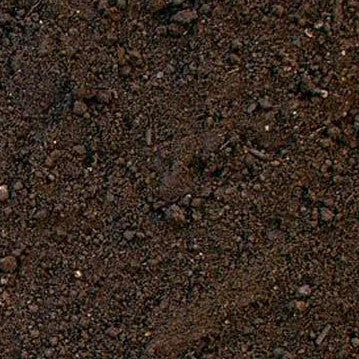
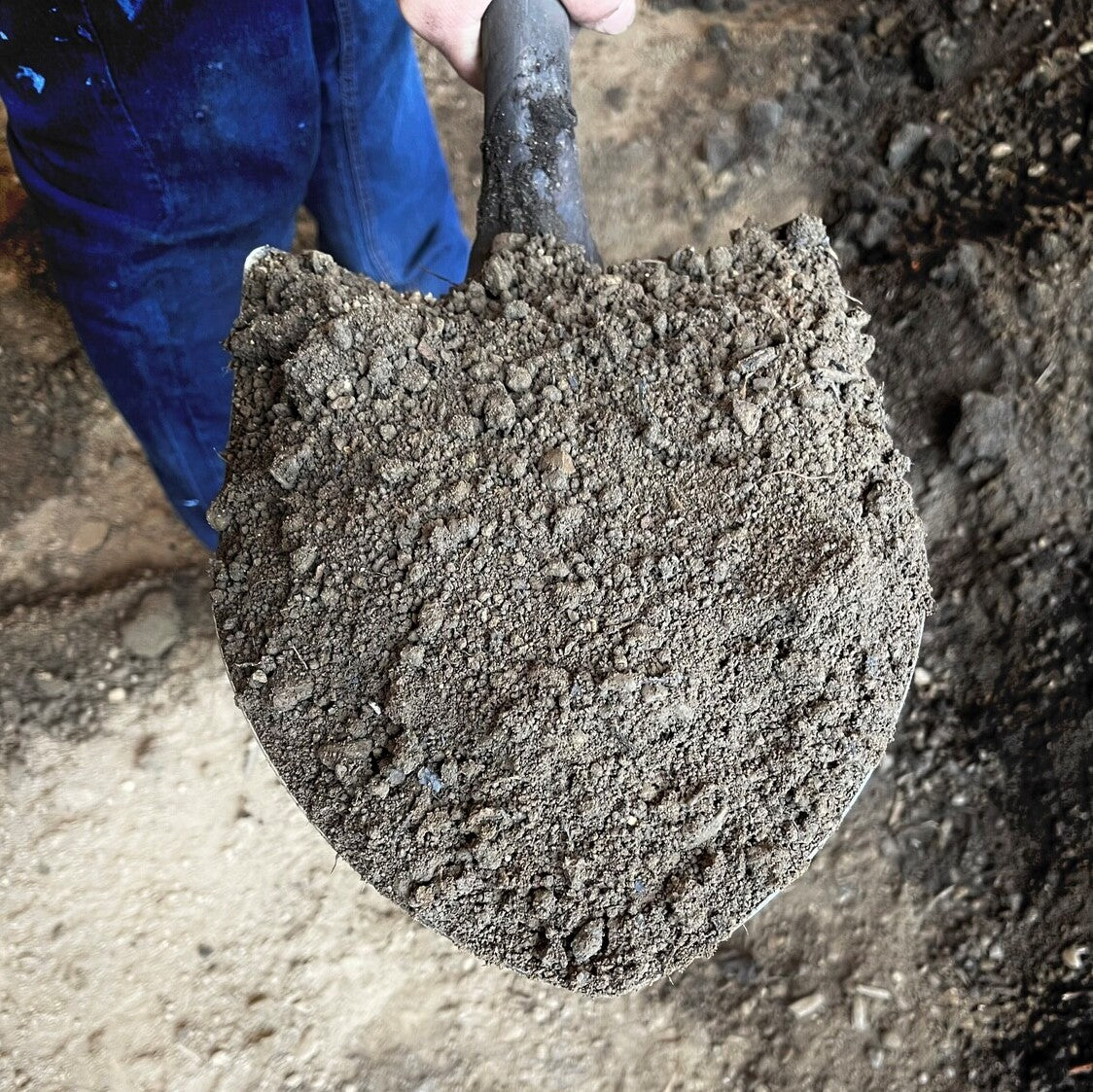
Quality topsoil for lawns, gardens, and landscape projects. Nutrient rich and ready to support strong root development and healthy plant establishment.
I needed 3 yards of top soil and that's what I got! Right on time and right where I asked it to be placed (Order# 2041).
Tell us what you're looking for
Thanks! We received your request.
Something went wrong. Please try again.
How Much Material Do I Need?
How Much Material Do I Need?
For lawn topdressing in St. Joseph, plan on approximately half an inch of screened topsoil across the surface, which equals roughly 1.5 cubic yards per 1,000 square feet. Raised beds and planting areas built from scratch over native clay typically need at least 8 to 12 inches of quality blended soil above the existing grade to give roots the drainage and nutrition they need to perform through the full growing season.
Use our free soil calculator
What is a yard?
What is a yard?
FAQs
FAQs
St. Joseph Soil Delivery
St. Joseph Soil Delivery
Regular price
$64.00
per
yard
Regular price
Sale price
$64.00
Unit price
per
Shipping calculated at checkout.
Minimum of 3 yard
Couldn't load pickup availability
Not currently available
We can't take orders for this right now. Tell us what you need and we'll get back to you.
Hand-picked local yards
4,000+ regional deliveries
Dedicated support
Why order through Mulch Mound
The best local soil, without the guesswork.
We hand-pick and partner with the best yards in your region, keep only the ones our buyers rate well, and back each load with our guarantee.
Mulch Mound Guarantee
If your soil isn't the quantity or quality you ordered, we'll make it right.
About this soil
Quality topsoil for lawns, gardens, and landscape projects. Nutrient rich and ready to support strong root development and healthy plant establishment.
I needed 3 yards of top soil and that's what I got! Right on time and right where I asked it to be placed (Order# 2041).
How Much Material Do I Need?
How Much Material Do I Need?
For lawn topdressing in St. Joseph, plan on approximately half an inch of screened topsoil across the surface, which equals roughly 1.5 cubic yards per 1,000 square feet. Raised beds and planting areas built from scratch over native clay typically need at least 8 to 12 inches of quality blended soil above the existing grade to give roots the drainage and nutrition they need to perform through the full growing season.
Use our free soil calculator
What is a yard?
What is a yard?
FAQs
FAQs
Tell us what you're looking for
Thanks! We received your request.
Something went wrong. Please try again.
How It Works
Getting started is easy — just follow these simple steps
1
Choose your soil
Make sure you adjust the quantity to your home's needs. You can use our calculator to estimate how much you'll need.
2
Select your delivery date
Select a delivery date you'd like for the product to be dropped off at your home
3
Sit back and wait
Sit back, wait, and let us work our magic to make sure the highest quality product is delivered to your driveway.

Highest compliments. Great driver.
Website is easy to navigate. Just a seamless process. 5 stars!!

Need Help Calculating How Much Soil You Need?
Use our NEW Trace from Satellite tool to get an estimate for your project based on an aerial view of your property
Try Our CalculatorMeasure the length and width of the area you are filling in feet, multiply together for square footage, then multiply by the depth in inches and divide by 324 to get cubic yards. For St. Joseph lawn leveling projects, factor in a 10 to 15 percent overage when ordering because screened topsoil will settle somewhat over the first wet season, especially when placed over the dense clay subsoil common throughout the area.
Soil Types We Deliver in St. Joseph
St. Joseph yards and gardens benefit from quality bulk soil delivered straight to your door by the cubic yard. Whether you are filling raised beds, grading a lawn, or restoring a garden after a tough Missouri winter, having the right soil on hand makes all the difference. We make it easy to order bulk topsoil by the yard in St. Joseph so your project stays on schedule.
Screened Top Soil
A nutrient-rich, screened topsoil suited for lawns, garden beds, and general landscaping across St. Joseph properties. The screening process removes rocks and debris, leaving a clean, workable material that supports strong root development. It performs well in Missouri's variable climate, helping new plantings establish quickly in both spring and fall.
Complete Your Outdoor Soil Project
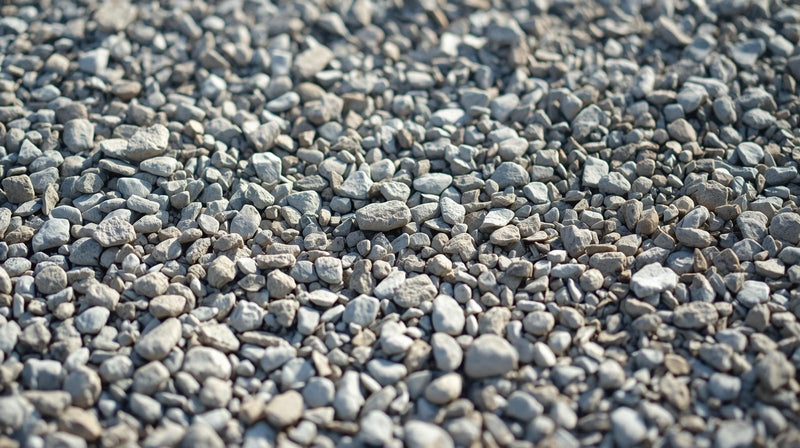
Once your soil grade is established, a layer of mulch over planting beds will protect the new soil surface from compaction and erosion during St. Joseph's heavy spring rains. Adding a stone border or gravel pathway around bed edges creates clean definition and keeps foot traffic off your new soil so it stays loose and workable through the growing season.

Service area
Areas we deliver soil in St. Joseph, Missouri
Mulch Mound Pro Tip
Before ordering bulk soil for a St. Joseph grade correction project, walk your yard after a significant rain event and mark every spot where water pools or drains slowly. Clay soil hides drainage problems during dry weather, and a wet observation is the most accurate way to identify exactly where fill is needed. This prevents guessing at grade and helps you order the right volume for the areas that matter most.
Mulch Mound Pro Tip
When filling raised beds in St. Joseph, do not skip the bottom drainage layer. Placing a 2-inch layer of coarse gravel or wood chip material at the base of deep raised beds before adding your soil blend gives excess moisture somewhere to go before it saturates the root zone. Clay subsoil beneath raised beds can act like a bathtub during wet years, and that bottom layer significantly reduces waterlogging in an otherwise well-amended growing space.
Mulch Mound Pro Tip
St. Joseph's growing season runs from roughly April 20 through October 10, and timing your soil delivery to arrive at least two weeks before your planned planting date gives material time to settle and allows any heat from active compost to dissipate. Fresh blended soils with high compost content can run warm right after delivery, and letting the pile air out before filling beds protects newly transplanted seedlings from root heat stress in their first critical weeks.
The Unique Landscape of St. Joseph
St. Joseph's native heavy clay soil creates real obstacles for anyone trying to establish a lawn, fill raised beds, or regrade a yard for better drainage. Clay expands when wet and contracts when dry, causing heaving and cracking that can undermine sod, shift garden borders, and make establishing new plantings unpredictable from one season to the next. With 38 inches of annual rainfall arriving in concentrated events through spring and early summer, low spots in yards collect standing water that can drown grass roots within days on clay-based ground. Imported bulk topsoil and blended garden soil give homeowners the ability to build up grade, fill beds with a workable growing medium, and create nutrient-rich layers above the underlying clay that plants can actually thrive in. Whether you are leveling a lawn section before the April 20 last frost or constructing raised vegetable beds in preparation for the growing season, quality bulk soil is the foundation every successful St. Joseph landscape project starts from.