Mulch Mound delivered a yard of pea gravel to us. Delivery was on time, driver was friendly and hit a bullseye on the “tarp target”. We used the pea gravel (which was diameter as specified) to fill several muskrat holes around our pond. I would definitely recommend Mulch Mo...
Tell us what you're looking for
Thanks! We received your request.
Something went wrong. Please try again.
How Much Material Do I Need?
Plan on two to three inches for established beds and three inches for new plantings in silt loam. Order about ten percent extra so you can feather out the edges and still have material for a mid-season touch-up.
Use our free mulch calculator
What is a yard?
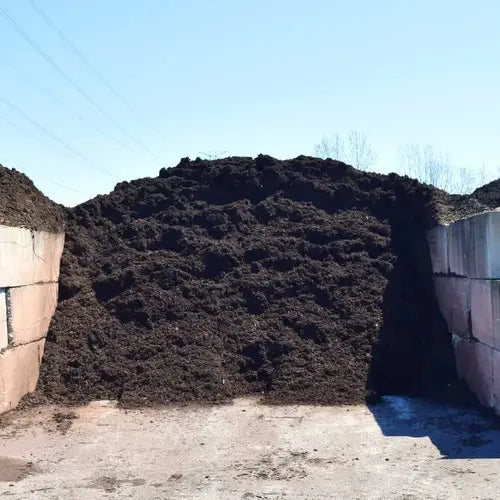
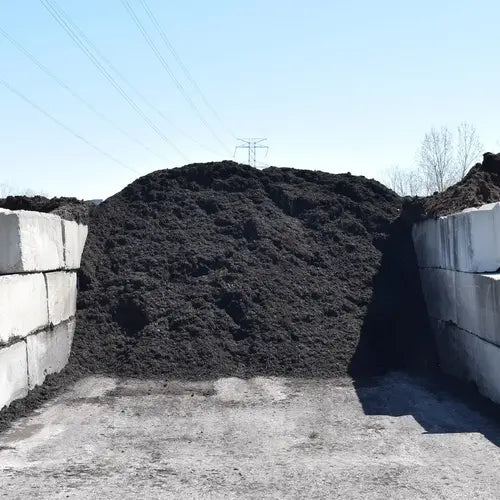
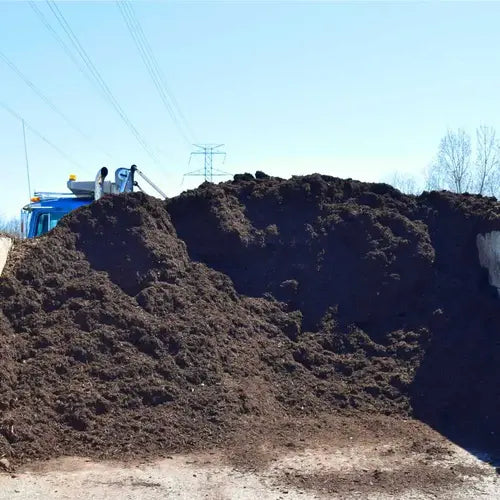
A yard is approximately 27 cubic feet. As a general guideline, one yard of material can cover an area of about 100-160 square feet at a 2-3 inch depth.
Mulch Mound delivered a yard of pea gravel to us. Delivery was on time, driver was friendly and hit a bullseye on the “tarp target”. We used the pea gravel (which was diameter as specified) to fill several muskrat holes around our pond. I would definitely recommend Mulch Mo...
How Much Material Do I Need?
Plan on two to three inches for established beds and three inches for new plantings in silt loam. Order about ten percent extra so you can feather out the edges and still have material for a mid-season touch-up.
Use our free mulch calculator
What is a yard?
A yard is approximately 27 cubic feet. As a general guideline, one yard of material can cover an area of about 100-160 square feet at a 2-3 inch depth.
Mulch Mound delivered a yard of pea gravel to us. Delivery was on time, driver was friendly and hit a bullseye on the “tarp target”. We used the ...
Read full review
Mulch Mound delivered a yard of pea gravel to us. Delivery was on time, driver was friendly and hit a bullseye on the “tarp target”. We used the pea gravel (which was diameter as specified) to fill several muskrat holes around our pond. I would definitely recommend Mulch Mound to a friend!
I can’t say enough good things about Mulch Mound! If you read my review below you will see I had a problem with my order. Mulch Mou...
Read full review
UPDATE!
I can’t say enough good things about Mulch Mound! If you read my review below you will see I had a problem with my order. Mulch Mound was quick to respond and solved the issue with my delivery. Will definitely be a customer next year.
First time purchase from Mulch Mound!! First what I liked! Easy to order online and straight forward pricing and delivery. The driver was on time and courteous and delivered my Mulch exactly where I requested! The product is of good quality and comparable to others I have purchased from before. Now what I DID’NT LIKE! I have been mulching the same house and yard for almost 20 years. I always order the same amount and don’t have any issues with covering the same area but this year I fell about a yard short. I was home when the mulch was delivered and when the driver dumped it I noticed that it seemed a bit less than I was used to. I didn’t apply it any thicker than usual and probably a bit thinner than usual because I was worried about running out.
Measure each bed separately, since most St. Paul lots are long and narrow with several odd-shaped beds rather than one big rectangle. Break curves into rough rectangles and triangles, add the square footage together, then choose your depth. One cubic yard covers about 108 square feet at three inches deep.
Mulch vs. No Mulch: The Difference
St. Paul cycles between humid 85 degree summers and long stretches of snow cover, and that combination is hard on organic mulch. Warm moist soil plus soil microbes means shredded hardwood can lose a third of its volume in one season, while stone and rubber hold their shape indefinitely. The tradeoff is that organic mulch keeps feeding the silt loam as it breaks down, which is exactly what most St. Paul beds need.
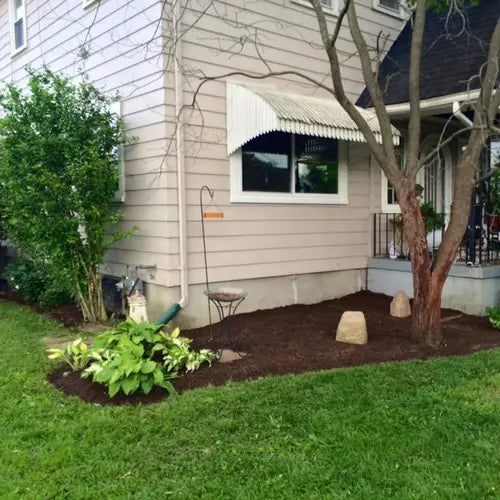
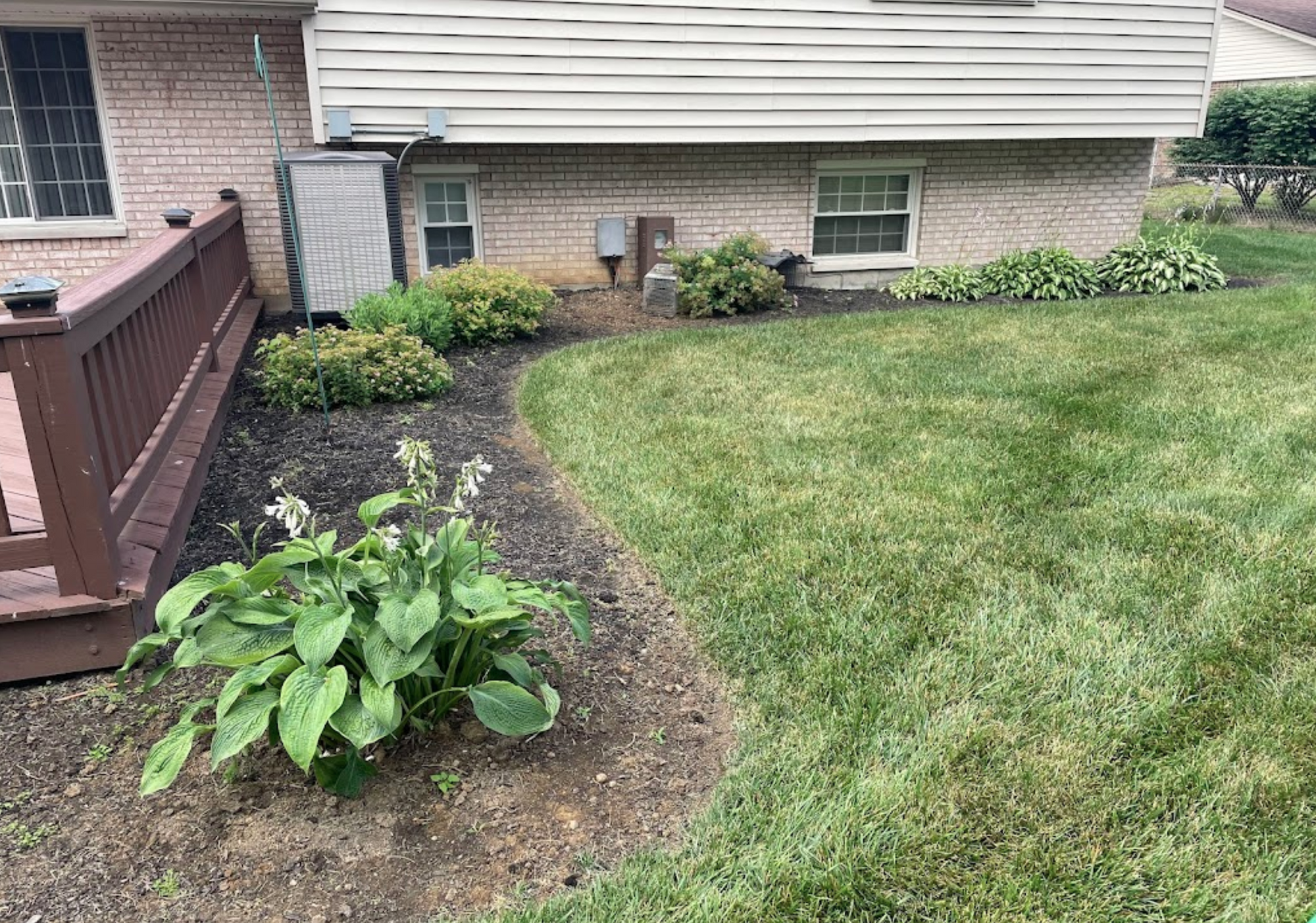
Before
After
Best Mulch Choice for St. Paul Lawns
Most yards in the St. Paul area sit on type of soil. Silt loam is the dominant soil across St. Paul, and while it holds nutrients and moisture well, it compacts easily under foot traffic and seals into a crust after our heavy summer downpours. That crust blocks air and water from reaching roots in plant beds.
Hardwood Mulch
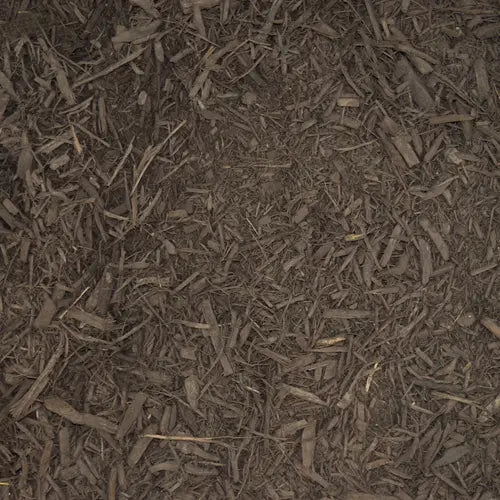
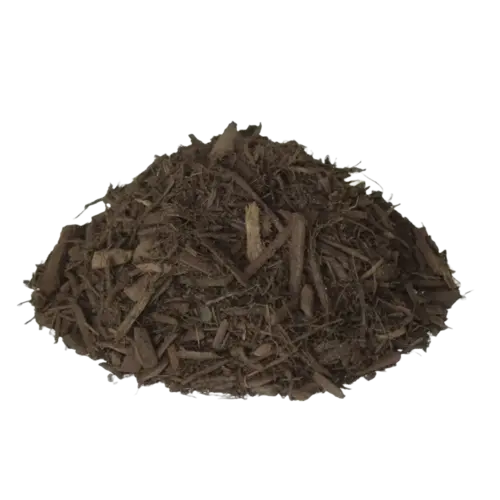
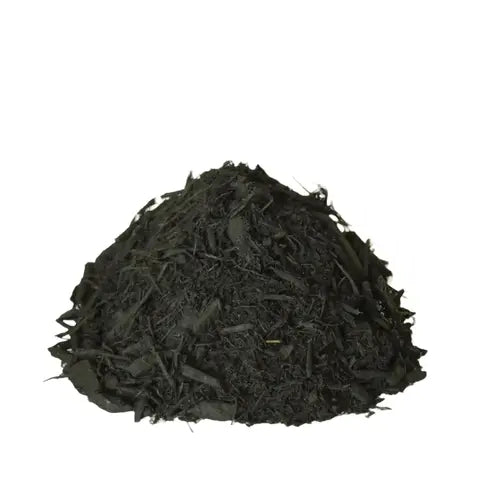
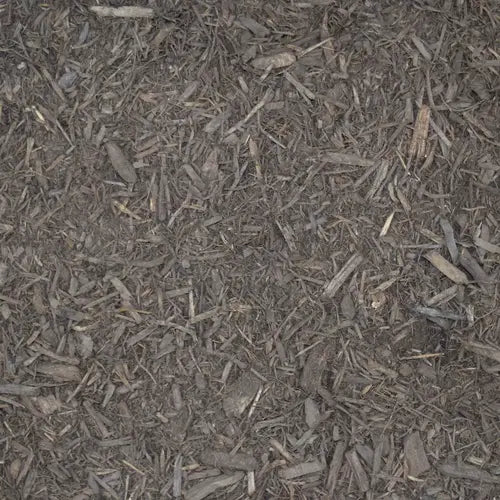
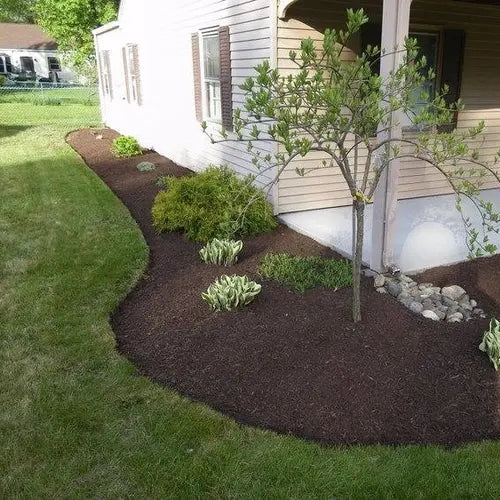
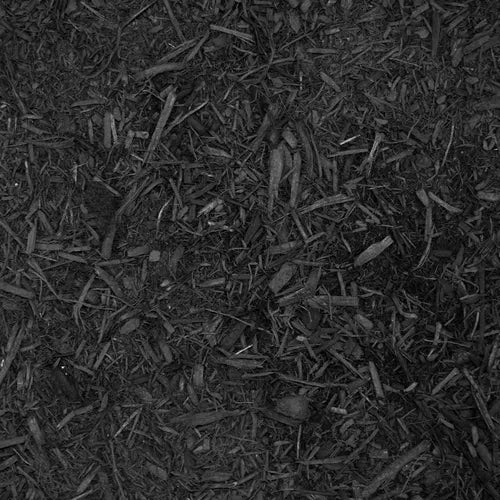
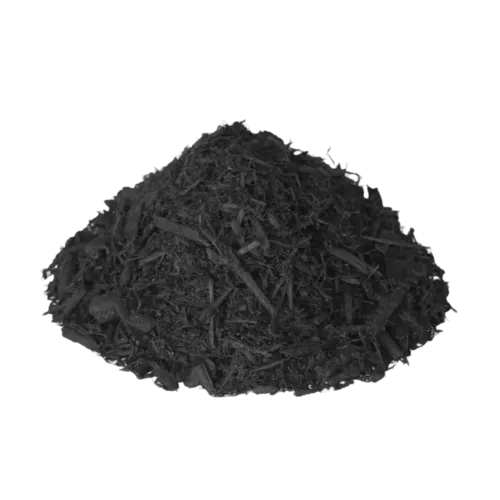
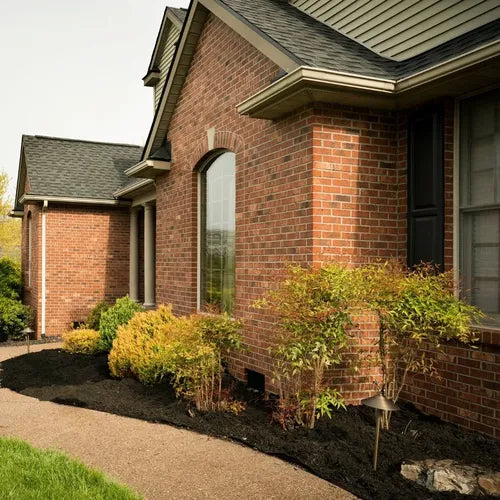
Shredded hardwood mulch is the practical fix for St. Paul silt loam. As the coarse fibers break down they add organic matter that opens up those tight particles, improving drainage and aeration, while the layer on top absorbs the impact of hard rain so the surface never crusts over.
Complete Your Outdoor Mulch Project
Pair your mulch with a few yards of compost or garden soil to work into the silt loam before you spread, and add decorative stone or edging to hold the mulch line along walkways and driveways.
Before you spread a single shovelful, break up the crust on your silt loam with a cultivator. St. Paul soil seals over after heavy rain and then bakes hard in August, and mulch laid on top of that crust just sits there while water runs sideways. Scratching the top inch or two lets the first rain carry moisture down instead of away, and it gives new roots somewhere to go.
Mulch Mound Pro Tip
Time your fall mulching by the ground, not the calendar. In St. Paul the first frost lands around October 8, but the soil does not really freeze until closer to Thanksgiving. Mulch too early and voles move in for the winter, chewing bark right at the snow line. Wait until the top inch of soil crunches, then lay three inches down and keep it off the trunks.
Mulch Mound Pro Tip
Rake your existing mulch before adding new material. After a St. Paul winter under snow cover, last year's layer is often matted into a water-shedding mat that keeps June rain from reaching roots. Break it up with a stiff rake, check your depth, and add only the inch or so you actually need. Most homeowners here overbuy because they never measure what is already down.
Frequently Asked Questions
Click a question to see the answer
Answer
When is the right time to mulch in St. Paul?
Wait until the silt loam has drained and warmed, which in St. Paul usually means the second week of May, a bit after the April 30 average last frost. Mulching too early over cold wet soil slows root activity and can hold frost in the ground. A second light top-up in October, before the October 8 first frost, protects perennials through the winter heave.
Answer
How deep should mulch go in a St. Paul flower bed?
Two to three inches is right for most St. Paul beds. Silt loam holds moisture well, so going deeper than three inches can keep the soil soggy and invite root rot during a wet June. Around trees, keep the same depth and pull mulch back a few inches from the trunk flare.
Answer
Will mulch help my plants survive a St. Paul winter?
Yes, and it is one of the cheapest forms of winter insurance in Zone 5a. Our freeze and thaw swings, especially during January thaws and March, push shallow-rooted perennials and new plantings up out of silt loam. A three-inch layer applied after the ground starts to freeze in late October keeps soil temperature steadier and reduces that heaving.
Answer
Does mulch attract termites or carpenter ants near my house?
Termites are rare in Ramsey County, but carpenter ants are not. Keep mulch six inches back from siding and foundation walls, and keep it below the level of any wood sill. That gap also helps the foundation dry out after the heavy summer rains St. Paul tends to get in short bursts.
Answer
How often do I need to replace mulch here?
Most St. Paul homeowners top up once a year with about an inch. Our warm humid summers and long snow cover speed up decomposition, so hardwood mulch usually loses noticeable volume in a single season. You are refreshing, not starting over, so measure your remaining depth before ordering.
Answer
My yard slopes toward the river bluff. Will mulch wash away?
On bluff-side lots in Highland Park, Dayton's Bluff, and the West Side, use shredded hardwood rather than nuggets. The stringy fibers knit together and grip the slope, while nuggets float and roll during a two-inch thunderstorm. On anything steeper than a three to one slope, consider a jute netting or a stone edge at the bottom to catch runoff.
Answer
Can I mulch over creeping charlie instead of pulling it?
Mulch alone will not stop creeping charlie, which is everywhere in St. Paul's older shaded yards. It spreads by stolons and will run right through three inches of mulch. Pull or smother it first with cardboard, then apply mulch on top to keep new seedlings from establishing in the exposed silt loam.
The Unique Landscape of St. Paul
St. Paul beds sit on silt loam that packs tight after the spring melt and then crusts over during the dry stretch that usually shows up in late July. Mulch is the buffer that keeps that crust from forming, holding the top few inches loose and workable so roots can breathe. With only about 34 inches of rain a year and most of it arriving in heavy June and July downpours, a mulch layer is what keeps moisture in the root zone instead of sheeting off toward the storm drains along Summit or down the river bluffs. Zone 5a winters bring freeze and thaw cycles that heave shallow perennials right out of the ground, and a fall mulch layer moderates that swing. Between the last frost around April 30 and the first frost near October 8, you only get about 160 growing days in St. Paul, so anything that protects root temperature and moisture during that window pays off. Mulch also keeps creeping charlie and garlic mustard, both common in older St. Paul neighborhoods, from claiming open soil.