



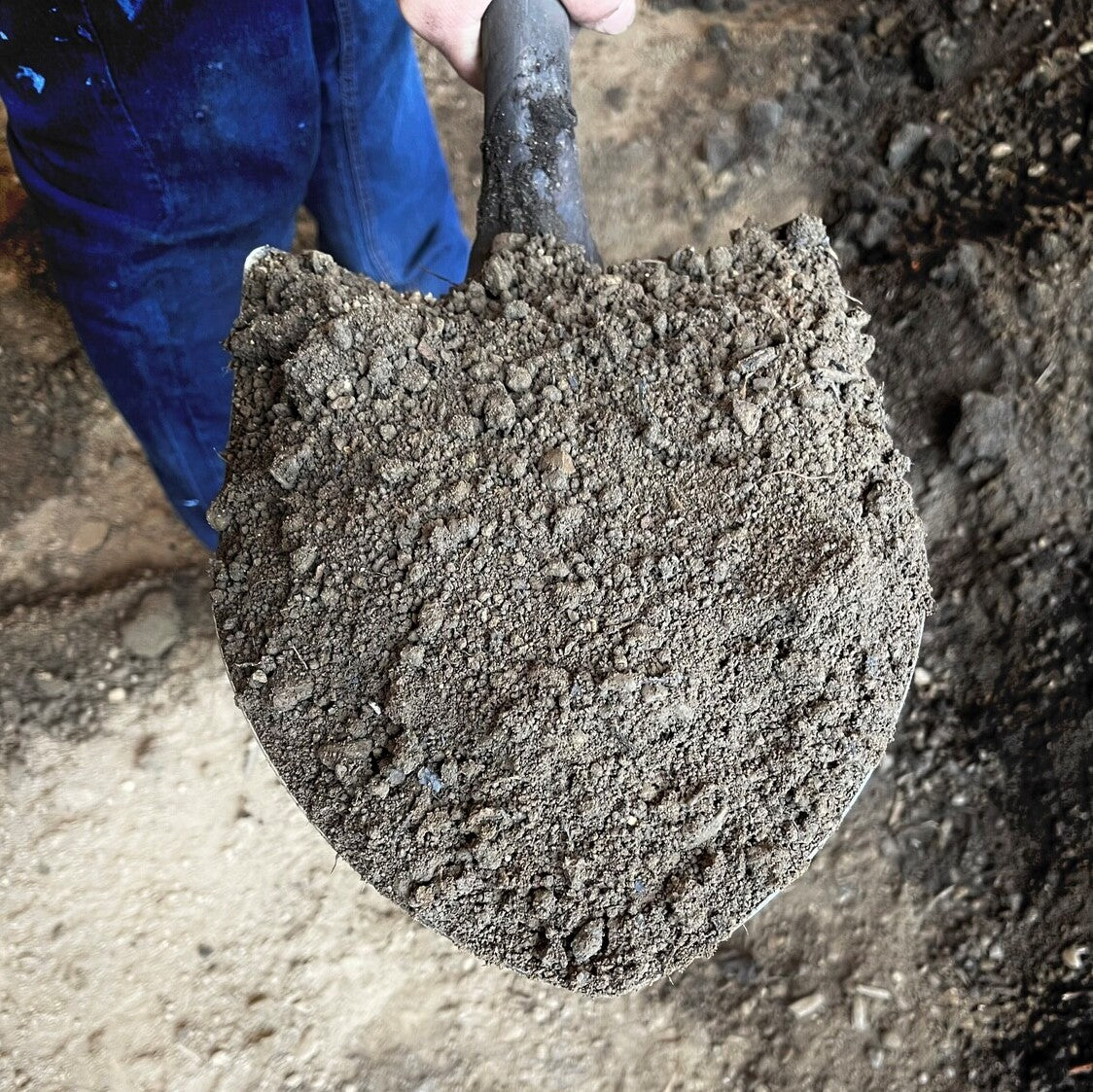


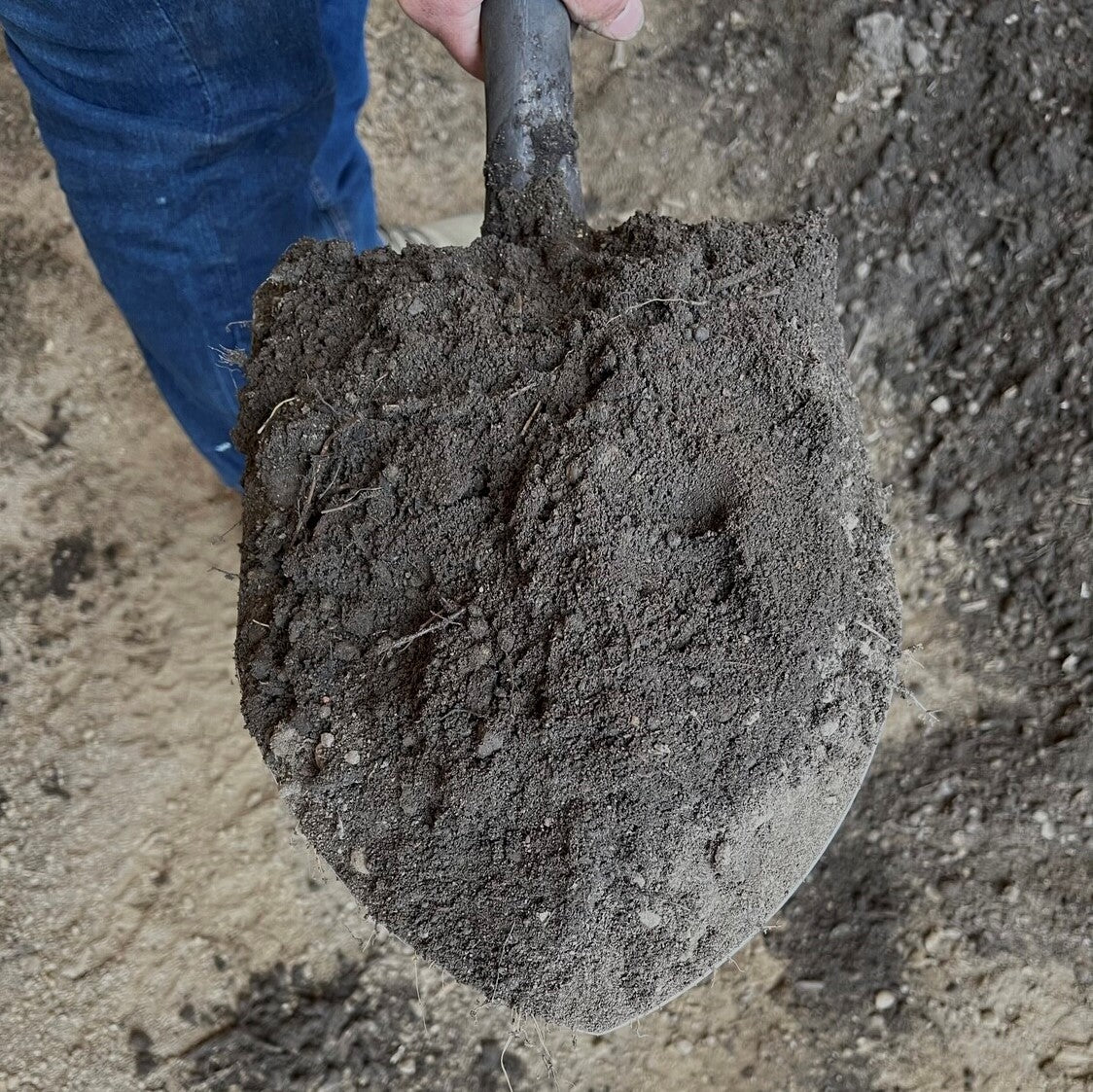

Very happy with the ease of ordering. Delivery went exactly as planned. Garden soil looks great and couldn’t be happier.
About this soil
Screened topsoil with a fine, even texture. Ideal for new lawns, sod prep, and raised garden beds.
Very happy with the ease of ordering. Delivery went exactly as planned. Garden soil looks great and couldn’t be happier.
Tell us what you're looking for
Thanks! We received your request.
Something went wrong. Please try again.
How Much Material Do I Need?
How Much Material Do I Need?
Plan two to three inches of compost for amending existing beds, four to six inches of topsoil for regrading a lawn area, and ten to twelve inches of garden blend for raised beds. Order a little extra to account for settling.
Use our free soil calculator
What is a Yard?
What is a Yard?
What is a yards?
What is a yards?
FAQs
FAQs
St. Paul Soil Delivery
St. Paul Soil Delivery
Regular price
$64.00
per
Yard
Regular price
Sale price
$64.00
Unit price
per
Shipping calculated at checkout.
Minimum of 3 Yard
Couldn't load pickup availability
Not currently available
We can't take orders for this right now. Tell us what you need and we'll get back to you.
Hand-picked local yards
4,000+ regional deliveries
Dedicated support
Why order through Mulch Mound
The best local , without the guesswork.
We hand-pick and partner with the best yards in your region, keep only the ones our buyers rate well, and back each load with our guarantee.
Mulch Mound Guarantee
If your isn't the quantity or quality you ordered, we'll make it right.
About this soil
Screened topsoil with a fine, even texture. Ideal for new lawns, sod prep, and raised garden beds.
Very happy with the ease of ordering. Delivery went exactly as planned. Garden soil looks great and couldn’t be happier.
How Much Material Do I Need?
How Much Material Do I Need?
Plan two to three inches of compost for amending existing beds, four to six inches of topsoil for regrading a lawn area, and ten to twelve inches of garden blend for raised beds. Order a little extra to account for settling.
Use our free soil calculator
What is a Yard?
What is a Yard?
What is a yards?
What is a yards?
FAQs
FAQs
Tell us what you're looking for
Thanks! We received your request.
Something went wrong. Please try again.
How It Works
Getting started is easy — just follow these simple steps
1
Choose your soil
Make sure you adjust the quantity to your home's needs. You can use our calculator to estimate how much you'll need.
2
Select your delivery date
Select a delivery date you'd like for the product to be dropped off at your home
3
Sit back and wait
Sit back, wait, and let us work our magic to make sure the highest quality product is delivered to your driveway.

Really appreciate the care and follow thru that this company had with our order. A hiccup came up but they were quick to respond and address all co...
Read full review
Really appreciate the care and follow thru that this company had with our order. A hiccup came up but they were quick to respond and address all concerns, which made our garden day a success! Thank you for your prompt care.

Highest compliments. Great driver.
Website is easy to navigate. Just a seamless process. 5 stars!!
Need Help Calculating How Much Soil You Need?
Use our NEW Trace from Satellite tool to get an estimate for your project based on an aerial view of your property
Try Our CalculatorFigure square footage first, then convert your target depth to a fraction of a foot before multiplying. For a four inch fill that is 0.33, so a 300 square foot area needs about 100 cubic feet, or roughly 3.7 cubic yards. Remember that St. Paul silt loam settles, so soil piles will shrink ten to fifteen percent after the first few rains.
Complete Your Outdoor Soil Project
Finish new soil with a layer of shredded hardwood mulch to keep it from crusting, and add grass seed or stone edging depending on whether you are building lawn or beds.
Service area
Areas we deliver soil in St. Paul, Minnesota
Mulch Mound Pro Tip
Do not till wet St. Paul soil. Silt loam has fine particles that smear into plates when worked saturated, and you will be fighting the resulting hardpan for two or three seasons. After spring melt or a heavy rain, give it three or four dry days, then test by squeezing a handful. This single habit does more for soil structure here than any amendment you can buy.
Mulch Mound Pro Tip
Layer, do not dump, when raising a grade over existing lawn. St. Paul turf will grow up through about an inch of new soil at a time but suffocates under three. Spread an inch, rake it level, let the grass push through over two weeks, then repeat. It takes a month to gain three inches this way, but you keep your established root system instead of starting over with seed.
Mulch Mound Pro Tip
Feed the soil in fall, not just spring. St. Paul ground stays biologically active well past the October 8 first frost, and compost spread in early October gets pulled down by earthworms and freeze and thaw action all winter. By the time you plant in mid-May the organic matter is already integrated into the silt loam, which is far more effective than scratching it in the week you plant.
The Unique Landscape of St. Paul
Most St. Paul yards sit on silt loam that started out fertile but has been compacted by decades of construction, especially in neighborhoods where homes went up in the 1920s or where newer infill has driven heavy equipment across the lot. That compaction is why water pools in the low spots after a June thunderstorm and why lawns thin out by August. Bringing in quality topsoil or compost-rich blended soil restores the pore space and organic matter the native profile has lost. With only about 160 frost-free days between April 30 and October 8, St. Paul plants cannot afford to spend weeks fighting dense soil before they get growing. Good soil also buffers the 34 inches of annual rain, holding it in the root zone in July and letting it drain in a wet spring. Whether you are leveling a settled boulevard strip, filling raised beds, or regrading around a foundation, the soil you start with sets the ceiling on everything else.