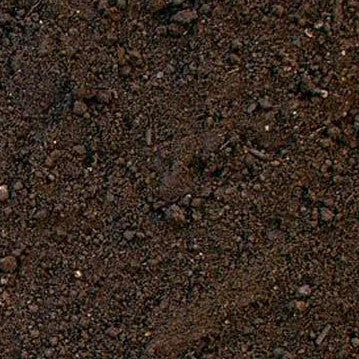
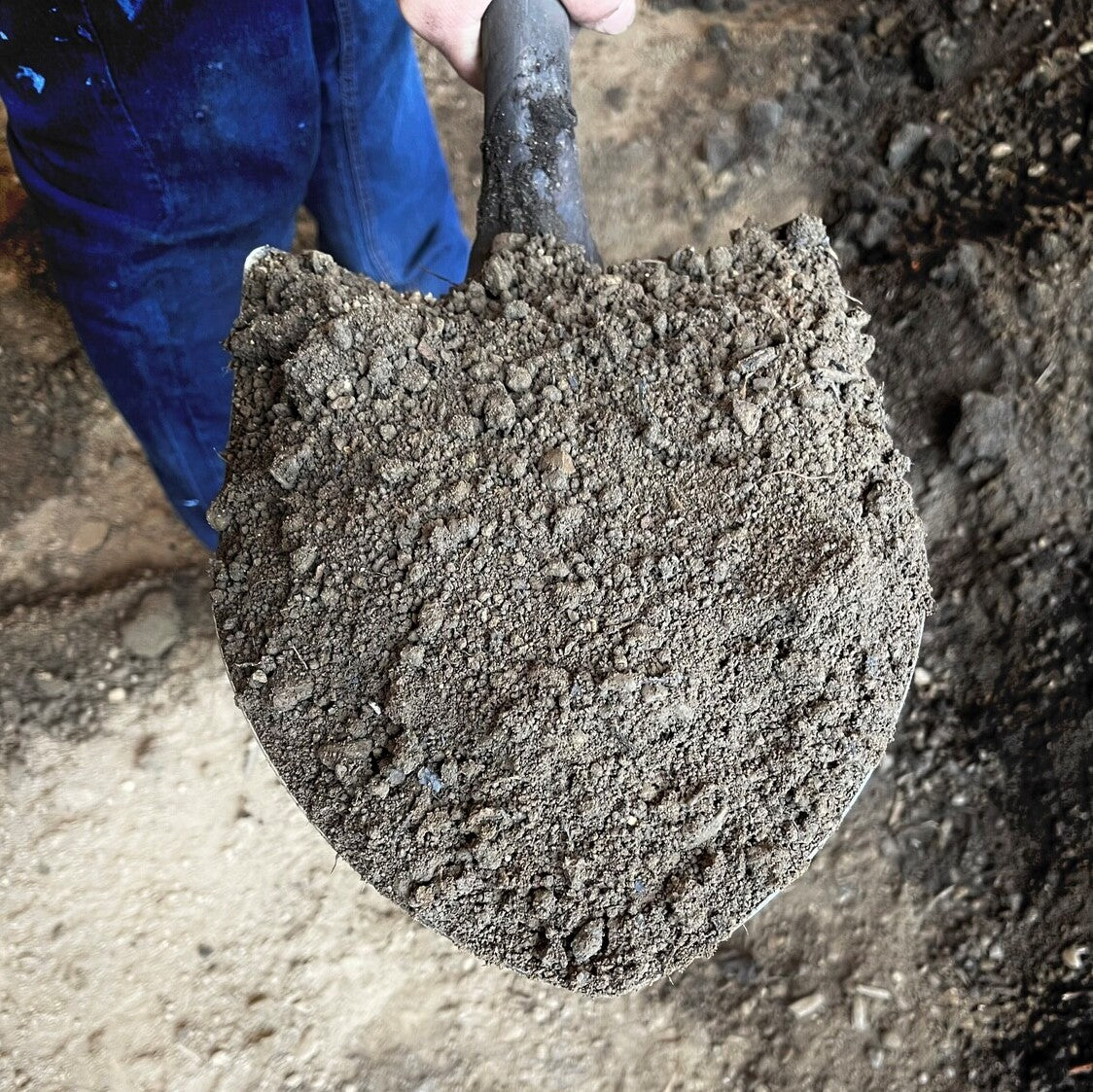
We ordered 3 yards of the garden soil, delivered mext day. We used in raised beds 6x3x2. It was more than needed for both but the soil looked good! I added some perlite to add some drainage since this is a little dense.
Tell us what you're looking for
Thanks! We received your request.
Something went wrong. Please try again.
How Much Material Do I Need?
Four to six inches of topsoil is the standard for establishing new lawn areas over Prairie Clay, while raised vegetable beds want a full ten to twelve inches of garden blend. Lawn topdressing is a light quarter to half inch.
Use our free soil calculator
What is a Yard?
A yard is approximately 27 cubic feet. As a general guideline, one yard of material can cover an area of about 100-160 square feet at a 2-3 inch depth.
We ordered 3 yards of the garden soil, delivered mext day. We used in raised beds 6x3x2. It was more than needed for both but the soil looked good! I added some perlite to add some drainage since this is a little dense.
How Much Material Do I Need?
Four to six inches of topsoil is the standard for establishing new lawn areas over Prairie Clay, while raised vegetable beds want a full ten to twelve inches of garden blend. Lawn topdressing is a light quarter to half inch.
Use our free soil calculator
What is a Yard?
A yard is approximately 27 cubic feet. As a general guideline, one yard of material can cover an area of about 100-160 square feet at a 2-3 inch depth.
We ordered 3 yards of the garden soil, delivered mext day. We used in raised beds 6x3x2. It was more than needed for both but the soil looked good!...
Read full review
We ordered 3 yards of the garden soil, delivered mext day. We used in raised beds 6x3x2. It was more than needed for both but the soil looked good! I added some perlite to add some drainage since this is a little dense.
Measure length and width in feet, then decide on your depth in inches before you calculate. A common Starkville mistake is measuring a raised bed frame but forgetting that soil settles roughly ten to fifteen percent after the first few heavy rains. Order about ten percent extra so you are not short.
Complete Your Outdoor Soil Project
Add compost to boost organic matter in your blend, and finish planted beds with two to three inches of hardwood mulch so your new soil does not crust over in the summer sun.
Why will nothing grow in my new Starkville subdivision yard?
Almost certainly because the topsoil was stripped during construction and you are looking at raw Prairie Clay subsoil. It is dense, low in organic matter, and often compacted by equipment. The fix is four to six inches of screened topsoil tilled lightly into the top two inches of what is there, so you do not create a hard interface layer that roots refuse to cross.
Answer
Should I amend my clay or just build raised beds?
For vegetables in Starkville, raised beds win. Amending Prairie Clay deeply enough for carrots, okra, and tomatoes takes years of compost. A twelve inch raised bed filled with a garden soil blend gives you a working root zone this season, and it drains during the wet spring weeks when in ground beds here sit waterlogged. For lawns and shrub beds, amending in place is the more practical route.
Answer
How much topsoil do I need to level my yard?
One cubic yard spread one inch deep covers about 324 square feet. For a typical Starkville quarter acre lot where you are topdressing a half inch over 5,000 square feet of Bermuda, figure around eight yards. For filling low spots that pond after a hard rain, measure the depression depth and volume separately since those can eat several yards quickly.
Answer
When is the best time to add soil to my lawn here?
Late April through June for Bermuda and Zoysia, which are the dominant Starkville lawn grasses. They are actively growing then and will grow up through a half inch topdressing quickly. Avoid topdressing warm season turf in fall, since it goes dormant well before the November 5 first frost and the soil will just sit there smothering it all winter.
Answer
Does soil pH matter with Starkville's Prairie Clay?
It does, and it surprises people. Much of the Black Prairie region soil around Starkville trends neutral to alkaline because of the underlying chalk and marl, which is unusual for Mississippi. That means blueberries, azaleas, and camellias may struggle without acidification. An MSU Extension soil test through the Oktibbeha County office is cheap and tells you exactly where you stand.
Answer
Will topsoil help my drainage problem?
It helps at the surface but it does not fix subsurface drainage. If water ponds in your Starkville yard for more than a day after rain, the issue is the clay layer below and you likely need grading or a French drain. Adding soil on top of a drainage problem just moves the puddle up a few inches. Solve the water route first, then add soil.
Answer
Can I plant directly into delivered garden soil?
Yes, our garden blends are ready to plant. Let a fresh pile settle and breathe for a day or two after delivery, especially compost heavy mixes in Starkville's summer heat where a hot pile can be steaming inside. Then fill your beds, water thoroughly to settle out air pockets, and plant.
Mulch Mound Pro Tip
Blend the boundary between new soil and old clay. If you dump six inches of loose topsoil straight onto compacted Prairie Clay, you create a distinct layer that roots will not cross and water will not drain through. Rough up the clay surface with a tiller or a hard rake, then work an inch or two of the new soil into it. That transition zone is the difference between turf that thrives and turf that dries out every August.
Mulch Mound Pro Tip
Get a soil test before you buy anything. The MSU Extension office in Oktibbeha County processes samples inexpensively, and Starkville results often come back higher in pH than homeowners expect because of the Black Prairie chalk beneath. Knowing your actual pH and phosphorus levels tells you whether you need elemental sulfur, lime, or nothing at all, and it stops you from spending money on amendments your yard does not need.
Mulch Mound Pro Tip
Never work soil when it is wet. Starkville gets 52 inches of rain a year and Prairie Clay is at its most fragile right after a downpour. Tilling or walking on saturated clay destroys structure and creates hardpan that lasts for seasons. Squeeze a handful into a ball and poke it. If it holds together like putty, wait. If it crumbles apart, you are good to go.
The Unique Landscape of Starkville
Most Starkville planting problems trace back to the same source, which is Prairie Clay that holds water like a bowl and compacts into concrete under foot traffic. Bringing in quality topsoil and compost blends is often the only realistic way to get raised beds, vegetable gardens, and new lawns established without fighting the native profile for years. Zone 8a gives Starkville a generous window, roughly March 27 to November 5, but that long season only pays off if roots have somewhere to go. Newer subdivisions around Starkville are especially rough, since builders commonly scrape the topsoil off and leave homeowners with subsoil clay that will not grow turf. Adding four to six inches of screened topsoil or a compost rich garden blend gives you an immediate root zone while the material below slowly improves. With 52 inches of rain annually, drainage in that new layer matters as much as fertility.