



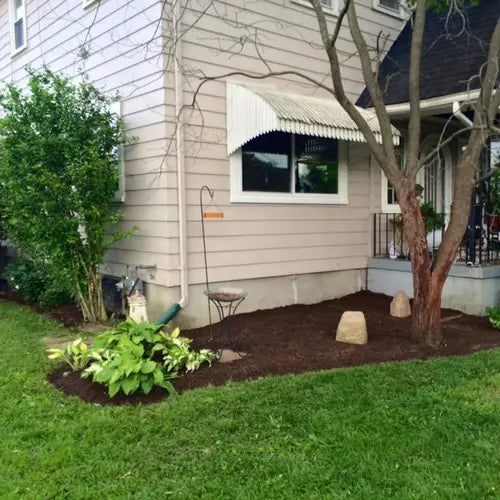



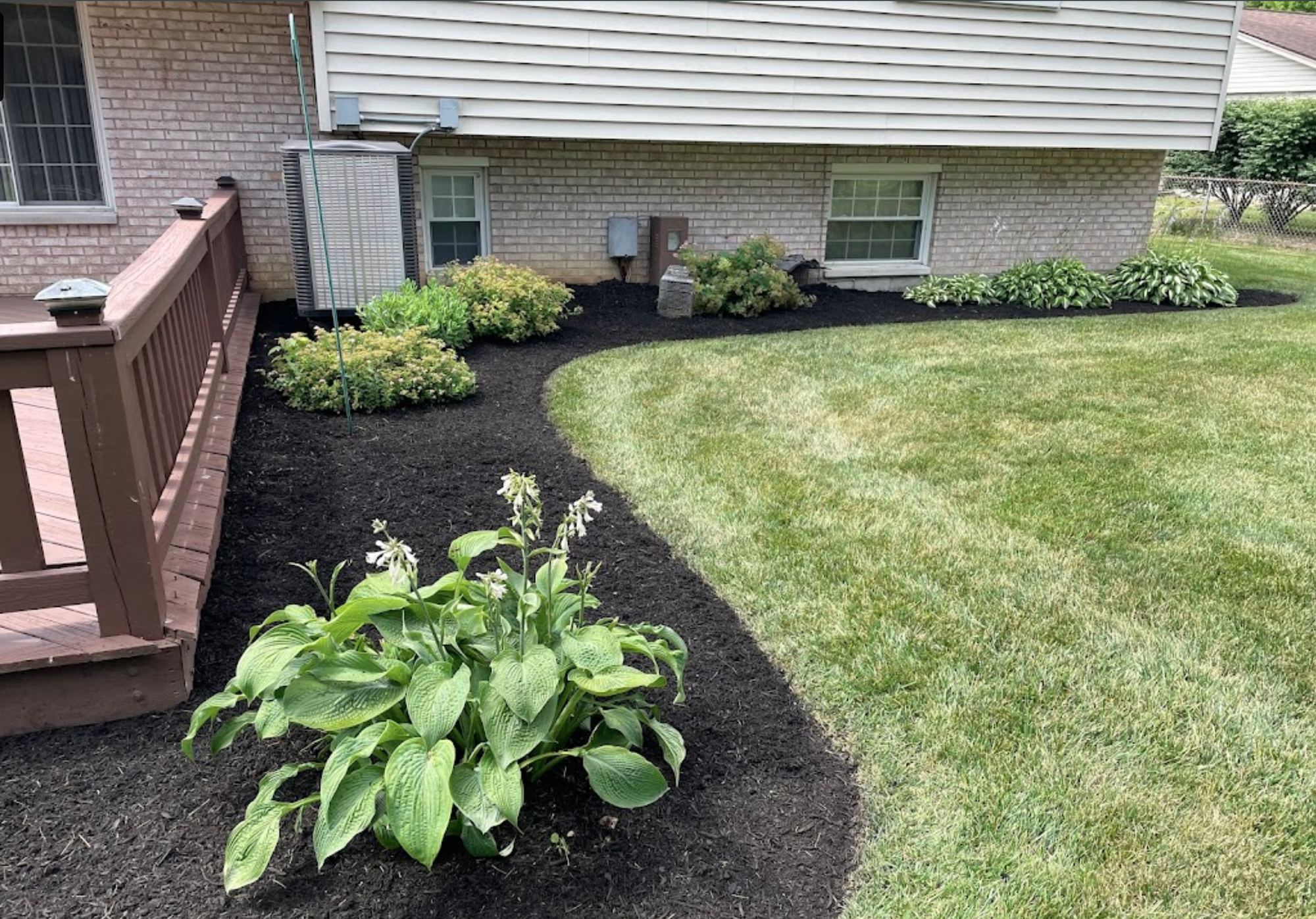
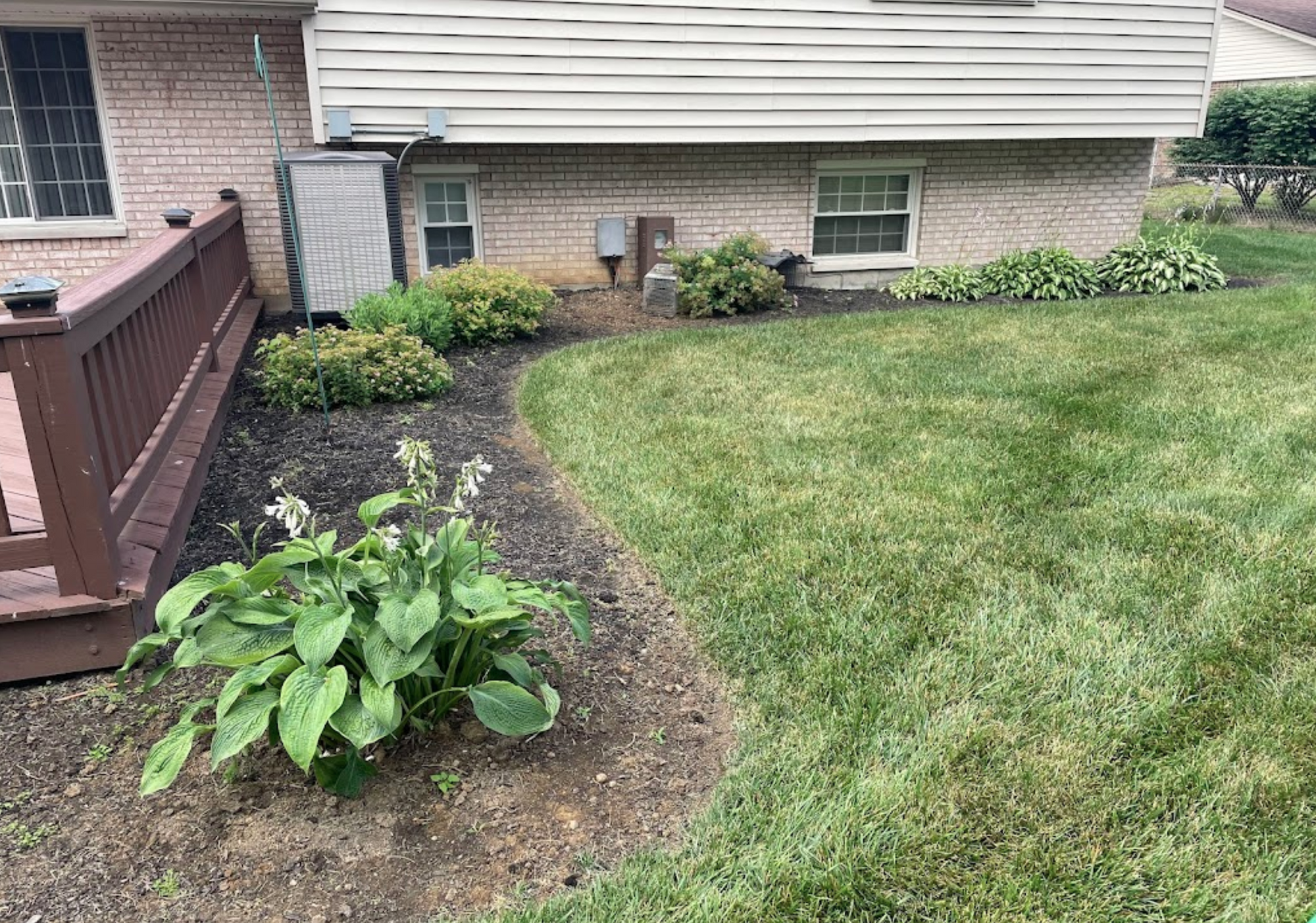
Website was easy to use. Mulch was delivered on time and exactly where specified. It makes our front yard look great just in time for spring!
About this mulch
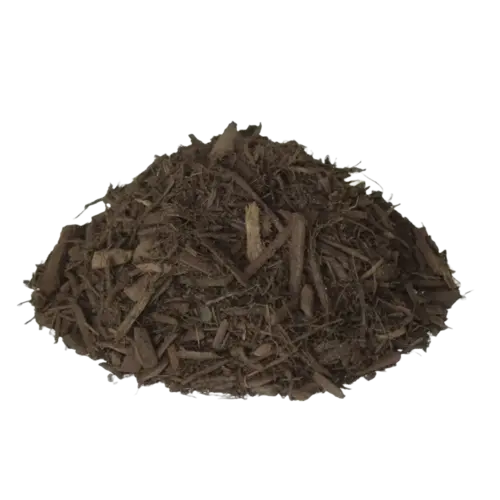
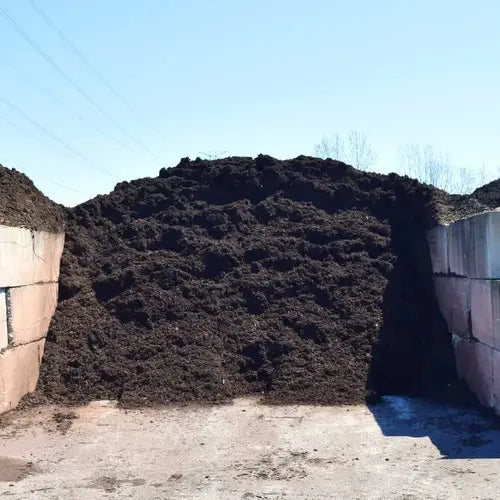
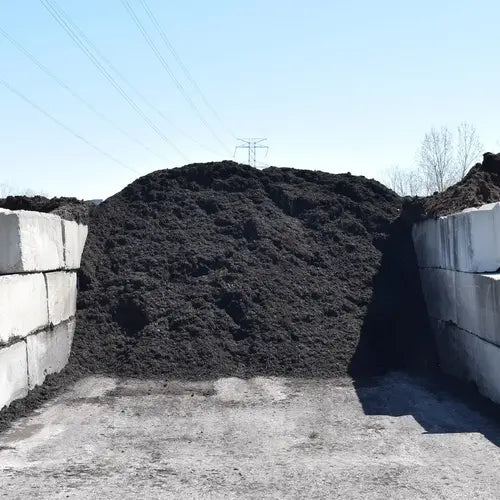
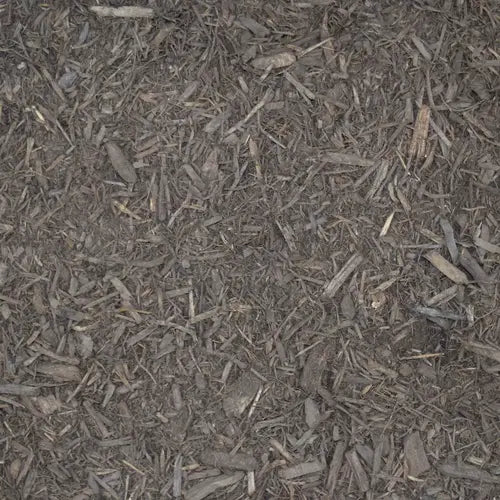
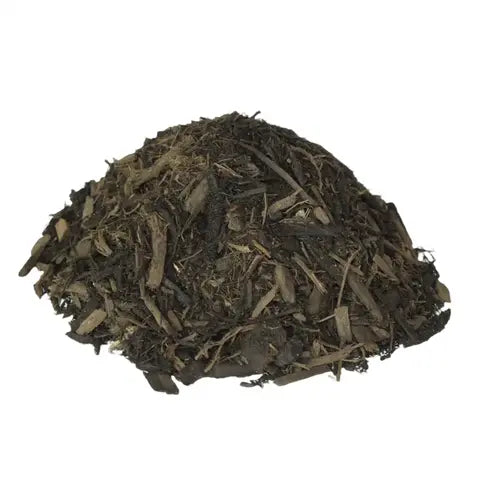
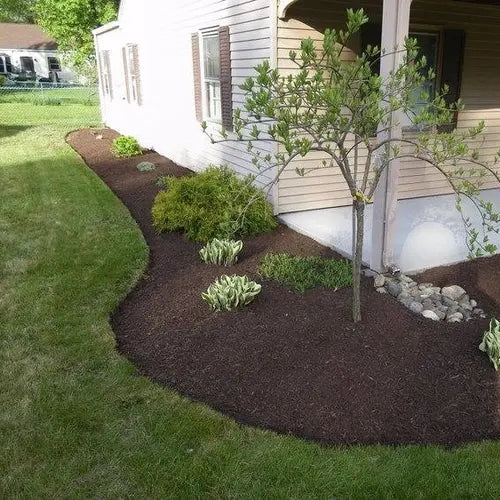
Warm brown double shredded mulch with lasting color that looks freshly applied for weeks. Spreads smooth, stays put, and gives beds a natural, polished appearance.
Website was easy to use. Mulch was delivered on time and exactly where specified. It makes our front yard look great just in time for spring!
Tell us what you're looking for
Thanks! We received your request.
Something went wrong. Please try again.
How Much Material Do I Need?
How Much Material Do I Need?
For most State College residential beds, a 2 to 3 inch application depth is the right target, with the area's silt loam soil providing enough natural drainage underneath that you do not need extra thickness to compensate. Apply toward the lower 2 inch end around plant crowns and root zones, and use the full 3 inches in open bed areas where weed suppression and moisture retention are the main goals.
Use our free mulch calculator
What is a yard?
What is a yard?
FAQs
FAQs
State College Mulch Delivery
State College Mulch Delivery
Regular price
$46.00
per
yard
Regular price
Sale price
$46.00
Unit price
per
Shipping calculated at checkout.
Minimum of 3 yard
Couldn't load pickup availability
Not currently available
We can't take orders for this right now. Tell us what you need and we'll get back to you.
Hand-picked local yards
4,000+ regional deliveries
Dedicated support
Why order through Mulch Mound
The best local mulch, without the guesswork.
We hand-pick and partner with the best yards in your region, keep only the ones our buyers rate well, and back each load with our guarantee.
Mulch Mound Guarantee
If your mulch isn't the quantity or quality you ordered, we'll make it right.
About this mulch
Warm brown double shredded mulch with lasting color that looks freshly applied for weeks. Spreads smooth, stays put, and gives beds a natural, polished appearance.
Website was easy to use. Mulch was delivered on time and exactly where specified. It makes our front yard look great just in time for spring!
How Much Material Do I Need?
How Much Material Do I Need?
For most State College residential beds, a 2 to 3 inch application depth is the right target, with the area's silt loam soil providing enough natural drainage underneath that you do not need extra thickness to compensate. Apply toward the lower 2 inch end around plant crowns and root zones, and use the full 3 inches in open bed areas where weed suppression and moisture retention are the main goals.
Use our free mulch calculator
What is a yard?
What is a yard?
FAQs
FAQs
Tell us what you're looking for
Thanks! We received your request.
Something went wrong. Please try again.

How It Works
Getting started is easy — just follow these simple steps
1
Choose your Mulch
Make sure you adjust the quantity to your home's needs. You can use our calculator to estimate how much you'll need.
2
Select your delivery date
Select a delivery date you'd like for the product to be dropped off at your home
3
Sit back and wait
Sit back, wait, and let us work our magic to make sure the highest quality product is delivered to your driveway.

Prompt, accommodating, lovely mulch.

I am very happy with Mulch Mound service and with the triple shredded mulch. It looks great, and I would use them again.
Calculate mulch for your State College project
For State College's Silt Loam type of soil, we recommend 2-3 inches for best weed suppression and moisture retention
Try Our CalculatorMeasure each bed section in length and width, multiply to get square footage, and then divide that total by 100 to estimate cubic yards needed at a 3 inch depth. In State College, beds on north-facing slopes or deeply shaded areas under mature trees tend to hold moisture longer and may need less frequent refreshing than sun-exposed beds that dry out after summer dry stretches. Always add at least 10 percent to your estimate to account for settling after the spring thaw and any spots you may have underestimated during measuring.

Best Mulch Choice for State College Lawns
Most yards in the State College area sit on Silt Loam type of soil. State College's silt loam soil can form a tight surface crust during dry stretches that resists water infiltration, leaving plant roots competing for moisture even after moderate rain events soak the top layer. A quality organic mulch layer physically breaks that surface tension and keeps the top few inches of soil from sealing over between waterings.
Hardwood Mulch
Hardwood mulch is particularly well matched to State College's silt loam soil because as it decomposes it contributes organic matter that improves the soil's moisture retention while also loosening its texture enough to reduce the surface crusting that silt loam is prone to. Over several seasons of consistent topdressing, hardwood mulch builds a richer, more open bed profile that is noticeably easier to plant into and more forgiving during the dry weeks that occasionally interrupt State College summers.
Mulch Types We Deliver in State College
Mulch Mound brings bulk mulch delivery to State College and the surrounding Centre County area, measured by the cubic yard so you get exactly what your project needs. From small garden refreshes to full-yard installs on new construction, we make it simple to order the volume you want and have it dropped right at your property. We carry dyed and natural options to suit a wide range of home styles and landscape preferences.
Dyed Black Mulch
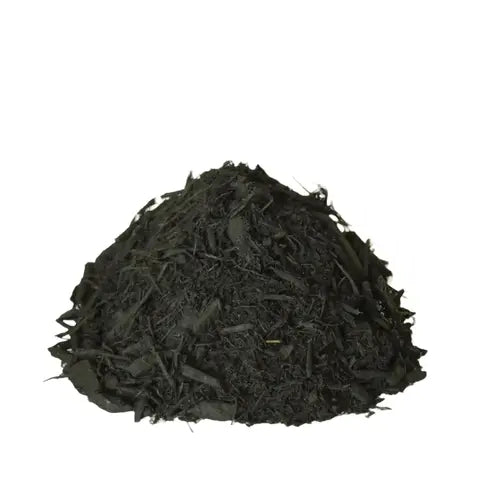
Available in double shredded, this bold black mulch creates a striking contrast against green plantings and gives beds a sharp, finished appearance. The color holds through the region's rainy springs and warm summers, making it a reliable choice for homeowners who want curb appeal that lasts without frequent reapplication.
Dyed Brown Mulch
This warm double shredded brown mulch blends naturally with the earthen tones common in central Pennsylvania landscapes. The lasting color stays fresh-looking for weeks, even through summer heat, and the smooth texture makes it easy to spread around trees, shrubs, and garden beds of all sizes.
Natural Brown Mulch
Double shredded from real wood with no added dye, this natural brown mulch is a great fit for gardeners who prefer an organic, understated look. The earthy tone complements the clay-rich soils and wooded surroundings found throughout this part of Pennsylvania, and it breaks down gradually to enrich the ground over time.
Complete Your Outdoor Mulch Project
If your beds need building up or enriching before mulching, our bulk topsoil blends pair well with State College's existing silt loam base and give plants a nutrient-rich foundation to establish into before the summer heat arrives. Adding a decorative stone border along bed edges creates a clean visual boundary that also keeps mulch from migrating into lawn areas during the heavy rains State College receives through spring and early fall.


Mulch Mound Pro Tip
State College's elevation means soil temperatures can stay stubbornly cool well into early May even after the official last frost date has passed. Before you mulch in spring, confirm your soil has warmed to at least 55 degrees using an inexpensive soil thermometer from any garden center. Mulching over cold soil traps that cold and delays warming, which can slow root development for annuals and warm-season perennials planted right at the May 1 window when the season feels ready to go.
Mulch Mound Pro Tip
Pull mulch back 2 to 3 inches from the base of shrubs and tree trunks before each season to prevent persistent moisture from building up against the bark. State College's relatively wet fall season, combined with silt loam's natural moisture retention, creates favorable conditions for fungal issues at the soil line when mulch is piled directly against woody stems. This one habit protects your investment in established landscape plants without costing any extra material.
Mulch Mound Pro Tip
With 41 inches of annual rainfall putting consistent pressure on State College's sloped residential lots, it is worth thinking of your mulch layer as erosion armor just as much as a moisture manager. Shredded hardwood varieties knit together as they settle and resist displacement during the convective summer storms that move through Centre County with little warning. Refreshing your layer each spring before the wet season peaks ensures that protective mat is intact and doing its job through the most erosive months of the year.
The Unique Landscape of State College
State College sits at 1,150 feet elevation in a Zone 6b climate, which means plant beds cycle through dramatic temperature swings between October frosts and late spring cold snaps near the May 1 last frost date. The native silt loam soil here holds moisture reasonably well but can form a surface crust that blocks air and water from reaching root zones, making a consistent mulch layer essential for healthy bed performance. With 41 inches of annual rainfall spread across the seasons, unprotected beds in State College are prone to erosion and nutrient washout on the sloped lots common throughout the Borough and surrounding townships. Mulch acts as a buffer between the soil and the elements, moderating the soil temperature swings that can heave shallow-rooted perennials during the hard freeze-thaw cycles of late winter and early spring. Keeping a 2 to 3 inch layer over your beds year-round helps State College gardeners extend the productive growing window on both ends of the season and keeps beds looking maintained from snowmelt through first frost.