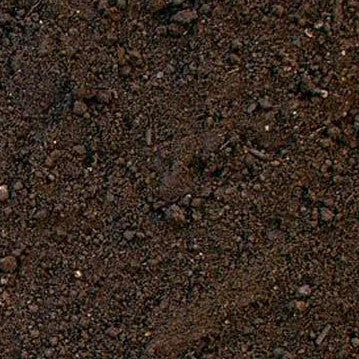
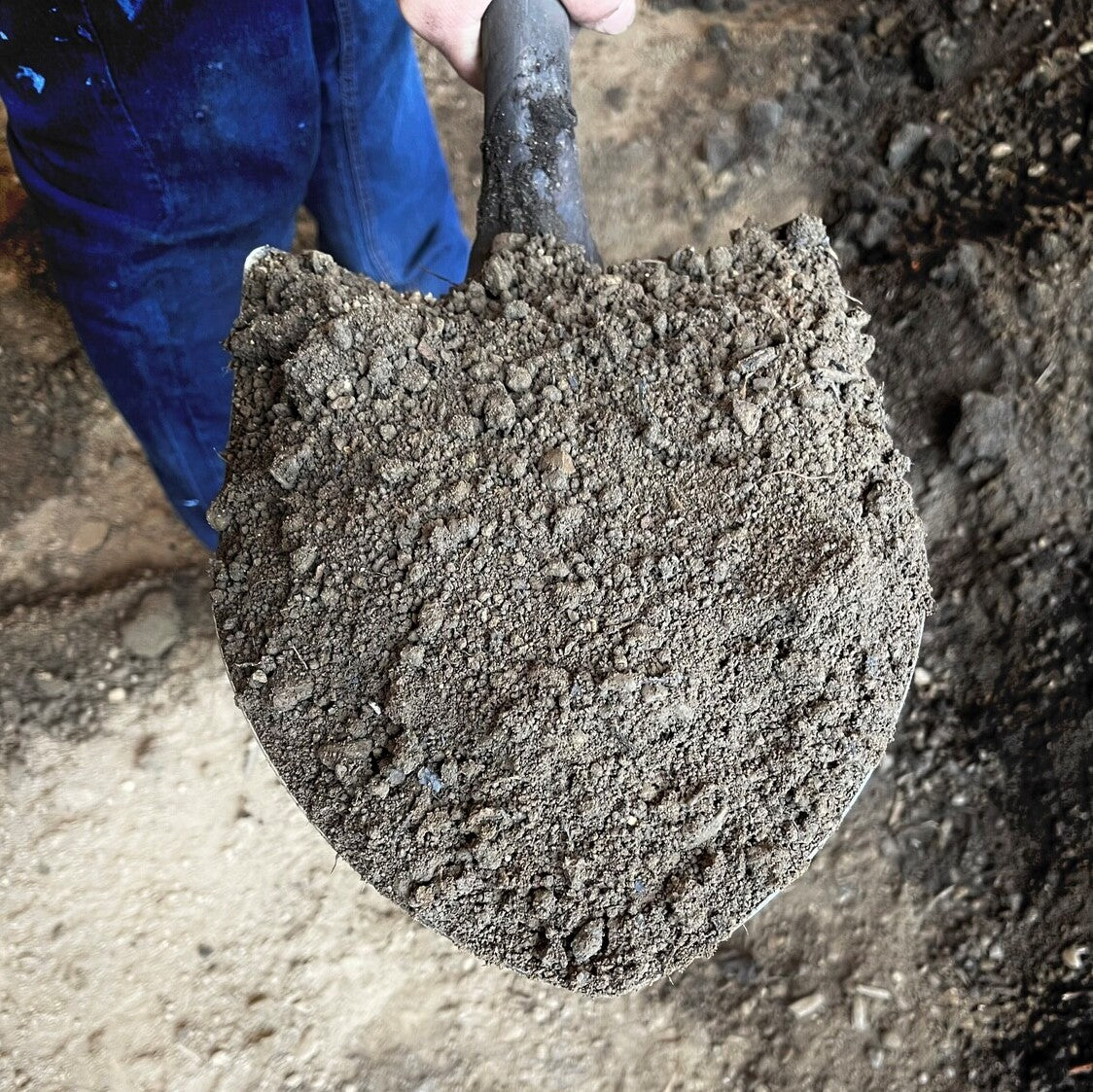
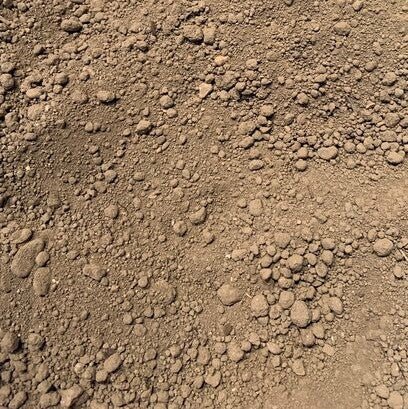
Quality topsoil for lawns, gardens, and landscape projects. Nutrient rich and ready to support strong root development and healthy plant establishment.
Great experience - not only was this the most affordable option for dirt delivery in Cleveland heights, but the delivery was fast and friendly. Got exactly what I needed and the truck got as close as possible to where I needed the dirt - even in my cramped driveway. Will be us...
Tell us what you're looking for
Thanks! We received your request.
Something went wrong. Please try again.
How Much Material Do I Need?
Most lawn leveling projects in State College call for 1 to 2 inches of fill across low and uneven areas, while garden bed construction typically needs 6 to 12 inches of quality topsoil depending on what you plan to grow and how restrictive the base layer is. State College's silt loam base provides reasonable natural drainage, which means you rarely need to exceed 12 inches of topsoil fill unless you are building a fully elevated raised structure.
Use our free soil calculator
What is a yard?
A yard is approximately 27 cubic feet. As a general guideline, one yard of material can cover an area of about 100-160 square feet at a 2-3 inch depth.
We can't take orders for this right now. Tell us what you need and we'll get back to you.
What do you need?
Thanks! We received your request.
Something went wrong. Please try again.
Hand-picked local yards
4,000+ regional deliveries
Dedicated support
Why order through Mulch Mound
The best local soil, without the guesswork.
We hand-pick and partner with the best yards in your region, keep only the ones our buyers rate well, and back each load with our guarantee.
Mulch Mound Guarantee
If your soil isn't the quantity or quality you ordered, we'll make it right.
About this soil
Quality topsoil for lawns, gardens, and landscape projects. Nutrient rich and ready to support strong root development and healthy plant establishment.
Great experience - not only was this the most affordable option for dirt delivery in Cleveland heights, but the delivery was fast and friendly. Got exactly what I needed and the truck got as close as possible to where I needed the dirt - even in my cramped driveway. Will be us...
How Much Material Do I Need?
Most lawn leveling projects in State College call for 1 to 2 inches of fill across low and uneven areas, while garden bed construction typically needs 6 to 12 inches of quality topsoil depending on what you plan to grow and how restrictive the base layer is. State College's silt loam base provides reasonable natural drainage, which means you rarely need to exceed 12 inches of topsoil fill unless you are building a fully elevated raised structure.
Use our free soil calculator
What is a yard?
A yard is approximately 27 cubic feet. As a general guideline, one yard of material can cover an area of about 100-160 square feet at a 2-3 inch depth.
Great experience - not only was this the most affordable option for dirt delivery in Cleveland heights, but the delivery was fast and friendly. Got...
Read full review
Great experience - not only was this the most affordable option for dirt delivery in Cleveland heights, but the delivery was fast and friendly. Got exactly what I needed and the truck got as close as possible to where I needed the dirt - even in my cramped driveway. Will be using again and recommending to my neighbors.
For lawn leveling in State College, multiply your area in square feet by your average fill depth in inches and divide by 324 to get cubic yards needed. Keep in mind that silt loam's fine texture means placed topsoil may settle and compress 10 to 15 percent after the first full season of freeze-thaw cycles, so ordering a modest overage of 10 to 15 percent ensures you have enough material to top off any spots that drop below grade. For raised beds, multiply length by width by depth in feet and divide by 27 for your cubic yard number.
Soil Types We Deliver in State College
Central Pennsylvania homes and gardens often sit on compacted or clay-heavy native soil that benefits from a quality amendment delivered right to your door. We offer bulk topsoil by the yard in State College, making it easy to build up raised beds, level lawns, or prepare new planting areas. Orders arrive loose by the cubic yard so you get exactly what your project needs without unnecessary trips to a supply yard.
Screened Top Soil
A finely screened topsoil ideal for lawns, vegetable gardens, and general landscaping across the State College area. The screening process removes rocks, clumps, and debris, leaving a smooth, nutrient-rich blend that supports strong root development. It works well for topdressing thin turf or filling new planting beds in the region's variable growing conditions.
Complete Your Outdoor Soil Project
Topping fresh topsoil with a shredded hardwood mulch layer protects newly placed soil from the erosive rains State College receives in spring and fall, and it slows the surface crusting that silt loam is prone to during dry summer weeks. Adding a decorative stone border around new garden beds keeps the soil contained through the freeze-thaw cycles of a Centre County winter and gives the entire project a finished, defined look.
Can I blend bulk topsoil directly into my existing yard soil in State College, or does it need to go on top?
Blending bulk topsoil into your existing silt loam works well as long as you till or loosen the native soil first so the layers integrate rather than sitting as distinct strata. In State College, the silt loam becomes workable once it has dried out a bit in spring, typically a few weeks after the ground fully thaws. Mixing rather than just topdressing gives roots a seamless growing medium and prevents a hard interface layer from forming that can trap water.
Answer
How much topsoil do I need to fix the low spots and uneven areas in my lawn after winter?
For typical freeze-thaw heaving in State College yards at 1,150 feet elevation, most homeowners need between a half cubic yard and one cubic yard per 500 square feet of lawn to fill settled spots and restore a reasonably level grade. Measure the deepest low spots with a long straightedge or level board and estimate an average fill depth across the whole uneven area to arrive at a reliable cubic yard number before ordering.
Answer
What time of year is best for doing soil work in State College?
Late April through early May is the best primary window for soil work in State College, once the ground has thawed and dried enough to work without compacting under foot traffic but before summer heat stresses newly placed material. A strong secondary window opens in September and early October before the first frost around October 20, which is ideal for lawn leveling, fall bed preparation, and getting new grass seed established before the ground closes for the season.
Answer
Will adding topsoil help with the drainage problems in the low corner of my yard?
Bulk topsoil used to regrade low areas can redirect surface water away from problem zones, which is a meaningful solution in State College where 41 inches of annual rainfall means standing water is a real and recurring issue for properties with imperfect grades. Pairing a topsoil grade correction with a layer of crushed stone or gravel underneath the lowest spots gives you both the structural fill and improved subsurface drainage to address the problem fully rather than just cosmetically.
Answer
I want to build raised vegetable beds this spring. How deep should I fill them with topsoil?
For raised vegetable beds in State College, a minimum of 10 to 12 inches of quality topsoil mix gives most vegetables the root depth they need to perform well. The growing season here runs from roughly May 1 through mid-October before the first frost, so giving roots a deep, loose, nutrient-rich environment helps plants make the most of that window and produce well before cold weather ends the season.
Answer
Is bulk topsoil actually better than the bags I buy at the hardware store for a big project?
For any project requiring more than a few cubic yards, bulk topsoil is dramatically more cost-effective than bagged products and typically comes with fewer fillers and binders. Quality bulk topsoil blends that include compost or organic amendments integrate well with the silt loam native to Centre County, giving you a workable planting medium without paying a premium for packaging. For large raised beds, lawn leveling, or full bed construction, bulk material is the practical and economical choice.
Answer
How do I keep new topsoil from washing down the slope in my backyard after delivery?
On sloped State College lots, freshly placed topsoil is vulnerable to erosion until vegetation establishes root structure, particularly given the heavy spring rains the area receives. Seeding immediately after spreading and covering with a light layer of straw mulch keeps the soil surface in place while grass or groundcover roots develop. For steeper grades, pairing topsoil placement with a stone border at the lower edge slows runoff velocity and gives the new material time to stabilize before the first significant rain event.
Mulch Mound Pro Tip
After placing bulk topsoil in State College during spring, allow at least one or two good soaking rain events before planting into the new material. State College's native silt loam needs a bit of time to integrate with freshly placed topsoil, and a thorough soaking helps the layers bind together naturally and reveals any remaining low spots or thin areas you can address before committing plants or seed to the bed.
Mulch Mound Pro Tip
If you are using bulk topsoil to establish a new lawn area, aim to get your seed and starter fertilizer down before the May 1 last frost window fully closes to take advantage of the cool-season germination conditions that turf grasses prefer. Turf-type tall fescue and Kentucky bluegrass both establish reliably in State College's Zone 6b climate when seeded into fresh, loose topsoil during that early May window before summer heat settles in.
Mulch Mound Pro Tip
For raised vegetable beds in State College, blend in a 20 to 25 percent compost ratio with your bulk topsoil to boost the organic matter and nutrient content that bulk soil sometimes lacks on its own. The growing window between the May 1 last frost and the October 20 first frost is real but not endless, and plants in compost-enriched topsoil hit the ground running without needing heavy supplemental fertilizing to perform well through the season.
The Unique Landscape of State College
State College sits on a native silt loam base that supports decent plant growth but comes with real limitations when it comes to grading, raised bed construction, and lawn repair after a hard winter. Silt loam compacts readily under foot traffic and equipment pressure, particularly on the sloped lots common throughout the Borough and the residential neighborhoods surrounding Penn State. At 1,150 feet of elevation, State College yards also experience significant freeze-thaw heaving that can leave lawns uneven and create low spots that pool standing water after even moderate rain events from the area's 41-inch annual rainfall. Bringing in quality bulk topsoil allows homeowners to correct grades, fill settled low areas, and build productive planting zones with nutrient-rich material suited to Zone 6b growing conditions from last frost through the October close of the season. Whether the goal is establishing a new garden bed, leveling a frost-heaved lawn section, or constructing a raised vegetable garden above the compact native layer, a premium soil blend sets the foundation for everything that grows above it.