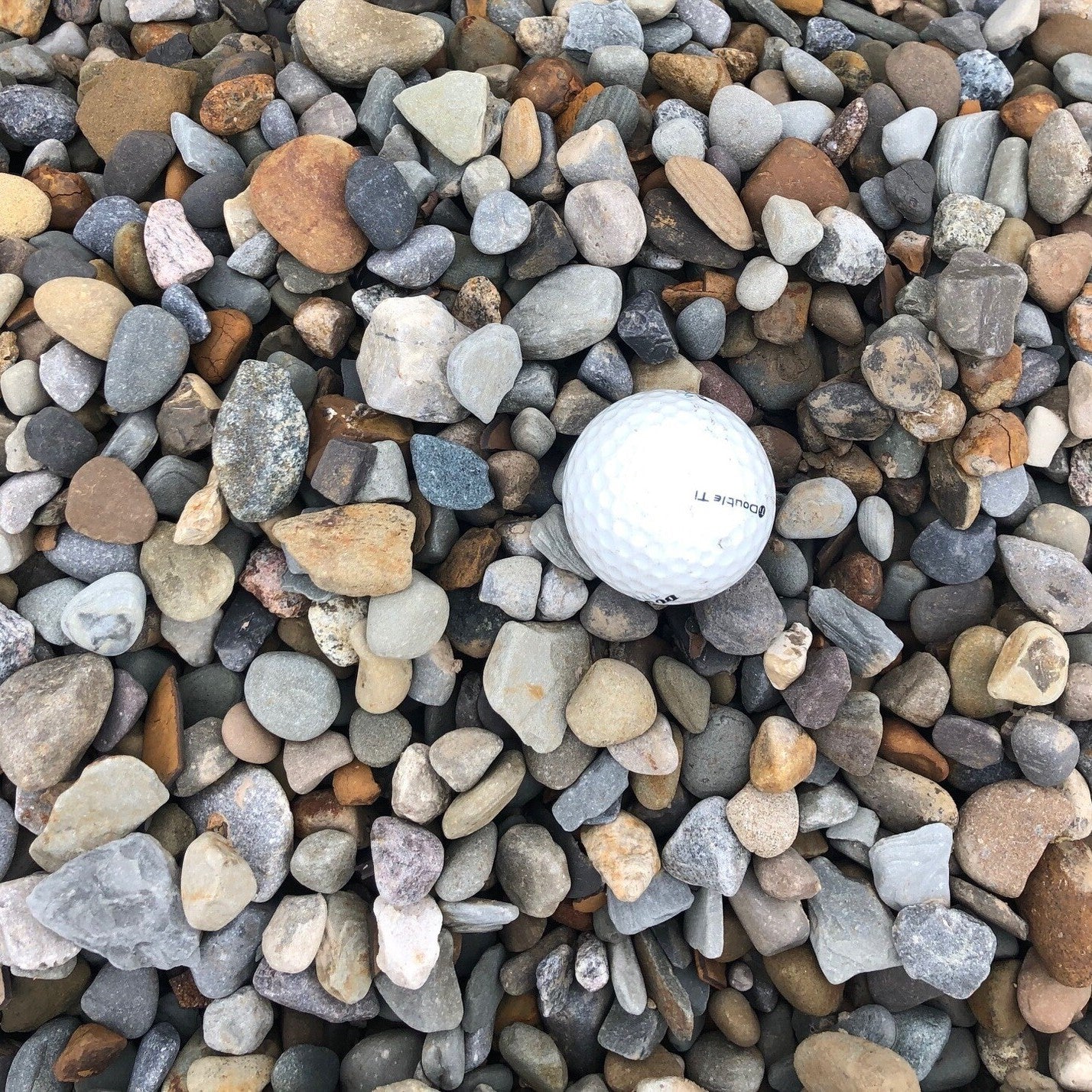
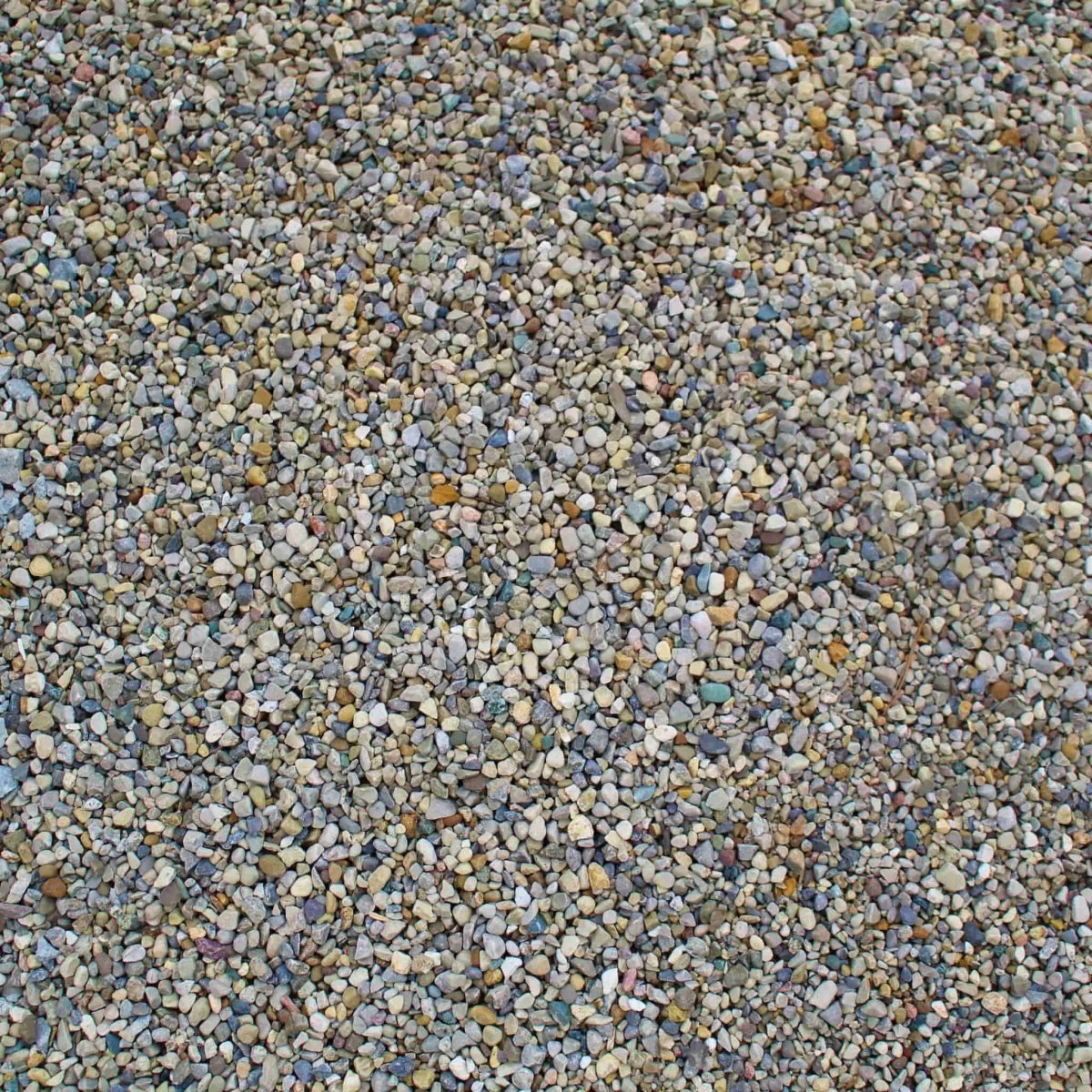
Number 57 crushed stone, angular limestone graded to about three quarters of an inch. The standard driveway, base and drainage gravel, it locks together under traffic and drains fast.
My experience with Mulch Mound was great and super easy. I ordered two yards of screened topsoil and was able to get it delivered within 2 days. They came in my requested time frame (afternoon) and dropped it off where I asked on my driveway. The topsoil was exactly what was a...
Tell us what you're looking for
Thanks! We received your request.
Something went wrong. Please try again.
How Much Material Do I Need?
For decorative ground cover in beds and border areas, a 2 inch depth is sufficient for most State College residential applications. For pathways and drainage channels on State College's frost-prone and sloped terrain, a total depth of 3 to 4 inches including the compacted base layer provides the structural stability the climate and topography demand for a surface that holds up through multiple winters.
Use our free gravel calculator
What is a ton?
A ton is 2,000 pounds of material. As a general guideline, one ton covers roughly 100 square feet at 2 inches deep, depending on the size and density of the material.
We can't take orders for this right now. Tell us what you need and we'll get back to you.
What do you need?
Thanks! We received your request.
Something went wrong. Please try again.
Hand-picked local yards
4,000+ regional deliveries
Dedicated support
Why order through Mulch Mound
The best local stone, without the guesswork.
We hand-pick and partner with the best yards in your region, keep only the ones our buyers rate well, and back each load with our guarantee.
Mulch Mound Guarantee
If your stone isn't the quantity or quality you ordered, we'll make it right.
About this stone
Number 57 crushed stone, angular limestone graded to about three quarters of an inch. The standard driveway, base and drainage gravel, it locks together under traffic and drains fast.
My experience with Mulch Mound was great and super easy. I ordered two yards of screened topsoil and was able to get it delivered within 2 days. They came in my requested time frame (afternoon) and dropped it off where I asked on my driveway. The topsoil was exactly what was a...
How Much Material Do I Need?
For decorative ground cover in beds and border areas, a 2 inch depth is sufficient for most State College residential applications. For pathways and drainage channels on State College's frost-prone and sloped terrain, a total depth of 3 to 4 inches including the compacted base layer provides the structural stability the climate and topography demand for a surface that holds up through multiple winters.
Use our free gravel calculator
What is a ton?
A ton is 2,000 pounds of material. As a general guideline, one ton covers roughly 100 square feet at 2 inches deep, depending on the size and density of the material.
My experience with Mulch Mound was great and super easy. I ordered two yards of screened topsoil and was able to get it delivered within 2 days. Th...
Read full review
My experience with Mulch Mound was great and super easy. I ordered two yards of screened topsoil and was able to get it delivered within 2 days. They came in my requested time frame (afternoon) and dropped it off where I asked on my driveway. The topsoil was exactly what was advertised, clean with no rocks or other debris. The price was reasonable. I plan to use them again in a couple weeks to order compost for my garden beds.
Measure your project area in square feet, multiply by your target depth in inches, and divide by 324 to arrive at cubic yards needed. For drainage projects on State College's sloped terrain, calculate generously because stone settles noticeably after the first full wet season and your effective depth may reduce by a half inch or more in that first year. Building in a 10 percent overage on your order ensures you have enough material to top off any low spots after the first winter cycle without placing a second order.
Stone Types We Deliver in State College
Mulch Mound brings bulk stone delivery straight to State College homes and properties, sold by the cubic yard so you get exactly what your project calls for. Whether you are searching for bulk gravel by the yard in State College or planning a larger landscape overhaul, we load and haul so you can focus on the work. Central Pennsylvania's freeze-thaw winters and clay-heavy soils make choosing the right stone important, and we are here to help you get it right.
Pea Gravel
Smooth and rounded with warm earth tones, pea gravel is a go-to choice for State College homeowners tackling pathways, patios, and garden drainage. Its small, uniform size settles naturally into place, handles seasonal ground movement well, and gives residential landscapes a clean, polished look without heavy maintenance.
Complete Your Outdoor Stone Project
Pairing decorative stone with a bulk topsoil grade correction underneath ensures that water drains away from your stone surface properly rather than pooling beneath it, which is important given State College's 41-inch annual rainfall and the silt loam base that can restrict subsurface drainage. Adding natural hardwood mulch in adjacent planting beds creates a clean visual contrast with your stone areas while protecting the silt loam soil where established plants need the organic insulation to perform well through the long frost season.
Before laying decorative stone in any State College bed or pathway, install a quality woven landscape fabric to prevent the fine particles of silt loam from migrating upward into your stone layer over time. Silt loam's very fine texture means it works its way into gravel surprisingly quickly when subjected to repeated freeze-thaw cycles and rainfall, and without fabric your clean stone surface can begin to look muddy and degraded within just a couple of seasons.
Mulch Mound Pro Tip
When sizing a drainage swale or dry creek bed on a sloped State College lot, design it to handle more volume than a typical rain event delivers. The convective storms that move through Centre County in summer can drop heavy rainfall in a short window, and an undersized channel will overflow and redirect erosive flow across your lawn. A channel width of at least 18 inches packed with 1 to 1.5 inch crushed stone handles most storm events without overtopping and keeps runoff controlled where you want it.
Mulch Mound Pro Tip
In State College's Zone 6b climate, stone placed around foundation plantings serves as a thermal buffer that moderates soil temperature swings during the long stretch between the October 20 first frost and the May 1 last frost. Stone absorbs residual heat during mild late-fall and early spring days and releases it slowly through cold nights, which extends root activity for established shrubs and provides a degree of protection against the sharp temperature drops that come with cold fronts moving through at 1,150 feet elevation.
The Unique Landscape of State College
Stone is one of the most practical and durable landscape investments for State College homeowners who deal with wet springs, sloped terrain, and the repeated stress of hard freeze-thaw cycles at 1,150 feet elevation. With 41 inches of annual rainfall putting constant pressure on the landscape and silt loam soil prone to compacting and eroding along frequently used paths, strategically placed stone handles drainage, surface stability, and erosion control better than any organic material. Crushed stone and gravel pathways hold up through seasons of ground movement without the cracking or heaving that harder surfacing like concrete develops during State College's long frost period from October through May. Decorative stone around foundation plantings and bed borders also acts as a low-maintenance ground cover that insulates soil through the winter months and eliminates the annual labor of mulch replacement in areas where plant growth is not the priority. Whether the goal is a defined dry creek bed to redirect spring runoff, a stable pathway from driveway to entry, or a clean foundation border that requires no annual attention, stone delivers results directly suited to the physical demands of a Centre County landscape.
Frequently Asked Questions
Click a question to see the answer
Answer
What kind of stone is best for managing the drainage on my sloped yard in State College?
For sloped yards in State College, clean crushed stone in the half-inch to one-inch range works well in drainage swales and dry creek beds because it allows water to move through quickly without the fine particles that cause clogging over time. The combination of heavy spring rainfall and silt loam's tendency to direct runoff downhill makes a well-constructed stone drainage channel one of the most effective long-term solutions for protecting your yard and foundation from erosion.
Answer
Will a gravel pathway crack or shift during State College's cold winters?
Crushed stone and gravel pathways are actually one of the best choices for State College's freeze-thaw climate precisely because they flex with ground movement rather than cracking under it. Laying a 3 to 4 inch compacted base of crusher run or dense-grade aggregate under a decorative top layer of your chosen stone gives you a stable walking surface that survives repeated freezing and thawing without heaving or developing the trip hazards that rigid surfaces often develop over time.
Answer
How deep should the stone be for a walkway to my front door?
For a residential walkway in State College, a total depth of 3 to 4 inches is standard, using a compacted base layer of crusher run with 1 to 2 inches of decorative stone on top. Skimping on base depth leads to an uneven and spongy surface by the second or third winter, as the ground movement at 1,150 feet elevation is significant enough to shift a poorly installed pathway noticeably from season to season.
Answer
My foundation beds keep eroding whenever it rains hard. Would stone help?
A 2 to 3 foot band of crushed stone or river pebble along your foundation is an excellent and lasting solution for State College homes where rain runoff concentrates at the base of the house. With 41 inches of annual rainfall and the sloped lot configurations common throughout the Borough, a gravel foundation border redirects water away from the building, protects siding and trim from the splash-back that soil and mulch create, and requires almost no maintenance from one year to the next.
Answer
How do I figure out how many cubic yards of stone I need for a specific area?
Multiply your area length by width in feet, then multiply by your desired depth in feet and divide by 27 to get cubic yards. For a practical example, a 10 by 20 foot area at a 2 inch depth needs approximately 1.2 cubic yards, and at 3 inches that same area takes about 1.9 cubic yards. When ordering for any State College project, add 5 to 10 percent to your calculated total to account for settling and any edge spillage during spreading.
Answer
What is the difference between river stone and crushed stone, and when should I use each?
River stone has smooth, rounded edges from natural water tumbling and is best used for decorative ground cover, dry creek beds, and ornamental bed accents where aesthetics matter most. Crushed stone has angular broken edges that lock together under compaction, which makes it the right choice for pathways and drainage applications in State College where you need a surface that resists shifting under foot traffic and holds its position through the seasonal ground movement that freeze-thaw cycles produce.
Answer
I have shaded spots under big trees where grass never grows. Can stone work as a permanent ground cover there?
Stone is an excellent permanent solution for the shaded, root-congested spots that many State College yards develop under mature trees over time. Rather than continuing to battle the low-light and root competition conditions that make grass establishment unreliable in those areas, a 2 to 3 inch layer of decorative stone provides a clean, finished appearance that requires no reseeding, no fertilizing, and holds its integrity through wet and cold seasons without decomposing the way organic mulch does.
Answer
Is there a stone yard near State College?
Crushed Stone is a solid choice in State College for drainage and stable paths, especially where silt loam compacts and erodes under 41 inches of yearly rain. It is the same stone you would buy at a stone yard, delivered to your driveway or yard instead, so there is no need to visit a quarry or load it yourself.