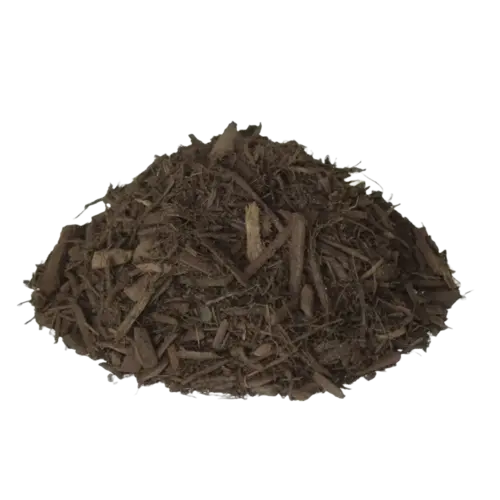
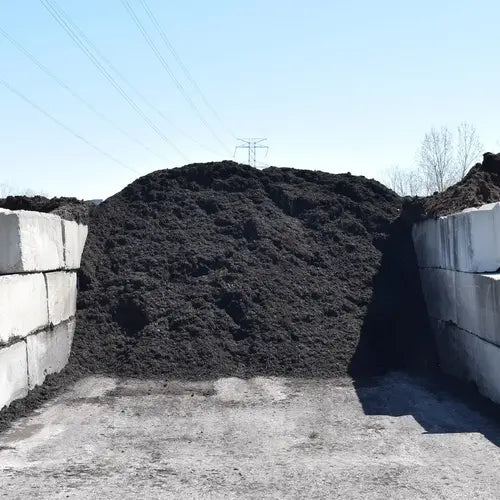
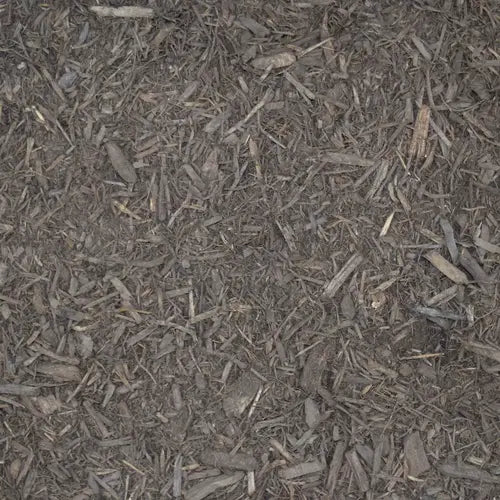
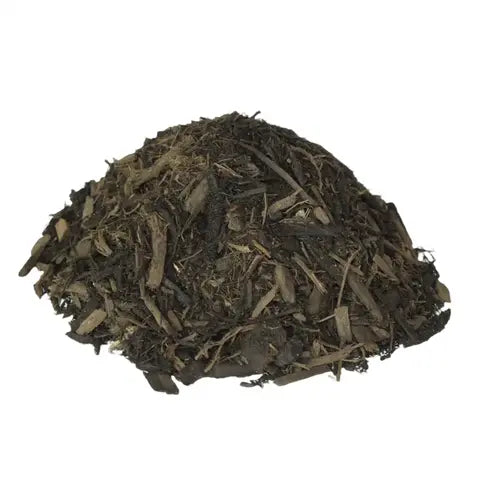
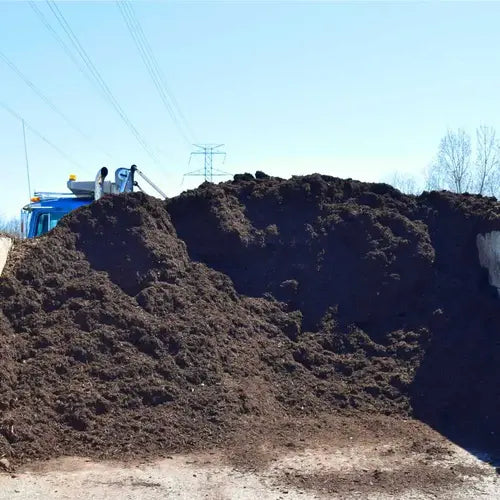
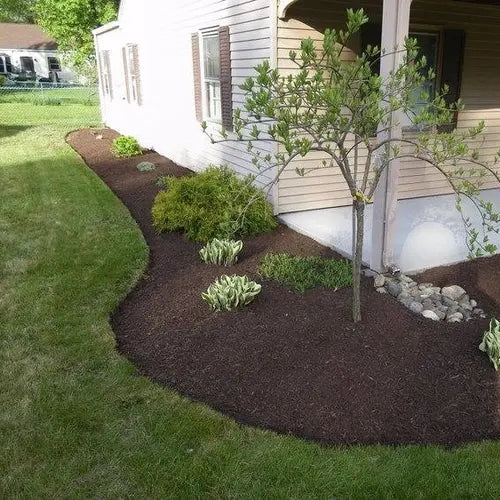
Warm brown double shredded mulch with lasting color that looks freshly applied for weeks. Spreads smooth, stays put, and gives beds a natural, polished appearance.
I can’t say enough good things about Mulch Mound! If you read my review below you will see I had a problem with my order. Mulch Mound was quick to respond and solved the issue with my delivery. Will definitely be a customer next year.
First time purchase...
Tell us what you're looking for
Thanks! We received your request.
Something went wrong. Please try again.
How Much Material Do I Need?
Because Statesboro's sandy loam loses moisture quickly, apply mulch at a minimum depth of 3 inches and up to 4 inches in beds that receive full afternoon sun. Shallower applications in our climate will dry out and compress quickly, reducing their effectiveness between rain events.
Use our free mulch calculator
What is a yard?
A yard is approximately 27 cubic feet. As a general guideline, one yard of material can cover an area of about 100-160 square feet at a 2-3 inch depth.
We can't take orders for this right now. Tell us what you need and we'll get back to you.
What do you need?
Thanks! We received your request.
Something went wrong. Please try again.
Hand-picked local yards
4,000+ regional deliveries
Dedicated support
Why order through Mulch Mound
The best local mulch, without the guesswork.
We hand-pick and partner with the best yards in your region, keep only the ones our buyers rate well, and back each load with our guarantee.
Mulch Mound Guarantee
If your mulch isn't the quantity or quality you ordered, we'll make it right.
About this mulch
Warm brown double shredded mulch with lasting color that looks freshly applied for weeks. Spreads smooth, stays put, and gives beds a natural, polished appearance.
I can’t say enough good things about Mulch Mound! If you read my review below you will see I had a problem with my order. Mulch Mound was quick to respond and solved the issue with my delivery. Will definitely be a customer next year.
First time purchase...
How Much Material Do I Need?
Because Statesboro's sandy loam loses moisture quickly, apply mulch at a minimum depth of 3 inches and up to 4 inches in beds that receive full afternoon sun. Shallower applications in our climate will dry out and compress quickly, reducing their effectiveness between rain events.
Use our free mulch calculator
What is a yard?
A yard is approximately 27 cubic feet. As a general guideline, one yard of material can cover an area of about 100-160 square feet at a 2-3 inch depth.
I can’t say enough good things about Mulch Mound! If you read my review below you will see I had a problem with my order. Mulch Mou...
Read full review
UPDATE!
I can’t say enough good things about Mulch Mound! If you read my review below you will see I had a problem with my order. Mulch Mound was quick to respond and solved the issue with my delivery. Will definitely be a customer next year.
First time purchase from Mulch Mound!! First what I liked! Easy to order online and straight forward pricing and delivery. The driver was on time and courteous and delivered my Mulch exactly where I requested! The product is of good quality and comparable to others I have purchased from before. Now what I DID’NT LIKE! I have been mulching the same house and yard for almost 20 years. I always order the same amount and don’t have any issues with covering the same area but this year I fell about a yard short. I was home when the mulch was delivered and when the driver dumped it I noticed that it seemed a bit less than I was used to. I didn’t apply it any thicker than usual and probably a bit thinner than usual because I was worried about running out.
Mulch Mound made it so easy! So happy with the pricing, turn around time, delivery and product. I submitted my online order on a Thursday. The mu...
Read full review
Mulch Mound made it so easy! So happy with the pricing, turn around time, delivery and product. I submitted my online order on a Thursday. The mulch was delivered to the designated location by a local landscape company at 8:30 a.m. the following Saturday morning. We had the job completed by that afternoon. We chose the natural brown mulch, and the plant beds are beautiful.
To estimate your mulch needs, measure each bed's length and width in feet and multiply to get square footage. For Statesboro's fast-draining sandy loam, plan on enough material to achieve a 3 to 4 inch depth, which works out to roughly one cubic yard per 100 square feet. It is better to order slightly more than you think you need since leftover mulch can always be used to refresh thinner spots or fill in new beds.
Mulch vs. No Mulch: The Difference
In Statesboro's Zone 8b climate, natural mulches like hardwood and pine bark have a real advantage because they break down into the sandy loam over one to two seasons, slowly improving the soil's ability to hold moisture and nutrients. Dyed or colored mulches use a wood base that also decomposes, but the primary reason most Statesboro homeowners choose them is for consistent color throughout the growing season. If long-term soil improvement is your goal, natural mulch delivers more value over time, while dyed options are a great fit if curb appeal is the priority.
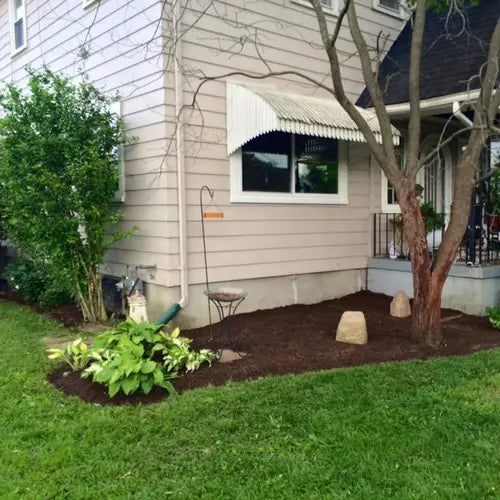
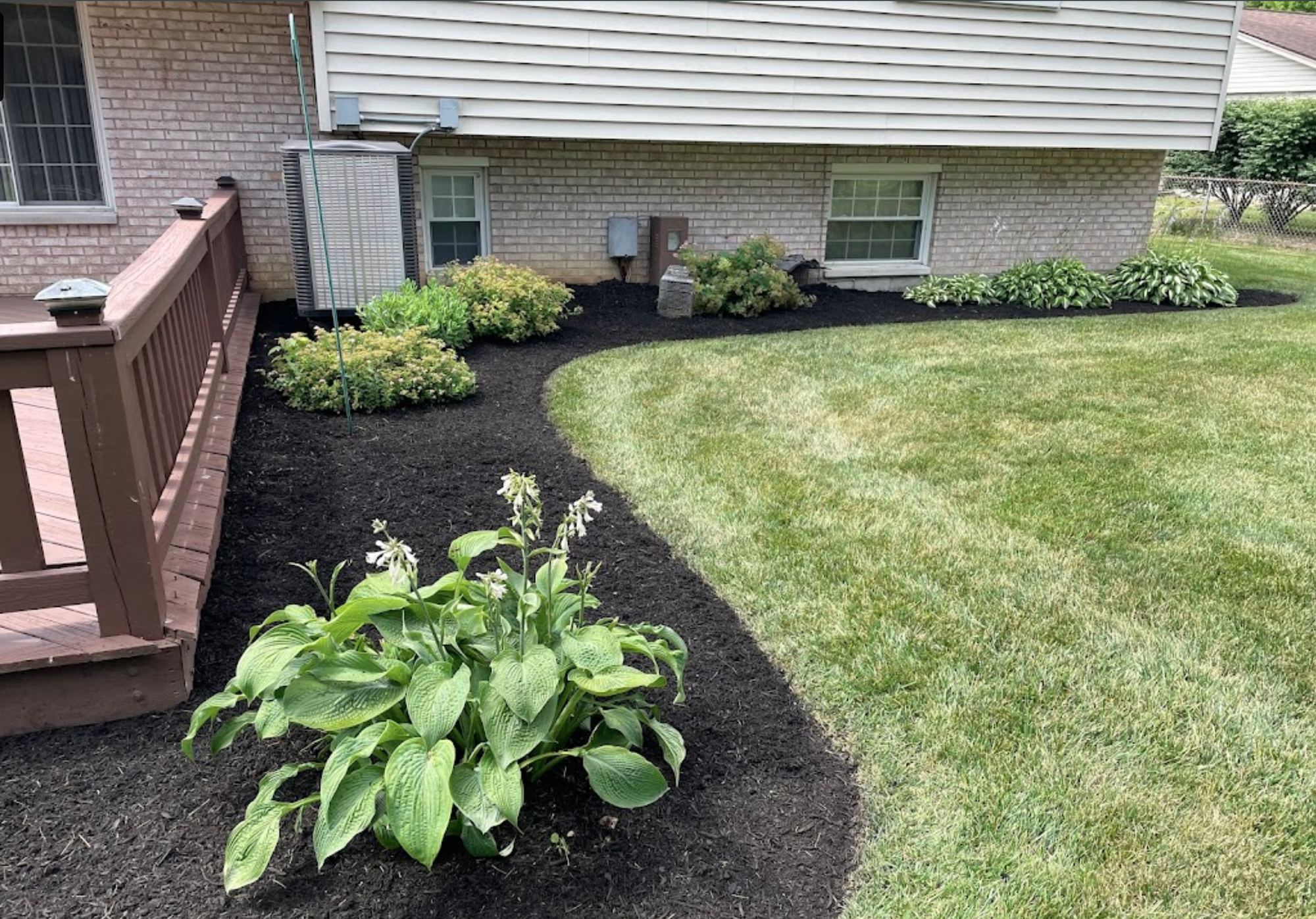
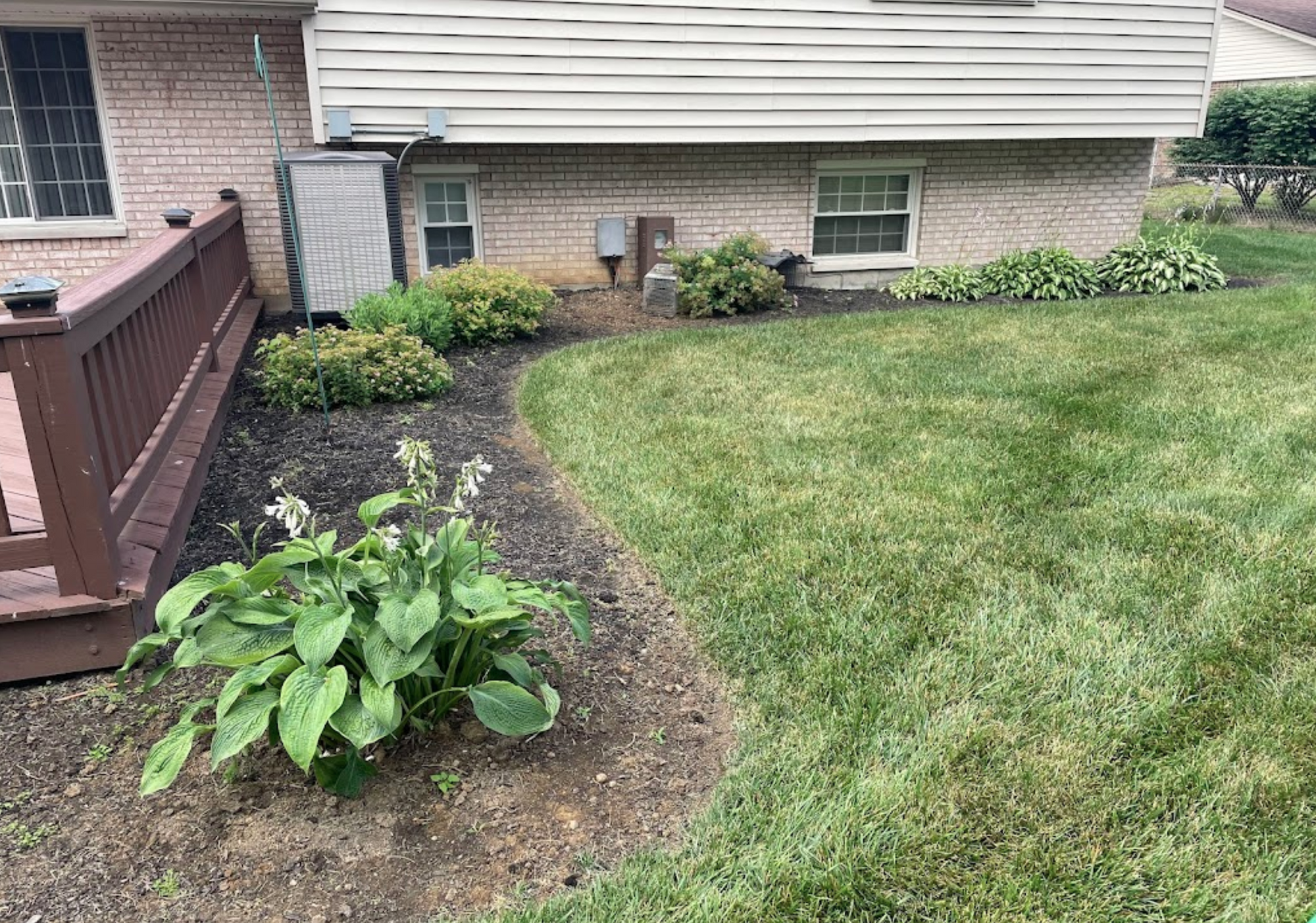
Before
After
Best Mulch Choice for Statesboro Lawns
Most yards in the Statesboro area sit on Sandy Loam type of soil. Statesboro's sandy loam soil drains fast and holds very little organic matter on its own, which means plant beds tend to be low in nutrients and prone to drying out between rain events.
Hardwood Mulch
Hardwood mulch is a particularly good match for Statesboro's sandy loam because it decomposes steadily over the course of the growing season, adding organic matter that improves both moisture retention and nutrient availability in the soil below.
Mulch Types We Deliver in Statesboro
If you are looking for bulk mulch delivery in Statesboro, we bring fresh material straight to your driveway or job site by the cubic yard. Whether you are freshening a few garden beds or covering a large property, ordering in bulk saves you the trips and the guesswork. The region's hot summers, humid air, and sandy coastal plain soils make a healthy layer of mulch one of the most practical things you can do for your landscape.
Dyed Black Mulch
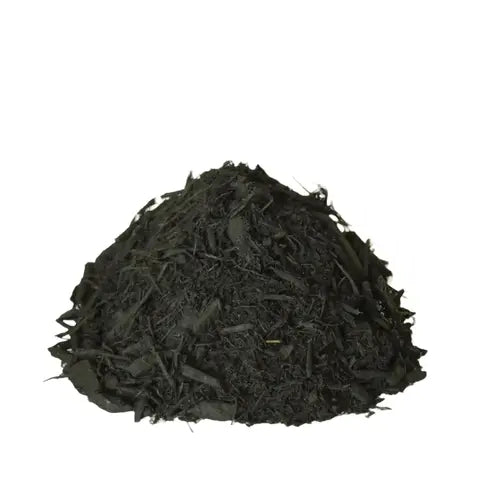
Bold and striking, this double shredded black mulch makes flower beds and foundation plantings pop against the lighter sandy soils common across south Georgia. The deep color holds up through the region's rainy spring season and hot summers, and the smooth texture makes spreading by hand or machine quick and even.
Dyed Brown Mulch
Warm brown double shredded mulch suits the traditional brick homes and manicured landscapes common across this part of south Georgia. The rich tone looks freshly applied for weeks after delivery, blends cleanly with green lawns and native plantings, and the smooth texture spreads without clumping even on sloped beds.
Natural Brown Mulch
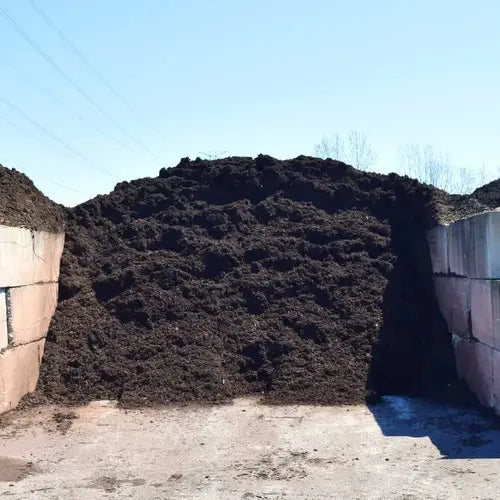
This undyed double shredded mulch offers a warm, earthy look that pairs well with the native trees and relaxed landscaping styles popular across this region. No dyes means it breaks down cleanly into sandy soil, gradually improving the organic content of your beds while keeping the surface tidy and the weeds down.
Complete Your Outdoor Mulch Project
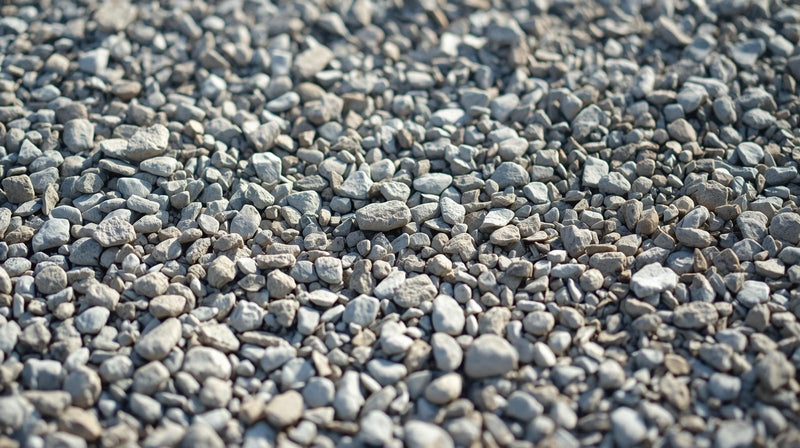
If you are building new beds or expanding existing ones, pairing mulch with a quality topsoil gives your plants the nutrient-rich foundation that Statesboro's native sandy loam often lacks. Adding stone borders or edging around mulched beds also helps keep mulch in place during the heavy rain events common in southeast Georgia.
In Statesboro's long growing season, timing your mulch application matters. Lay down a fresh layer in mid-March just after the last frost date when the soil has begun warming up, and your plants will have stable root zone temperatures from the start of the active season all the way through the first frost in November. Waiting until May means weeks of unprotected soil during some of the fastest plant growth of the year.
Mulch Mound Pro Tip
Statesboro's sandy loam does not hold fertilizer well because nutrients leach through the soil profile quickly, especially after heavy summer thunderstorms. If you apply a slow-release fertilizer to your beds before mulching, the mulch layer acts as a protective cap that slows water movement through the surface and gives nutrients more time to absorb into the root zone rather than washing through the soil. This combination is especially effective for flowering shrubs and perennials.
Mulch Mound Pro Tip
With 47 inches of annual rainfall spread across Statesboro's seasons, mulch also plays an important erosion control role that homeowners often overlook. Bare sandy loam is particularly vulnerable to surface wash during the heavy thunderstorms common from June through September, and a 3 to 4 inch mulch layer absorbs raindrop impact and holds the soil surface in place. Without mulch, slopes and raised beds can lose significant topsoil during a single strong storm.
Frequently Asked Questions
Click a question to see the answer
Answer
How deep should I apply mulch in Statesboro given how fast our sandy soil dries out?
Because Statesboro's sandy loam drains quickly and summer temperatures regularly push into the 90s, we recommend applying mulch at a depth of 3 to 4 inches in plant beds. This depth creates enough of a barrier to meaningfully slow evaporation from the soil surface, which makes a real difference during stretches of dry weather between the area's rain events.
Answer
Will mulch break down too fast in Statesboro's heat and humidity?
Organic mulches do decompose faster in warm, humid climates like Statesboro's Zone 8b than they would farther north. Hardwood mulch typically lasts one full growing season before it needs to be refreshed, while pine bark tends to hold its structure a bit longer. Plan on topping off your beds each spring, ideally just before the last frost date of March 15 passes and your plants start their most active growth period.
Answer
Should I mulch before or after our last frost in March?
The best time to mulch in Statesboro is right around the last frost date of March 15, once nighttime temperatures are consistently staying above freezing. Mulching too early in late winter can trap cold air around root zones, but waiting until mid-March means you are protecting the soil just as spring annuals and perennials begin waking up and need stable soil temperatures.
Answer
Does mulch help with the weeds that grow so aggressively here in southeast Georgia?
Yes, a 3 to 4 inch layer of mulch is one of the most effective weed suppression tools available to Statesboro homeowners. The warm temperatures and decent rainfall that make the growing season so long here also give weed seeds ideal conditions to germinate, so a thick mulch layer that blocks light from reaching the soil surface is especially valuable in Zone 8b landscapes.
Answer
Will colored mulch hold its color through Statesboro's hot summers and frequent rain?
Dyed mulches generally hold color for one season in Statesboro, though the combination of 47 inches of annual rainfall and intense summer UV exposure means some fading is normal by late fall. If you are applying colored mulch primarily for curb appeal, refreshing it each spring before the growing season peaks keeps beds looking sharp through the months when your landscape is most visible.
Answer
How much mulch do I need for a typical Statesboro front yard bed?
A good starting point is to measure the length and width of each bed in feet, multiply those together to get square footage, and then plan for one cubic yard of mulch for every 100 square feet at a 3-inch depth. Most front yard beds in Statesboro fall between 200 and 400 square feet, so 2 to 4 cubic yards is a common order size for a single front bed refresh.
Answer
Is there a mulch that helps improve our sandy loam soil as it breaks down?
Hardwood mulch is an excellent choice for Statesboro's sandy loam because as it decomposes it adds organic matter directly to the soil profile. Sandy loam naturally struggles to retain nutrients and water, and the gradual breakdown of hardwood mulch helps address both of those issues over one to two seasons. This makes hardwood mulch both a short-term aesthetic choice and a long-term soil improvement strategy for Statesboro landscapes.
The Unique Landscape of Statesboro
Statesboro's sandy loam soil drains quickly, which means plant beds can dry out fast during summer heat even with the area's 47 inches of annual rainfall. A thick layer of mulch slows that moisture loss dramatically, keeping roots cooler and reducing how often you need to water during July and August. The long growing season stretching from the last frost around March 15 all the way through mid-November means your beds are active for most of the year, and bare soil is exposed to both heat and erosion for extended periods. Organic mulch also breaks down into the sandy loam over time, gradually improving its ability to hold nutrients that would otherwise leach out during heavy rain events. Whether you are managing flower beds, garden paths, or tree rings, mulch is one of the most effective and affordable tools for keeping Statesboro landscapes healthy through the humid summers and mild winters.