






I needed 3 yards of top soil and that's what I got! Right on time and right where I asked it to be placed (Order# 2041).
About this soil
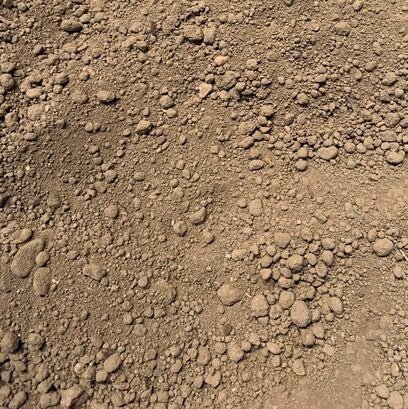
Quality topsoil for lawns, gardens, and landscape projects. Nutrient rich and ready to support strong root development and healthy plant establishment.
I needed 3 yards of top soil and that's what I got! Right on time and right where I asked it to be placed (Order# 2041).
Tell us what you're looking for
Thanks! We received your request.
Something went wrong. Please try again.
How Much Material Do I Need?
How Much Material Do I Need?
For most Statesboro planting beds, plan on adding 4 to 6 inches of topsoil to give roots a strong start above the sandy loam. Lawn leveling projects typically need 1 to 2 inches, which is shallow enough for existing grass to grow through as the soil settles.
Use our free soil calculator
What is a yard?
What is a yard?
FAQs
FAQs
Statesboro Soil Delivery
Statesboro Soil Delivery
Regular price
$64.00
per
yard
Regular price
Sale price
$64.00
Unit price
per
Shipping calculated at checkout.
Minimum of 3 yard
Couldn't load pickup availability
Not currently available
We can't take orders for this right now. Tell us what you need and we'll get back to you.
Hand-picked local yards
4,000+ regional deliveries
Dedicated support
Why order through Mulch Mound
The best local soil, without the guesswork.
We hand-pick and partner with the best yards in your region, keep only the ones our buyers rate well, and back each load with our guarantee.
Mulch Mound Guarantee
If your soil isn't the quantity or quality you ordered, we'll make it right.
About this soil
Quality topsoil for lawns, gardens, and landscape projects. Nutrient rich and ready to support strong root development and healthy plant establishment.
I needed 3 yards of top soil and that's what I got! Right on time and right where I asked it to be placed (Order# 2041).
How Much Material Do I Need?
How Much Material Do I Need?
For most Statesboro planting beds, plan on adding 4 to 6 inches of topsoil to give roots a strong start above the sandy loam. Lawn leveling projects typically need 1 to 2 inches, which is shallow enough for existing grass to grow through as the soil settles.
Use our free soil calculator
What is a yard?
What is a yard?
FAQs
FAQs
Tell us what you're looking for
Thanks! We received your request.
Something went wrong. Please try again.
How It Works
Getting started is easy — just follow these simple steps
1
Choose your soil
Make sure you adjust the quantity to your home's needs. You can use our calculator to estimate how much you'll need.
2
Select your delivery date
Select a delivery date you'd like for the product to be dropped off at your home
3
Sit back and wait
Sit back, wait, and let us work our magic to make sure the highest quality product is delivered to your driveway.

Highest compliments. Great driver.
Website is easy to navigate. Just a seamless process. 5 stars!!

Need Help Calculating How Much Soil You Need?
Use our NEW Trace from Satellite tool to get an estimate for your project based on an aerial view of your property
Try Our CalculatorMeasure the length and width of the area you are filling in feet, then multiply by the depth in feet to get cubic feet, and divide by 27 to convert to cubic yards. Keep in mind that Statesboro's sandy loam will compact slightly around new soil over time, so adding 10 to 15 percent extra to your order accounts for settling. For raised beds, calculate the full interior volume of the frame to make sure you have enough material to fill it completely.
Soil Types We Deliver in Statesboro
Statesboro sits on sandy coastal plain soils that can leave lawns and gardens hungry for the structure and nutrients healthy plants need. We deliver bulk topsoil by the yard in Statesboro so you can build up raised beds, level your yard, or prep new planting areas without hauling bags from the store. Every load is measured by the cubic yard and dropped right where you need it.
Screened Top Soil
Our screened top soil is run through a fine screen to remove rocks, clumps, and debris, giving you a clean, workable base that blends easily into Georgia's sandy native ground. It suits lawn repairs, vegetable gardens, flower beds, and new landscape installs where strong root development and steady moisture retention matter most.
Complete Your Outdoor Soil Project
Pairing new soil with a quality mulch layer helps protect the surface from Statesboro's summer rain events and slows the moisture loss that sandy loam is prone to. If you are building raised beds or defining garden edges, stone borders keep soil contained and prevent it from washing into lawn areas during heavy downpours.


Mulch Mound Pro Tip
Before adding topsoil to any bed in Statesboro, loosen the existing sandy loam to a depth of 4 to 6 inches with a tiller or garden fork. This breaks up any surface compaction and allows the new soil to integrate with the native ground rather than sitting as a separate layer that roots have to punch through. Beds where the layers are blended together hold moisture more evenly and drain better after Statesboro's heavy summer rains.
Mulch Mound Pro Tip
Statesboro's growing season runs for eight months from March through November, and warm-season lawns like bermuda and centipede go through the most aggressive growth from May through August. If you are topdressing your lawn with soil to fill low spots or improve density, doing it in late April as soil temperatures rise above 65 degrees gives warm-season grasses the best chance to grow through the new material before summer heat peaks. Applying too late in summer can stress grass that is already working hard in the heat.
Mulch Mound Pro Tip
The UGA Cooperative Extension office in Bulloch County offers affordable soil testing that tells you the pH and nutrient levels of your native ground before you add new material. Statesboro's sandy loam often runs slightly acidic, and if your pH is off, added soil and fertilizer will not perform as expected. Running a test first saves you from guessing and lets you correct any issues at the same time you are improving soil volume.
The Unique Landscape of Statesboro
Statesboro's native sandy loam is workable but it presents real challenges for homeowners trying to grow healthy lawns and productive garden beds. Its fast drainage means that organic nutrients move through the soil profile quickly, leaving plants hungry even after fertilizing. When building raised beds, leveling low spots in the lawn, or establishing new planting areas, bringing in quality topsoil or garden mix allows you to start with a controlled nutrient profile rather than fighting the limitations of the native ground. The area's long growing season, which runs from roughly March 15 through November 15, means your soil is being asked to support plant growth for the better part of eight months each year. Improving the soil in beds and garden areas before planting pays dividends across every month of that long season rather than just in the peak summer weeks.