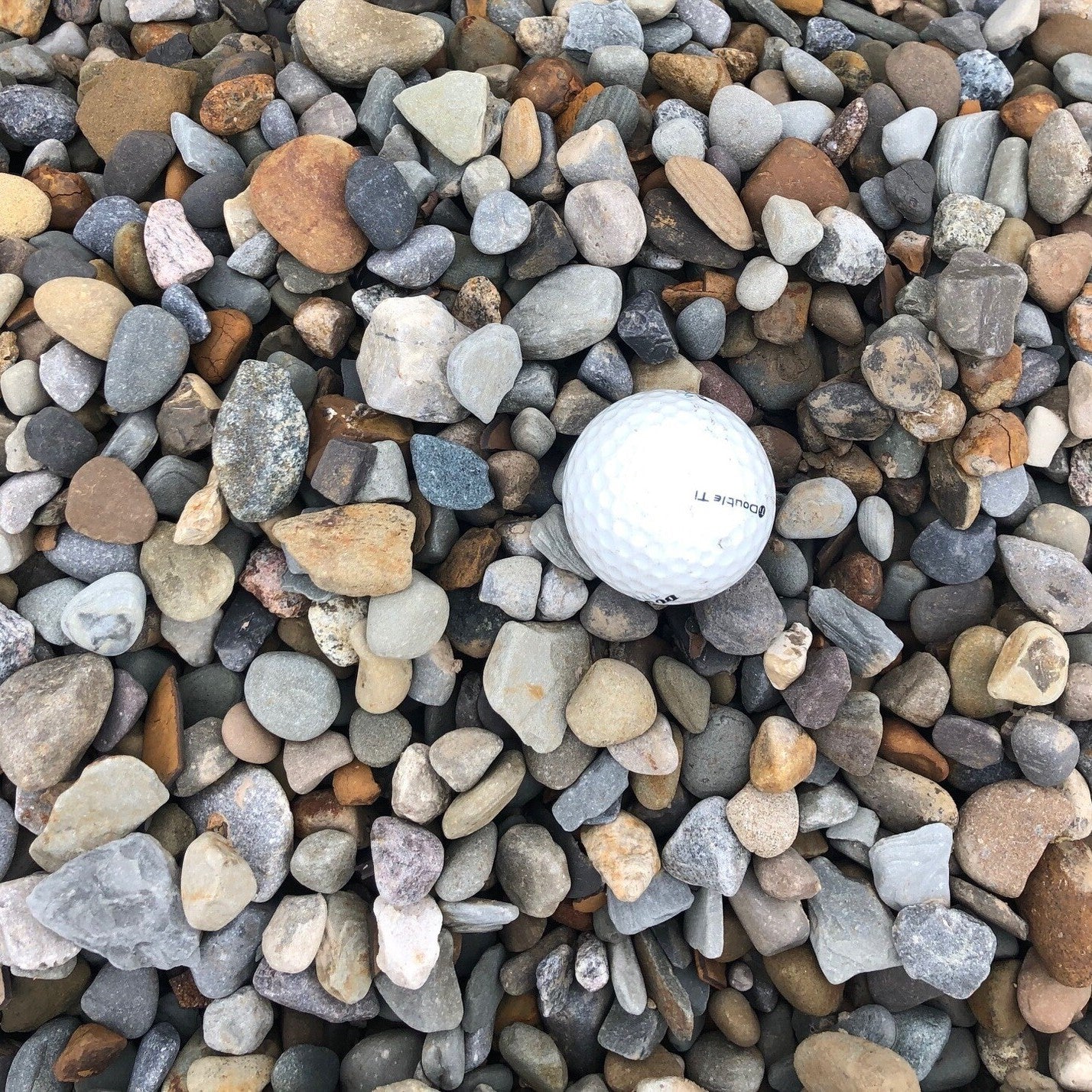
Number 57 crushed stone, angular limestone graded to about three quarters of an inch. The standard driveway, base and drainage gravel, it locks together under traffic and drains fast.
Mulch Mound delivered a yard of pea gravel to us. Delivery was on time, driver was friendly and hit a bullseye on the “tarp target”. We used the pea gravel (which was diameter as specified) to fill several muskrat holes around our pond. I would definitely recommend Mulch Mo...
Tell us what you're looking for
Thanks! We received your request.
Something went wrong. Please try again.
How Much Material Do I Need?
For decorative ground cover and pathway applications in Statesboro, a depth of 2 to 3 inches provides good coverage and weed suppression. Drainage channels and erosion control areas should be filled deeper, at 4 to 6 inches, to handle the high water volumes common during Statesboro's summer storms.
Use our free gravel calculator
What is a yard?
A yard is approximately 27 cubic feet. As a general guideline, one yard of material can cover an area of about 100-160 square feet at a 2-3 inch depth.
We can't take orders for this right now. Tell us what you need and we'll get back to you.
What do you need?
Thanks! We received your request.
Something went wrong. Please try again.
Hand-picked local yards
4,000+ regional deliveries
Dedicated support
Why order through Mulch Mound
The best local stone, without the guesswork.
We hand-pick and partner with the best yards in your region, keep only the ones our buyers rate well, and back each load with our guarantee.
Mulch Mound Guarantee
If your stone isn't the quantity or quality you ordered, we'll make it right.
About this stone
Number 57 crushed stone, angular limestone graded to about three quarters of an inch. The standard driveway, base and drainage gravel, it locks together under traffic and drains fast.
Mulch Mound delivered a yard of pea gravel to us. Delivery was on time, driver was friendly and hit a bullseye on the “tarp target”. We used the pea gravel (which was diameter as specified) to fill several muskrat holes around our pond. I would definitely recommend Mulch Mo...
How Much Material Do I Need?
For decorative ground cover and pathway applications in Statesboro, a depth of 2 to 3 inches provides good coverage and weed suppression. Drainage channels and erosion control areas should be filled deeper, at 4 to 6 inches, to handle the high water volumes common during Statesboro's summer storms.
Use our free gravel calculator
What is a yard?
A yard is approximately 27 cubic feet. As a general guideline, one yard of material can cover an area of about 100-160 square feet at a 2-3 inch depth.
Mulch Mound delivered a yard of pea gravel to us. Delivery was on time, driver was friendly and hit a bullseye on the “tarp target”. We used the ...
Read full review
Mulch Mound delivered a yard of pea gravel to us. Delivery was on time, driver was friendly and hit a bullseye on the “tarp target”. We used the pea gravel (which was diameter as specified) to fill several muskrat holes around our pond. I would definitely recommend Mulch Mound to a friend!
Placing an order online was so easy. Delivery was on time. When the driver realized we had a newly poured driveway they erred on the side of cautio...
Read full review
Placing an order online was so easy. Delivery was on time. When the driver realized we had a newly poured driveway they erred on the side of caution and opted not ti drive in it. The company even sent me a message explaining that call. Would recommend!
To calculate stone for your project, measure the area in square feet and determine your desired depth in inches, then divide the depth by 12 to get feet and multiply by the square footage to get cubic feet. Divide that number by 27 to get cubic yards, and add 10 percent to account for settling and edge spillage. For Statesboro drainage projects, erring on the side of a little more stone is wise since underfilling a drainage channel leaves the sandy loam exposed to erosion.
Stone Types We Deliver in Statesboro
Statesboro homeowners and landscapers count on us for bulk gravel by the yard in Statesboro, delivered straight to your driveway or job site. Whether you are refreshing a backyard patio or improving drainage around your foundation, we make it easy to order the right stone in the right quantity. Our bulk delivery model saves you the hassle of hauling bags from a store and keeps your project moving on schedule.
Pea Gravel
Smooth, rounded pea gravel is a top choice across this part of Georgia, where sandy loam soil pairs well with its excellent drainage performance. Its warm earth tones complement the brick and wood exteriors common in Statesboro neighborhoods, and its gentle texture makes it comfortable underfoot on pathways and patios.
Complete Your Outdoor Stone Project
Stone borders pair naturally with mulched planting beds, where the stone edge keeps mulch contained and prevents it from washing onto hardscapes during heavy Statesboro rains. If you are building raised beds nearby, quality topsoil fills those structures while stone handles the surrounding paths and drainage areas, keeping the whole project clean and functional.
In Statesboro, one of the most overlooked uses for stone is around downspout outlets where concentrated water discharge erodes the sandy loam quickly. A splash pad of river rock or larger gravel, roughly 3 feet by 2 feet and 4 inches deep, placed at each downspout exit absorbs the energy of falling water and directs it away from your foundation without creating a muddy bare patch. This small installation protects your foundation plantings and prevents the gradual soil loss that occurs storm after storm.
Mulch Mound Pro Tip
If you are creating a stone pathway in Statesboro, consider edging it with a low-growing ornamental border plant rather than bare lawn. Warm-season grasses like bermuda will creep into gravel edges aggressively during the long growing season from March through November, requiring repeated trimming to keep the path looking clean. A planted border of liriope or dwarf mondo grass creates a defined living edge that resists grass encroachment and requires far less maintenance than trimming grass away from loose stone.
Mulch Mound Pro Tip
Statesboro homeowners with heavy clay pockets mixed into their sandy loam should use caution when designing stone drainage channels, since clay layers can create perched water tables that cause stone-filled channels to back up during prolonged wet periods. If you notice areas of your yard that stay wet for several days after a rain, mark those spots before designing your stone drainage layout. Installing stone over a layer of coarse sand in those areas improves downward drainage and prevents the channel from sitting saturated between Statesboro's frequent summer storms.
The Unique Landscape of Statesboro
Stone is one of the most practical and long-lasting materials you can add to a Statesboro landscape because it requires almost no maintenance once installed. In a climate with 47 inches of annual rainfall and heavy thunderstorm activity in summer, stone is far superior to other ground covers for drainage management, erosion control, and directing water flow around foundations and downspouts. Statesboro's sandy loam, while generally stable, can shift and erode on slopes and in areas with concentrated water flow, and a well-placed stone pathway or drainage channel addresses that vulnerability permanently. The area's long growing season also means that weed pressure is persistent from March through November, and stone ground cover in paths, borders, and low-maintenance zones dramatically reduces the weeding required in those areas. Whether you are creating a clean foundation border, a functional pathway, or a decorative gravel bed, stone brings lasting structure to landscapes throughout the Statesboro area.
Frequently Asked Questions
Click a question to see the answer
Answer
What type of stone works best for drainage areas in my Statesboro yard?
For drainage channels and swales in Statesboro, washed gravel in the 1.5 to 2 inch range is a reliable choice because it allows water to move through quickly while staying in place during heavy flow. Pea gravel is better suited to flat pathways and decorative areas, but in a drainage application the larger crushed stone or river rock holds better when Statesboro's summer storms send significant water volume across the yard.
Answer
Will stone help with the erosion I am seeing on the slope in my backyard?
Yes, stone is one of the most effective erosion control materials for Statesboro slopes, especially in areas where concentrated water flow is the problem. Laying a thick layer of river rock or larger crushed stone along the path water takes during storms dissipates energy and stops the sandy loam underneath from washing away. For steeper slopes, combining stone with landscape fabric underneath prevents migration into the soil while keeping the stone layer stable.
Answer
How does stone compare to mulch for low-maintenance areas around my Statesboro home's foundation?
Stone is a better long-term choice than mulch for foundation borders in Statesboro because it does not decompose, does not need to be refreshed annually, and does not hold moisture against the foundation the way organic mulch can. Mulch does improve the soil underneath over time, but for areas immediately next to the foundation where you want a clean, low-moisture barrier, a 3 to 4 inch layer of stone with a weed barrier underneath requires almost no maintenance through all eight months of Statesboro's active growing season.
Answer
How much stone do I need for a gravel pathway in my Statesboro backyard?
For a standard backyard pathway in Statesboro, figure on 2 to 3 inches of compacted gravel depth, which means one cubic yard covers roughly 100 to 130 square feet. Measure your path length and width, multiply for square footage, and add about 10 percent for settling. Statesboro's sandy loam base is actually well-suited to gravel paths because it provides natural drainage underneath, so you rarely need to worry about water pooling in the path after rain.
Answer
Does stone get too hot for bare feet during Statesboro summers?
Darker stone like black Mexican pebbles or charcoal gravel absorbs significantly more heat during Statesboro's July and August afternoons and can become uncomfortably hot for bare feet or sensitive pets. Lighter colored options like pea gravel, white marble chips, or tan river rock reflect more sunlight and stay noticeably cooler. If your stone area will be walked on regularly or your pets use it, choosing a lighter stone color is a practical decision for the Zone 8b summer heat.
Answer
Will stone pathways shift and migrate in Statesboro's wet weather?
Smaller stones like pea gravel do migrate over time, especially on sloped areas that receive runoff during Statesboro's frequent summer rains. Installing a solid edging border of steel, plastic, or brick on both sides of a pathway helps contain the stone and reduces how often you need to rake it back into place. On flat ground, migration is much less of an issue, but any pathway on a grade benefits from physical edging to hold the material.
Answer
Can I use decorative stone to replace grass in a shady area where nothing will grow?
Stone is an excellent solution for shaded areas in Statesboro yards where grass struggles to establish because of low light. Lay landscape fabric first to suppress the weeds that would otherwise take advantage of the bare ground, then cover it with 2 to 3 inches of your chosen stone. River rock and pea gravel both look natural under tree canopies and require almost no maintenance other than occasional raking to redistribute material that shifts during Statesboro's wet seasons.
Answer
Is crush and run the same as crusher run?
Crush and run and crusher run are the same material, a mix of crushed stone and stone dust that compacts into a solid base for driveways and paver projects. For Statesboro properties dealing with sandy loam and heavy summer rainfall, our Crushed Stone #57 is often the better choice, since it drains freely instead of trapping water against foundations.