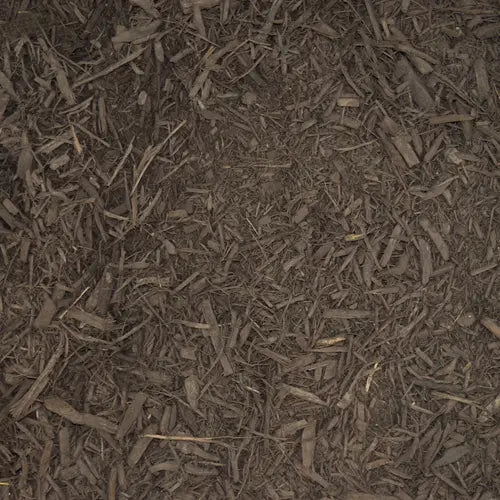
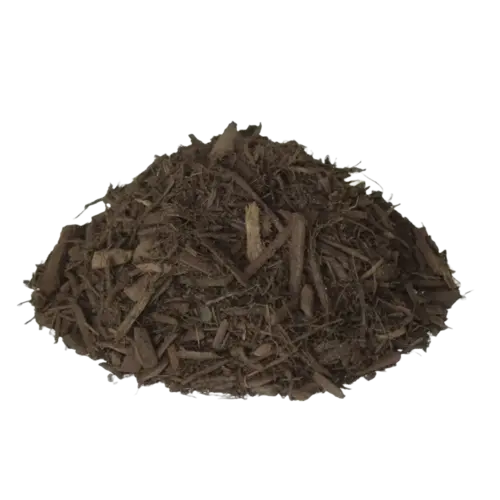
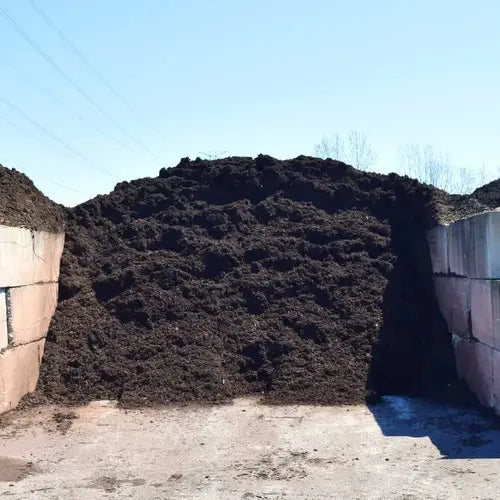
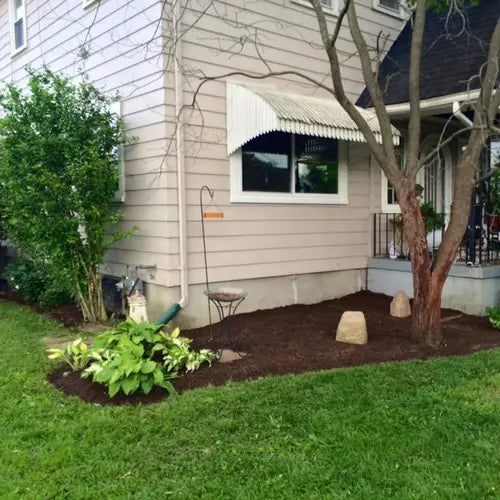
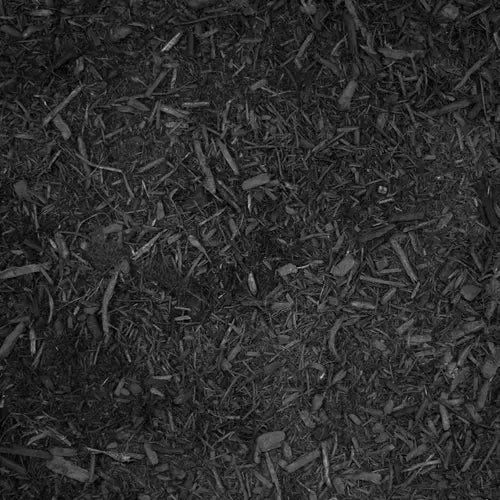
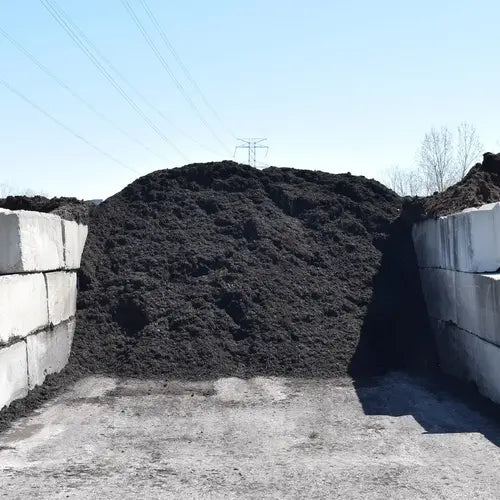
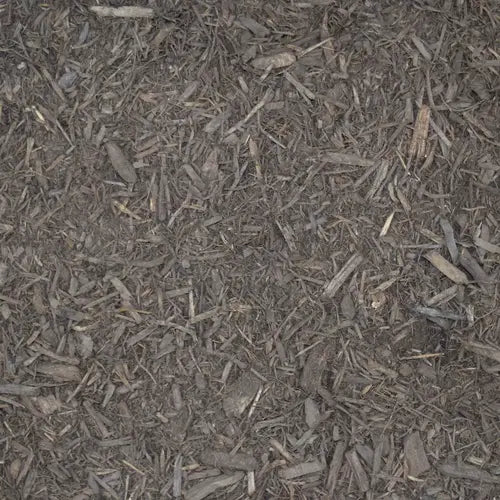
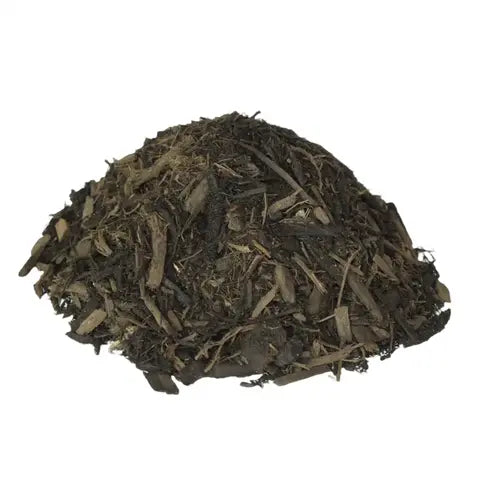
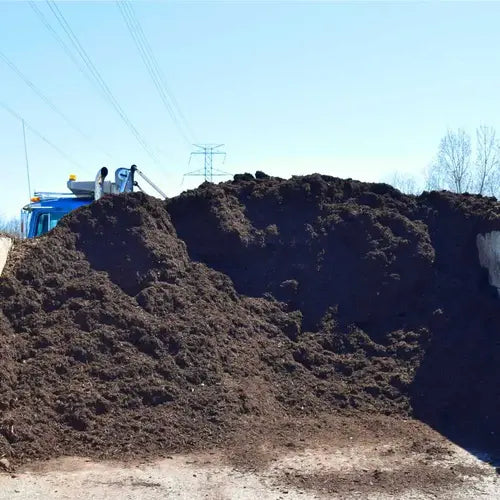
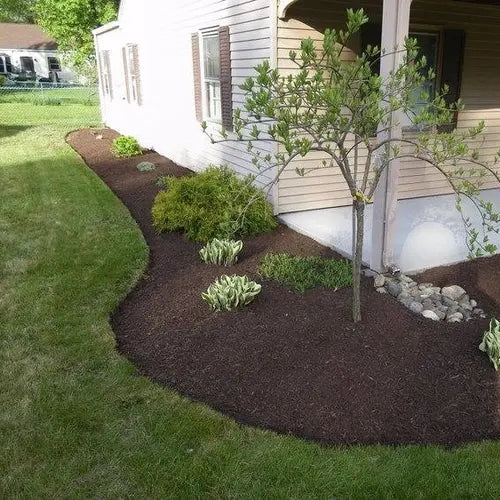
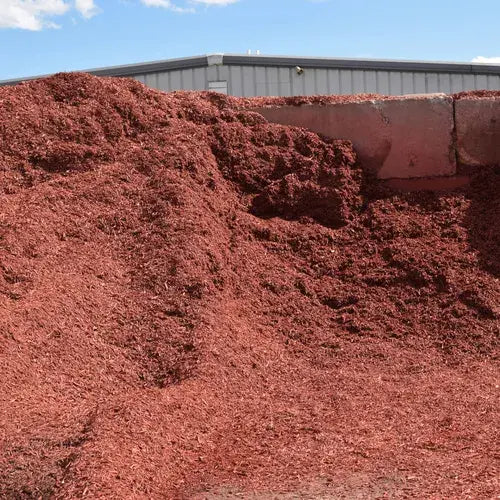
Warm brown double shredded mulch with lasting color that looks freshly applied for weeks. Spreads smooth, stays put, and gives beds a natural, polished appearance.
Mulch Mound delivered a yard of pea gravel to us. Delivery was on time, driver was friendly and hit a bullseye on the “tarp target”. We used the pea gravel (which was diameter as specified) to fill several muskrat holes around our pond. I would definitely recommend Mulch Mo...
Tell us what you're looking for
Thanks! We received your request.
Something went wrong. Please try again.
How Much Material Do I Need?
In Steubenville's silt loam environment, 2 to 3 inches of mulch is the ideal range for established beds, providing enough coverage to suppress weeds and retain moisture without compacting the soil surface or cutting off oxygen to shallow feeder roots.
Use our free mulch calculator
What is a yard?
A yard is approximately 27 cubic feet. As a general guideline, one yard of material can cover an area of about 100-160 square feet at a 2-3 inch depth.
We can't take orders for this right now. Tell us what you need and we'll get back to you.
What do you need?
Thanks! We received your request.
Something went wrong. Please try again.
Hand-picked local yards
4,000+ regional deliveries
Dedicated support
Why order through Mulch Mound
The best local mulch, without the guesswork.
We hand-pick and partner with the best yards in your region, keep only the ones our buyers rate well, and back each load with our guarantee.
Mulch Mound Guarantee
If your mulch isn't the quantity or quality you ordered, we'll make it right.
About this mulch
Warm brown double shredded mulch with lasting color that looks freshly applied for weeks. Spreads smooth, stays put, and gives beds a natural, polished appearance.
Mulch Mound delivered a yard of pea gravel to us. Delivery was on time, driver was friendly and hit a bullseye on the “tarp target”. We used the pea gravel (which was diameter as specified) to fill several muskrat holes around our pond. I would definitely recommend Mulch Mo...
How Much Material Do I Need?
In Steubenville's silt loam environment, 2 to 3 inches of mulch is the ideal range for established beds, providing enough coverage to suppress weeds and retain moisture without compacting the soil surface or cutting off oxygen to shallow feeder roots.
Use our free mulch calculator
What is a yard?
A yard is approximately 27 cubic feet. As a general guideline, one yard of material can cover an area of about 100-160 square feet at a 2-3 inch depth.
Mulch Mound delivered a yard of pea gravel to us. Delivery was on time, driver was friendly and hit a bullseye on the “tarp target”. We used the ...
Read full review
Mulch Mound delivered a yard of pea gravel to us. Delivery was on time, driver was friendly and hit a bullseye on the “tarp target”. We used the pea gravel (which was diameter as specified) to fill several muskrat holes around our pond. I would definitely recommend Mulch Mound to a friend!
I can’t say enough good things about Mulch Mound! If you read my review below you will see I had a problem with my order. Mulch Mou...
Read full review
UPDATE!
I can’t say enough good things about Mulch Mound! If you read my review below you will see I had a problem with my order. Mulch Mound was quick to respond and solved the issue with my delivery. Will definitely be a customer next year.
First time purchase from Mulch Mound!! First what I liked! Easy to order online and straight forward pricing and delivery. The driver was on time and courteous and delivered my Mulch exactly where I requested! The product is of good quality and comparable to others I have purchased from before. Now what I DID’NT LIKE! I have been mulching the same house and yard for almost 20 years. I always order the same amount and don’t have any issues with covering the same area but this year I fell about a yard short. I was home when the mulch was delivered and when the driver dumped it I noticed that it seemed a bit less than I was used to. I didn’t apply it any thicker than usual and probably a bit thinner than usual because I was worried about running out.
Measure the length and width of each garden bed in feet, multiply those together, then multiply by your desired depth in inches divided by 12 to get cubic feet. Dividing that number by 27 converts to cubic yards for ordering. Steubenville homeowners typically target a 3-inch layer given the silt loam soil type and steady annual rainfall, and our calculator handles all the math automatically once you enter your bed dimensions.
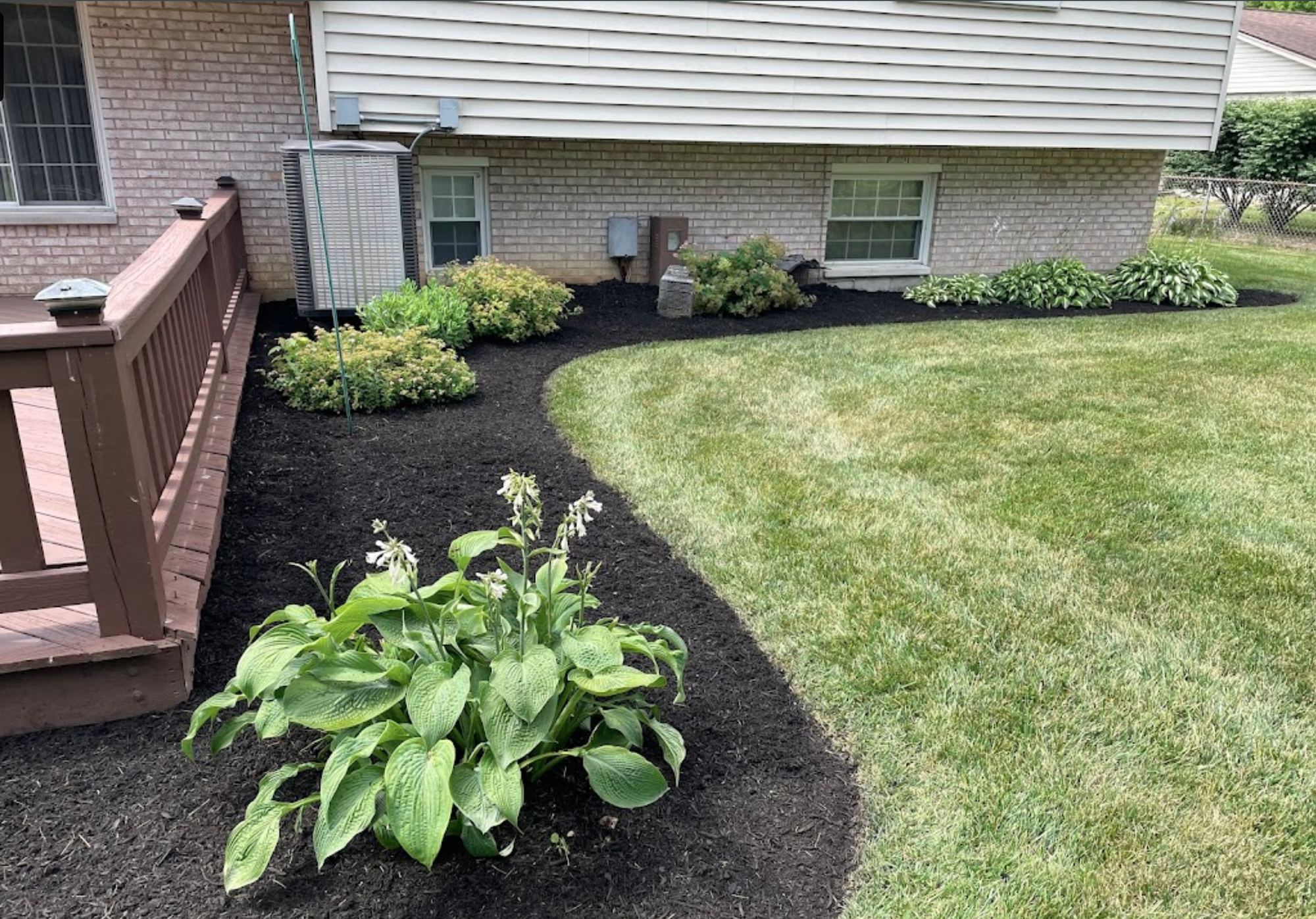
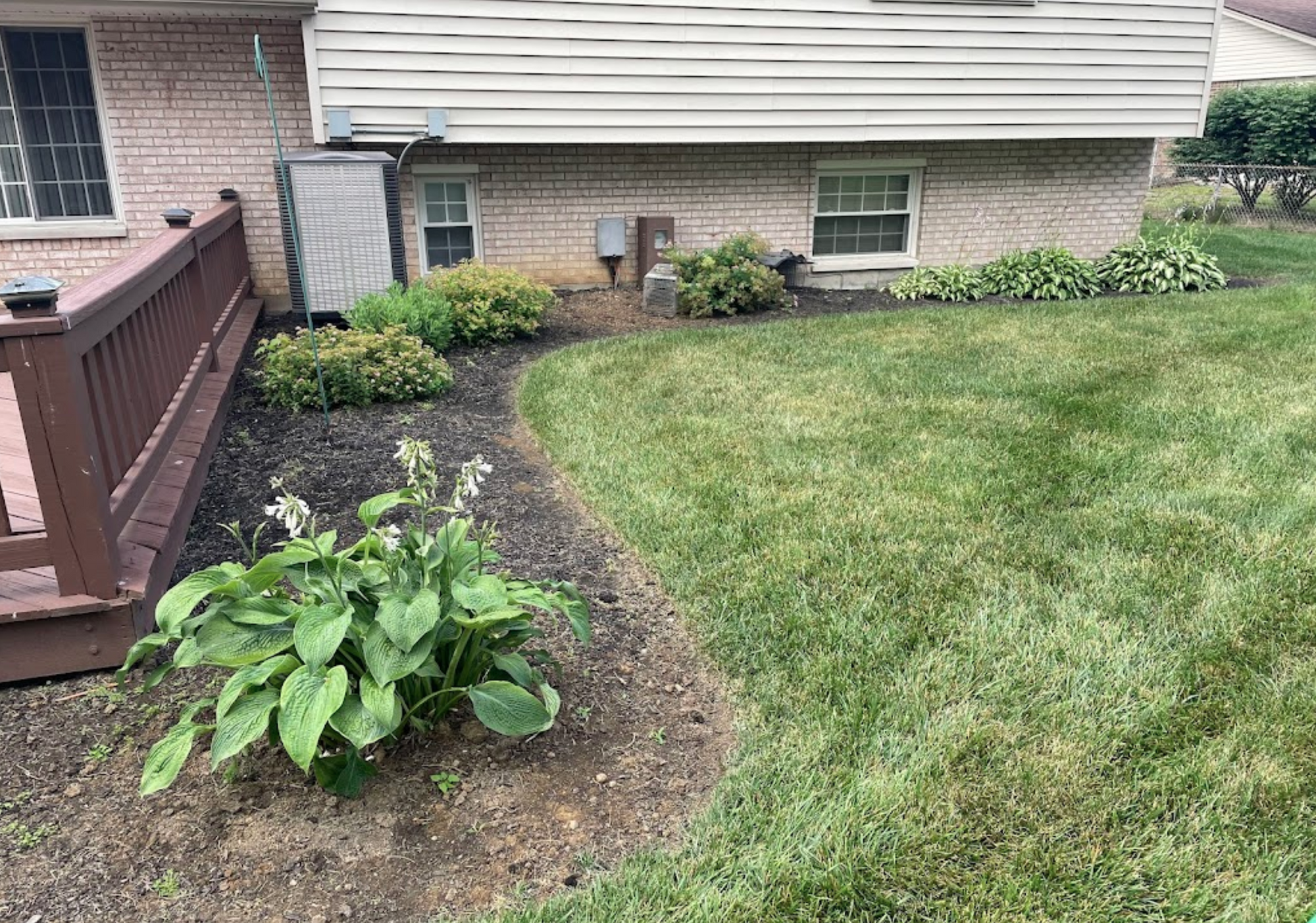
Mulch vs. No Mulch: The Difference
Steubenville's wet springs and warm humid summers mean natural hardwood mulch breaks down faster here than in drier climates, which feeds the silt loam soil with organic matter but requires annual top-ups to maintain protective depth. Dyed mulches use a denser wood base that resists decomposition longer, helping maintain both depth and color through the season with less frequent replenishment. Your choice comes down to whether you prioritize consistent soil enrichment from faster breakdown or long-lasting visual impact and coverage through Steubenville's rainy spring and summer months.
Before
After
Best Mulch Choice for Steubenville Lawns
Most yards in the Steubenville area sit on Silt Loam type of soil. Steubenville's silt loam soil has a tendency to crust over during dry spells and compact under the weight of repeated seasonal rain, which makes it progressively harder for plant roots to access water and oxygen in unprotected beds.
Hardwood Mulch
Shredded hardwood mulch is an especially strong match for Steubenville's silt loam because as it decomposes it contributes organic matter that loosens soil structure, improves drainage between rain events, and gradually builds the crumbly workable texture that healthy plant roots thrive in over multiple growing seasons.
Mulch Types We Deliver in Steubenville
Mulch Mound delivers bulk mulch by the cubic yard straight to homes and properties across Steubenville, Ohio. Whether you are refreshing foundation beds around a classic brick colonial or topping off garden borders along your property line, bulk mulch delivery in Steubenville is the easiest way to get the volume you need without hauling bags. We carry a focused selection of dyed and natural mulch varieties suited to the clay-heavy soils and four-season climate of eastern Ohio.
Dyed Black Mulch
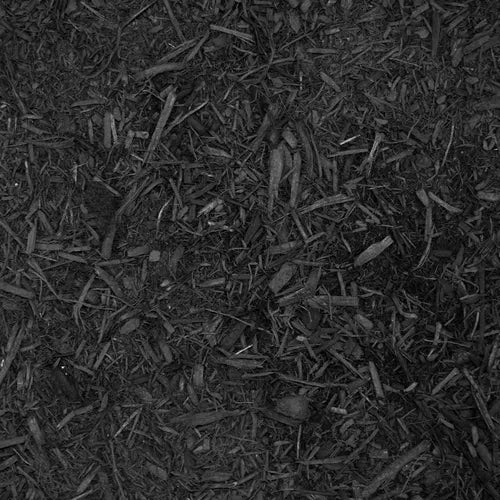
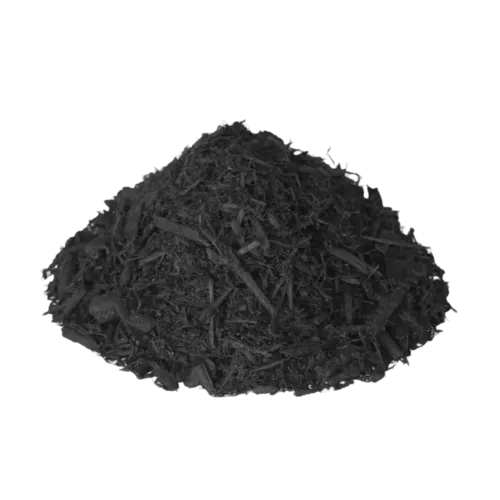
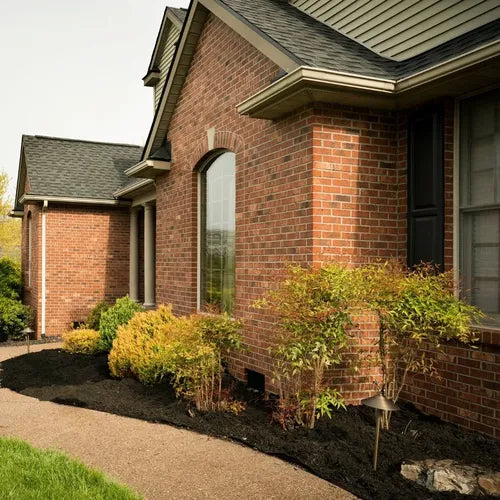
Bold black double shredded mulch that makes garden beds pop against the brick and stone exteriors common in this part of the Ohio Valley. The rich color holds through Ohio's wet springs and humid summers, and the fine double shredded texture spreads smoothly and stays in place on both flat and sloped ground.
Dyed Brown Mulch
Warm brown double shredded mulch that gives beds a freshly maintained look lasting for weeks. The color reads as natural while still defining borders cleanly, making it a dependable choice for Steubenville homeowners who want a polished yard without a heavy color statement against their siding or stonework.
Natural Brown Mulch
Undyed double shredded mulch with an earthy tone that comes directly from the wood itself. A good fit for homeowners in eastern Ohio who prefer a low-key organic appearance, especially in vegetable gardens or naturalistic plantings where chemical dyes are not wanted near edible plants or native ground covers.
Dyed Red Mulch
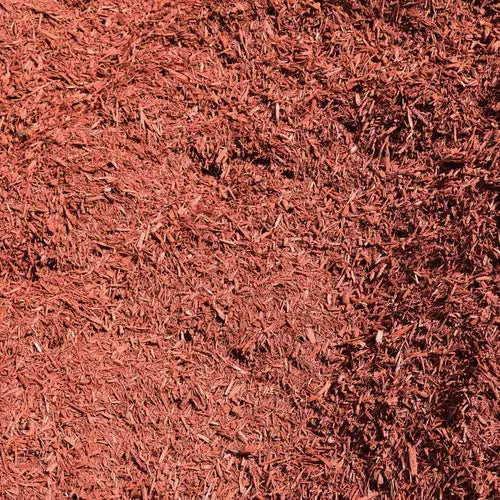
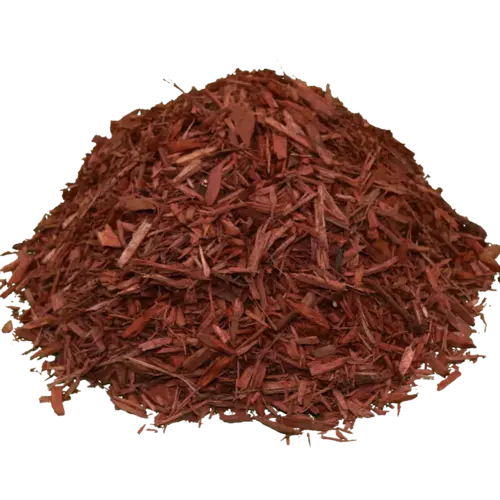
Vibrant red double shredded mulch that holds its bold color through the growing season and adds a sharp accent to landscape beds. Works especially well alongside green foliage and lighter stone edging, a pairing that shows up often in yards throughout this corner of the Ohio Valley.
Complete Your Outdoor Mulch Project
If your beds need a nutrient and structure boost before mulching, pairing your order with bulk topsoil or garden soil blend improves the foundation that already exists under your silt loam surface. For clean bed definition and low-maintenance borders between mulched areas and lawn, our decorative stone and gravel options complement any mulch project in Steubenville.
Steubenville's silt loam compacts easily after repeated rain and foot traffic through the growing season. Before laying fresh mulch each spring, take a hand trowel and lightly loosen the top inch of soil in your beds. This quick step reopens the pore structure so water from Steubenville's rainy springs moves through the mulch layer into the root zone rather than sheeting off a sealed surface.
Mulch Mound Pro Tip
Because the last frost in Steubenville falls around April 20, resist the urge to pull back winter mulch all at once during the first warm days of early April. A thin layer left over emerging perennial growth can protect against late cold snaps that are common in zone 6b springs. Pull mulch back gradually over a week or two rather than removing it in one pass, giving plants time to adjust to cooler exposed temperatures.
Mulch Mound Pro Tip
Steubenville receives about 40 inches of rain per year, which keeps mulch consistently moist and speeds up the natural decomposition process more than homeowners in drier climates experience. Check your mulch depth each fall before the October 23 first frost and add a fresh inch wherever beds have dropped below 2 inches deep. Staying ahead of breakdown means your plants head into winter with proper root insulation rather than a thin, patchy layer that offers little protection.
Frequently Asked Questions
Click a question to see the answer
Answer
How many inches of mulch should I put down in my Steubenville garden beds?
For most Steubenville garden beds, a 3-inch layer hits the sweet spot. Silt loam soil drains reasonably well but can crust over when left bare between rains, so that 3-inch depth keeps moisture consistent without smothering roots. Going deeper than 4 inches risks creating an anaerobic layer that actually harms plants, especially in beds that already receive steady rainfall through spring.
Answer
Will mulch help with the runoff and erosion we get during Steubenville's heavy spring rains?
It makes a significant difference. With around 40 inches of rain per year, unprotected beds in Steubenville lose topsoil and nutrients every time a heavy storm rolls through. A mulch layer acts as a buffer, slowing water down before it contacts the soil surface and reducing the runoff that strips away the organic matter and fertilizer you have worked to build up.
Answer
When is the best time of year to mulch here in Steubenville?
The two best windows are late April through early May, just after the last frost around April 20 when the soil has thawed and begun to warm, and again in mid-October before the first frost around October 23. Spring mulching suppresses early-season weeds and helps soil warm evenly for new plantings. Fall mulching insulates root systems through zone 6b winters and reduces the frost heaving that can damage shallow-rooted perennials.
Answer
Does colored mulch hold up through Steubenville winters or does it fade quickly?
Dyed mulches do fade over time, and Steubenville's freeze-thaw cycle from late fall through early spring can accelerate that process slightly compared to warmer climates. UV exposure through the summer months does the most fading work. If color retention matters for your curb appeal, plan on adding a fresh top-up layer each spring after the last frost to restore that just-installed look heading into the growing season.
Answer
I have heard mulch near a foundation attracts termites. Is that a real concern in Steubenville?
The risk is real but easy to manage with one simple rule. Keep mulch pulled back at least 6 inches from your foundation and avoid piling it deeper than 3 inches near the house. In Steubenville's moist climate with 40 inches of annual rainfall, overly thick mulch pressed against a foundation stays consistently damp, which is exactly the environment wood-destroying insects prefer. That gap between mulch and foundation removes the invitation.
Answer
What type of mulch breaks down the fastest in our local silt loam soil?
Shredded hardwood mulch decomposes fastest in Steubenville's silt loam because the finely shredded particles break down quickly and return organic matter to the soil. That can actually be a bonus since silt loam benefits from regular organic additions to maintain a loose, productive structure. The trade-off is that you will likely need to replenish shredded hardwood annually to keep beds at the right depth after a full season of decomposition.
Answer
Can I use mulch to fill in low spots or uneven areas in my yard?
Mulch is not suited for leveling. It compresses and decomposes over time, so any fill effect disappears within a season and you are left with the same low spot. For grade corrections and low areas in your Steubenville yard, bulk topsoil is the right material. Reserve mulch for established beds and borders where moisture retention, weed suppression, and soil protection are the goals.
The Unique Landscape of Steubenville
Steubenville's silt loam soil holds moisture reasonably well but compacts heavily under foot traffic and the repeated freeze-thaw cycles that zone 6b winters bring, making a consistent mulch layer essential for protecting plant roots year-round. With roughly 40 inches of rain falling annually, bare garden beds are vulnerable to surface erosion and nutrient washout, especially on the sloped yards common across Jefferson County. A proper mulch layer slows that surface runoff and keeps beneficial organic matter anchored where your plants need it most. Steubenville sits in growing zone 6b, which means soil temperatures can drop sharply after the first frost around October 23, and mulch acts as critical insulation through those cold months. Come spring, after the last frost around April 20, that same mulch layer helps soil warm back up evenly so your growing season gets off to a healthier start.