



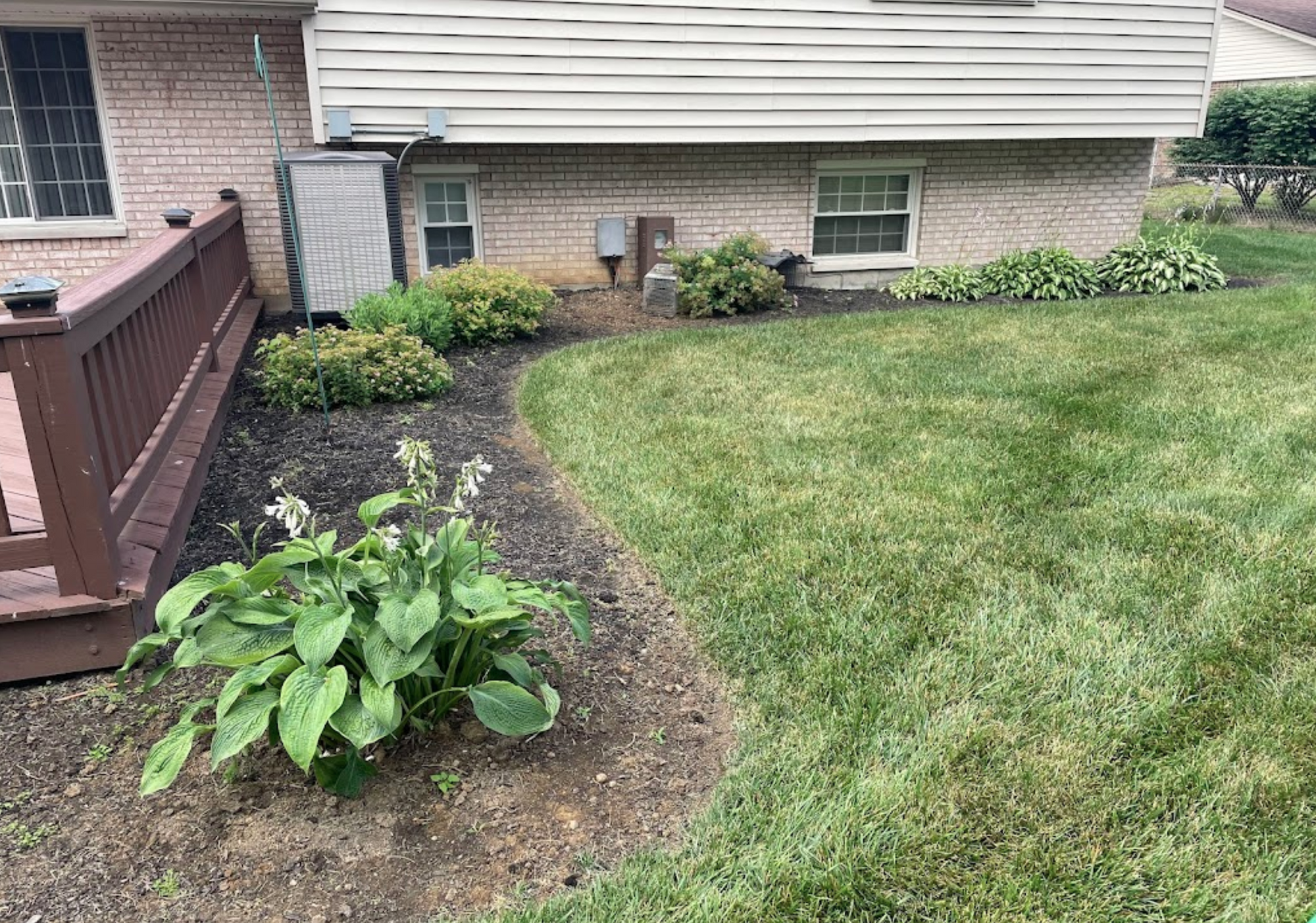
Our delivery was delayed but the new brown color mulch is a nice upgrade to our landscaping.
About this mulch
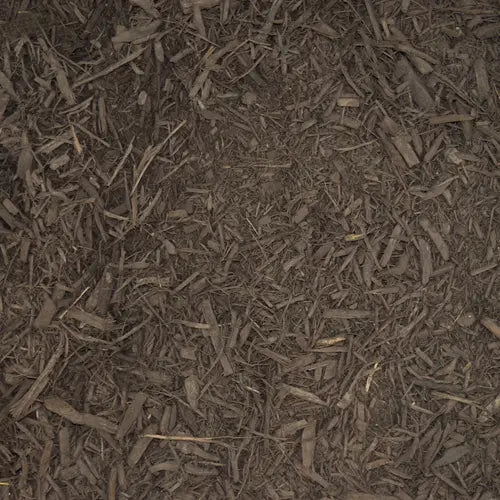
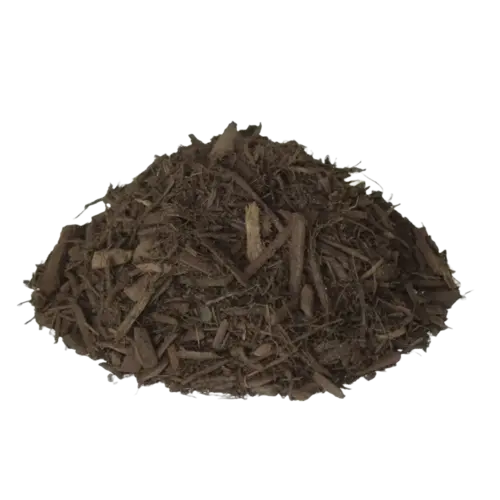
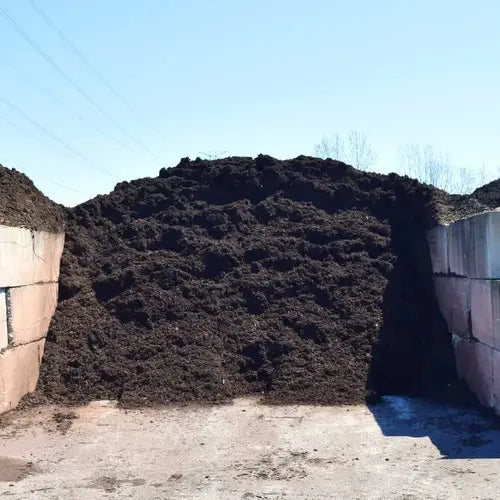
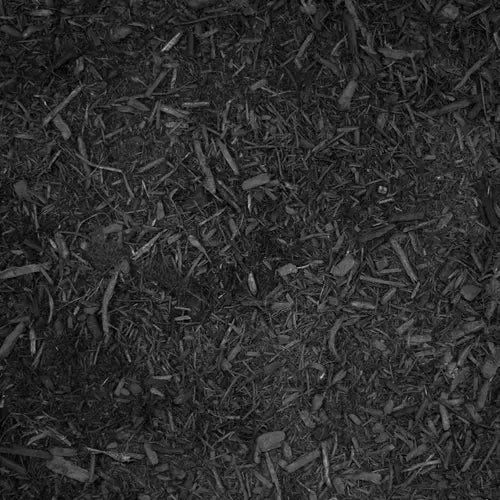
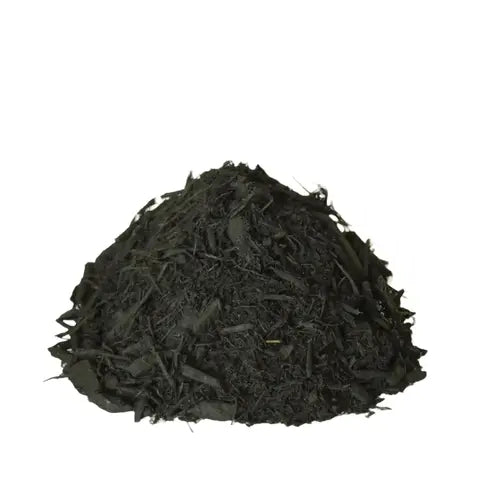
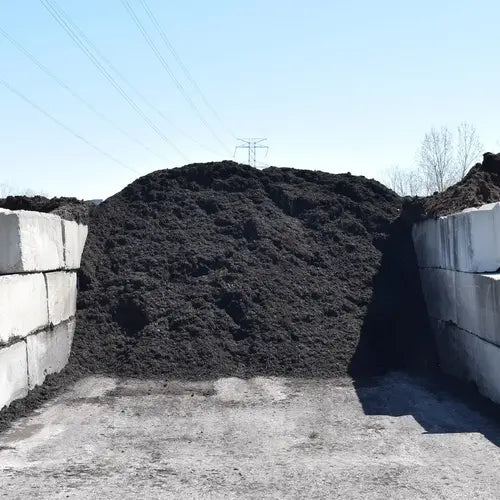
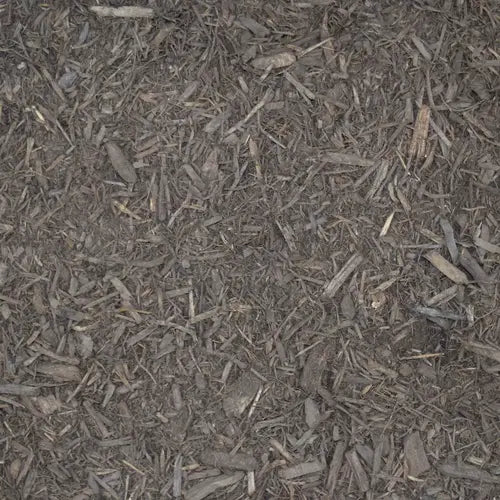
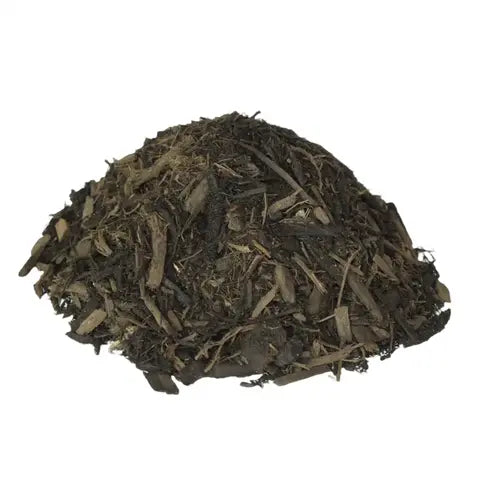
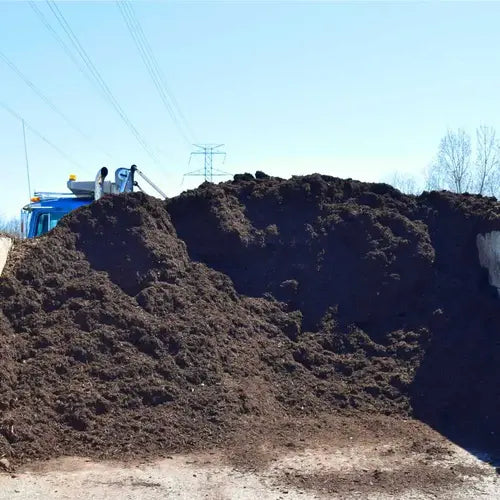
Double-shredded mulch dyed a rich, even brown that holds its color through the season.
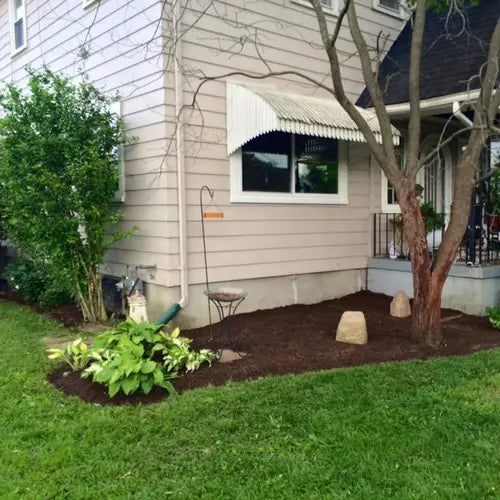
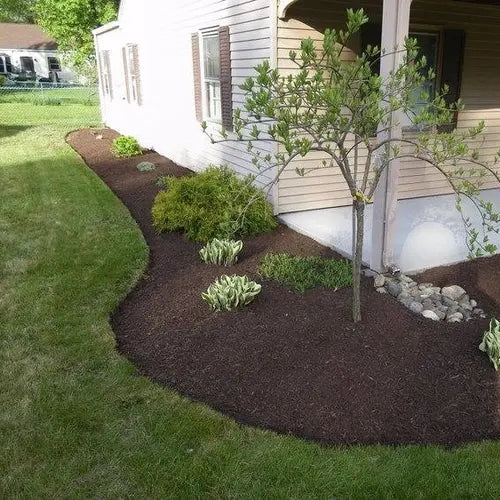
Our delivery was delayed but the new brown color mulch is a nice upgrade to our landscaping.
Tell us what you're looking for
Thanks! We received your request.
Something went wrong. Please try again.
How Much Material Do I Need?
How Much Material Do I Need?
For most Stillwater planting beds, two to three inches of mulch is the recommended depth, with three inches being ideal for beds that receive full afternoon sun and dry out quickly in summer. Staying under four inches is important in clay loam areas where excess moisture retention around plant crowns can become a problem.
Use our free mulch calculator
What is a yard?
What is a yard?
FAQs
FAQs
Stillwater Mulch Delivery
Stillwater Mulch Delivery
Regular price
$64.00
per
Yard
Regular price
Sale price
$64.00
Unit price
per
Shipping calculated at checkout.
Minimum of 3 Yard
Couldn't load pickup availability
Not currently available
We can't take orders for this right now. Tell us what you need and we'll get back to you.
Hand-picked local yards
4,000+ regional deliveries
Dedicated support
Why order through Mulch Mound
The best local , without the guesswork.
We hand-pick and partner with the best yards in your region, keep only the ones our buyers rate well, and back each load with our guarantee.
Mulch Mound Guarantee
If your isn't the quantity or quality you ordered, we'll make it right.
About this mulch
Double-shredded mulch dyed a rich, even brown that holds its color through the season.
Our delivery was delayed but the new brown color mulch is a nice upgrade to our landscaping.
How Much Material Do I Need?
How Much Material Do I Need?
For most Stillwater planting beds, two to three inches of mulch is the recommended depth, with three inches being ideal for beds that receive full afternoon sun and dry out quickly in summer. Staying under four inches is important in clay loam areas where excess moisture retention around plant crowns can become a problem.
Use our free mulch calculator
What is a yard?
What is a yard?
FAQs
FAQs
Tell us what you're looking for
Thanks! We received your request.
Something went wrong. Please try again.

How It Works
Getting started is easy — just follow these simple steps
1
Choose your Mulch
Make sure you adjust the quantity to your home's needs. You can use our calculator to estimate how much you'll need.
2
Select your delivery date
Select a delivery date you'd like for the product to be dropped off at your home
3
Sit back and wait
Sit back, wait, and let us work our magic to make sure the highest quality product is delivered to your driveway.

Mulch Mound made it so easy! So happy with the pricing, turn around time, delivery and product. I submitted my online order on a Thursday. The mu...
Read full review
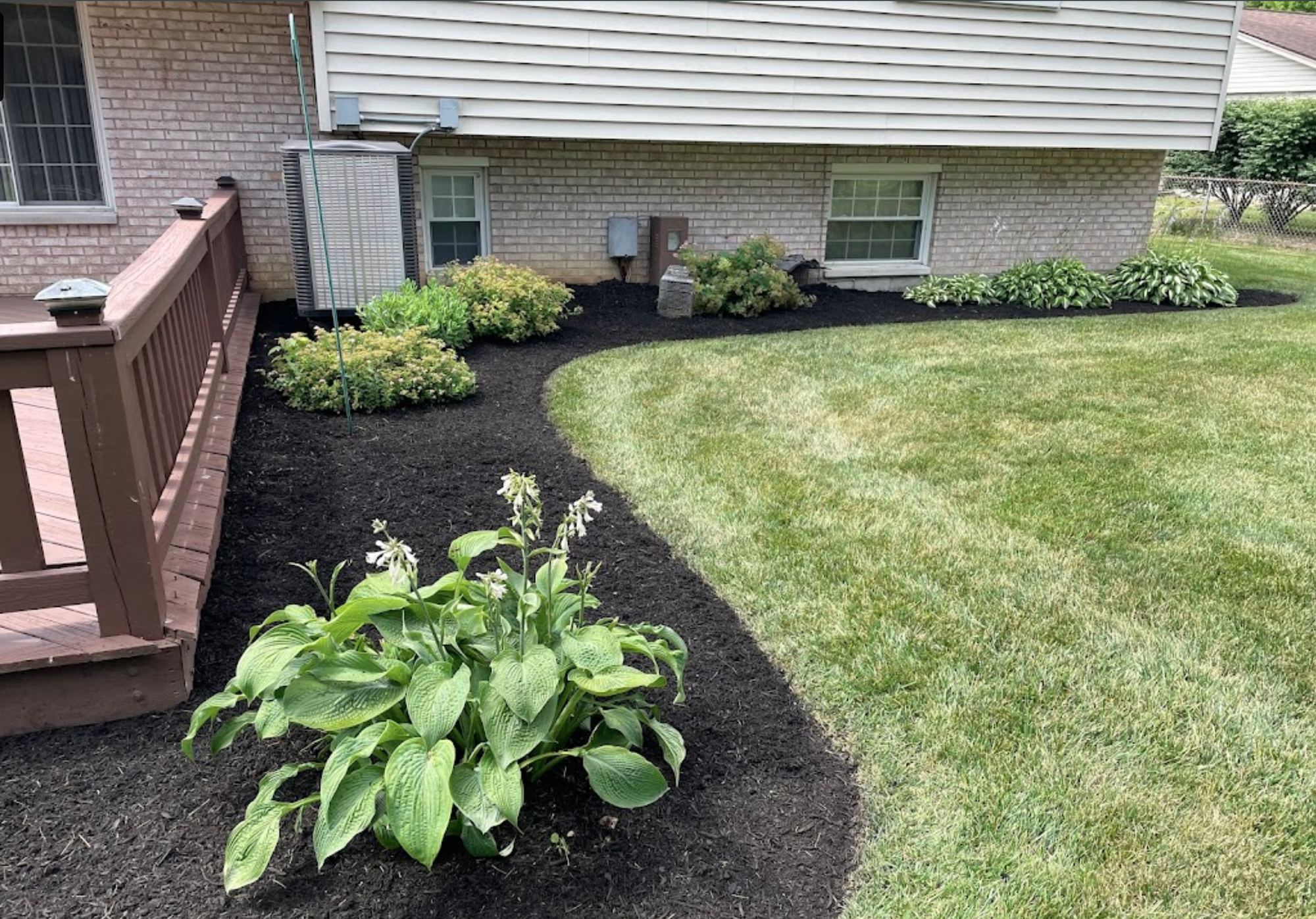
Mulch Mound made it so easy! So happy with the pricing, turn around time, delivery and product. I submitted my online order on a Thursday. The mulch was delivered to the designated location by a local landscape company at 8:30 a.m. the following Saturday morning. We had the job completed by that afternoon. We chose the natural brown mulch, and the plant beds are beautiful.

Good quality, great price, fast delivery. All online - no submitting forms and waiting for days for quotes.
Getting mulch should be this easy fr...
Read full review
Good quality, great price, fast delivery. All online - no submitting forms and waiting for days for quotes.
Getting mulch should be this easy from everyone. Only Mulch Mound is ACTUALLY this simple.
Calculate mulch for your Stillwater project
For Stillwater's type of soil, we recommend 2-3 inches for best weed suppression and moisture retention
Try Our CalculatorMeasure each bed by length and width in feet, then decide on your target depth, which is typically two to three inches in Stillwater given the clay loam soil. Multiply length by width by depth in feet, then divide by 27 to get cubic yards. If your beds have irregular shapes, break them into rough rectangles and add the totals together before placing your order.

Best Mulch Choice for Stillwater Lawns
Most yards in the Stillwater area sit on type of soil. Clay loam soil in Stillwater compacts easily under foot traffic and summer heat, leaving plant roots with limited oxygen and poor drainage that stresses even hardy Oklahoma-adapted plants. A two to three inch layer of organic mulch acts as a shock absorber, protecting the soil structure beneath from compaction while keeping the surface from baking into a crust between rain events.
Hardwood Mulch
Hardwood mulch breaks down gradually in Stillwater's warm climate and introduces organic matter directly into the clay loam layer below, which is one of the most effective long-term strategies for improving a difficult native soil. As the hardwood fibers decompose, they create small pore spaces in the clay structure that improve both drainage and root penetration, giving landscape plants and garden beds a noticeably better growing environment after two or three seasons of consistent application.
Complete Your Outdoor Mulch Project
Pairing a bulk mulch delivery with a topsoil or compost blend order is a smart move for Stillwater beds that need both surface protection and soil improvement from the ground up. Our garden soil options work well as a base amendment before mulch is applied on top.
Mulch Mound Pro Tip
Stillwater clay loam soil tends to shed water like a sheet of plastic when it is completely dry in midsummer. Before spreading fresh mulch in July or August, water your beds thoroughly first so moisture can penetrate the clay layer. Then apply your mulch on top of damp soil rather than bone-dry hardpan. This small step dramatically improves how well the mulch regulates soil temperature during the hottest weeks of the year.
Mulch Mound Pro Tip
Timing your mulch delivery around Stillwater's last frost date of April 17 gives you a real advantage. Applying mulch in the last week of April lets the soil warm up from winter first, which is important for heat-loving annuals and vegetables. If you mulch too early while soil is still cold from a late frost, you slow the warming process and delay root growth. Wait until you have had a full week of consistent highs above 60 degrees before laying your spring application.
Mulch Mound Pro Tip
In Stillwater neighborhoods with mature oak trees, you likely have a natural supply of leaf litter that breaks down into a decent soil amendment on its own. However, whole leaves mat together and create water-shedding layers on clay soil, which is the opposite of what you want. Order shredded hardwood mulch instead of relying on whole leaves, and use the shredded product to create a uniform layer that lets rain pass through evenly into the clay loam below.
The Unique Landscape of Stillwater
Stillwater sits in a transition zone where hot, humid summers and unpredictable spring weather put real stress on plant beds. The clay loam soil that covers most of Payne County holds moisture longer than sandy soils, which means poor drainage can suffocate roots before summer heat even arrives. Mulch creates a critical buffer layer that regulates soil temperature, slows evaporation during the dry stretches that hit Stillwater from July through August, and prevents the surface crusting that clay loam is notorious for. With only about 35 inches of rainfall spread unevenly across the year and a frost window that stretches from late October to mid-April, your beds need protection on both ends of the season. A proper mulch layer helps Stillwater gardeners extend their growing season and protect plants that are just getting established after the last frost around April 17. Without it, clay loam soils bake into a hard cap in summer and stay waterlogged in spring, making it nearly impossible to grow healthy ornamentals or vegetable borders.