



The driver nailed it on putting the gravel I ordered in front of my trailer and between the sidewalk. Very satisfied with how my flowerbeds look now.
About this stone
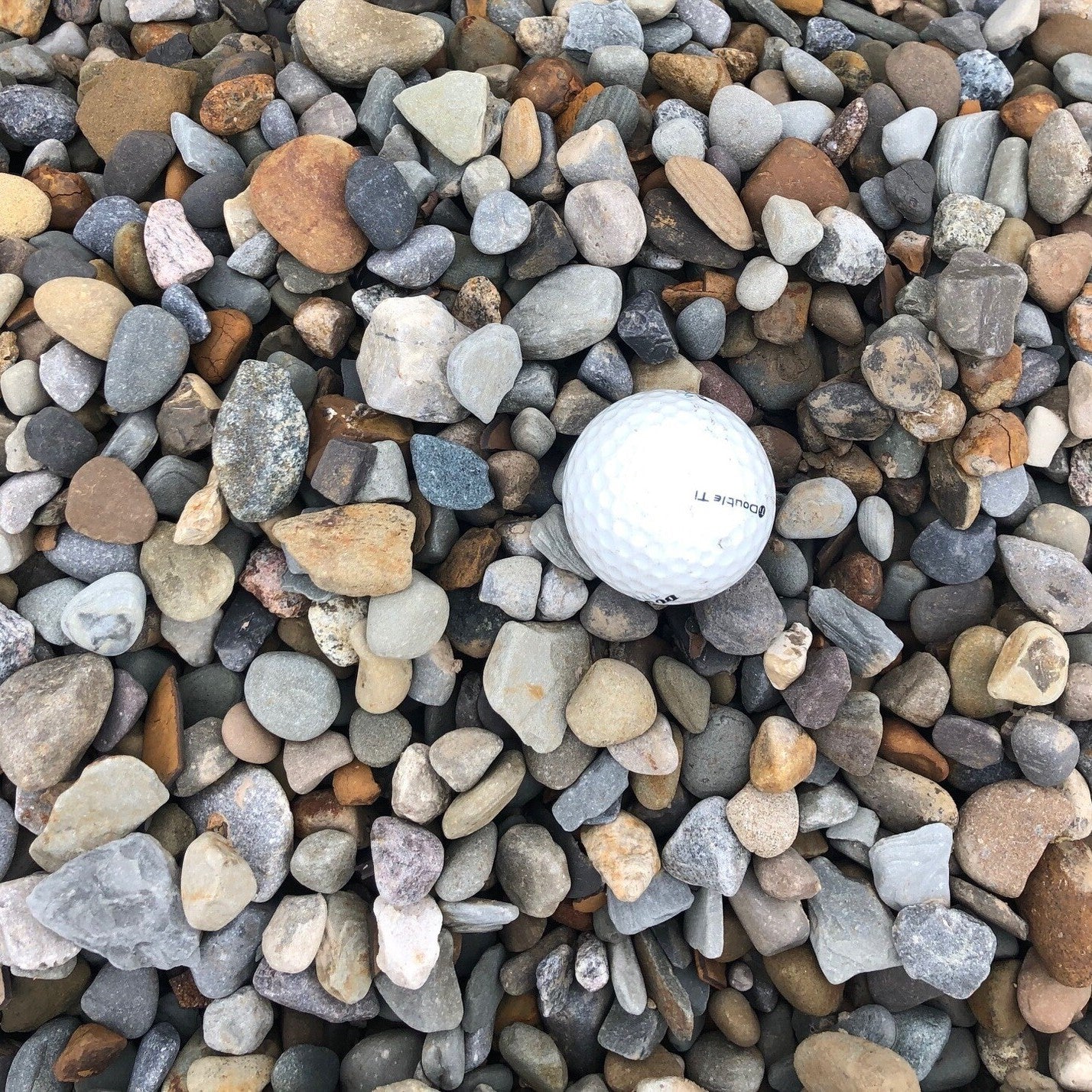
Number 57 crushed stone, angular limestone graded to about three quarters of an inch. The standard driveway, base and drainage gravel, it locks together under traffic and drains fast.
The driver nailed it on putting the gravel I ordered in front of my trailer and between the sidewalk. Very satisfied with how my flowerbeds look now.
Tell us what you're looking for
Thanks! We received your request.
Something went wrong. Please try again.
How Much Material Do I Need?
How Much Material Do I Need?
For decorative ground cover and pathways in Stillwater, two to three inches of stone depth is typically enough to suppress weeds and provide a finished look, while drainage applications like dry creek beds or swales benefit from three to four inches of depth to handle the volume of water that flows through during spring storms. Always account for a little extra when ordering stone for irregular bed shapes since it is better to have a small surplus than to come up short mid-project.
Use our free gravel calculator
What is a Yard?
What is a Yard?
FAQs
FAQs
Stillwater Gravel Delivery
Stillwater Gravel Delivery
Regular price
$133.00
per
Yard
Regular price
Sale price
$133.00
Unit price
per
Shipping calculated at checkout.
Minimum of 3 Yard
Couldn't load pickup availability
Not currently available
We can't take orders for this right now. Tell us what you need and we'll get back to you.
Hand-picked local yards
4,000+ regional deliveries
Dedicated support
Why order through Mulch Mound
The best local , without the guesswork.
We hand-pick and partner with the best yards in your region, keep only the ones our buyers rate well, and back each load with our guarantee.
Mulch Mound Guarantee
If your isn't the quantity or quality you ordered, we'll make it right.
About this stone
Number 57 crushed stone, angular limestone graded to about three quarters of an inch. The standard driveway, base and drainage gravel, it locks together under traffic and drains fast.
The driver nailed it on putting the gravel I ordered in front of my trailer and between the sidewalk. Very satisfied with how my flowerbeds look now.
How Much Material Do I Need?
How Much Material Do I Need?
For decorative ground cover and pathways in Stillwater, two to three inches of stone depth is typically enough to suppress weeds and provide a finished look, while drainage applications like dry creek beds or swales benefit from three to four inches of depth to handle the volume of water that flows through during spring storms. Always account for a little extra when ordering stone for irregular bed shapes since it is better to have a small surplus than to come up short mid-project.
Use our free gravel calculator
What is a Yard?
What is a Yard?
FAQs
FAQs
Tell us what you're looking for
Thanks! We received your request.
Something went wrong. Please try again.

How It Works
Getting started is easy — just follow these simple steps
1
Choose your stone
Make sure you adjust the quantity to your home's needs. You can use our calculator to estimate how much you'll need.
2
Select your delivery date
Select a delivery date you'd like for the product to be dropped off at your home
3
Sit back and wait
Sit back, wait, and let us work our magic to make sure the highest quality product is delivered to your driveway.

Placing an order online was so easy. Delivery was on time. When the driver realized we had a newly poured driveway they erred on the side of cautio...
Read full review
Placing an order online was so easy. Delivery was on time. When the driver realized we had a newly poured driveway they erred on the side of caution and opted not ti drive in it. The company even sent me a message explaining that call. Would recommend!

Online ordering was really simple and I liked the transparent pricing.
Need Help Calculating How Much Gravel You Need?
Use our NEW Trace from Satellite tool to get an estimate for your project based on an aerial view of your property
Try Our CalculatorMeasure the length and width of your stone coverage area in feet, then decide on your target depth, which is typically two to three inches for decorative beds and pathways and three to four inches for drainage or erosion control applications. Multiply length by width by depth in feet, then divide by 27 to calculate cubic yards. Stone is denser than mulch or soil, so a little goes further than you might expect in terms of visual coverage.
Complete Your Outdoor Stone Project
Stone projects often benefit from a companion landscape fabric order and a soil or mulch delivery for the planted areas surrounding your stone features. If you are building a dry creek bed or drainage swale, pairing your stone delivery with a topsoil order for adjacent bed regrading creates a cleaner finished grade around your drainage solution.

Service area
Areas we deliver stone and gravel in Stillwater, Oklahoma
Mulch Mound Pro Tip
Stillwater gets some punishing spring thunderstorms that can move lightweight stone out of position if your drainage grades are steep. When planning a stone pathway or decorative bed on any kind of slope, choose a stone that is at least one inch in diameter rather than going with fine pea gravel. Larger stone resists displacement during heavy rain and stays where you placed it through the kind of fast intense storms that are common in Payne County from March through June.
Mulch Mound Pro Tip
One underappreciated benefit of stone in Stillwater landscapes is its performance during the dry stretches in late summer. While mulch dries out and can blow around during hot August winds, stone stays put and keeps the soil surface underneath shaded. For xeriscaped areas or beds planted with drought-tolerant Oklahoma native plants, stone mulch reduces soil moisture loss significantly during the six to eight week dry periods that Stillwater can see between July and September, cutting irrigation needs for established plantings.
Mulch Mound Pro Tip
Before your bulk stone delivery arrives, mark your spread area clearly with landscaping paint or stakes so you can work efficiently right after the truck leaves. Clay loam soil in Stillwater can shift and settle under heavy stone over a season or two, so install landscape edging around your stone areas before filling them to keep stone from migrating into lawn or garden areas. Metal or heavy plastic edging sunk two to three inches into the clay will keep your clean stone borders looking sharp through multiple Oklahoma weather seasons without constant maintenance.
The Unique Landscape of Stillwater
Landscape stone is one of the most practical long-term investments for Stillwater properties dealing with drainage issues, erosion on sloped yards, and the ongoing maintenance demands of mulch beds that break down in Oklahoma heat. With 35 inches of annual rainfall hitting clay loam soil that drains slowly, stone can redirect water, stabilize slopes, and create dry creek beds that manage stormwater in a visually attractive way. Stone does not decompose, fade significantly, or require seasonal reapplication the way organic materials do, making it an especially smart choice for Stillwater homeowners who want lasting low-maintenance landscapes. The heat-absorbing quality of dark stone can extend the growing season slightly by radiating warmth near plant beds during the shoulder months of April and October when Stillwater temperatures fluctuate widely. River rock, pea gravel, and limestone gravel are all popular choices for Stillwater yards and each serves a different function from decorative ground cover to functional drainage fill. Understanding which stone type fits your project keeps you from ordering material that looks wrong, compacts poorly, or does not solve the drainage or erosion challenge you are actually trying to fix.