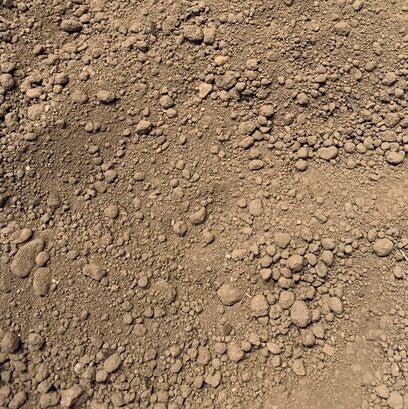
About this soil

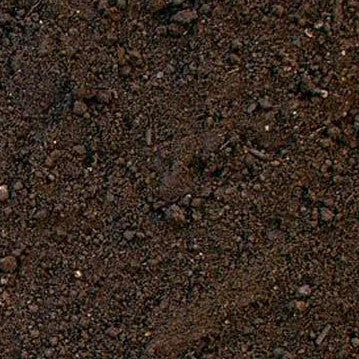
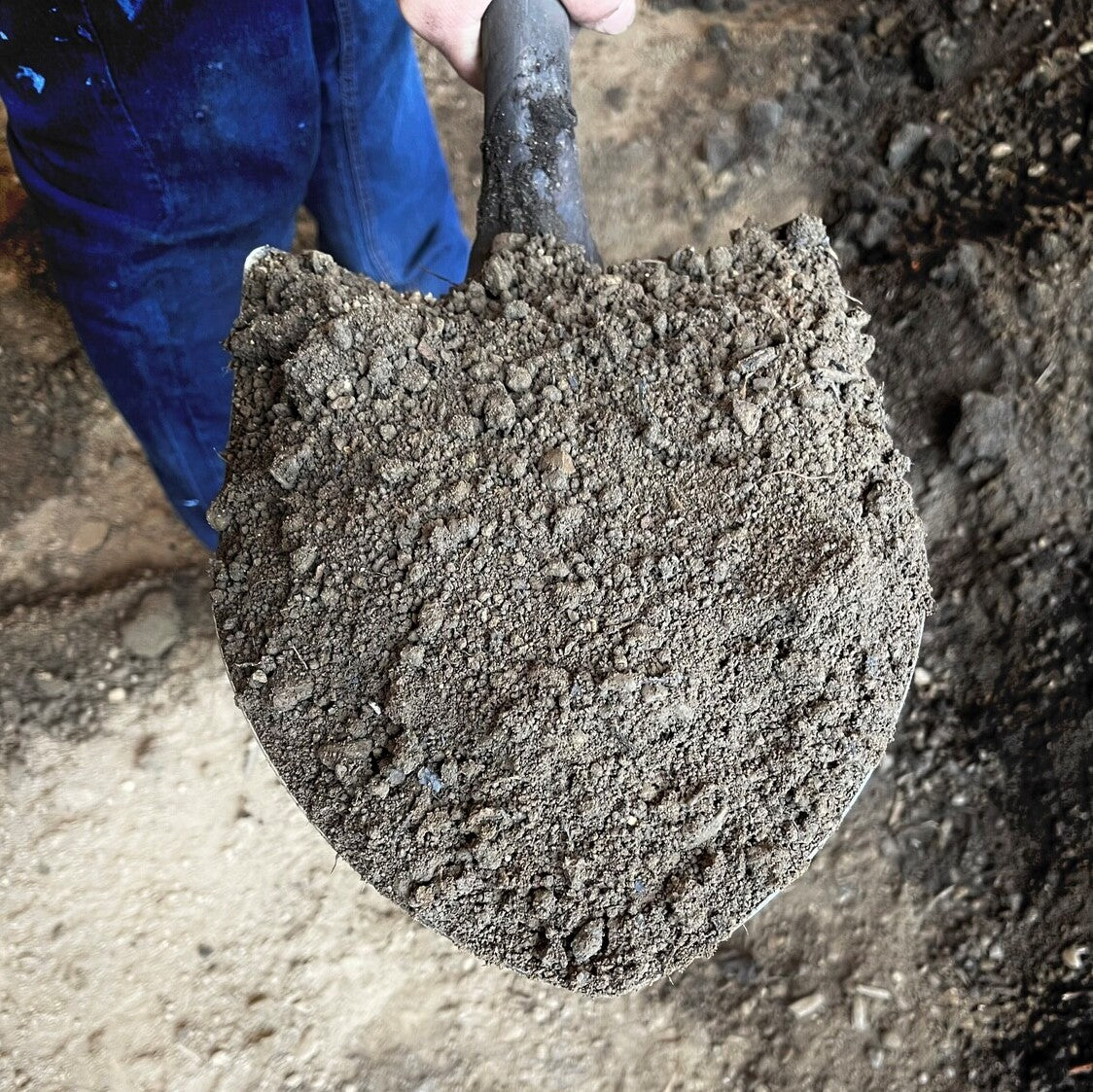
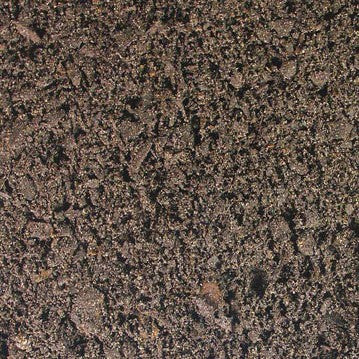
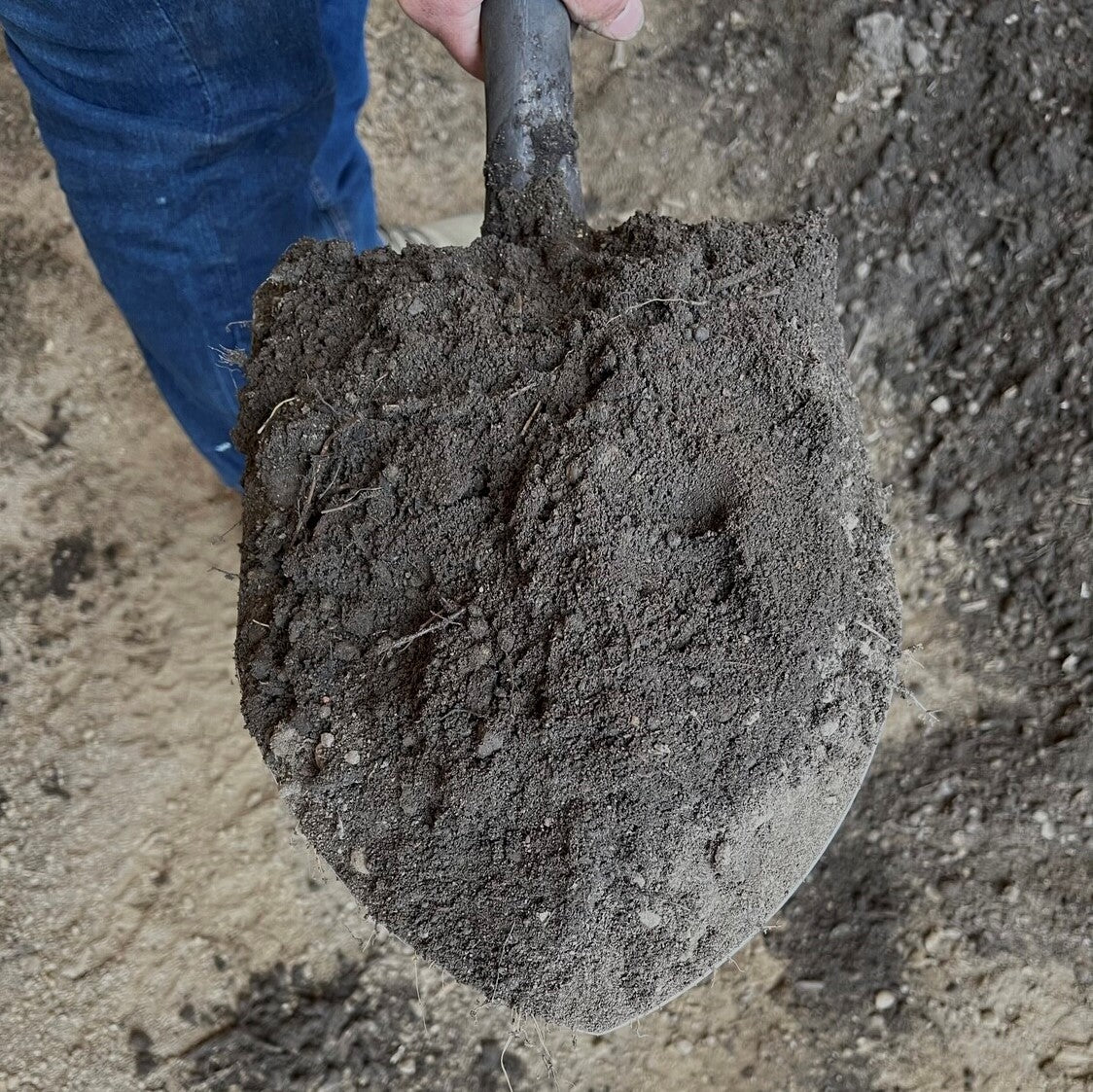
Screened topsoil with a fine, even texture. Ideal for new lawns, sod prep, and raised garden beds.

Great experience - not only was this the most affordable option for dirt delivery in Cleveland heights, but the delivery was fast and friendly. Got exactly what I needed and the truck got as close as possible to where I needed the dirt - even in my cramped driveway. Will be us...

Plan on three to four inches of soil worked into existing beds, twelve to eighteen inches for raised beds, and no more than a half inch at a time when topdressing a lawn. One cubic yard covers about 100 square feet at three inches deep.
Use our free soil calculator

A yard is approximately 27 cubic feet. As a general guideline, one yard of material can cover an area of about 100-160 square feet at a 2-3 inch depth.

Summerville Soil Delivery

Summerville Soil Delivery

4.7
137 reviews
Regular price $55.00 per Yard
Regular price Sale price $55.00
Sale Sold out
Shipping calculated at checkout.
Type
Style
Hand-picked local yards
4,000+ regional deliveries
Dedicated support
Why order through Mulch Mound

The best local , without the guesswork.

We hand-pick and partner with the best yards in your region, keep only the ones our buyers rate well, and back each load with our guarantee.

Mulch Mound Guarantee

If your isn't the quantity or quality you ordered, we'll make it right.

About this soil

Screened topsoil with a fine, even texture. Ideal for new lawns, sod prep, and raised garden beds.

Great experience - not only was this the most affordable option for dirt delivery in Cleveland heights, but the delivery was fast and friendly. Got exactly what I needed and the truck got as close as possible to where I needed the dirt - even in my cramped driveway. Will be us...

Plan on three to four inches of soil worked into existing beds, twelve to eighteen inches for raised beds, and no more than a half inch at a time when topdressing a lawn. One cubic yard covers about 100 square feet at three inches deep.
Use our free soil calculator

A yard is approximately 27 cubic feet. As a general guideline, one yard of material can cover an area of about 100-160 square feet at a 2-3 inch depth.

View full details

How It Works

Getting started is easy — just follow these simple steps

1

Choose your soil

Make sure you adjust the quantity to your home's needs. You can use our calculator to estimate how much you'll need.

2

Select your delivery date

Select a delivery date you'd like for the product to be dropped off at your home

3

Sit back and wait

Sit back, wait, and let us work our magic to make sure the highest quality product is delivered to your driveway.

What Summerville Customers Like About Our Soil

4.7
out of 5 based on 137 reviews
Google Reviews

Need Help Calculating How Much Soil You Need?

Use our NEW Trace from Satellite tool to get an estimate for your project based on an aerial view of your property

Try Our Calculator
📍

Measure length, width, and target depth in feet, multiply the three numbers, and divide by 27 to get cubic yards. For raised beds, measure the inside dimensions rather than the outer frame, since the boards themselves take up an inch or more on each side. Order five to ten percent extra because organic soil blends settle noticeably after Summerville's first few heavy rains.

Complete Your Outdoor Soil Project

Finish new beds with two to three inches of hardwood mulch to keep your fresh soil from crusting or washing during Lowcountry downpours. Compost, pine bark fines, and a bagged starter fertilizer round out a planting project nicely.

Map of the soil delivery area around Summerville, South Carolina

Service area

Areas we deliver soil in Summerville, South Carolina

Frequently Asked Questions

Click a question to see the answer

Answer

Do I really need to add soil if my yard is already sandy loam?

Usually yes. Summerville sandy loam drains well, which is a real advantage in a place that gets 50 inches of rain, but it holds very little water or nutrition. Blending in three to four inches of compost rich garden soil gives roots something to grip and slows the leaching that our rainfall causes.

Answer

What soil should I use to fill new raised beds in Summerville?

A garden soil blend of screened topsoil and compost works well, roughly sixty to seventy percent soil and thirty to forty percent organic matter. Straight compost holds too much water during our wet stretches, and straight topsoil dries out too fast in July. Fill beds slightly over the rim since the mix will settle two to three inches in the first season.

Answer

When is the best time to amend beds here?

Fall, from October into early November before the November 15 first frost, is ideal because the soil is still warm and winter rains work amendments in naturally. The second best window is late February and early March ahead of the March 18 last frost, right before spring planting.

Answer

Is my Summerville soil acidic?

Most Lowcountry sandy loam runs acidic, often in the 5.0 to 6.0 range, which is one reason azaleas and camellias thrive around town. Vegetables and turf generally prefer 6.0 to 6.8, so a soil test through Clemson Extension before you lime is worth the small fee. Adding compost buffers pH in both directions over time.

Answer

How do I fix a spot in my yard that stays soggy after rain?

On flat Summerville lots the problem is usually grade rather than soil type. Bring in screened topsoil to raise the low area a half inch at a time and slope it away from the house at roughly a quarter inch per foot. If the spot sits over compacted clay subsoil, core aerate first so the new soil actually connects to what is below.

Answer

Can I use topsoil to level my St. Augustine lawn?

Yes, and late spring is the right time in Summerville, once the grass is actively growing after the March frost date. Use a screened sandy topsoil rather than a heavy compost blend, and never bury more than half an inch of blade at once. St. Augustine will grow through a thin topdressing within two or three weeks in our heat.

Answer

How many cubic yards do I need for a four by eight raised bed?

A four by eight bed filled twelve inches deep needs about one cubic yard. At eighteen inches deep it takes roughly one and a half yards. Add a little extra for settling, which is more pronounced with high compost blends in Summerville's rainy season.

Mulch Mound Pro Tip

Blend, do not layer. Dumping four inches of rich soil on top of Summerville sandy loam creates a texture boundary where water stalls, and roots often refuse to cross it. Till or turn the new soil into the top six inches of native ground so the transition is gradual. The mixed zone drains at one consistent rate, which matters a lot on a lot that already sees 50 inches of rain a year.

Mulch Mound Pro Tip

Test before you spend. Clemson Extension soil tests are inexpensive and tell you exactly what your Summerville yard is short on, which is usually organic matter, potassium, and sometimes magnesium in our leached sandy soils. Guessing at lime is the most common local mistake, and over liming a bed meant for azaleas or blueberries can lock out iron and yellow the foliage for years.

Mulch Mound Pro Tip

Build organic matter every single year. In our warm, humid Zone 8b climate, soil microbes burn through compost far faster than they do up north, so a one time amendment fades within two or three seasons. Add a half inch to an inch of compost annually to established beds, or grow a cool season cover crop like crimson clover between the November and March frost dates and turn it in before planting.

The Unique Landscape of Summerville

Native Summerville ground is sandy loam sitting at about 43 feet above sea level, which means it drains quickly, warms early, and runs low on organic matter and nutrients. Fifty inches of annual rainfall pushes nitrogen and potassium below the root zone almost as fast as you apply it, so plants often look hungry even in beds that were amended a few years ago. Bringing in quality topsoil, garden soil, or compost blends is how Summerville gardeners build a root zone that actually holds water between our sudden downpours and dry spells. With a Zone 8b season running from around March 18 to November 15, there is a long window for roots to use that improved soil. Good soil also helps level the shallow low spots that pond on flat Lowcountry lots after a heavy storm.