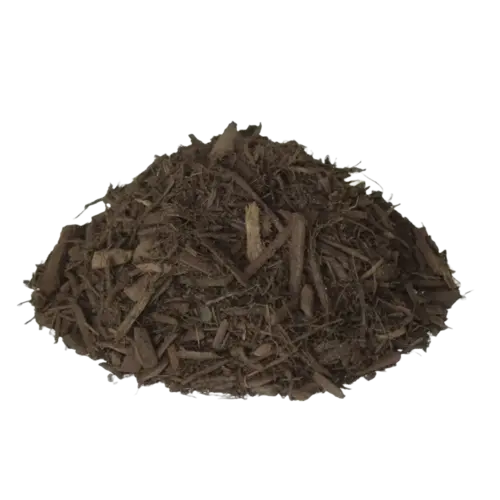
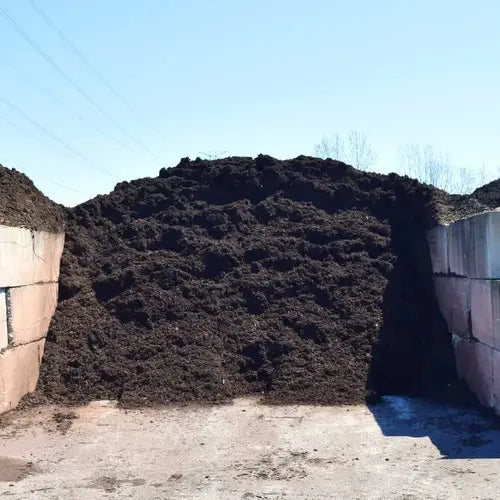
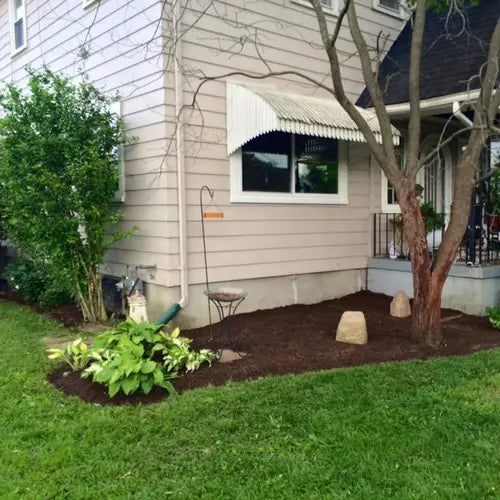
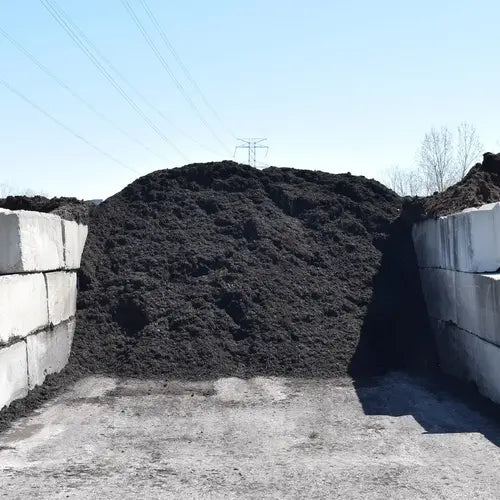
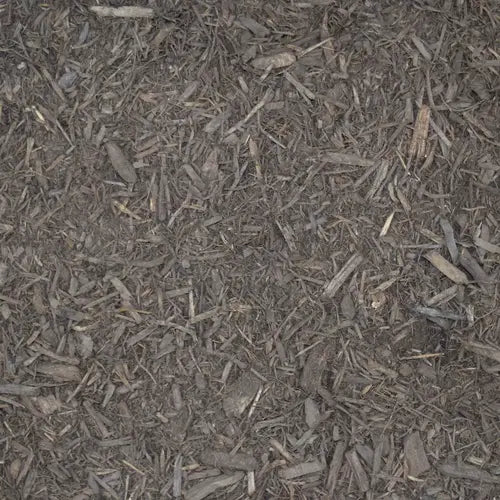
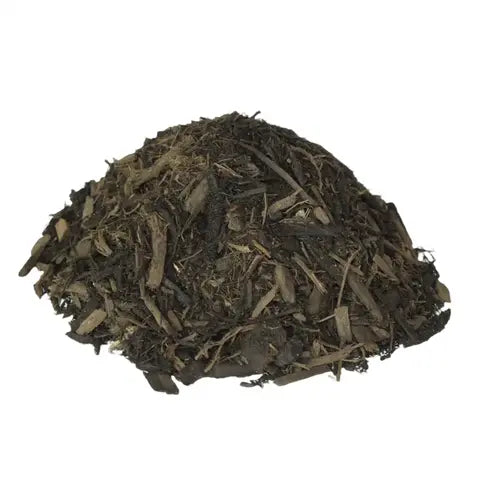
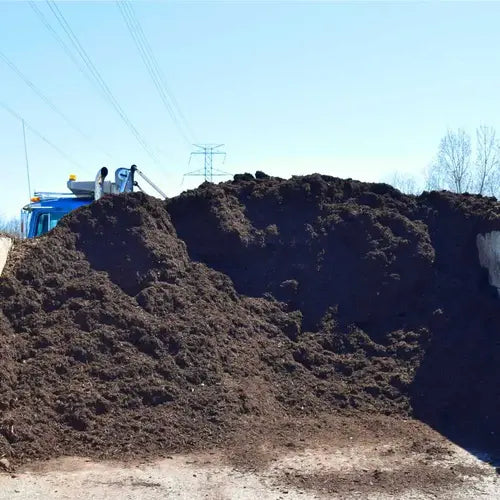
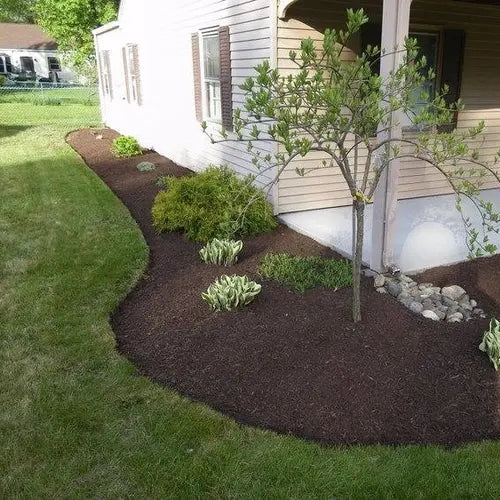
Warm brown double shredded mulch with lasting color that looks freshly applied for weeks. Spreads smooth, stays put, and gives beds a natural, polished appearance.
Good quality, great price, fast delivery. All online - no submitting forms and waiting for days for quotes. Getting mulch should be this easy from everyone. Only Mulch Mound is ACTUALLY this simple.
Tell us what you're looking for
Thanks! We received your request.
Something went wrong. Please try again.
How Much Material Do I Need?
For Sumter's sandy loam soil, a 3 to 4 inch mulch layer is the practical minimum to achieve meaningful moisture retention and weed suppression through the long Zone 8a growing season. Thinner applications dry out quickly in Sumter's summer heat and break down faster than they would in cooler climates, reducing their effectiveness before the season is over.
Use our free mulch calculator
What is a yard?
A yard is approximately 27 cubic feet. As a general guideline, one yard of material can cover an area of about 100-160 square feet at a 2-3 inch depth.
We can't take orders for this right now. Tell us what you need and we'll get back to you.
What do you need?
Thanks! We received your request.
Something went wrong. Please try again.
Hand-picked local yards
4,000+ regional deliveries
Dedicated support
Why order through Mulch Mound
The best local mulch, without the guesswork.
We hand-pick and partner with the best yards in your region, keep only the ones our buyers rate well, and back each load with our guarantee.
Mulch Mound Guarantee
If your mulch isn't the quantity or quality you ordered, we'll make it right.
About this mulch
Warm brown double shredded mulch with lasting color that looks freshly applied for weeks. Spreads smooth, stays put, and gives beds a natural, polished appearance.
Good quality, great price, fast delivery. All online - no submitting forms and waiting for days for quotes. Getting mulch should be this easy from everyone. Only Mulch Mound is ACTUALLY this simple.
How Much Material Do I Need?
For Sumter's sandy loam soil, a 3 to 4 inch mulch layer is the practical minimum to achieve meaningful moisture retention and weed suppression through the long Zone 8a growing season. Thinner applications dry out quickly in Sumter's summer heat and break down faster than they would in cooler climates, reducing their effectiveness before the season is over.
Use our free mulch calculator
What is a yard?
A yard is approximately 27 cubic feet. As a general guideline, one yard of material can cover an area of about 100-160 square feet at a 2-3 inch depth.
Good quality, great price, fast delivery. All online - no submitting forms and waiting for days for quotes. Getting mulch should be this easy fr...
Read full review
Good quality, great price, fast delivery. All online - no submitting forms and waiting for days for quotes. Getting mulch should be this easy from everyone. Only Mulch Mound is ACTUALLY this simple.
I highly recommend Mulch Mound. The quality of the mulch is very good. The ordering system on their website makes it very easy. The delivery driver...
Read full review
I highly recommend Mulch Mound. The quality of the mulch is very good. The ordering system on their website makes it very easy. The delivery driver did a great job placing the mulch on the driveway. To finish off, the pricing was very reasonable as well.
They offered a quick turnaround and delivered high quality mulch at a reasonable price. They also dropped it off exactly where I told them to put i...
Read full review
They offered a quick turnaround and delivered high quality mulch at a reasonable price. They also dropped it off exactly where I told them to put it. Good service!
To estimate how much mulch you need, measure the length and width of each bed in feet, multiply those numbers together, and then multiply by 0.25 for a 3-inch layer or 0.33 for a 4-inch layer before dividing by 27 to convert to cubic yards. In Sumter, where sandy loam soil drains so quickly, we recommend erring on the side of the 4-inch depth for beds that receive full sun or that have shown a tendency to dry out between rain events. Adding up all your individual bed measurements before ordering ensures you get enough material in a single delivery.
Mulch vs. No Mulch: The Difference
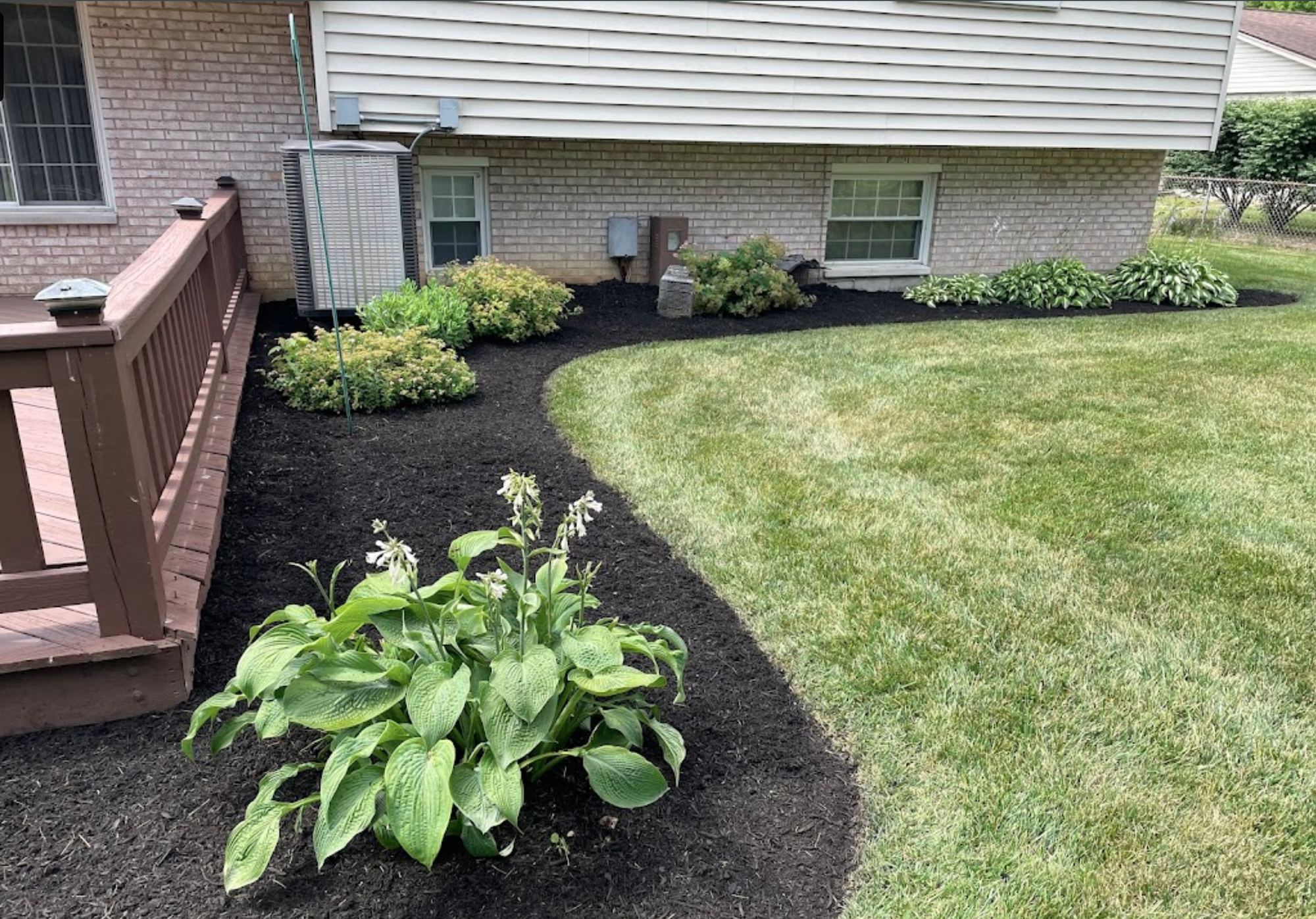
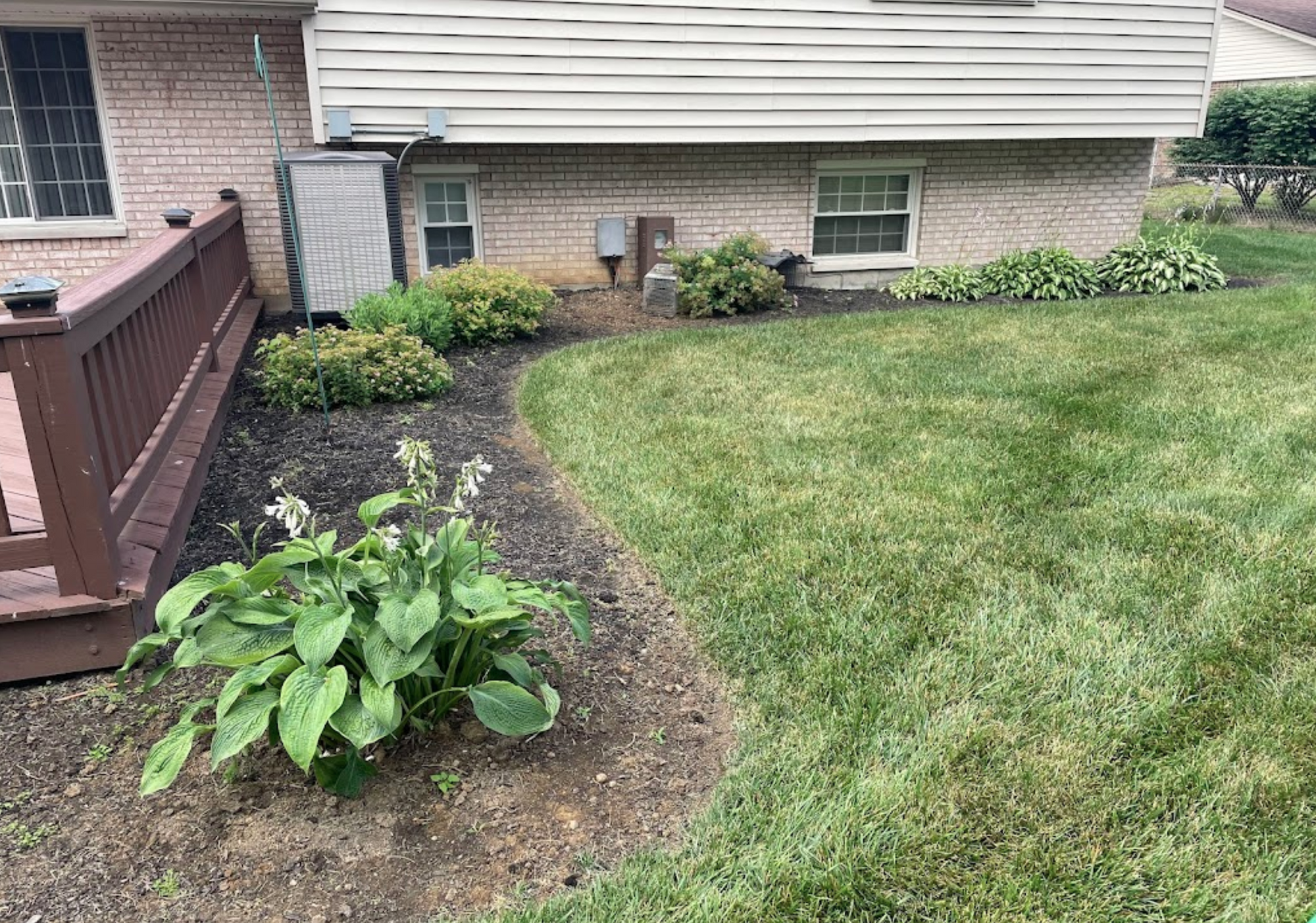
Sumter's combination of intense summer heat, Zone 8a humidity, and 47 inches of annual rainfall creates conditions that accelerate the breakdown of all organic mulch, but the rate and visible appearance differ meaningfully between natural and dyed products. Natural hardwood mulch begins to gray and silver within a season, blending into the landscape while steadily contributing organic matter to sandy loam soil as it decomposes. Dyed mulch products are treated with colorfast pigments that maintain a consistent, vibrant appearance through Sumter's long growing season, making them a popular choice for front yard beds where curb appeal is the primary goal.
Before
After
Best Mulch Choice for Sumter Lawns
Most yards in the Sumter area sit on Sandy Loam type of soil. Sumter's sandy loam soil has a naturally low organic matter content, which means plant beds can struggle to retain the moisture and nutrients that healthy root systems need during the long Zone 8a growing season that stretches from mid-March through early November.
Hardwood Mulch
Hardwood mulch is particularly well suited to improving Sumter's sandy loam because its moderate decomposition rate allows it to build organic matter in the top few inches of soil over successive seasons, gradually improving water retention and creating a more fertile growing environment for Zone 8a plants.
Mulch Types We Deliver in Sumter
Ordering bulk mulch delivery in Sumter means getting exactly the right amount for your beds, borders, or full-yard refresh, measured by the cubic yard so nothing goes to waste. The warm, humid climate and sandy soils here mean mulch does real work, holding moisture, cooling roots, and suppressing weeds through the long growing season. We make it simple to choose the right variety and have it dropped off right at your property.
Dyed Brown Mulch
Warm brown double shredded mulch suits homeowners who want beds that look freshly tended without constant upkeep. The colorfast dye holds through South Carolina's rainy summers, giving borders and tree rings a natural, polished look that stays put for weeks and pairs well with the traditional home styles common in this region.
Dyed Black Mulch
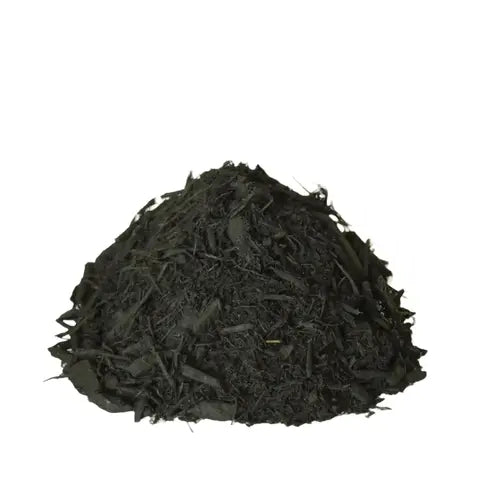
Bold black double shredded mulch creates a striking contrast against green plantings and sandy soils, making beds pop even under the intense South Carolina sun. The rich color resists fading through heat and heavy rain, and the smooth, fine texture spreads quickly and evenly over large planting areas.
Natural Brown Mulch
Undyed double shredded natural brown mulch suits gardeners who prefer a simple, organic look that blends quietly with the surrounding landscape. Made from wood with no added colorants, it breaks down over time to improve the sandy, well-drained soils common in this part of South Carolina.
Complete Your Outdoor Mulch Project
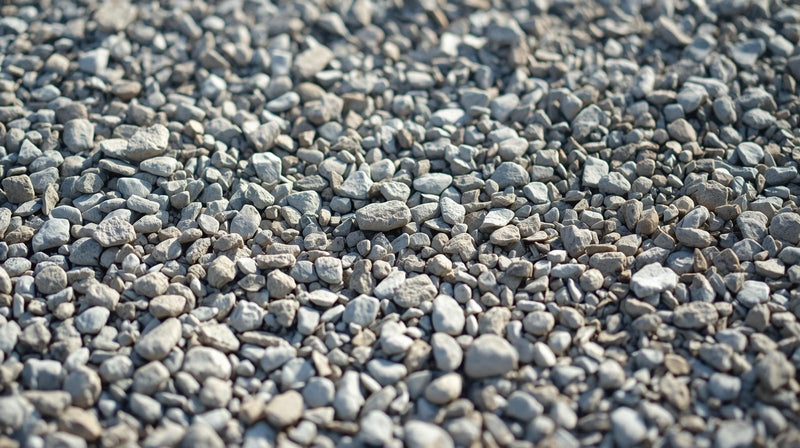
If you are rebuilding a bed from scratch alongside your mulch order, pairing it with a quality garden soil helps correct the nutrient limitations of Sumter's sandy loam before you apply the top dressing. Adding a stone border or pathway material to your order is also a great way to define bed edges and create low-maintenance zones that stay tidy through Sumter's rainy season.
Sumter's sandy loam loses moisture faster than most homeowners realize, especially during the July and August heat that settles into the Midlands. Applying mulch at a full 4-inch depth, rather than the commonly cited 2 to 3 inches, makes a measurable difference in how long your soil stays moist between waterings or rain events. Pull the mulch back slightly from stem bases to allow air circulation and prevent the crown rot that humid Zone 8a summers can encourage in densely planted beds.
Mulch Mound Pro Tip
Before laying fresh mulch, invest 20 minutes in pulling existing weeds and laying a single layer of overlapping cardboard or newspaper over the soil surface. This biodegradable base layer acts as an additional weed barrier that breaks down slowly and adds organic matter to Sumter's nutrient-thin sandy loam over time. Combined with a proper mulch layer on top, this technique dramatically reduces weeding time throughout the growing season that runs from March through October in this part of South Carolina.
Mulch Mound Pro Tip
With 47 inches of annual rainfall, Sumter sees enough precipitation to make mulch displacement on slopes a real and recurring concern for homeowners. Shredded hardwood mulch performs better on grades than nugget styles because the irregular pieces knit together as they settle and resist the sheet flow that follows a heavy thunderstorm. For low-lying areas where water tends to pool after Sumter's heavy spring rains, consider pairing mulch with amended soil underneath to improve drainage at the root zone before the surface material is applied.
Frequently Asked Questions
Click a question to see the answer
Answer
How often should I refresh my mulch given Sumter's heat and humidity?
In Sumter's Zone 8a climate, organic mulch breaks down faster than it would in cooler regions because warm, humid conditions accelerate decomposition. Most homeowners find they need to top off mulch once a year, typically in early spring before the last frost date of March 15 passes and the growing season kicks into high gear. If you used a finer shredded product, you may notice it breaking down more quickly and need a light refresh by mid-fall as well.
Answer
My sandy loam soil dries out so fast. How thick should I apply mulch?
Sandy loam's rapid drainage is a well-known challenge for Sumter gardeners, and a mulch depth of 3 to 4 inches gives you the best protection against moisture loss. At that depth you create a meaningful barrier that slows evaporation during the dry stretches that can follow Sumter's sporadic summer thunderstorms. Keep mulch pulled back an inch or two from plant stems and tree trunks to prevent rot in the humid months.
Answer
Will colored mulch hold its appearance through a South Carolina summer?
Sumter receives intense summer sun and UV exposure that will cause any mulch to fade over time, but premium dyed mulches are formulated with colorfast pigments that hold their color significantly longer than budget alternatives. You can typically expect a quality dyed mulch to retain its appearance for one full growing season in Sumter's climate. Natural hardwood mulch will silver and gray over time, which many homeowners in the area find equally appealing as a neutral backdrop for plantings.
Answer
When is the best time of year to put down fresh mulch in Sumter?
The ideal window for mulching in Sumter is the late winter period just before the last frost on March 15. Laying down fresh mulch at that time insulates the soil, locks in early-spring moisture, and gives your beds a clean look right as the growing season begins. A second application or top-off in late October, ahead of the first frost around November 8, helps protect root systems through the brief but real cold snaps Sumter experiences each winter.
Answer
Will heavy spring rains wash my mulch down the slope in my yard?
Sumter receives about 47 inches of rain per year and some of those events are intense enough to move lighter mulch on sloped areas. A shredded hardwood mulch interlocks as it settles and resists displacement much better than a nugget or chip product on grades. For beds on noticeable slopes, a 3 to 4 inch layer of shredded mulch combined with a clean bed edge will keep your material in place through most of the rain events Sumter typically sees throughout the year.
Answer
Can putting down mulch actually improve my sandy soil over multiple seasons?
Yes, and this is one of the biggest long-term benefits of mulching for Sumter homeowners. Sandy loam breaks down organic matter quickly, so it is chronically low in the humus that helps soil retain water and nutrients. As organic mulch decomposes into the top layer of your soil over successive seasons, it gradually adds organic matter, improves microbial activity, and creates a loamier texture that holds moisture longer between Sumter's rain events.
Answer
How much mulch do I need for a typical front yard bed in Sumter?
The standard calculation is length times width times your desired depth in feet, then divide by 27 to get cubic yards. For most Sumter beds where sandy loam is the underlying soil, a 3-inch depth is the starting point, which works out to roughly 1 cubic yard for every 100 square feet of bed space. If your beds are on the larger side or have areas that drain exceptionally fast, consider bumping up to 4 inches for better moisture protection through Sumter's summer heat.
The Unique Landscape of Sumter
Sumter's sandy loam soil is one of the fastest-draining soil types in the Midlands, and that drainage becomes a real problem for plant beds during the dry stretches that arrive between summer storms. Mulch is the most practical tool Sumter homeowners have for slowing that moisture loss and keeping roots from drying out before the next rain arrives. With roughly 47 inches of rainfall each year distributed unevenly across the seasons, a good mulch layer also shields the soil surface from the erosive force of heavy downpours, preventing the runoff that strips nutrients from sandy loam. Because Zone 8a growing seasons in Sumter stretch from mid-March through early November, mulch also moderates soil temperature, keeping roots cooler during July heat and protecting tender perennials when the first frost arrives around November 8. Over multiple seasons, decomposing organic mulch adds the organic matter that sandy loam naturally lacks, gradually improving its ability to hold nutrients and moisture.