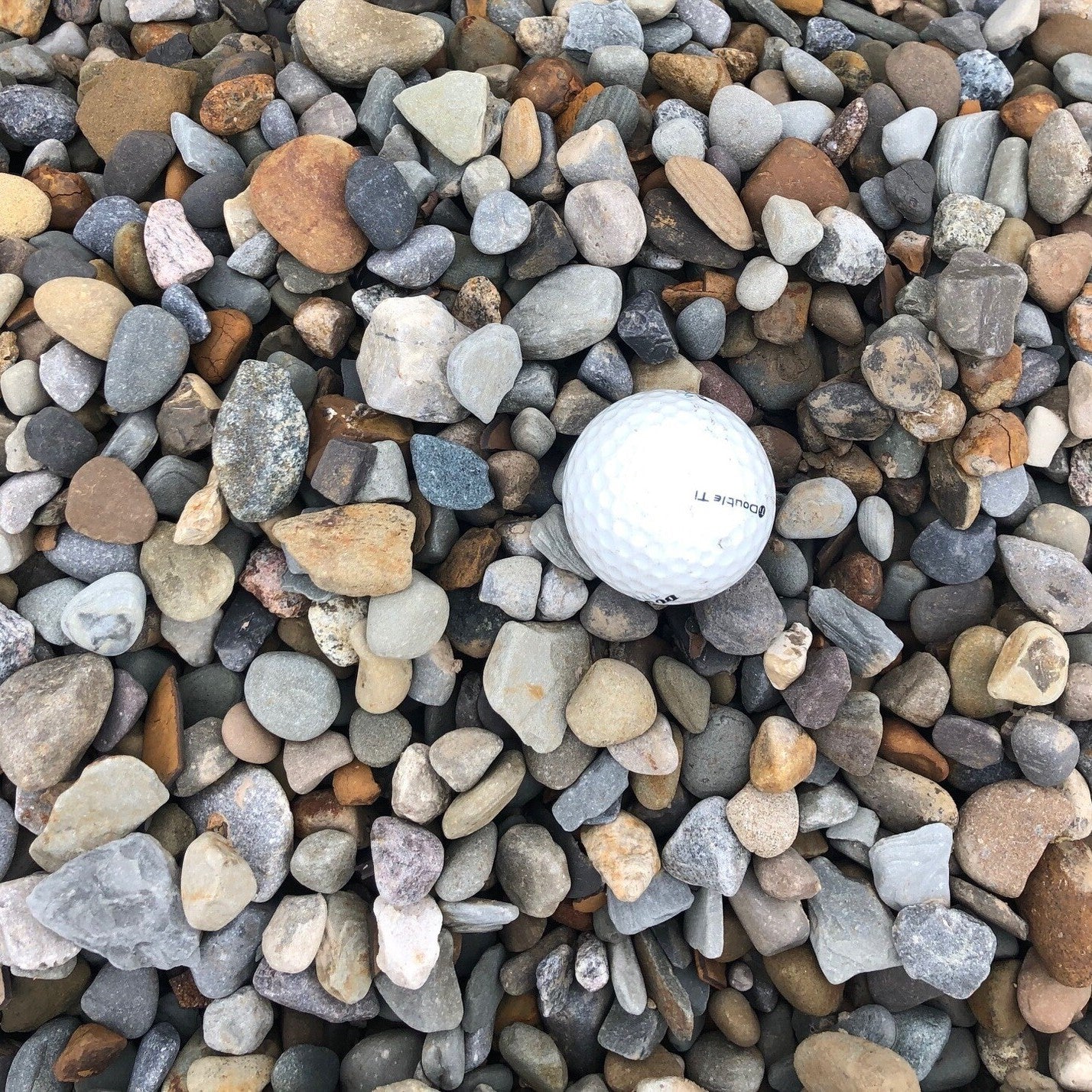
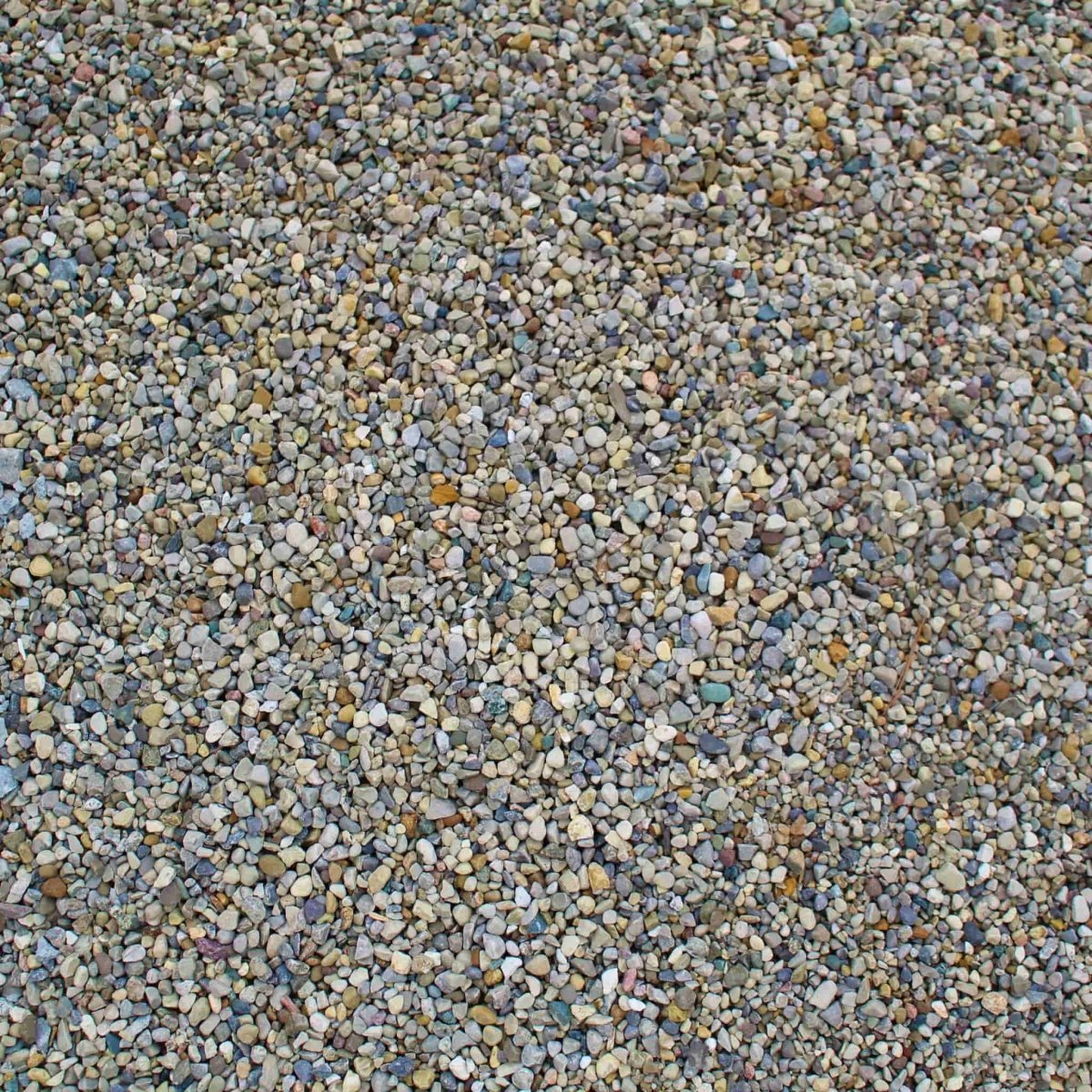
Number 57 crushed stone, angular limestone graded to about three quarters of an inch. The standard driveway, base and drainage gravel, it locks together under traffic and drains fast.
My experience with Mulch Mound was great and super easy. I ordered two yards of screened topsoil and was able to get it delivered within 2 days. They came in my requested time frame (afternoon) and dropped it off where I asked on my driveway. The topsoil was exactly what was a...
Tell us what you're looking for
Thanks! We received your request.
Something went wrong. Please try again.
How Much Material Do I Need?
For decorative borders and pathways in Sumter, plan on 3 to 4 inches of stone depth to create a layer that sits clearly above the sandy loam and resists sinking over time through repeated wet and dry cycles. Drainage applications and erosion control areas generally call for a minimum of 4 to 6 inches to handle the rainfall volumes that Sumter sees during active storm seasons from spring through early fall.
Use our free gravel calculator
What is a yard?
A yard is approximately 27 cubic feet. As a general guideline, one yard of material can cover an area of about 100-160 square feet at a 2-3 inch depth.
We can't take orders for this right now. Tell us what you need and we'll get back to you.
What do you need?
Thanks! We received your request.
Something went wrong. Please try again.
Hand-picked local yards
4,000+ regional deliveries
Dedicated support
Why order through Mulch Mound
The best local stone, without the guesswork.
We hand-pick and partner with the best yards in your region, keep only the ones our buyers rate well, and back each load with our guarantee.
Mulch Mound Guarantee
If your stone isn't the quantity or quality you ordered, we'll make it right.
About this stone
Number 57 crushed stone, angular limestone graded to about three quarters of an inch. The standard driveway, base and drainage gravel, it locks together under traffic and drains fast.
My experience with Mulch Mound was great and super easy. I ordered two yards of screened topsoil and was able to get it delivered within 2 days. They came in my requested time frame (afternoon) and dropped it off where I asked on my driveway. The topsoil was exactly what was a...
How Much Material Do I Need?
For decorative borders and pathways in Sumter, plan on 3 to 4 inches of stone depth to create a layer that sits clearly above the sandy loam and resists sinking over time through repeated wet and dry cycles. Drainage applications and erosion control areas generally call for a minimum of 4 to 6 inches to handle the rainfall volumes that Sumter sees during active storm seasons from spring through early fall.
Use our free gravel calculator
What is a yard?
A yard is approximately 27 cubic feet. As a general guideline, one yard of material can cover an area of about 100-160 square feet at a 2-3 inch depth.
My experience with Mulch Mound was great and super easy. I ordered two yards of screened topsoil and was able to get it delivered within 2 days. Th...
Read full review
My experience with Mulch Mound was great and super easy. I ordered two yards of screened topsoil and was able to get it delivered within 2 days. They came in my requested time frame (afternoon) and dropped it off where I asked on my driveway. The topsoil was exactly what was advertised, clean with no rocks or other debris. The price was reasonable. I plan to use them again in a couple weeks to order compost for my garden beds.
To figure out how much stone you need, measure the length and width of your area in feet, multiply them together to get square footage, then multiply by your desired depth in feet and divide by 27 to get cubic yards. For most Sumter pathway and border projects, a 3-inch depth is the practical minimum to create a visible, functional layer that stays in place over sandy loam. For drainage applications and erosion control areas, a 4 to 6 inch depth ensures the stone layer is thick enough to handle the volume of water that Sumter's heavier rain events can deliver.
Stone Types We Deliver in Sumter
Mulch Mound brings bulk stone straight to your property in Sumter, measured and priced by the cubic yard so you only pay for what your project needs. Whether you are searching for bulk gravel by the yard in Sumter or planning a larger hardscape overhaul, we make the ordering process simple and the delivery fast. Sumter's warm, humid summers and clay-heavy soils make the right stone choice critical for drainage and long-term performance.
Pea Gravel
Smooth, rounded, and available in warm earth tones, pea gravel is one of the most versatile stones homeowners in Sumter reach for first. It sheds water efficiently, which matters in a region where heavy summer rains can saturate clay soil quickly. Use it along garden borders, beneath backyard patios, or as a low-maintenance pathway surface around traditional Lowcountry-style homes.
Complete Your Outdoor Stone Project
Pairing your stone order with a layer of landscape fabric underneath extends the life of your installation by preventing Sumter's sandy loam from migrating upward into the gravel over time. Adding mulch to adjacent planting beds and quality soil to any new garden areas nearby completes the landscape for a finished, cohesive look that handles Sumter's climate from the spring growing season through the brief winter months.
One of the most underused applications for bulk stone in Sumter is the dry creek bed, which solves drainage problems beautifully while adding a natural design element to the yard. If your property has a low area or a natural flow path where water moves during heavy rains, shaping that channel and lining it with river rock creates a functional feature that handles runoff without the maintenance burden of a buried pipe system. The stone absorbs the energy of flowing water, protects the sandy loam below from erosion, and looks attractive even during the long dry stretches between Sumter rain events.
Mulch Mound Pro Tip
When installing gravel pathways in Sumter, compact the native sandy loam base thoroughly before placing any stone. Sandy loam is soft enough that foot traffic over a few seasons will push an uncompacted base down unevenly, causing the gravel above to shift and create ruts or low spots that collect water. A quick pass with a hand tamper or plate compactor before laying landscape fabric and gravel gives you a stable, flat surface that holds its shape through Sumter's repeated wet and dry cycles throughout the year.
Mulch Mound Pro Tip
For foundation borders in Sumter, consider choosing a lighter-colored stone such as white marble chips or light gray granite to reflect heat away from your foundation plantings rather than absorbing and radiating it back at root level. Dark stone placed directly against a sun-exposed foundation in Zone 8a can raise the soil temperature in that zone noticeably during July and August, adding heat stress to shrubs already dealing with Sumter's summer conditions. A lighter stone also creates a clean, bright contrast against the surrounding lawn that makes the whole front of the property look more polished and intentional.
The Unique Landscape of Sumter
Decorative and functional stone is one of the most durable and low-maintenance landscape materials available to Sumter homeowners, and it solves several problems that are specific to this part of South Carolina. Sumter's sandy loam soil is prone to erosion along driveways, bed borders, and slopes when the area's 47 inches of annual rainfall arrives in concentrated storm events, and stone is one of the most effective materials for holding those surfaces in place. In the flatter sections of a Sumter yard, gravel and crushed stone create fast-draining surfaces for walkways and utility areas that do not become muddy or waterlogged after heavy spring rains the way bare soil or thin turf areas sometimes do. Stone also thrives in Sumter's climate precisely because it requires no seasonal care, no replacement after frost cycles, and no irrigation to maintain its appearance, making it ideal for areas of the landscape that are difficult to access for regular maintenance. For Zone 8a landscapes where the growing season is long and homeowner time is at a premium, stone provides a permanent and attractive solution that only improves with age.
Frequently Asked Questions
Click a question to see the answer
Answer
What type of stone works best for a backyard pathway in Sumter?
For a residential pathway in Sumter, pea gravel and crusher run are both popular choices for different reasons. Pea gravel is comfortable underfoot, drains exceptionally well through the sandy loam below, and creates a pleasant, natural look for garden paths. Crusher run compacts into a firm, stable surface that works better for high-traffic paths or areas where you want less movement of material underfoot. Given Sumter's 47 inches of annual rainfall, both choices handle wet conditions far better than bare soil or thin turf paths that can turn muddy after a heavy storm.
Answer
Will stone help with the erosion I keep seeing along my driveway edge?
Yes, and this is one of the most common applications for bulk stone in Sumter. The combination of sandy loam soil and concentrated rainfall events means driveway edges are vulnerable to erosion, especially where water drains off a paved surface and hits bare soil at high velocity. A 4 to 6 inch layer of river rock or larger crushed stone along the driveway edge absorbs that energy, prevents soil from washing away, and creates a clean, defined border that holds up season after season without needing replacement.
Answer
How do I keep decorative stone from sinking into my sandy soil over time?
Sinking is a legitimate concern with Sumter's sandy loam base because fine soil particles can migrate upward into a gravel layer over time, especially after the repeated wetting and drying cycles that Sumter's climate delivers throughout the year. The solution is to install a layer of landscape fabric before placing your decorative stone. For pathways and larger areas, a 2 to 3 inch compacted layer of crusher run underneath the top stone layer also creates a stable foundation that resists the settling that sandy soil can cause over multiple seasons.
Answer
Is stone a good option for the areas in my yard that stay wet after every rain?
Stone is often one of the best solutions for chronically wet areas in Sumter yards, particularly where the flat terrain and sandy loam do not drain quickly enough to prevent standing water. A dry creek bed constructed with river rock can redirect surface water away from problem areas effectively while adding a natural design element to the landscape. For spots that are simply soggy but not actively flooded, replacing turf or bare soil with a deep gravel layer allows rainfall to infiltrate quickly through the stone and into the sandy loam below rather than pooling on the surface after each storm.
Answer
How much stone do I need for a gravel border around my house foundation?
A standard foundation border in Sumter is typically 12 to 18 inches wide and 3 to 4 inches deep, which works out to roughly 0.5 to 0.75 cubic yards of stone for every 50 linear feet of foundation. This depth is enough to create a visible, functional border that keeps rain splashback off your siding, discourages weed growth along the foundation, and provides a clean transition between your lawn and the building. Measure your total linear footage and multiply it by your desired width and depth before placing your order.
Answer
Can I use stone instead of mulch around my trees and shrubs?
Stone can be used around trees and shrubs in Sumter, but it comes with trade-offs worth understanding. Unlike mulch, stone does not decompose and add organic matter to the sandy loam soil, and it can raise soil temperatures around the root zone significantly during Sumter's summer heat. For ornamental areas where low maintenance is the primary goal and the plants are established and drought-tolerant, stone is a practical and attractive choice. For newly planted trees and shrubs still building root systems, mulch provides better moisture and temperature regulation for Zone 8a conditions.
Answer
What is the best way to use stone to control erosion on a slope in my Sumter yard?
For slopes in Sumter, larger stone such as river rock or riprap is the most effective erosion control because the weight and size of the pieces resist displacement during heavy rain events. Laying landscape fabric first and then placing stone at a depth of 4 to 6 inches creates a durable surface that channels water without allowing the sandy loam underneath to wash away. For steeper grades, combining stone with established ground cover plants creates a two-layer system where roots hold the soil from below and stone protects the surface from above, which is particularly effective given the intensity of Sumter's summer thunderstorm rainfall.
Answer
Is crush and run the same as crusher run?
Crush and run and crusher run are the same material, a mix of crushed stone and stone dust that compacts into a firm base for driveways and walkways. For Sumter properties dealing with sandy loam soil and heavy seasonal rain, our Crushed Stone #57 drains freely instead of holding water against a compacted base.
Answer
Is there a stone yard near Sumter?
Asking a stone yard for a few yards of crushed stone is the usual way to get it, but Mulch Mound skips the trip and delivers that same crushed stone to your spot in Sumter. It works well in the sandy loam here, locking down soil along driveways and slopes when heavy storms wash through. You never need to visit a quarry.