


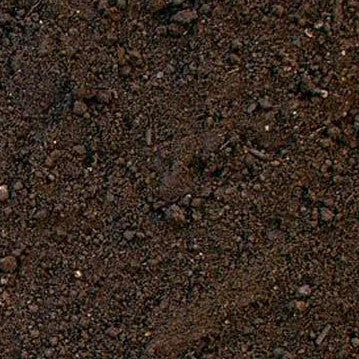


Good quality top soil and was delivered exactly where I wanted it. Nice Job!
About this soil
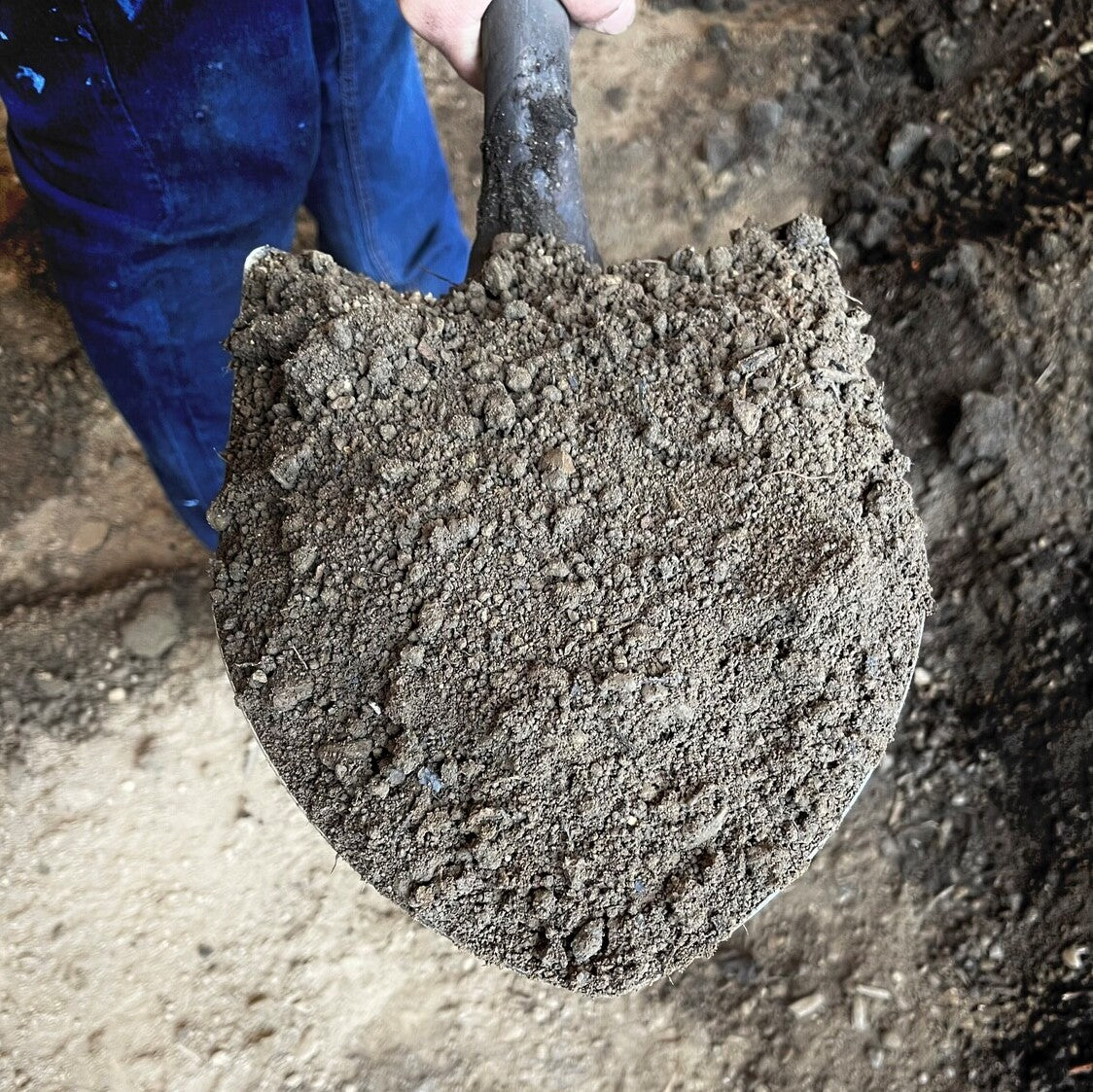
Quality topsoil for lawns, gardens, and landscape projects. Nutrient rich and ready to support strong root development and healthy plant establishment.
Good quality top soil and was delivered exactly where I wanted it. Nice Job!
Tell us what you're looking for
Thanks! We received your request.
Something went wrong. Please try again.
How Much Material Do I Need?
How Much Material Do I Need?
For garden beds in Sumter, plan on a minimum of 8 to 12 inches of quality soil to give roots enough depth in an area where the native sandy loam below can limit moisture and nutrient availability throughout the growing season. For lawn leveling and top-dressing projects, a 1 to 2 inch application spread evenly over the affected area is typically enough to correct minor grade issues and improve turf performance.
Use our free soil calculator
What is a yard?
What is a yard?
FAQs
FAQs
Sumter Soil Delivery
Sumter Soil Delivery
Regular price
$64.00
per
yard
Regular price
Sale price
$64.00
Unit price
per
Shipping calculated at checkout.
Minimum of 3 yard
Couldn't load pickup availability
Not currently available
We can't take orders for this right now. Tell us what you need and we'll get back to you.
Hand-picked local yards
4,000+ regional deliveries
Dedicated support
Why order through Mulch Mound
The best local soil, without the guesswork.
We hand-pick and partner with the best yards in your region, keep only the ones our buyers rate well, and back each load with our guarantee.
Mulch Mound Guarantee
If your soil isn't the quantity or quality you ordered, we'll make it right.
About this soil
Quality topsoil for lawns, gardens, and landscape projects. Nutrient rich and ready to support strong root development and healthy plant establishment.
Good quality top soil and was delivered exactly where I wanted it. Nice Job!
How Much Material Do I Need?
How Much Material Do I Need?
For garden beds in Sumter, plan on a minimum of 8 to 12 inches of quality soil to give roots enough depth in an area where the native sandy loam below can limit moisture and nutrient availability throughout the growing season. For lawn leveling and top-dressing projects, a 1 to 2 inch application spread evenly over the affected area is typically enough to correct minor grade issues and improve turf performance.
Use our free soil calculator
What is a yard?
What is a yard?
FAQs
FAQs
Tell us what you're looking for
Thanks! We received your request.
Something went wrong. Please try again.
How It Works
Getting started is easy — just follow these simple steps
1
Choose your soil
Make sure you adjust the quantity to your home's needs. You can use our calculator to estimate how much you'll need.
2
Select your delivery date
Select a delivery date you'd like for the product to be dropped off at your home
3
Sit back and wait
Sit back, wait, and let us work our magic to make sure the highest quality product is delivered to your driveway.

Online ordering was really simple and I liked the transparent pricing.

Easy to order, great service, and great product. We enjoy the final look of a very neglected beds we inherited!
Need Help Calculating How Much Soil You Need?
Use our NEW Trace from Satellite tool to get an estimate for your project based on an aerial view of your property
Try Our CalculatorTo calculate how much soil you need, multiply the length, width, and desired depth of your area in feet, then divide by 27 to get cubic yards. For Sumter homeowners filling raised beds or correcting lawn low spots, it helps to add 10 to 15 percent to your estimate because soil settles over time, particularly when watered in over the first few weeks after delivery. Ordering a little more than you think you need is almost always the right call for projects in sandy loam areas where proper depth is critical to long-term plant performance.
Soil Types We Deliver in Sumter
Sumter homeowners and landscapers rely on quality bulk soil to support healthy lawns, productive gardens, and thriving landscape beds in the region's warm, humid climate. Whether you are filling raised beds, grading a yard, or starting a new planting area, ordering bulk topsoil by the yard in Sumter is the most practical and cost-effective approach. We deliver directly to your property by the cubic yard so you get exactly what your project needs.
Screened Top Soil
Our screened top soil is finely processed to remove rocks, clumps, and debris, giving you a clean and workable base that spreads evenly across lawns and garden beds. It is nutrient rich and well suited to the sandy, low-organic soils common throughout central South Carolina, helping new plantings establish strong, healthy root systems in Sumter's long growing season.
Complete Your Outdoor Soil Project
After your soil is in place, finishing your beds with a 3 to 4 inch layer of mulch is the single most effective way to protect your investment from Sumter's fast-draining conditions and keep moisture where roots need it through the long growing season. Adding stone edging or pathway gravel around your new beds also gives the finished project clean definition and keeps soil and mulch contained through heavy rain events.


Service area
Areas we deliver soil in Sumter, South Carolina
Mulch Mound Pro Tip
When filling raised beds for Sumter's vegetable garden season, resist the temptation to use 100 percent topsoil. Blending your bulk topsoil with compost at a ratio of roughly 70 percent soil to 30 percent compost creates a growing medium that holds significantly more moisture and nutrients than topsoil alone. This blend is especially important in Sumter where the growing season heat from May through September accelerates organic matter breakdown, meaning your beds need that initial fertility boost to perform well from transplant time all the way through the fall harvest.
Mulch Mound Pro Tip
If you are using bulk soil to regrade a low area in your yard, do not just dump and spread without compacting. Take the time to water the soil in layers as you build up the grade, using your foot or a hand tamper to firm each lift before adding more material. Sumter's sandy loam base settles quickly when watered, and a graded area that looked level right after spreading can develop new low spots within a few weeks if the soil was not properly firmed up during placement.
Mulch Mound Pro Tip
Sumter homeowners dealing with persistent dry spots in their lawn can use a thin layer of quality topsoil, applied at about half an inch thick and worked into the existing turf with a rake, to improve the moisture-holding capacity of particularly sandy sections. This technique, called top-dressing, works best when done in early spring around the March 15 frost date when grass is beginning to come out of dormancy and can quickly grow through the new material. Pair it with a quality grass seed blend suited to Zone 8a conditions for the best long-term results.
The Unique Landscape of Sumter
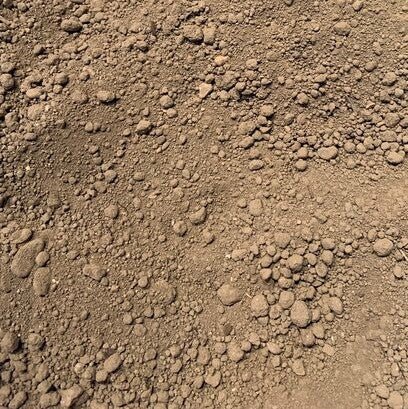
Sumter's native sandy loam is workable and well-draining, but those same qualities make it a challenging foundation for vegetable gardens, flower beds, and new lawn areas that need nutrient-rich, moisture-retentive growing conditions. Sandy loam moves water through so quickly that fertilizers and organic nutrients can leach below the root zone before plants have a chance to absorb them, leaving beds undernourished despite regular feeding. Bringing in quality bulk topsoil or garden soil allows Sumter homeowners to build up growing areas with the organic content and texture that sandy loam alone cannot provide. Whether you are grading a new lawn area, filling raised vegetable beds, or correcting low spots that collect standing water after heavy rains, bulk soil gives you the material volume to make meaningful changes rather than the small incremental improvements that bagged products from a hardware store allow. Sumter's Zone 8a growing season runs from mid-March through early November, giving amended beds plenty of time to settle and establish before the first frost arrives around November 8.