
About this mulch

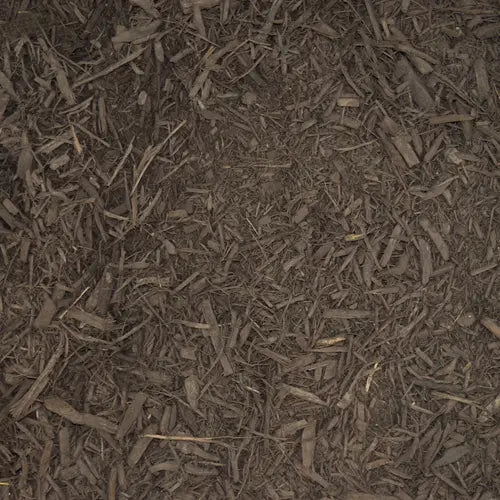
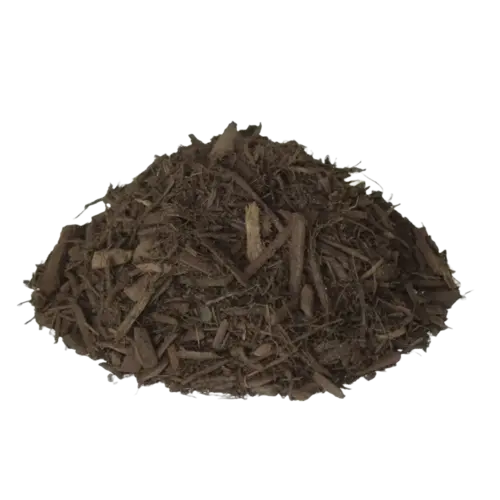
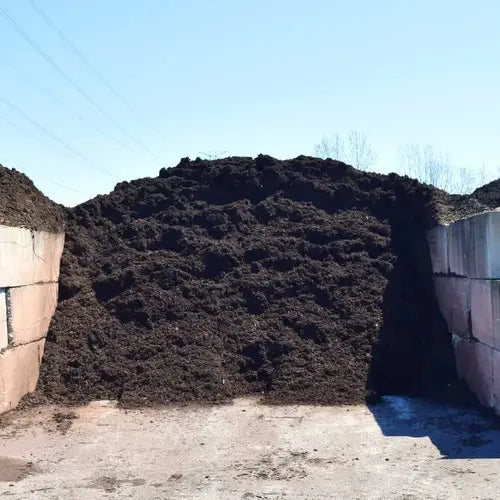
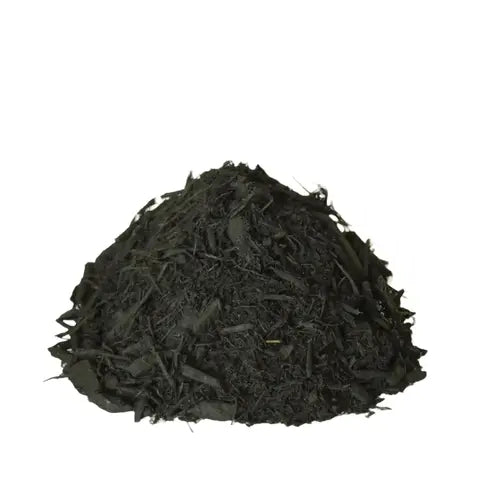
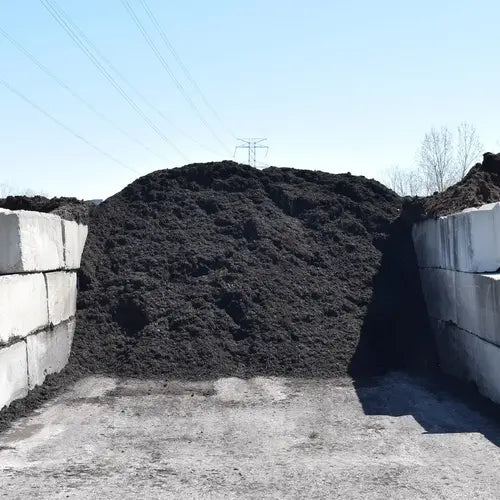
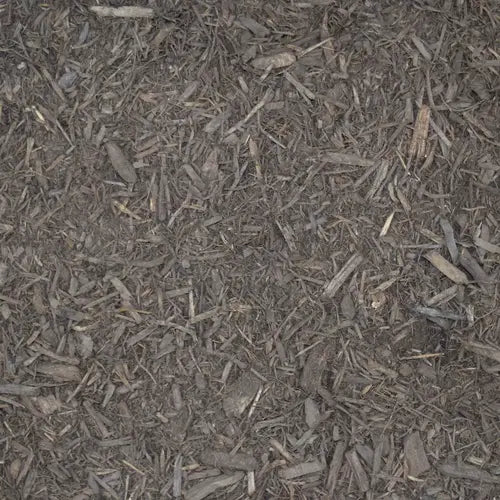
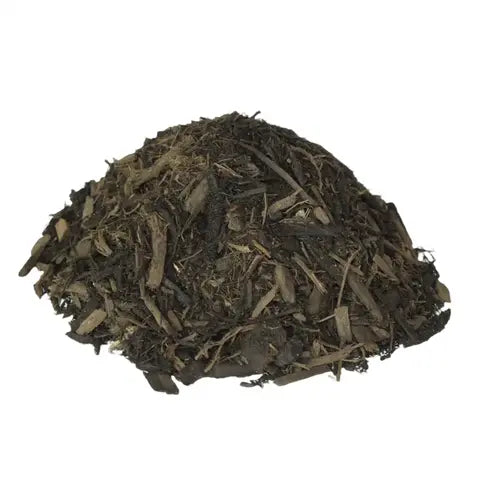
Double-shredded mulch dyed a rich, even brown that holds its color through the season.

UPDATE!

I can’t say enough good things about Mulch Mound! If you read my review below you will see I had a problem with my order. Mulch Mound was quick to respond and solved the issue with my delivery. Will definitely be a customer next year.

First time purchase...

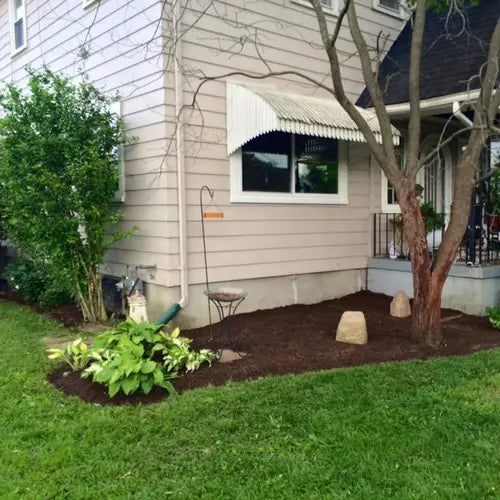
For established beds, three inches of hardwood mulch is the standard in Tahlequah, while new beds over bare silt loam do better with a full three to four inches to smother weed seed. Around trees, keep it at two to three inches and never mounded against the trunk.
Use our free mulch calculator

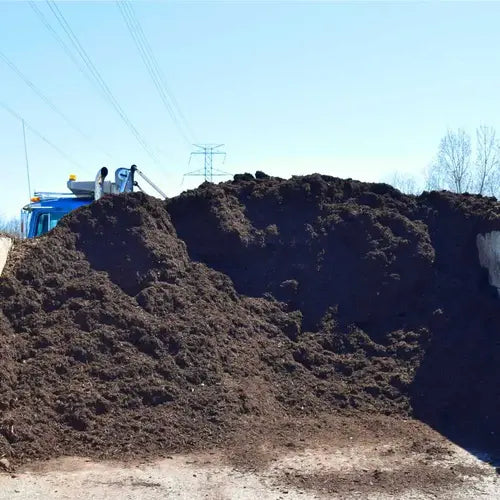
A yard is approximately 27 cubic feet. As a general guideline, one yard of material can cover an area of about 100-160 square feet at a 2-3 inch depth.

Tahlequah Mulch Delivery

Tahlequah Mulch Delivery

4.7
137 reviews
Regular price $64.00 per Yard
Regular price Sale price $64.00
Sale Sold out
Shipping calculated at checkout.
Color
Style
Hand-picked local yards
4,000+ regional deliveries
Dedicated support
Why order through Mulch Mound

The best local , without the guesswork.

We hand-pick and partner with the best yards in your region, keep only the ones our buyers rate well, and back each load with our guarantee.

Mulch Mound Guarantee

If your isn't the quantity or quality you ordered, we'll make it right.

About this mulch

Double-shredded mulch dyed a rich, even brown that holds its color through the season.

UPDATE!

I can’t say enough good things about Mulch Mound! If you read my review below you will see I had a problem with my order. Mulch Mound was quick to respond and solved the issue with my delivery. Will definitely be a customer next year.

First time purchase...

For established beds, three inches of hardwood mulch is the standard in Tahlequah, while new beds over bare silt loam do better with a full three to four inches to smother weed seed. Around trees, keep it at two to three inches and never mounded against the trunk.
Use our free mulch calculator

A yard is approximately 27 cubic feet. As a general guideline, one yard of material can cover an area of about 100-160 square feet at a 2-3 inch depth.

View full details

How It Works

Getting started is easy — just follow these simple steps

1

Choose your Mulch

Make sure you adjust the quantity to your home's needs. You can use our calculator to estimate how much you'll need.

2

Select your delivery date

Select a delivery date you'd like for the product to be dropped off at your home

3

Sit back and wait

Sit back, wait, and let us work our magic to make sure the highest quality product is delivered to your driveway.

What Tahlequah Customers Are Saying

4.7
out of 5 based on 137 reviews
Google Reviews

Calculate mulch for your Tahlequah project

For Tahlequah's type of soil, we recommend 2-3 inches for best weed suppression and moisture retention

Try Our Calculator
📍

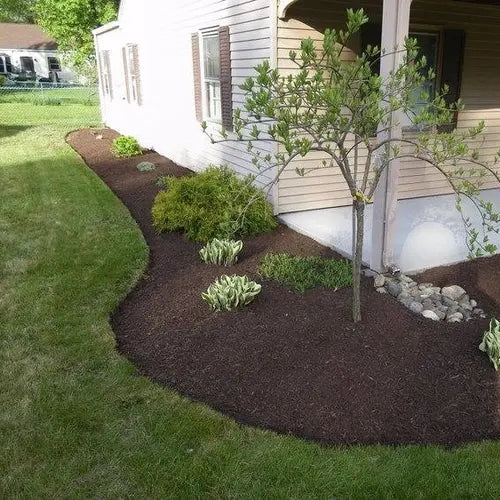
Measure each bed separately rather than guessing the whole yard at once, since curved foundation beds around Tahlequah homes are rarely simple rectangles. Break odd shapes into rough rectangles and triangles, add them up, and enter the total square footage. One cubic yard covers about 108 square feet at three inches deep.

Mulch vs. No Mulch: The Difference

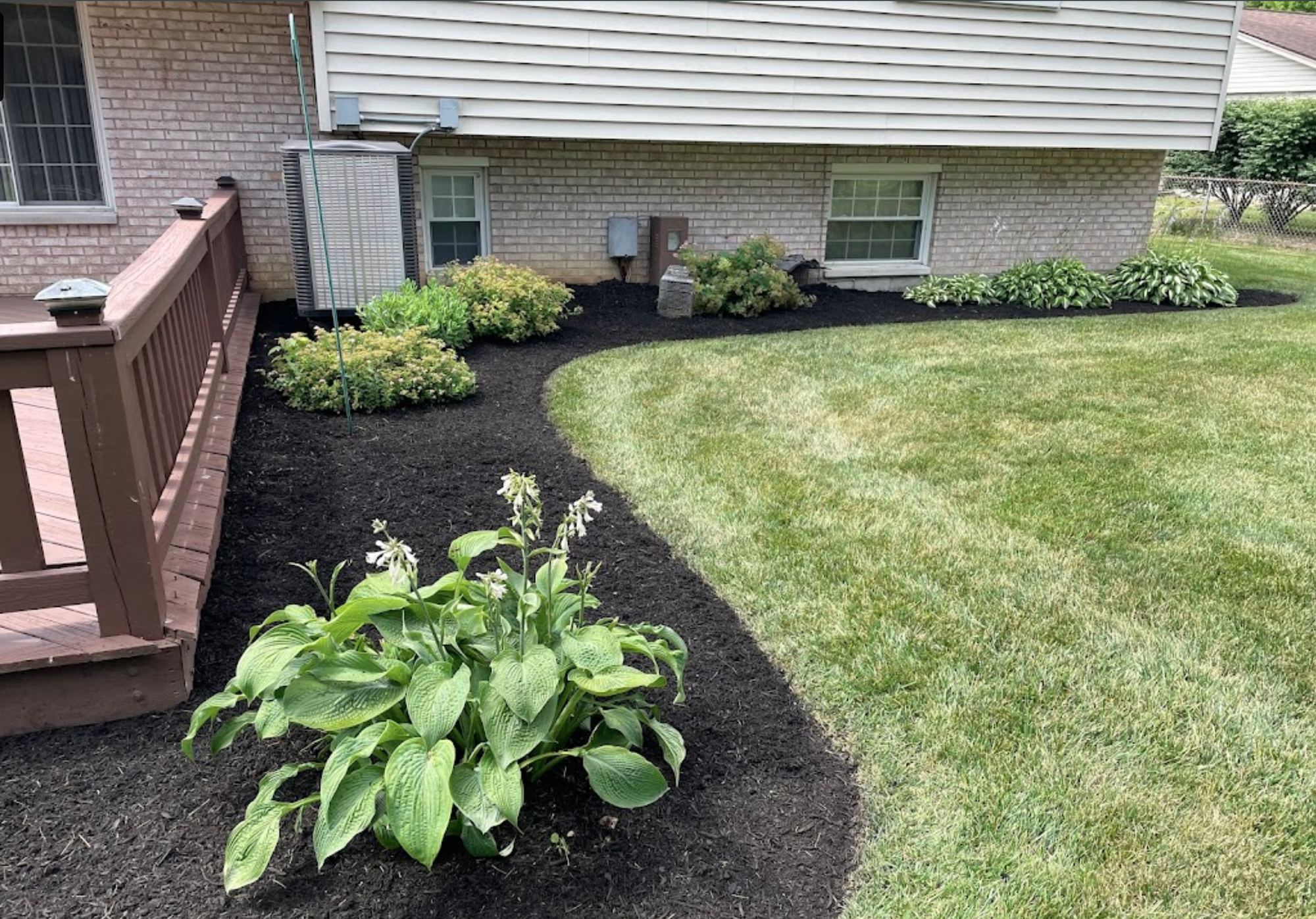
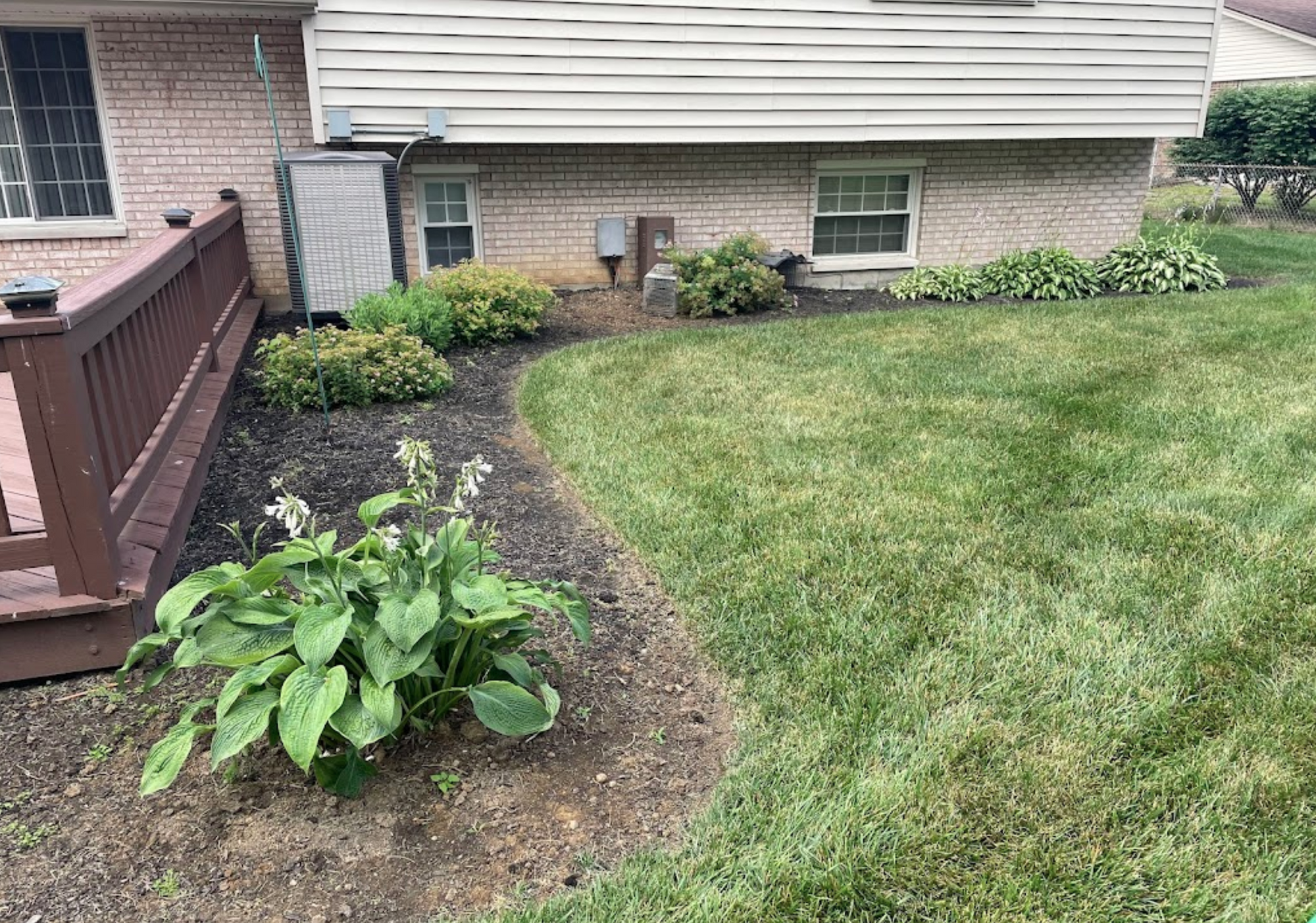
Tahlequah's combination of 50 inches of annual rainfall and long humid Zone 7a summers means organic mulch breaks down noticeably faster here than it does in western Oklahoma. Hardwood mulch that might last two years in a drier climate will lose roughly a third of its volume in a single Tahlequah season. That decomposition is not waste, it is free organic matter feeding your silt loam, but it does mean planning on an annual top off.

Before image
After image
Slider handle
Before
After

Complete Your Outdoor Mulch Project

Pair your mulch with a yard of screened topsoil or compost worked into the bed first, since our silt loam responds well to added organic matter. Steel or stone edging along the bed line will also keep mulch from migrating onto the lawn during heavy spring rain.

Map of the mulch delivery area around Tahlequah, Oklahoma

Service area

Areas we deliver mulch in Tahlequah, Oklahoma

Mulch Mound Pro Tip

Before you spread, take twenty minutes to shape a shallow berm at the downhill edge of any sloped bed. Tahlequah gets its rain in bursts, and a two inch lip of soil at the low side stops mulch from rafting away during a storm. Combine that with shredded hardwood instead of nuggets and you can hold three inches on a moderate grade through an entire wet spring without a single reapplication.

Mulch Mound Pro Tip

Water your beds thoroughly the day before mulching. Dry silt loam sheds water and forms a crust, and if you mulch over dry soil you seal that crust in place for weeks. Soaking first lets moisture penetrate, then mulch traps it. This single habit makes a real difference during the late July stretch when Tahlequah often goes two or three weeks without meaningful rain.

Mulch Mound Pro Tip

Keep mulch off the trunk flare. The mulch volcanoes you see around town trap humidity against bark, and in a climate with 50 inches of rain that invites rot and girdling roots. Pull mulch back three to four inches from any trunk so you can see where the tree widens at the base. Your maples and redbuds will thank you a decade from now.

Frequently Asked Questions

Click a question to see the answer

Answer

How many inches of mulch do I need in Tahlequah with all the rain we get?

Three inches is the sweet spot for most Tahlequah beds. With 50 inches of annual rainfall, anything deeper than four inches stays soggy against our silt loam and can suffocate shallow roots, while less than two inches washes thin after the first big spring storm.

Answer

When is the best time of year to mulch here?

Mid April is ideal, just after our April 5 average last frost, once the soil has warmed and spring bulbs have pushed through. A second light touch up in late October before the October 26 first frost helps insulate root zones through winter.

Answer

Will mulch wash off my slope down toward the creek?

On the sloped lots common around Tahlequah, use double ground or shredded hardwood rather than nuggets. The shredded fibers knit together and grip, while bark nuggets float and end up in the ditch after a two inch rain event.

Answer

Does mulch attract termites in this part of Oklahoma?

Termites are active in Cherokee County, but mulch itself is not a food source they seek out. Keep mulch pulled back six inches from your foundation and siding, and the humid conditions under mulch will not become a bridge into your home.

Answer

How often do I need to replace mulch in Tahlequah?

Plan on topping off once a year. Our warm humid summers and 50 inches of rain speed up decomposition, so hardwood mulch typically loses about an inch of depth per season as it breaks down into the silt loam below.

Answer

Should I pull the old mulch out before adding new?

Usually no. Old mulch is feeding your silt loam with organic matter, which our soils benefit from. Just rake the existing layer to break up any matted crust, then add one to two inches of fresh material to get back to three inches total.

Answer

Is dyed mulch safe around my vegetable garden?

Colorant used on quality dyed mulch is iron oxide or carbon based and is not a concern, but for edible beds we still recommend natural hardwood or a compost blend. Around Tahlequah tomatoes and peppers, undyed mulch also breaks down faster and improves the soil food web.

The Unique Landscape of Tahlequah

Tahlequah sits at 814 feet in the Illinois River valley of the Cherokee Nation, and the 50 inches of rain that fall here every year hit landscape beds harder than most Oklahoma homeowners expect. Our silt loam soil holds water well, but bare silt loam crusts over after a heavy spring downpour and then bakes into a hard shell during the July and August heat. A 3 inch blanket of hardwood mulch absorbs that rainfall impact, keeps the surface open, and moderates soil temperature through Zone 7a swings that can run from a 5 degree January morning to a 100 degree August afternoon. Mulch also holds moisture during the late summer dry stretch that usually arrives after the wet spring, which matters for the maples, oaks, and hydrangeas people plant around Tahlequah. With a frost window that runs from April 5 all the way to October 26, our beds are actively growing for nearly seven months, and mulch is what keeps weeds from taking that season over.