


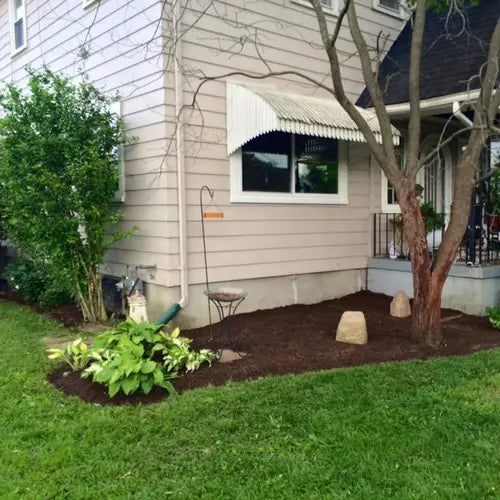
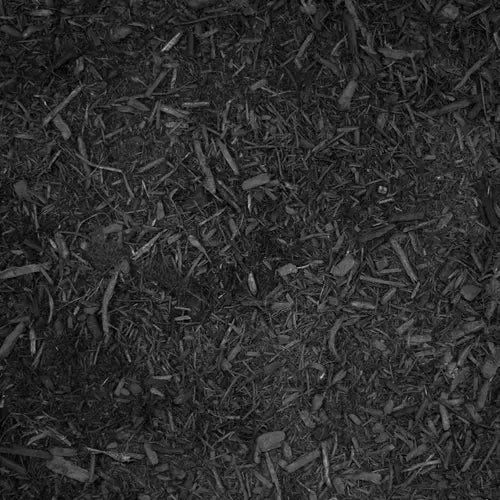
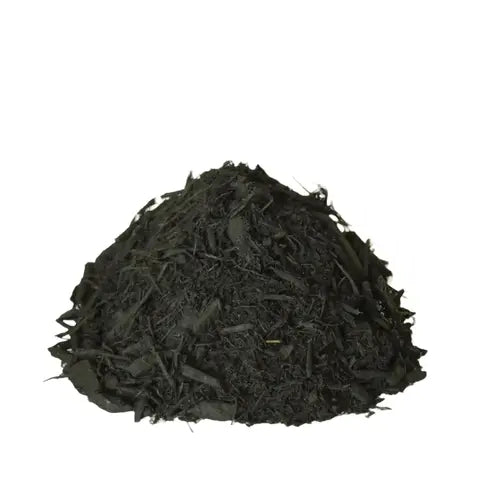
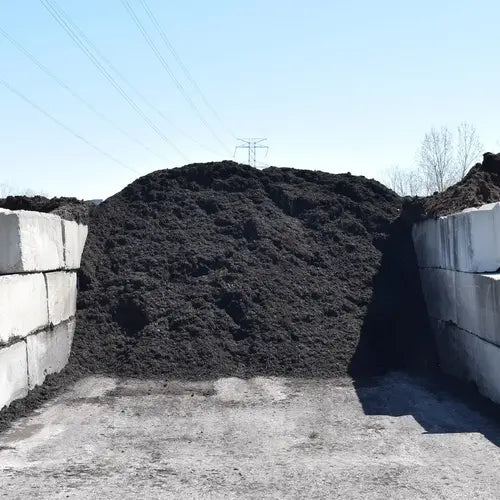
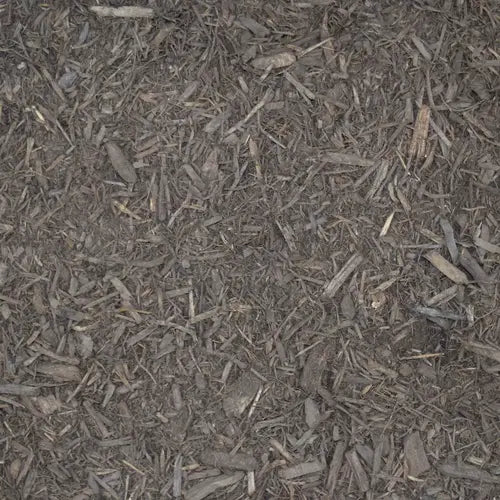
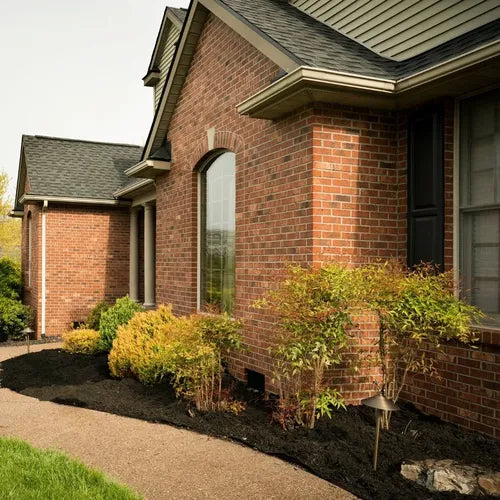


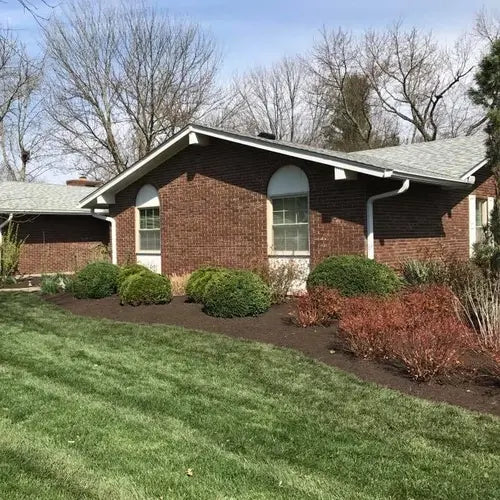

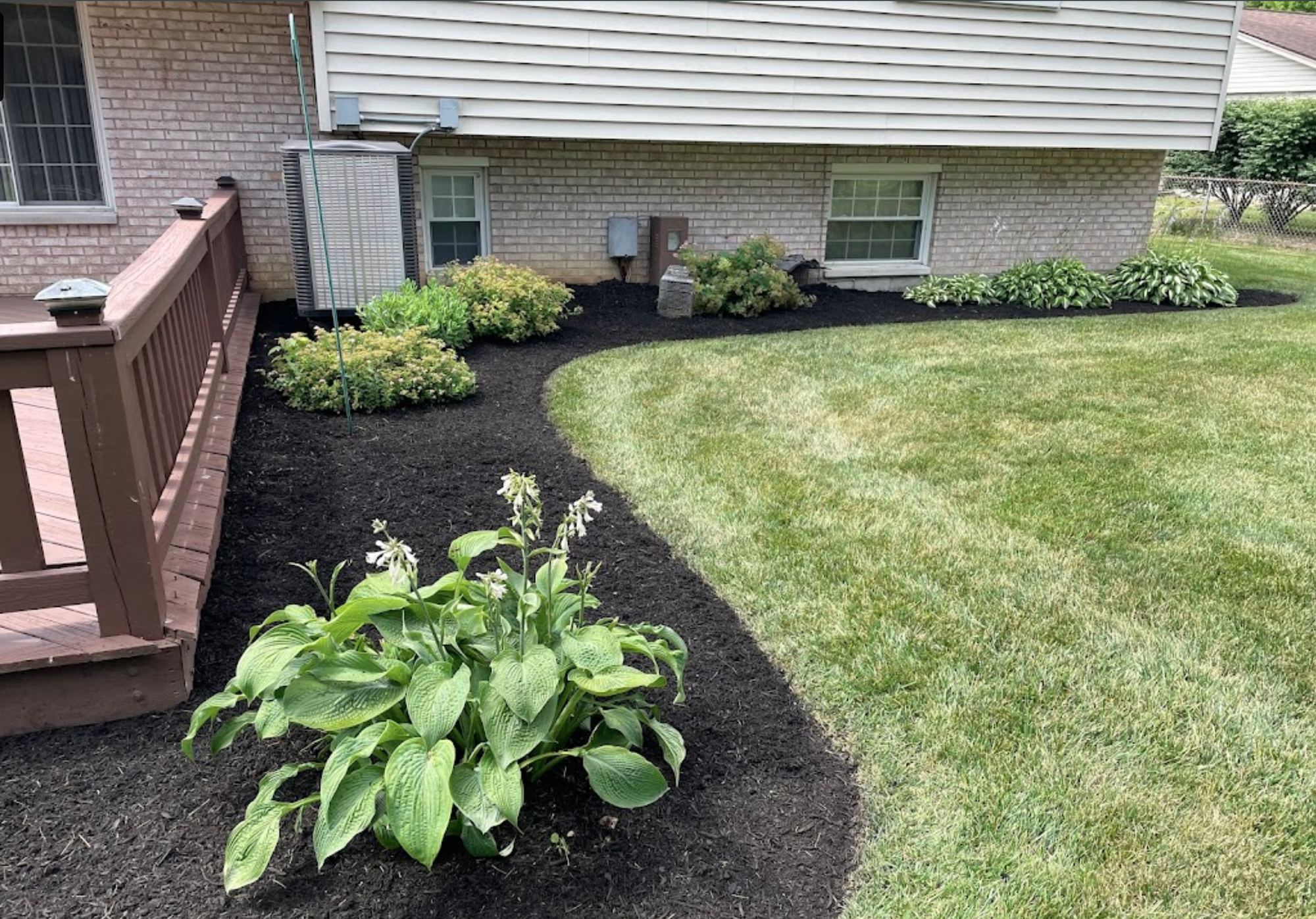
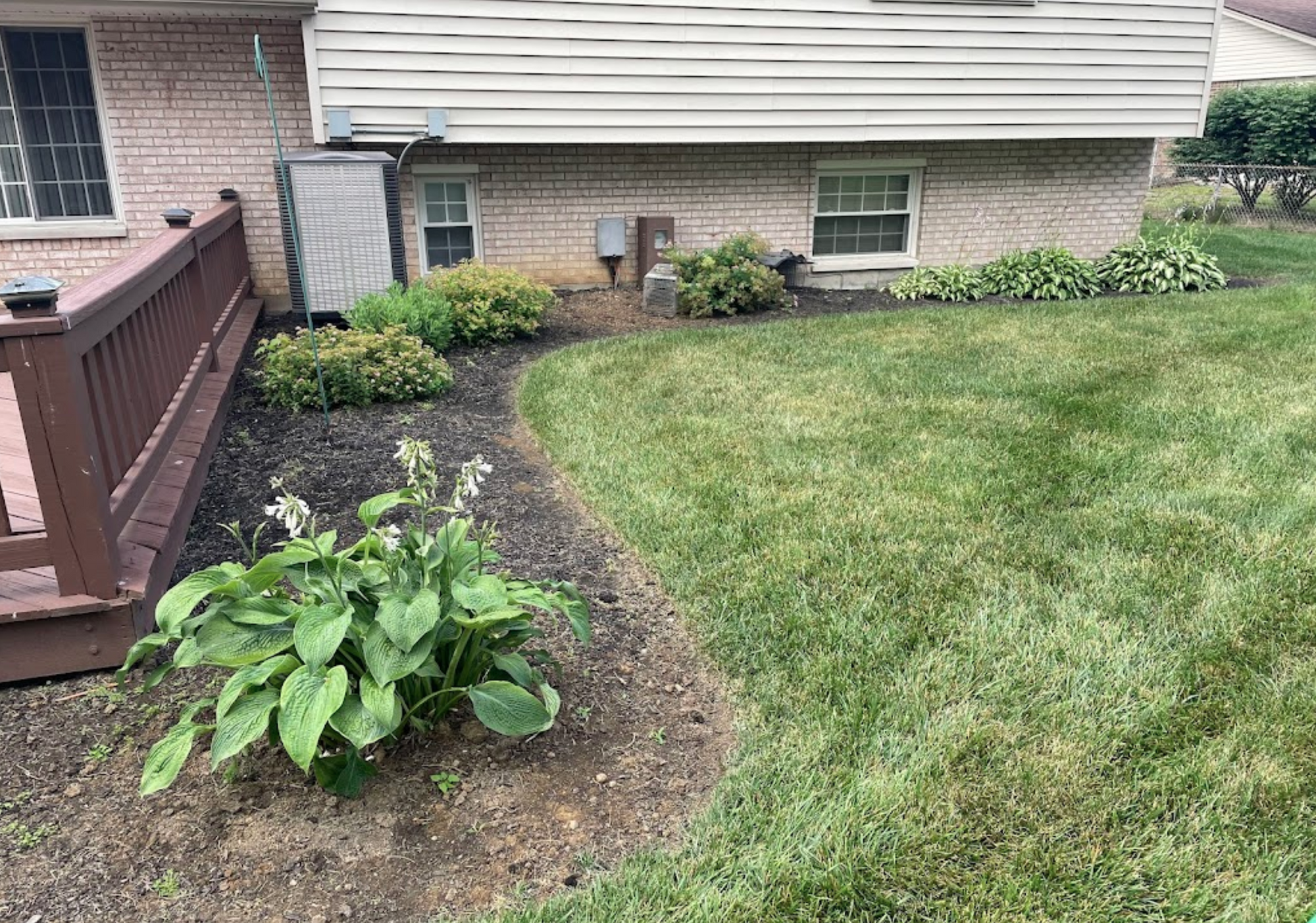
Our delivery was delayed but the new brown color mulch is a nice upgrade to our landscaping.
About this mulch
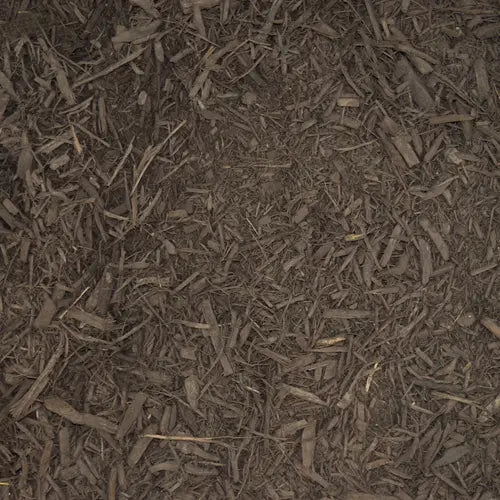
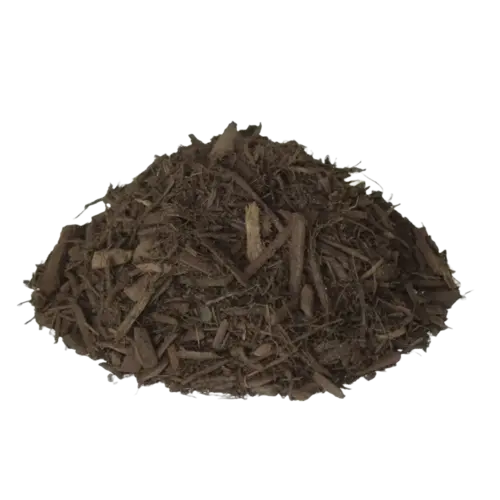
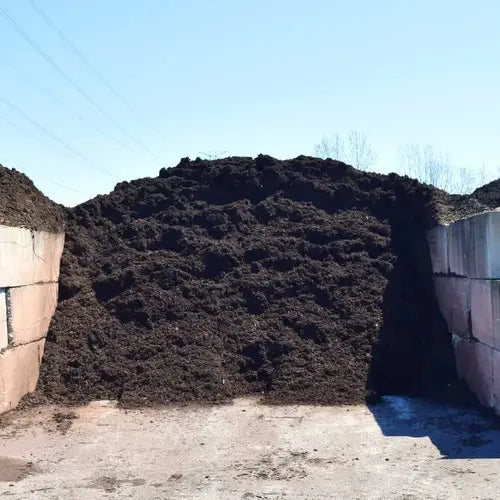
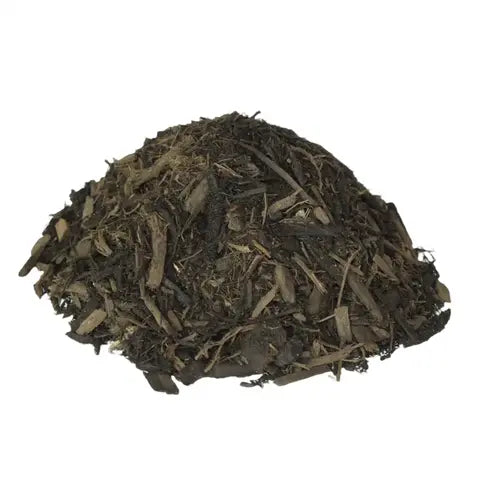
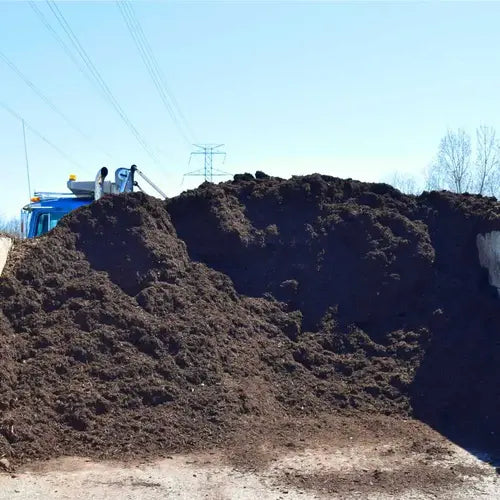
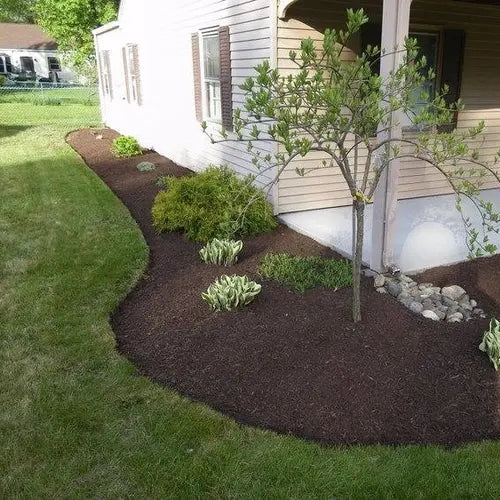
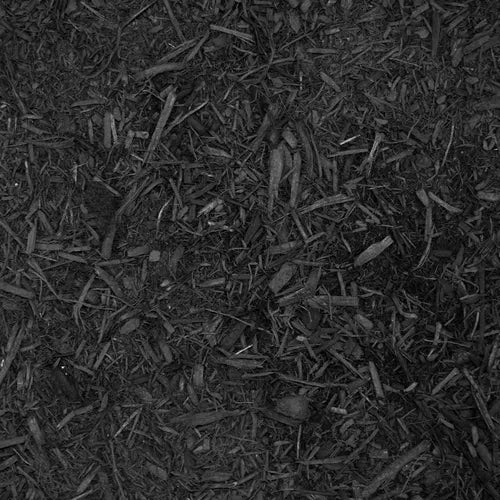
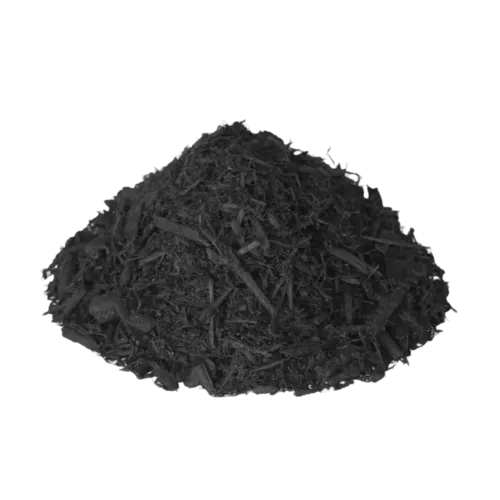
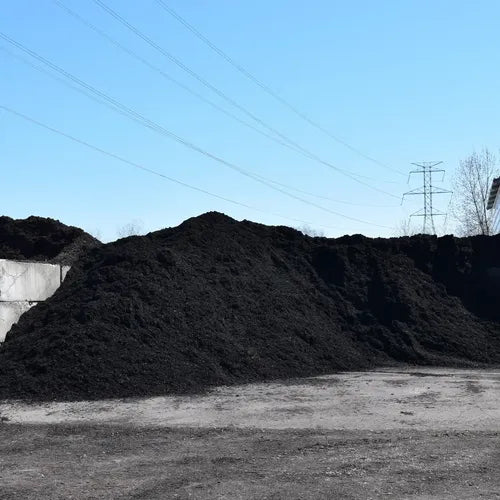
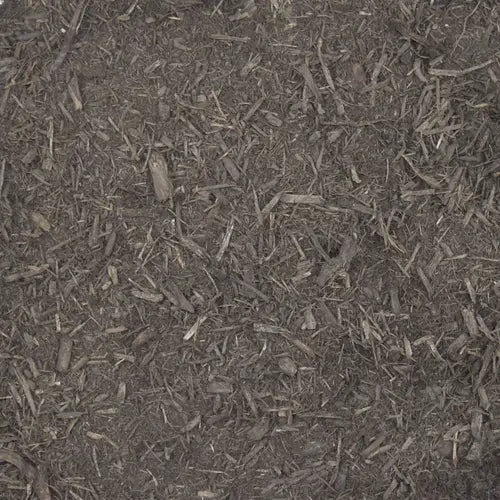
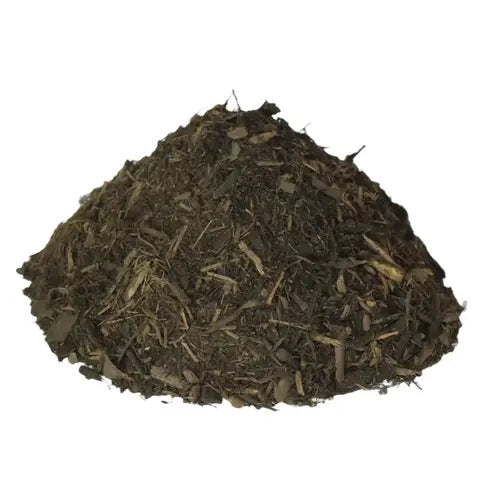
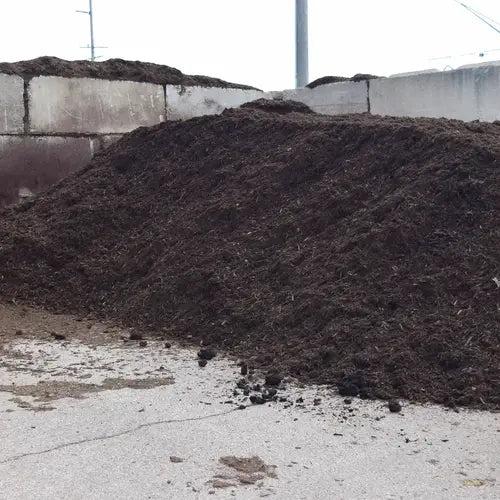
Warm brown double shredded mulch with lasting color that looks freshly applied for weeks. Spreads smooth, stays put, and gives beds a natural, polished appearance.
Our delivery was delayed but the new brown color mulch is a nice upgrade to our landscaping.
Tell us what you're looking for
Thanks! We received your request.
Something went wrong. Please try again.
How Much Material Do I Need?
How Much Material Do I Need?
For most Terre Haute planting beds, a 3-inch layer of mulch provides the right balance of moisture retention and crown protection on top of silt loam soil. In areas with known drainage issues or dense clay pockets near the surface, keeping the mulch to 2 inches near plant stems prevents root rot during the area's rainiest months.
Use our free mulch calculator
What is a yard?
What is a yard?
FAQs
FAQs
Terre Haute Mulch Delivery
Terre Haute Mulch Delivery
Regular price
$64.00
per
yard
Regular price
Sale price
$64.00
Unit price
per
Shipping calculated at checkout.
Minimum of 3 yard
Couldn't load pickup availability
Not currently available
We can't take orders for this right now. Tell us what you need and we'll get back to you.
Hand-picked local yards
4,000+ regional deliveries
Dedicated support
Why order through Mulch Mound
The best local mulch, without the guesswork.
We hand-pick and partner with the best yards in your region, keep only the ones our buyers rate well, and back each load with our guarantee.
Mulch Mound Guarantee
If your mulch isn't the quantity or quality you ordered, we'll make it right.
About this mulch
Warm brown double shredded mulch with lasting color that looks freshly applied for weeks. Spreads smooth, stays put, and gives beds a natural, polished appearance.
Our delivery was delayed but the new brown color mulch is a nice upgrade to our landscaping.
How Much Material Do I Need?
How Much Material Do I Need?
For most Terre Haute planting beds, a 3-inch layer of mulch provides the right balance of moisture retention and crown protection on top of silt loam soil. In areas with known drainage issues or dense clay pockets near the surface, keeping the mulch to 2 inches near plant stems prevents root rot during the area's rainiest months.
Use our free mulch calculator
What is a yard?
What is a yard?
FAQs
FAQs
Tell us what you're looking for
Thanks! We received your request.
Something went wrong. Please try again.
How It Works
Getting started is easy — just follow these simple steps
1
Choose your Mulch
Make sure you adjust the quantity to your home's needs. You can use our calculator to estimate how much you'll need.
2
Select your delivery date
Select a delivery date you'd like for the product to be dropped off at your home
3
Sit back and wait
Sit back, wait, and let us work our magic to make sure the highest quality product is delivered to your driveway.

Mulch Mound made it so easy! So happy with the pricing, turn around time, delivery and product. I submitted my online order on a Thursday. The mu...
Read full review
Mulch Mound made it so easy! So happy with the pricing, turn around time, delivery and product. I submitted my online order on a Thursday. The mulch was delivered to the designated location by a local landscape company at 8:30 a.m. the following Saturday morning. We had the job completed by that afternoon. We chose the natural brown mulch, and the plant beds are beautiful.

Good quality, great price, fast delivery. All online - no submitting forms and waiting for days for quotes.
Getting mulch should be this easy fr...
Read full review
Good quality, great price, fast delivery. All online - no submitting forms and waiting for days for quotes.
Getting mulch should be this easy from everyone. Only Mulch Mound is ACTUALLY this simple.
Calculate mulch for your Terre Haute project
For Terre Haute's Silt Loam type of soil, we recommend 2-3 inches for best weed suppression and moisture retention
Try Our CalculatorTo estimate your mulch needs for Terre Haute beds, measure each area in feet, multiply length by width, and enter those numbers into our calculator at your chosen depth. Keep in mind that silt loam surfaces can be uneven after heavy spring rains, so rounding up by 5 to 10 percent is a smart buffer. This ensures you have enough material to fill low spots and maintain a consistent 3-inch depth across the entire bed.

Best Mulch Choice for Terre Haute Lawns
Most yards in the Terre Haute area sit on Silt Loam type of soil. Terre Haute's silt loam soil compacts and crusts after heavy rains, creating a surface barrier that makes it difficult for plant roots to access oxygen and water. An organic mulch layer protects the soil surface and encourages earthworm activity that naturally loosens these dense, fine-textured soil particles over time.
Hardwood Mulch
Hardwood mulch is especially beneficial for Terre Haute's silt loam because as it breaks down it introduces coarser organic particles that bind with fine silt and improve overall soil structure. This gradual amendment process builds a richer, more porous topsoil layer that drains better, compacts less, and supports stronger plant root systems with each passing season.
Mulch Types We Deliver in Terre Haute
Mulch Mound delivers bulk mulch by the cubic yard to homes and properties across the area. If you are searching for bulk mulch delivery in Terre Haute, we carry several varieties suited for any yard or landscaping project. The Wabash Valley's warm summers and clay-heavy soils reward a consistent annual mulch application.
Dyed Black Mulch
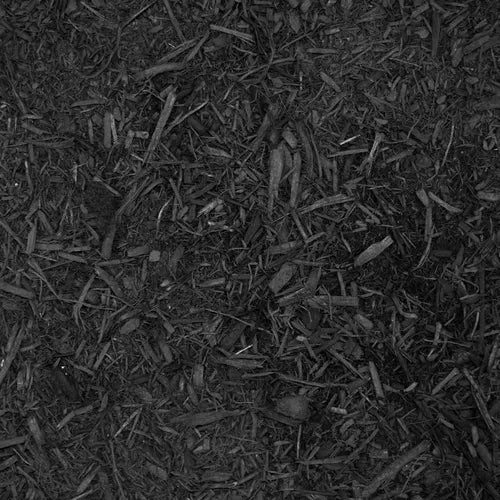
A bold choice for homeowners who want beds that stand out against Indiana's green summer lawns. Available in double shredded and triple shredded styles, the triple shredded option spreads even smoother and breaks down more slowly. The rich black color holds up well through wet springs and sunny summers.
Dyed Brown Mulch
Warm brown double shredded mulch that suits the brick and neutral-toned homes common across this part of Indiana. The color stays fresh looking for weeks after delivery, even when summer heat sets in. A reliable pick for anyone who wants tidy, natural looking beds without going too dark.
Natural Brown Mulch
Undyed mulch that gets its warm brown color straight from the wood, making it a popular pick for gardeners who prefer a chemical-free option. Available in double shredded and triple shredded styles, it blends naturally into clay-heavy soils and feeds beds as it breaks down through the season.
Playground Mulch
Engineered for safety and cushioning in backyard play areas and community spaces throughout the region. This standard playground mulch meets fall height safety standards and holds up through rainy springs and warm summers. Low maintenance and easy to refresh with a simple top-off delivery each year.
Complete Your Outdoor Mulch Project
Pair your mulch order with bulk topsoil to raise and level low garden beds before mulching, ensuring your beds drain properly through Terre Haute's wet spring season. Add decorative stone borders to define the edges of mulched areas for a clean, long-lasting finish that holds up through Zone 6b freeze-thaw cycles.

Service area
Areas we deliver mulch in Terre Haute, Indiana
Mulch Mound Pro Tip
Terre Haute homeowners often notice that their silt loam soil develops a hard surface crust after just a few summer rains. Applying mulch immediately after tilling or planting prevents that crust from forming, which means water from the next storm soaks in rather than running off the surface. This single step can dramatically reduce how often you need to irrigate established beds during the dry spells that sometimes follow the area's intense summer rain events.
Mulch Mound Pro Tip
Before the first frost arrives around October 16, pull back any thin or depleted mulch around perennials and add a fresh 2 to 3 inch layer. Silt loam freezes and thaws unevenly during Terre Haute winters, and that repeated freeze-thaw action can heave perennial roots right out of the ground before spring. A proper mulch layer acts as a thermal blanket that keeps underground soil temperature steadier, meaning your plants emerge healthier and better established the following April.
Mulch Mound Pro Tip
With Terre Haute averaging 44 inches of rain per year, erosion in sloped beds is a genuine and recurring challenge. Coarser mulch types like shredded hardwood bark interlock as they settle, creating a mat that resists being washed downhill far better than fine-textured or lightweight mulch products. If you have beds on any slope or positioned near a downspout, choosing a chunky hardwood blend and applying it at a full 3-inch depth protects both your soil and your mulch investment through every wet season.
The Unique Landscape of Terre Haute
Terre Haute's native silt loam soil is prone to surface crusting after heavy rains, making mulched plant beds essential for maintaining healthy root zones year round. With nearly 44 inches of rainfall per year, unprotected garden soil in the Wabash Valley washes and compacts quickly, stripping away the organic matter that plants depend on. A consistent layer of mulch slows runoff, keeps moisture available between rain events, and moderates soil temperature swings that are common in Zone 6b winters and summers. Terre Haute's first frost typically arrives around October 16, so a fresh fall mulch application helps insulate root systems before the ground hardens. Because silt loam retains moisture longer than sandy soils, the right mulch depth prevents oversaturation near plant crowns while still providing thermal protection. Getting mulch coverage right here means working with the land rather than fighting the wet, sticky conditions that Terre Haute homeowners know all too well.