


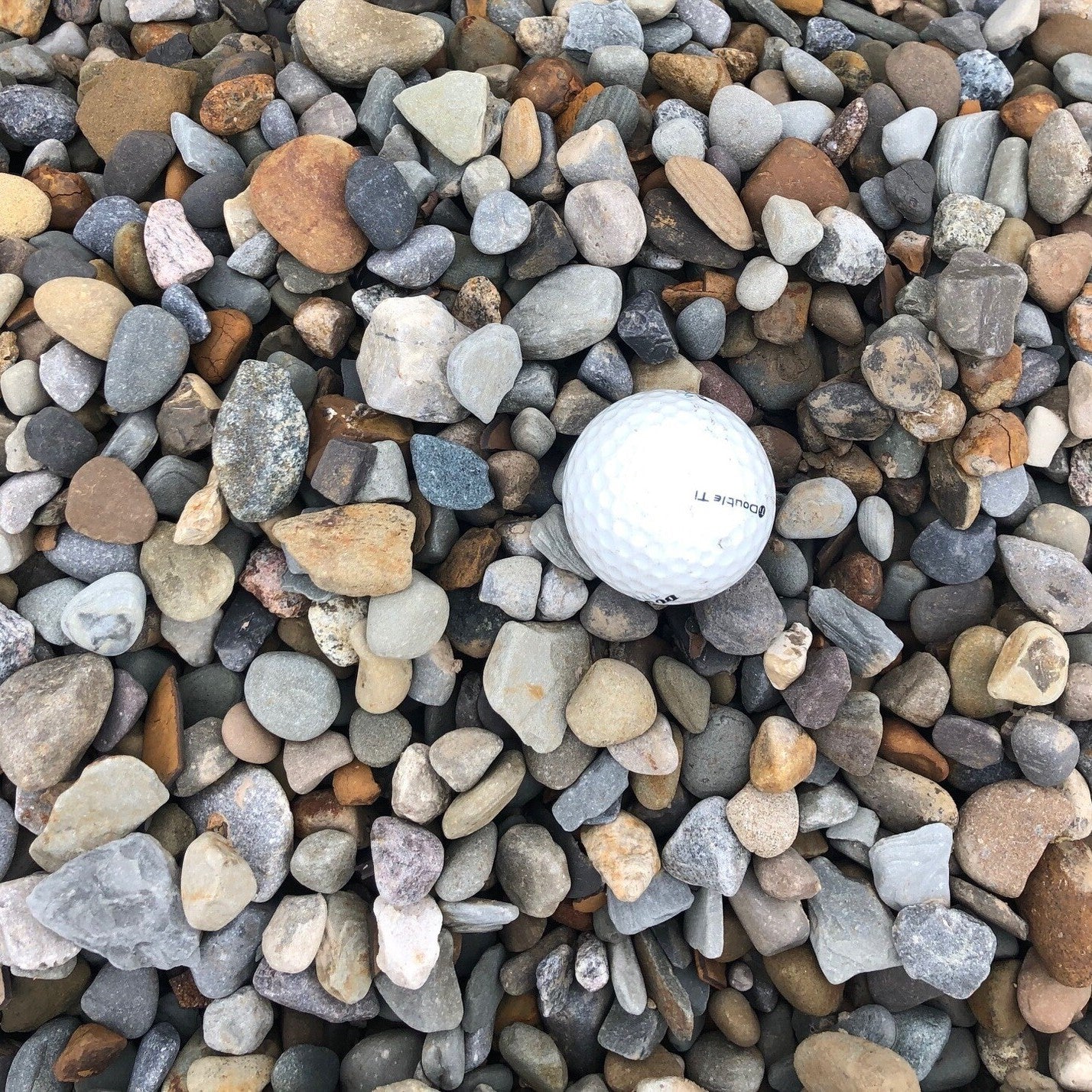

The driver nailed it on putting the gravel I ordered in front of my trailer and between the sidewalk. Very satisfied with how my flowerbeds look now.
About this stone
Number 57 crushed stone, angular limestone graded to about three quarters of an inch. The standard driveway, base and drainage gravel, it locks together under traffic and drains fast.
The driver nailed it on putting the gravel I ordered in front of my trailer and between the sidewalk. Very satisfied with how my flowerbeds look now.
Tell us what you're looking for
Thanks! We received your request.
Something went wrong. Please try again.
How Much Material Do I Need?
How Much Material Do I Need?
For decorative garden beds and pathways in Terre Haute, a 2 to 3 inch depth of stone is generally sufficient for weed suppression and visual appeal. Drainage applications, foundation borders, and erosion control slopes should be built to at least 4 to 6 inches of stone depth to perform reliably through the area's consistently wet spring and fall seasons.
Use our free gravel calculator
What is a yard?
What is a yard?
FAQs
FAQs
Terre Haute Gravel Delivery
Terre Haute Gravel Delivery
Regular price
$133.00
per
yard
Regular price
Sale price
$133.00
Unit price
per
Shipping calculated at checkout.
Minimum of 3 yard
Couldn't load pickup availability
Not currently available
We can't take orders for this right now. Tell us what you need and we'll get back to you.
Hand-picked local yards
4,000+ regional deliveries
Dedicated support
Why order through Mulch Mound
The best local stone, without the guesswork.
We hand-pick and partner with the best yards in your region, keep only the ones our buyers rate well, and back each load with our guarantee.
Mulch Mound Guarantee
If your stone isn't the quantity or quality you ordered, we'll make it right.
About this stone
Number 57 crushed stone, angular limestone graded to about three quarters of an inch. The standard driveway, base and drainage gravel, it locks together under traffic and drains fast.
The driver nailed it on putting the gravel I ordered in front of my trailer and between the sidewalk. Very satisfied with how my flowerbeds look now.
How Much Material Do I Need?
How Much Material Do I Need?
For decorative garden beds and pathways in Terre Haute, a 2 to 3 inch depth of stone is generally sufficient for weed suppression and visual appeal. Drainage applications, foundation borders, and erosion control slopes should be built to at least 4 to 6 inches of stone depth to perform reliably through the area's consistently wet spring and fall seasons.
Use our free gravel calculator
What is a yard?
What is a yard?
FAQs
FAQs
Tell us what you're looking for
Thanks! We received your request.
Something went wrong. Please try again.
How It Works
Getting started is easy — just follow these simple steps
1
Choose your stone
Make sure you adjust the quantity to your home's needs. You can use our calculator to estimate how much you'll need.
2
Select your delivery date
Select a delivery date you'd like for the product to be dropped off at your home
3
Sit back and wait
Sit back, wait, and let us work our magic to make sure the highest quality product is delivered to your driveway.

Placing an order online was so easy. Delivery was on time. When the driver realized we had a newly poured driveway they erred on the side of cautio...
Read full review
Placing an order online was so easy. Delivery was on time. When the driver realized we had a newly poured driveway they erred on the side of caution and opted not ti drive in it. The company even sent me a message explaining that call. Would recommend!

Online ordering was really simple and I liked the transparent pricing.
Need Help Calculating How Much Gravel You Need?
Use our NEW Trace from Satellite tool to get an estimate for your project based on an aerial view of your property
Try Our CalculatorTo estimate stone for a Terre Haute project, measure the area in feet, determine the depth you need, and enter both figures into our calculator to get cubic yards. Stone is considerably denser than mulch or soil, so even a modest-sized project can add up to several tons quickly. For drainage applications in Terre Haute's wet, silt loam conditions, plan for a deeper layer rather than a thinner one, since thin stone coverage can get buried in fine silt migration after just a few heavy rain seasons.
Stone Types We Deliver in Terre Haute
When your yard or project needs bulk gravel by the yard in Terre Haute, we make it simple with direct delivery right to your property. We load and haul by the cubic yard so you get exactly the volume your job calls for, whether you are covering a large driveway or finishing a garden bed. Our stone is priced straightforwardly, with no hidden fees for delivery within the Terre Haute area.
Pea Gravel
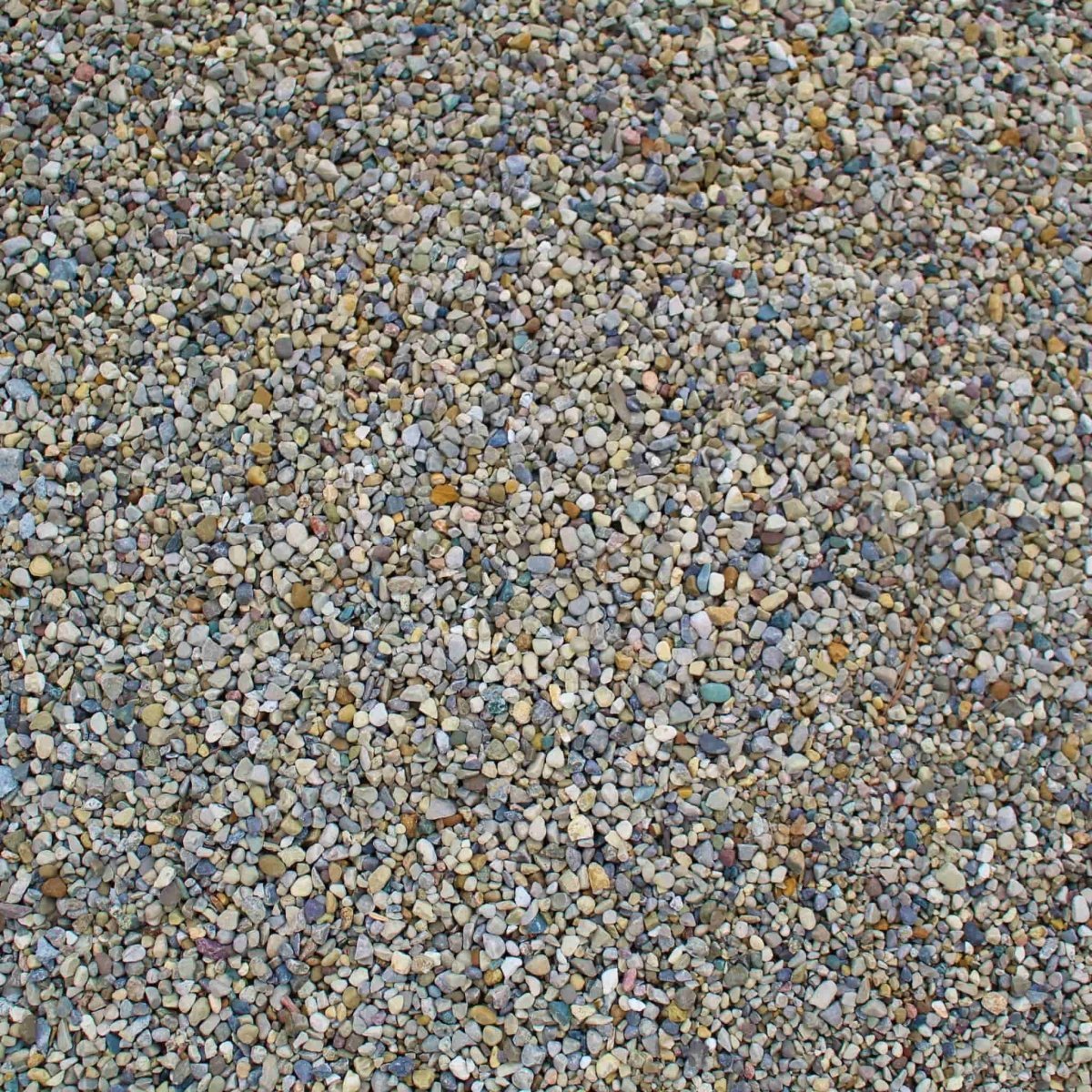
Pea gravel is a go-to choice for homeowners across the Wabash Valley who want a clean, low-maintenance surface. Its smooth, rounded stones in warm earth tones settle naturally over Indiana clay soil, resisting washout while keeping pathways comfortable underfoot. It works equally well for decorative garden borders, patio bases, and backyard drainage solutions.
Complete Your Outdoor Stone Project
Pair stone with bulk topsoil to properly grade your project area before laying material on flat or sloped surfaces, ensuring that Terre Haute's heavy rainfall flows exactly where you intend it to go. Adding a border of hardwood mulch around stone garden features keeps planting beds and stone areas cleanly separated and gives your landscape a layered, well-designed appearance through every season.



Service area
Areas we deliver stone and gravel in Terre Haute, Indiana
Mulch Mound Pro Tip
When installing stone pathways or drainage features in Terre Haute, always lay a quality geotextile landscape fabric beneath the stone before placing any material. The fine silt loam particles in local soil migrate upward into gravel layers over time through a process called fines migration, gradually filling the air pockets in your stone and reducing drainage performance season by season. A properly installed fabric layer separates the stone from the silt and keeps your pathway or drainage bed functioning as intended for years longer than stone laid directly on bare ground.
Mulch Mound Pro Tip
Terre Haute homeowners using stone around downspout discharge areas should extend the stone bed at least 6 feet from the downspout outlet in the direction water naturally flows. Concentrated discharge from a single downspout can move a surprising amount of silt loam soil during a heavy rainstorm, and a short stone pad will simply be overwhelmed and displaced. A longer, wider stone apron dissipates the energy of the rushing water before it reaches open soil, protecting your grade and preventing the gullying that is common in silt-heavy Wabash Valley yards.
Mulch Mound Pro Tip
If you are installing decorative stone in planting beds where you also want the flexibility to add plants or amend soil in future seasons, consider a lighter 1 to 2 inch stone layer over fabric rather than the full decorative 3-inch depth. Terre Haute's growing season runs from April 16 through October 16, giving you many months each year when adding new plants is tempting, and a lighter stone layer is much easier to pull back temporarily for planting than a heavy permanent installation. Planning for that flexibility from the start saves considerable effort and keeps your beds adaptable as your landscape evolves.
The Unique Landscape of Terre Haute
Stone is one of the most practical landscape materials for Terre Haute homeowners dealing with the combination of high annual rainfall, fine silt loam soil, and heavy clay subsoil pockets that make soft-surface paths and bare ground areas a muddy mess from early spring through late fall. Decorative and utility stone creates durable, low-maintenance surfaces that shed water rather than absorbing it, which is a significant advantage in an area that sees nearly 44 inches of rain per year. Gravel and crushed stone also improve drainage along foundation borders and downspout discharge areas, helping route runoff away from structures and into lawns where it can percolate slowly. Stone pathways and patios hold up through the freeze-thaw cycles of Zone 6b winters far better than compacted mulch or bare soil surfaces, which heave and erode with every frost cycle. In Terre Haute, erosion along gentle slopes is a genuine concern given how fine the native silt loam particles are and how easily moving water dislodges them. From functional drainage beds to decorative garden accents, bulk stone gives Terre Haute landscapes a durable, year-round solution that requires very little ongoing maintenance.