




Ordered Dirt. Received Dirt. Would Buy Again.
About this soil
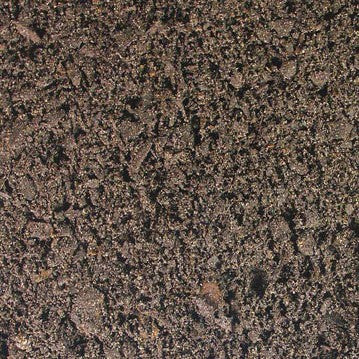
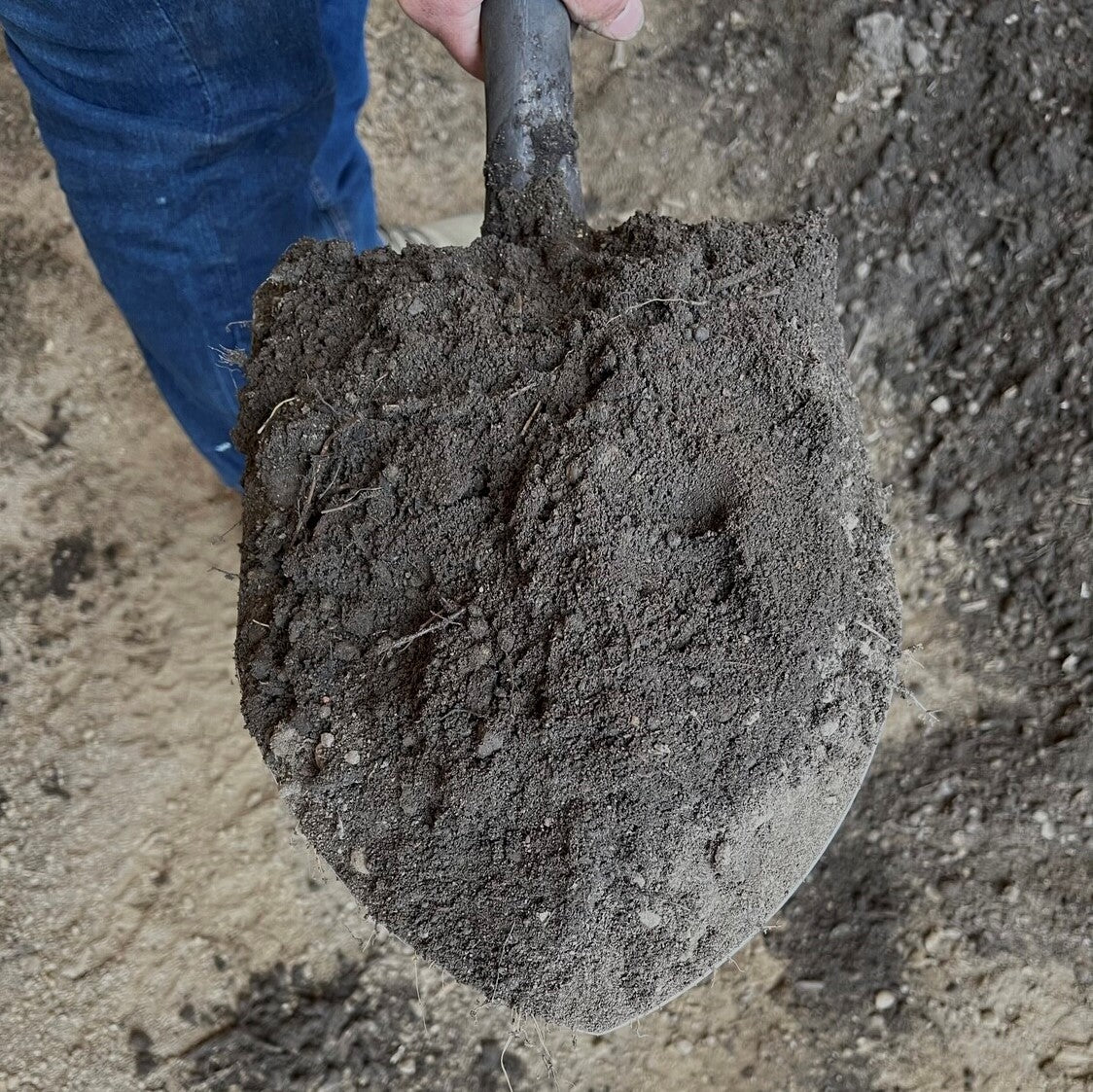
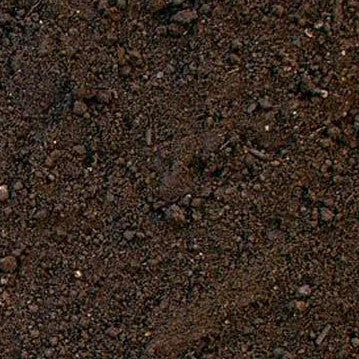
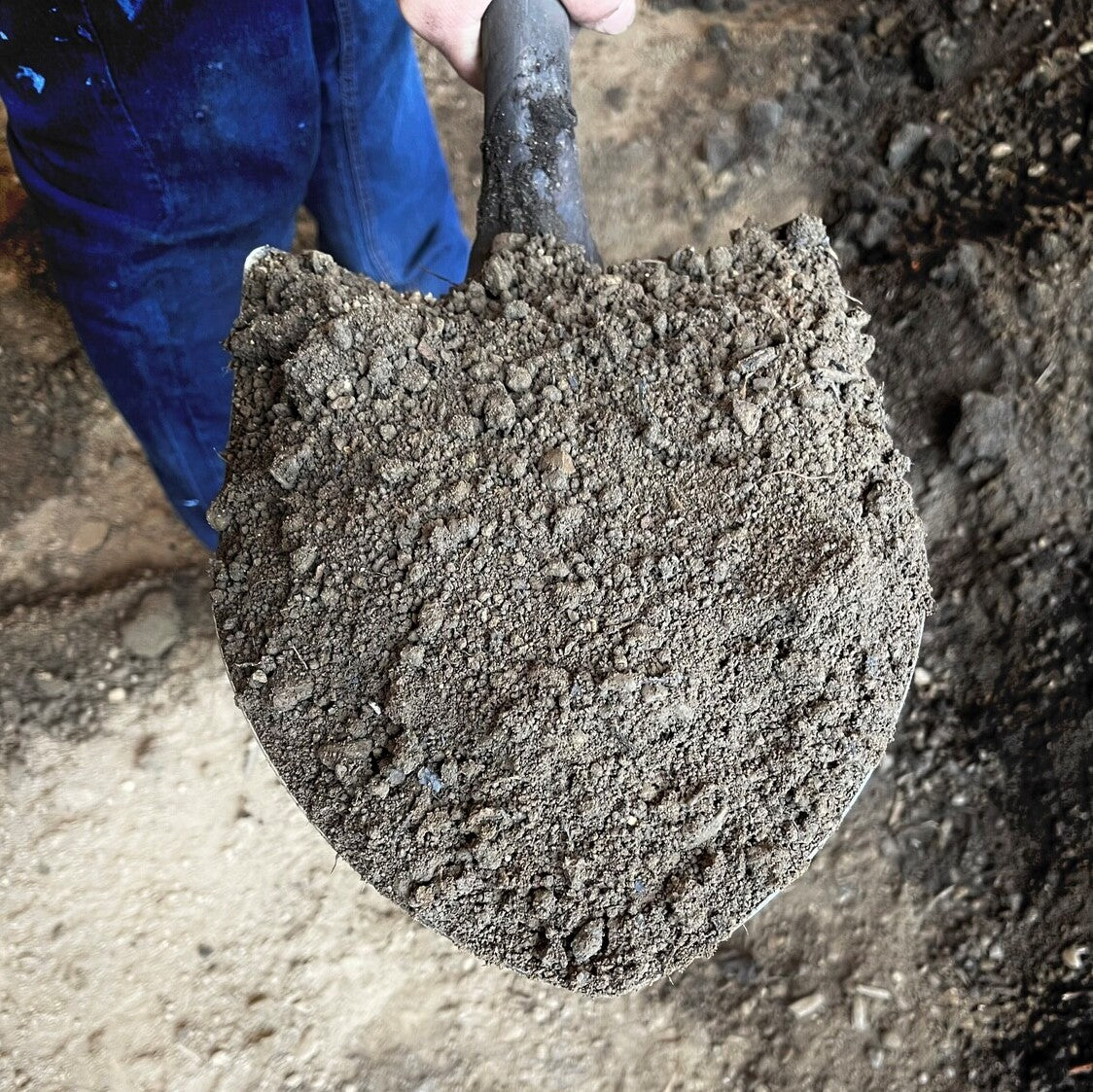
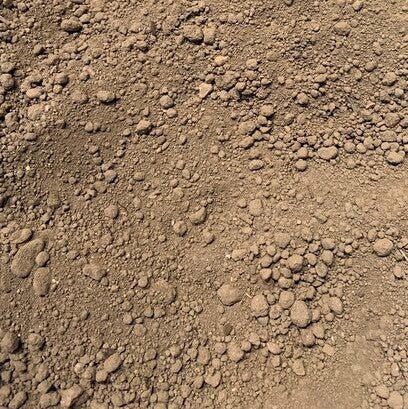
A balanced mix of topsoil and organic amendments ready for raised beds, flower gardens, and new planting areas. Good drainage, solid nutrients, easy to work with.
Ordered Dirt. Received Dirt. Would Buy Again.
Tell us what you're looking for
Thanks! We received your request.
Something went wrong. Please try again.
How Much Material Do I Need?
How Much Material Do I Need?
For lawn topdressing and leveling in Terre Haute, a depth of 1 to 2 inches of topsoil over the affected area is typically sufficient to address drainage and grading issues on top of the native silt loam. Raised garden beds and new planting areas generally need at least 8 to 12 inches of quality soil to give roots enough depth before encountering the compacted native soil layer beneath.
Use our free soil calculator
What is a yard?
What is a yard?
FAQs
FAQs
Terre Haute Soil Delivery
Terre Haute Soil Delivery
Regular price
$62.00
per
yard
Regular price
Sale price
$62.00
Unit price
per
Shipping calculated at checkout.
Minimum of 4 yard
Couldn't load pickup availability
Not currently available
We can't take orders for this right now. Tell us what you need and we'll get back to you.
Hand-picked local yards
4,000+ regional deliveries
Dedicated support
Why order through Mulch Mound
The best local soil, without the guesswork.
We hand-pick and partner with the best yards in your region, keep only the ones our buyers rate well, and back each load with our guarantee.
Mulch Mound Guarantee
If your soil isn't the quantity or quality you ordered, we'll make it right.
About this soil
A balanced mix of topsoil and organic amendments ready for raised beds, flower gardens, and new planting areas. Good drainage, solid nutrients, easy to work with.
Ordered Dirt. Received Dirt. Would Buy Again.
How Much Material Do I Need?
How Much Material Do I Need?
For lawn topdressing and leveling in Terre Haute, a depth of 1 to 2 inches of topsoil over the affected area is typically sufficient to address drainage and grading issues on top of the native silt loam. Raised garden beds and new planting areas generally need at least 8 to 12 inches of quality soil to give roots enough depth before encountering the compacted native soil layer beneath.
Use our free soil calculator
What is a yard?
What is a yard?
FAQs
FAQs
Tell us what you're looking for
Thanks! We received your request.
Something went wrong. Please try again.
How It Works
Getting started is easy — just follow these simple steps
1
Choose your soil
Make sure you adjust the quantity to your home's needs. You can use our calculator to estimate how much you'll need.
2
Select your delivery date
Select a delivery date you'd like for the product to be dropped off at your home
3
Sit back and wait
Sit back, wait, and let us work our magic to make sure the highest quality product is delivered to your driveway.


Placing an order online was so easy. Delivery was on time. When the driver realized we had a newly poured driveway they erred on the side of cautio...
Read full review
Placing an order online was so easy. Delivery was on time. When the driver realized we had a newly poured driveway they erred on the side of caution and opted not ti drive in it. The company even sent me a message explaining that call. Would recommend!
Need Help Calculating How Much Soil You Need?
Use our NEW Trace from Satellite tool to get an estimate for your project based on an aerial view of your property
Try Our CalculatorTo calculate how much soil you need for a Terre Haute project, measure the length, width, and desired fill depth of the area in feet and use our online calculator to convert the result to cubic yards. For lawn leveling projects, remember that Terre Haute's silt loam base tends to compress under new fill, so adding 10 to 15 percent to your estimate accounts for that first-season settlement. Raised bed gardens should be built to a minimum of 12 inches of soil depth for most vegetables grown in Zone 6b.
Soil Types We Deliver in Terre Haute
Terre Haute's heavy clay-prone ground means the right soil foundation makes a real difference for lawns, gardens, and landscape projects. We deliver bulk topsoil by the yard in Terre Haute so homeowners and contractors can skip the bag haul and get the volume they actually need. Every load is measured by the cubic yard and dropped right where you need it.
Screened Top Soil
Clean and sifted to remove rocks and debris, this screened topsoil lays down smooth and uniform across beds, borders, and new lawn areas. It works especially well in Terre Haute yards where native soil runs compacted or uneven, giving roots a loose, workable layer to establish in quickly.
Gardening Blend Soil
This mix pairs topsoil with organic amendments to build a nutrient-rich, well-draining base suited for raised beds, flower gardens, and new planting areas. For gardeners working against the region's dense native soil, it offers an easy-to-work texture that supports strong root development from the first season.
Complete Your Outdoor Soil Project
Once your soil is graded and ready, top your beds with a layer of hardwood mulch to protect the fresh surface from Terre Haute's heavy spring rains and prevent the silt loam from crusting over. Adding decorative stone edging along bed borders keeps soil from migrating into lawn areas and gives your finished project a polished, long-lasting look.


Service area
Areas we deliver soil in Terre Haute, Indiana
Mulch Mound Pro Tip
When building raised garden beds in Terre Haute, do not skip the step of loosening the native silt loam beneath your new soil before you fill the bed. Silt loam develops a hard pan layer just a few inches down that can act like a bathtub floor, trapping water under your new soil even when the raised bed surface looks dry. Running a fork or tiller through the base before adding bulk topsoil allows roots and water to move freely into the native soil below and prevents waterlogging at the worst possible times.
Mulch Mound Pro Tip
Terre Haute homeowners doing lawn repair in spring should wait until nighttime temperatures are consistently above 40 degrees before spreading soil and seeding. The last frost date of April 16 is a useful general guide, but checking soil temperature with a thermometer can save you from working too early, when cold silt loam soil will delay germination and leave your fresh fill exposed to several weeks of erosion from spring rains.
Mulch Mound Pro Tip
For slope grading projects in Terre Haute, compact your bulk soil in layers rather than placing the full depth all at once. Silt loam-based fill is prone to slumping and surface erosion on grades steeper than 3 to 1 during the heavy rain events that are common in the Wabash Valley. Placing and lightly compacting 4-inch lifts, then scattering seed on each layer before adding the next, dramatically improves the long-term stability of any finished slope.
The Unique Landscape of Terre Haute
Terre Haute sits in the Wabash River valley where the native silt loam is naturally fertile but prone to compaction, poor drainage in low spots, and erosion along even gentle slopes. When homeowners take on raised bed gardens, lawn leveling, or new landscaping projects, the native soil often needs supplementing to support healthy plant establishment from the ground up. Bulk topsoil gives you a clean, workable base that can be shaped and graded to direct Terre Haute's frequent rainfall away from foundations and toward areas where it can percolate safely. Because Zone 6b growing seasons open after the last frost around April 16, having quality soil staged and ready means you can plant as soon as conditions allow without losing precious weeks of the season. Grade work done with quality soil also protects against the freeze-thaw heaving that Terre Haute winters cause in uneven or loosely filled areas. Whether you are building a vegetable garden, reseeding a lawn, or filling around new construction, bulk soil is the foundation of every successful Terre Haute landscape project.