




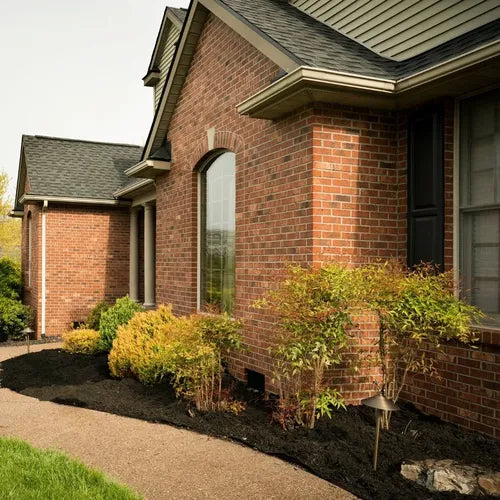


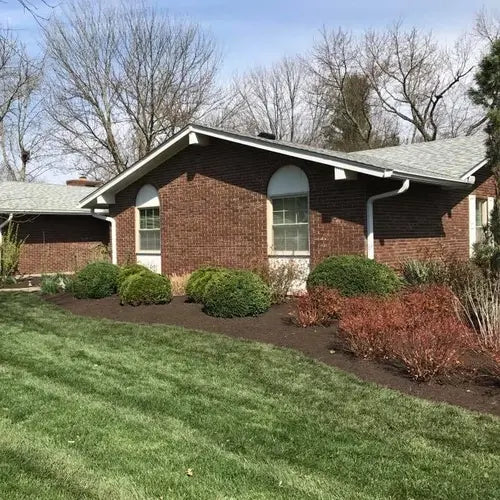


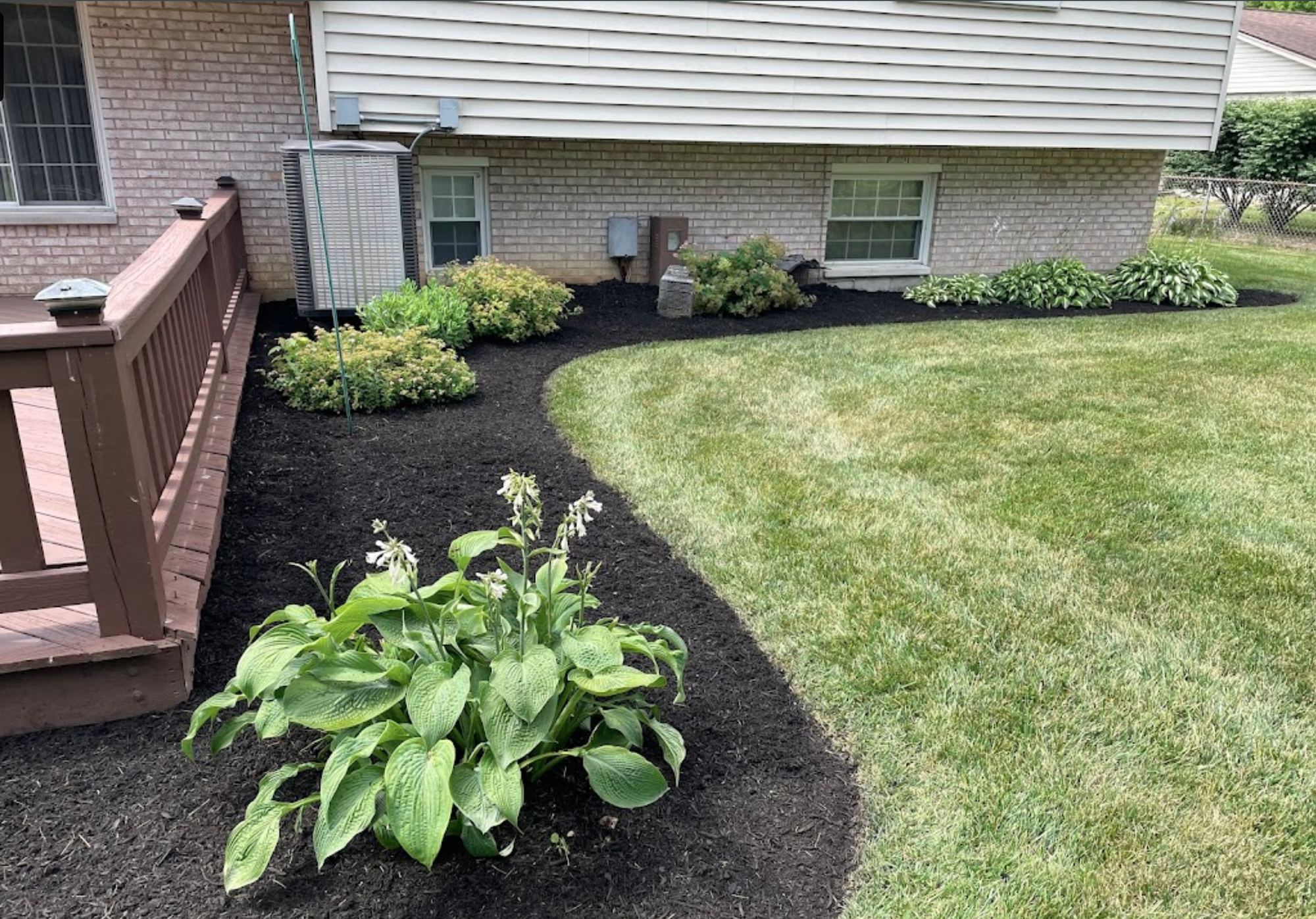
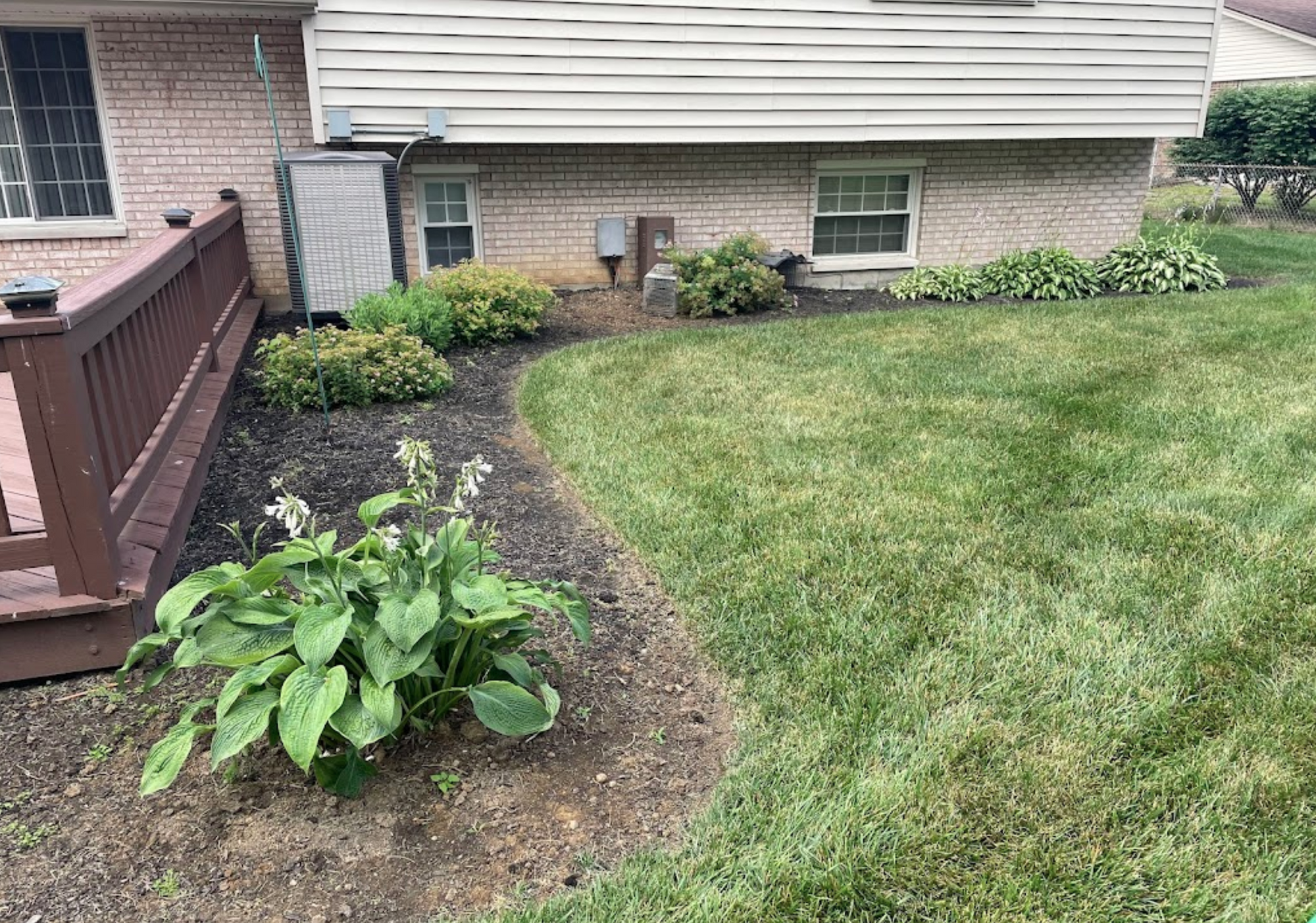
Our delivery was delayed but the new brown color mulch is a nice upgrade to our landscaping.
About this mulch
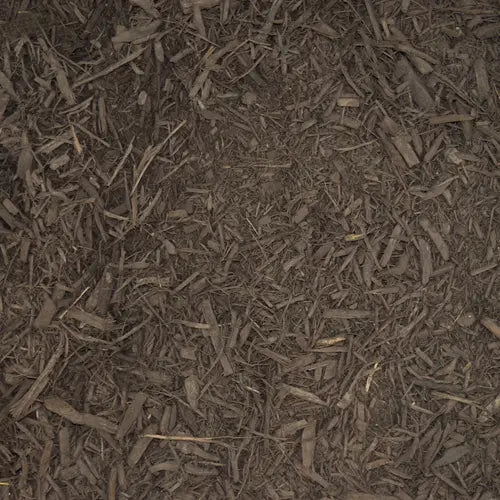
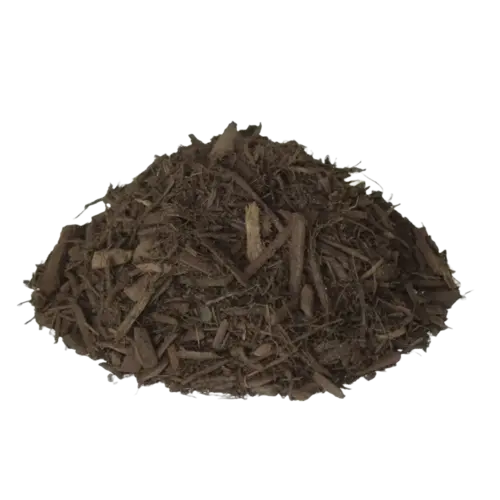
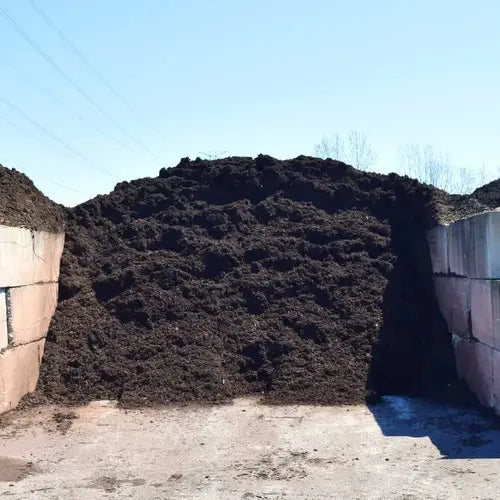
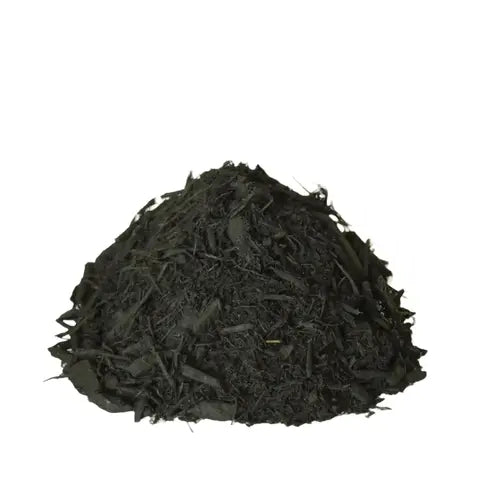
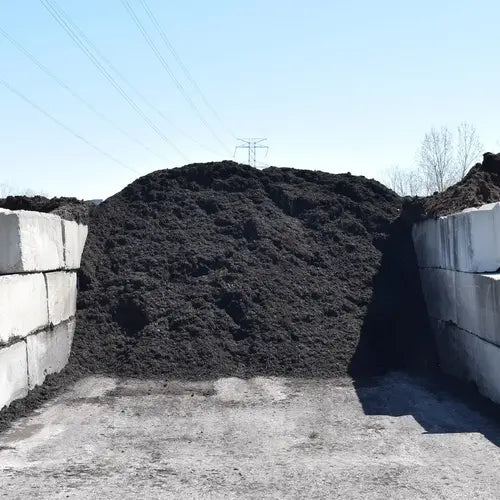
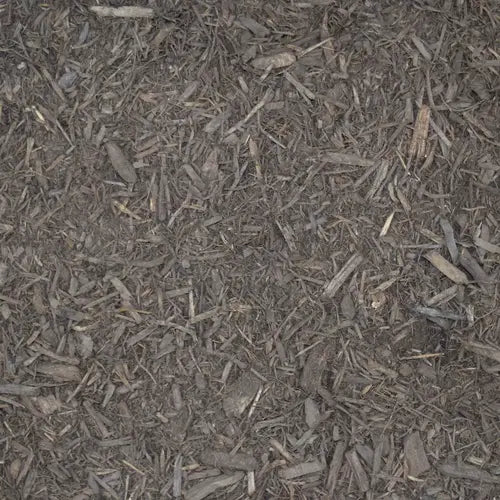
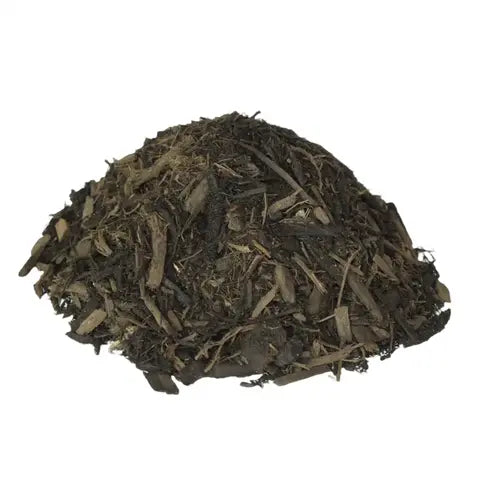
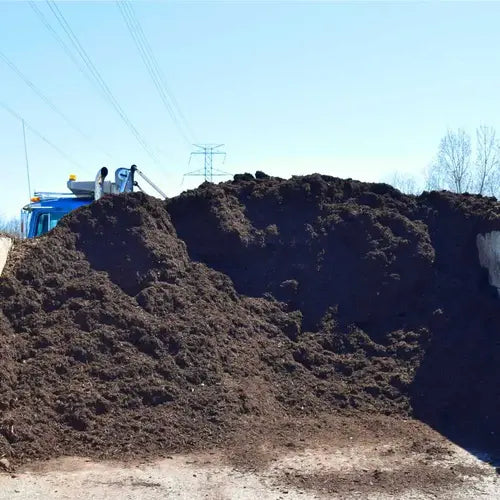
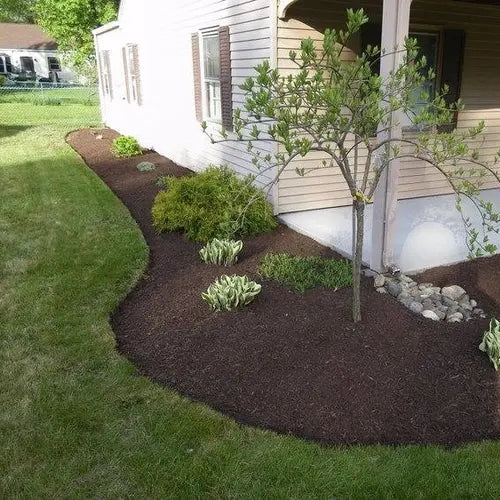
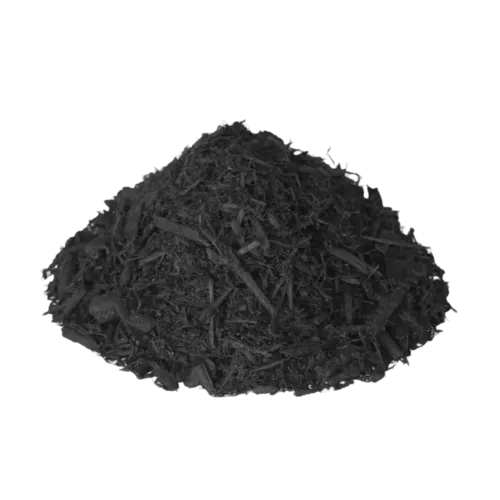
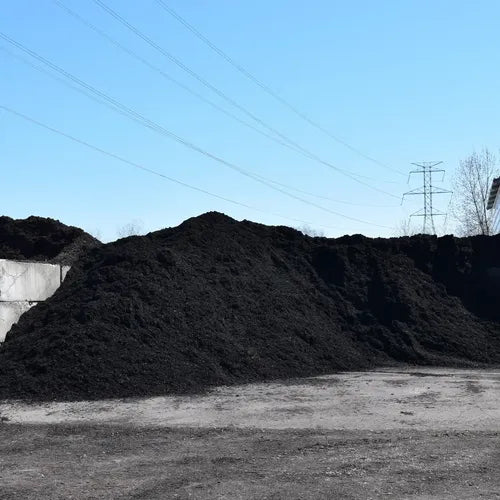
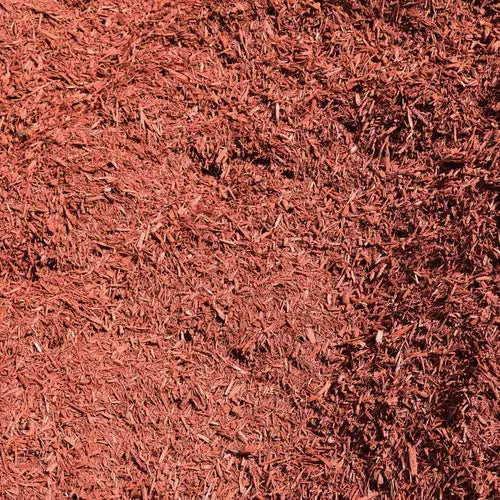
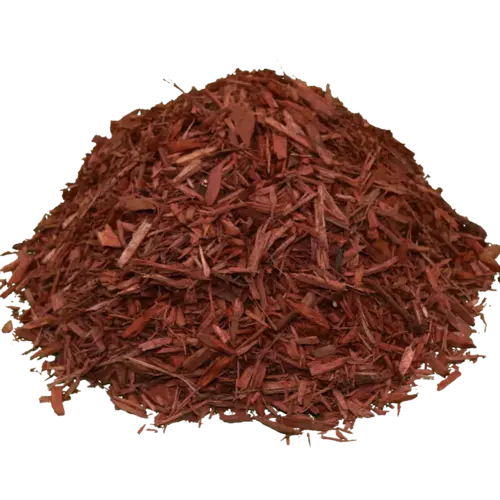
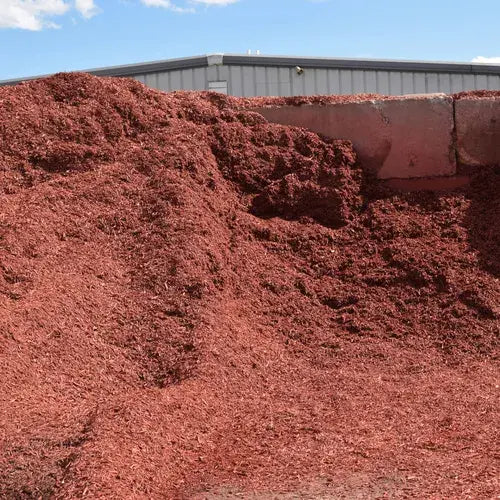
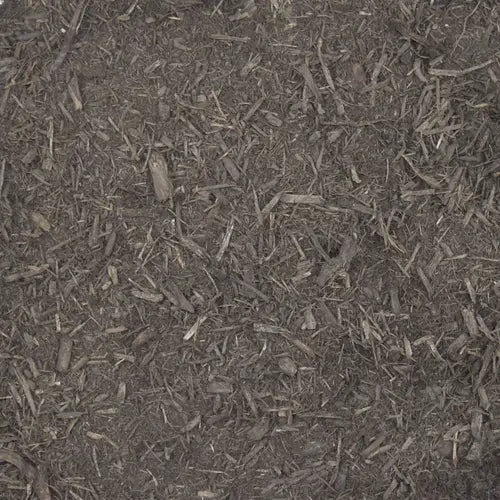
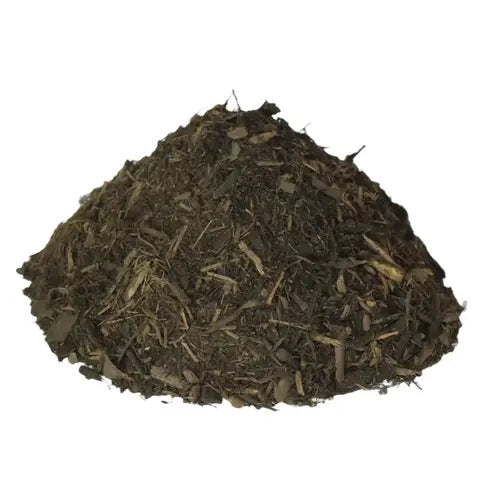
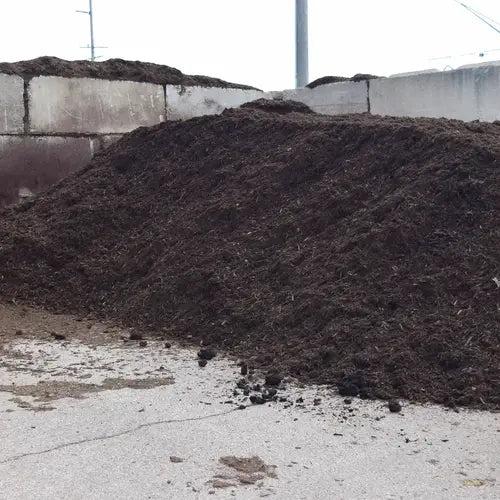
Warm brown double shredded mulch with lasting color that looks freshly applied for weeks. Spreads smooth, stays put, and gives beds a natural, polished appearance.
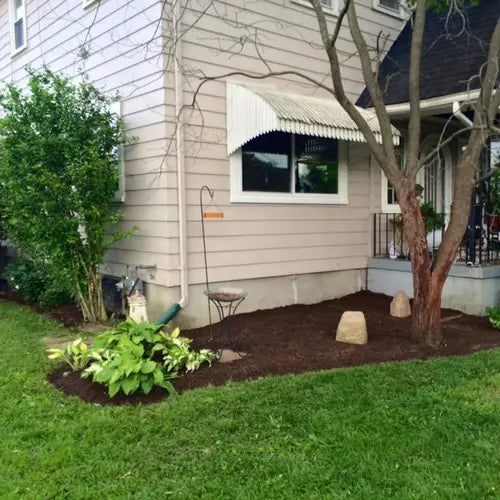
Our delivery was delayed but the new brown color mulch is a nice upgrade to our landscaping.
Tell us what you're looking for
Thanks! We received your request.
Something went wrong. Please try again.
How Much Material Do I Need?
How Much Material Do I Need?
For The Woodlands landscapes built on sandy loam, a 3-inch depth is the standard recommendation for planting beds, while a 2-inch layer can work for areas with established groundcover that already provides some soil protection.
Use our free mulch calculator
What is a yard?
What is a yard?
FAQs
FAQs
The Woodlands Mulch Delivery
The Woodlands Mulch Delivery
Regular price
$60.00
per
yard
Regular price
Sale price
$60.00
Unit price
per
Shipping calculated at checkout.
Minimum of 3 yard
Couldn't load pickup availability
Not currently available
We can't take orders for this right now. Tell us what you need and we'll get back to you.
Hand-picked local yards
4,000+ regional deliveries
Dedicated support
Why order through Mulch Mound
The best local mulch, without the guesswork.
We hand-pick and partner with the best yards in your region, keep only the ones our buyers rate well, and back each load with our guarantee.
Mulch Mound Guarantee
If your mulch isn't the quantity or quality you ordered, we'll make it right.
About this mulch
Warm brown double shredded mulch with lasting color that looks freshly applied for weeks. Spreads smooth, stays put, and gives beds a natural, polished appearance.
Our delivery was delayed but the new brown color mulch is a nice upgrade to our landscaping.
How Much Material Do I Need?
How Much Material Do I Need?
For The Woodlands landscapes built on sandy loam, a 3-inch depth is the standard recommendation for planting beds, while a 2-inch layer can work for areas with established groundcover that already provides some soil protection.
Use our free mulch calculator
What is a yard?
What is a yard?
FAQs
FAQs
Tell us what you're looking for
Thanks! We received your request.
Something went wrong. Please try again.

How It Works
Getting started is easy — just follow these simple steps
1
Choose your Mulch
Make sure you adjust the quantity to your home's needs. You can use our calculator to estimate how much you'll need.
2
Select your delivery date
Select a delivery date you'd like for the product to be dropped off at your home
3
Sit back and wait
Sit back, wait, and let us work our magic to make sure the highest quality product is delivered to your driveway.

Mulch Mound made it so easy! So happy with the pricing, turn around time, delivery and product. I submitted my online order on a Thursday. The mu...
Read full review
Mulch Mound made it so easy! So happy with the pricing, turn around time, delivery and product. I submitted my online order on a Thursday. The mulch was delivered to the designated location by a local landscape company at 8:30 a.m. the following Saturday morning. We had the job completed by that afternoon. We chose the natural brown mulch, and the plant beds are beautiful.

Good quality, great price, fast delivery. All online - no submitting forms and waiting for days for quotes.
Getting mulch should be this easy fr...
Read full review
Good quality, great price, fast delivery. All online - no submitting forms and waiting for days for quotes.
Getting mulch should be this easy from everyone. Only Mulch Mound is ACTUALLY this simple.
Calculate mulch for your The Woodlands project
For The Woodlands's Sandy Loam type of soil, we recommend 2-3 inches for best weed suppression and moisture retention
Try Our CalculatorTo estimate how much mulch you need, measure the length and width of each bed in feet, multiply to get square footage, then divide by the coverage rate for your chosen depth. In The Woodlands, we recommend planning for a full 3-inch depth because the sandy loam soil here loses moisture quickly and thinner layers will not provide enough protection during dry stretches between the area's rain events. It is always better to order a little extra than to run short mid-project.

Best Mulch Choice for The Woodlands Lawns
Most yards in the The Woodlands area sit on Sandy Loam type of soil. Sandy loam soil in The Woodlands drains so efficiently that plant bed surfaces can dry out within days of a rain event, leaving roots scrambling for moisture. A consistent mulch layer is one of the most effective ways to slow that evaporation and keep moisture available at root level.
Hardwood Mulch
Hardwood mulch is particularly well matched to The Woodlands's sandy loam because as it decomposes it releases organic compounds that bind to sand particles and increase the soil's water-holding capacity. Over multiple seasons of annual replenishment, you will notice the soil beneath mulched beds becoming darker, more crumbly, and far more hospitable to plant roots than the native sandy loam alone.
Mulch Types We Deliver in The Woodlands
Mulch Mound delivers bulk mulch by the cubic yard to driveways across The Woodlands, so you get the exact volume your beds need without hauling bags from the store. For anyone searching for bulk mulch delivery near me, we carry fresh product suited to this region's heat, humidity, and sandy soils.
Dyed Black Mulch
A popular choice for beds that need bold contrast against green plantings and stone edging. Available in double shredded and triple shredded styles, the rich black color holds up well through hot, rainy summers and intense Texas sun.
Natural Brown Mulch
An undyed mulch with a warm, earthy tone that blends naturally into landscapes dense with mature trees and native plantings. Available in double shredded and triple shredded styles, it suits homeowners who want a clean, honest look without added colorants.
Cedar Mulch
Double shredded cedar is a practical pick for this humid Gulf Coast climate, where insects and moisture wear down ordinary mulch quickly. The natural oils in the wood deter pests, resist decay, and deliver a fresh aroma that lingers well after delivery.
Dyed Red Mulch
A vivid double shredded option that creates strong contrast against the deep greens common in heavily planted yards. The bold red color holds its intensity through intense summer heat and heavy rain, making it a popular pick for front beds and entry plantings.
Complete Your Outdoor Mulch Project
If you are refreshing your beds with new mulch, consider pairing it with a premium garden soil to rebuild nutrient levels in The Woodlands's naturally lean sandy loam before you lay the mulch layer. Decorative stone is also a great complement along pathways and foundation borders where organic mulch is not appropriate.


Service area
Areas we deliver mulch in The Woodlands, Texas
Mulch Mound Pro Tip
The Woodlands's last frost typically falls around February 18, which makes late February through early March the ideal window to apply fresh mulch each year. Spreading mulch right after that frost date locks in soil warmth, discourages early spring weeds, and sets your plant beds up for success before the heat of Zone 9a kicks in. Do not wait until summer to mulch or you will be fighting established weeds throughout the entire season.
Mulch Mound Pro Tip
Sandy loam soil throughout The Woodlands tends to compact and crust over in high-traffic areas, reducing the benefit of any mulch layer above it. Before laying mulch, loosen the top inch or two of soil with a hand rake so moisture can penetrate freely. This simple step makes a significant difference in how well your plants respond during dry spells between the area's frequent but unpredictable rain events.
Mulch Mound Pro Tip
With 50 inches of annual rainfall, The Woodlands receives enough precipitation to accelerate the decomposition of organic mulch significantly faster than drier Texas regions. That breakdown is actually beneficial because it feeds organic matter into the sandy loam below, but it also means you need to plan for annual replenishment. Keep a rough record of when you mulched and at what depth so you can top off beds before they thin out and lose their protective value.
The Unique Landscape of The Woodlands
The Woodlands sits on sandy loam soil that drains quickly and loses moisture fast during the hot, humid summers that define Zone 9a. Without a protective layer of mulch, plant beds dry out between the area's frequent rain events, leaving roots stressed and exposed. The region averages 50 inches of rain per year, but that moisture often comes in heavy bursts followed by dry stretches, making consistent soil coverage essential. A well-applied mulch layer moderates soil temperature during the months between the last frost around February 18 and the first frost around November 25, giving plants a stable root environment for nearly nine months of active growth. Mulch also acts as the first line of defense against the aggressive weed pressure that The Woodlands's warm, moist conditions naturally encourage.