


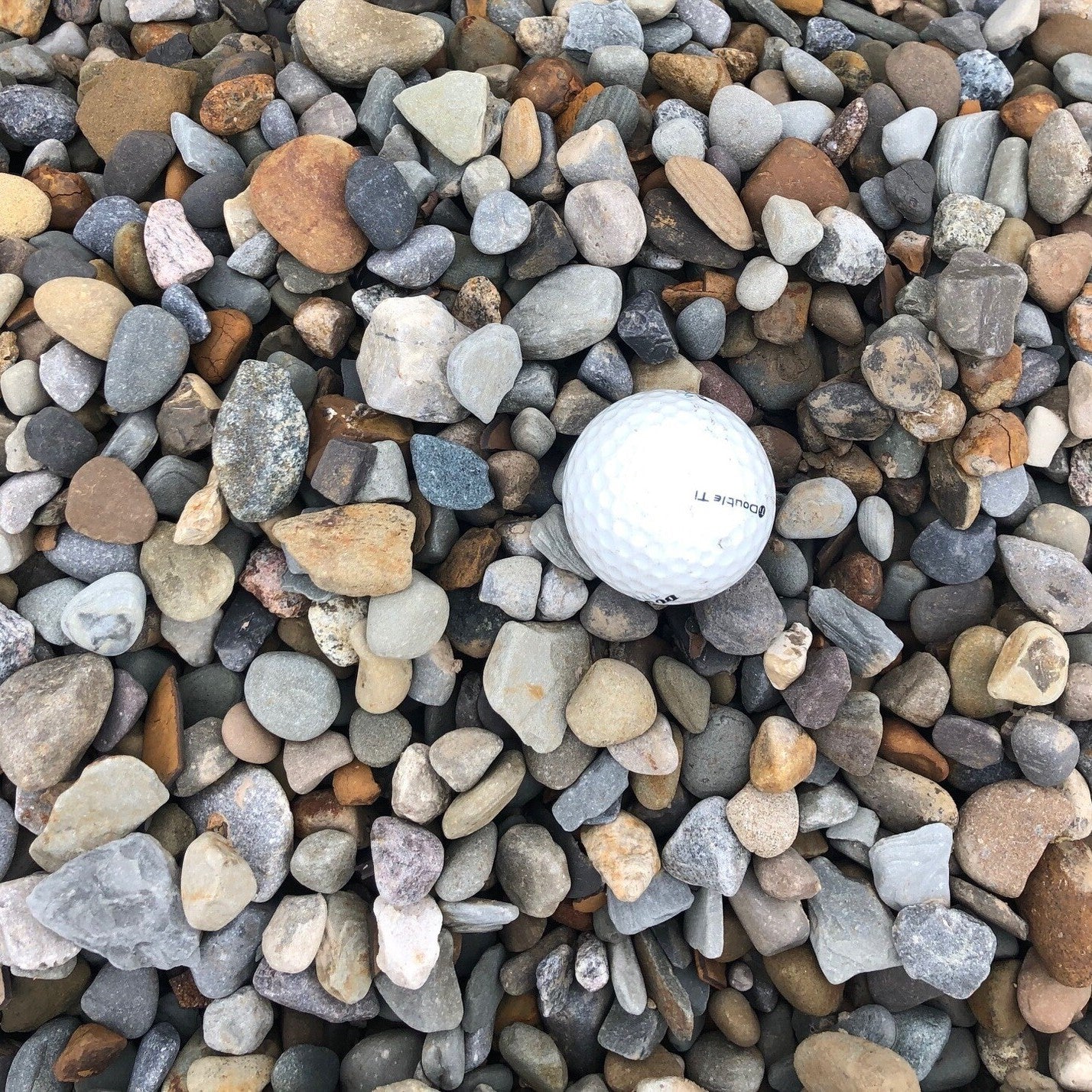


The driver nailed it on putting the gravel I ordered in front of my trailer and between the sidewalk. Very satisfied with how my flowerbeds look now.
About this stone
1” West Texas Black Crushed Stone landscape rock, sourced from our local supply yard. Color and gradation may vary slightly by quarry lot. Sold by the yard.
The driver nailed it on putting the gravel I ordered in front of my trailer and between the sidewalk. Very satisfied with how my flowerbeds look now.
Tell us what you're looking for
Thanks! We received your request.
Something went wrong. Please try again.
How Much Material Do I Need?
How Much Material Do I Need?
For pathway and decorative bed applications in The Woodlands, a 3-inch depth provides good coverage and stability over sandy loam, while drainage channels and erosion control areas benefit from 4 to 6 inches to handle the flow volumes common during spring storms.
Use our free gravel calculator
What is a yard?
What is a yard?
FAQs
FAQs
The Woodlands Gravel Delivery
The Woodlands Gravel Delivery
Regular price
$549.00
per
yard
Regular price
Sale price
$549.00
Unit price
per
Shipping calculated at checkout.
Minimum of 2 yard
Couldn't load pickup availability
Not currently available
We can't take orders for this right now. Tell us what you need and we'll get back to you.
Hand-picked local yards
4,000+ regional deliveries
Dedicated support
Why order through Mulch Mound
The best local stone, without the guesswork.
We hand-pick and partner with the best yards in your region, keep only the ones our buyers rate well, and back each load with our guarantee.
Mulch Mound Guarantee
If your stone isn't the quantity or quality you ordered, we'll make it right.
About this stone
1” West Texas Black Crushed Stone landscape rock, sourced from our local supply yard. Color and gradation may vary slightly by quarry lot. Sold by the yard.
The driver nailed it on putting the gravel I ordered in front of my trailer and between the sidewalk. Very satisfied with how my flowerbeds look now.
How Much Material Do I Need?
How Much Material Do I Need?
For pathway and decorative bed applications in The Woodlands, a 3-inch depth provides good coverage and stability over sandy loam, while drainage channels and erosion control areas benefit from 4 to 6 inches to handle the flow volumes common during spring storms.
Use our free gravel calculator
What is a yard?
What is a yard?
FAQs
FAQs
Tell us what you're looking for
Thanks! We received your request.
Something went wrong. Please try again.
How It Works
Getting started is easy — just follow these simple steps
1
Choose your stone
Make sure you adjust the quantity to your home's needs. You can use our calculator to estimate how much you'll need.
2
Select your delivery date
Select a delivery date you'd like for the product to be dropped off at your home
3
Sit back and wait
Sit back, wait, and let us work our magic to make sure the highest quality product is delivered to your driveway.

Placing an order online was so easy. Delivery was on time. When the driver realized we had a newly poured driveway they erred on the side of cautio...
Read full review
Placing an order online was so easy. Delivery was on time. When the driver realized we had a newly poured driveway they erred on the side of caution and opted not ti drive in it. The company even sent me a message explaining that call. Would recommend!

Online ordering was really simple and I liked the transparent pricing.
Need Help Calculating How Much Gravel You Need?
Use our NEW Trace from Satellite tool to get an estimate for your project based on an aerial view of your property
Try Our CalculatorTo calculate how much stone you need, measure the length and width of your project area, multiply to get square footage, and use a depth of 3 to 4 inches as your baseline for most applications in The Woodlands. Because stone is heavier and denser than mulch, even a moderate-sized pathway or bed border can require a surprising volume, so confirming your measurements twice before ordering will save you from a second delivery. Coverage rates vary by stone type and size, so check the specific product details when placing your order.
Stone Types We Deliver in The Woodlands
Mulch Mound delivers bulk stone by the cubic yard straight to homes and properties across The Woodlands, saving you the hassle of hauling bags from a store. Whether you are searching for pea gravel by the yard in The Woodlands or planning a larger landscaping project, we bring the material right to your driveway or job site. Our stone is sold in cubic yard quantities so you get exactly what your project calls for.
Pea Gravel
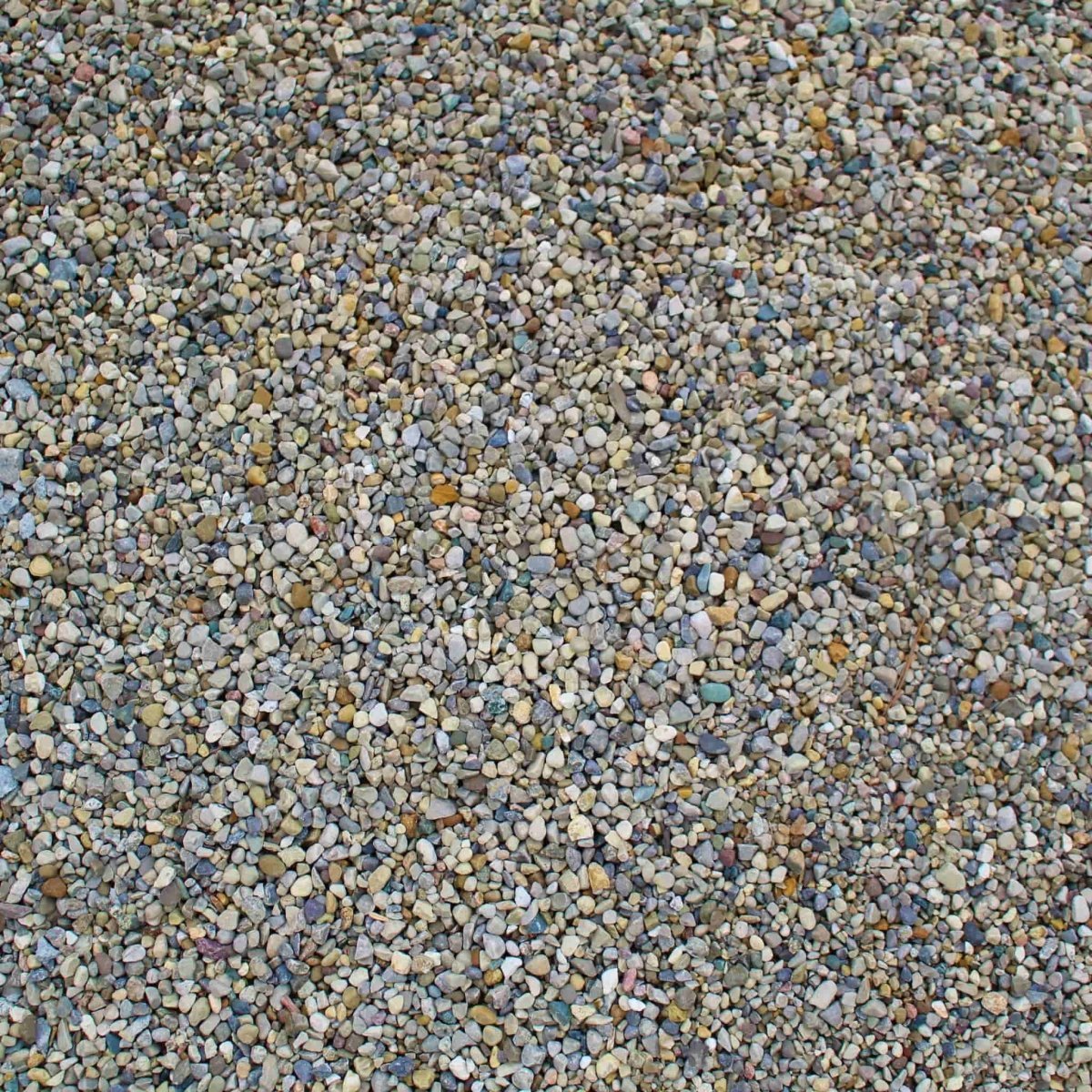
Pea gravel is one of the most popular choices for homeowners in this part of Texas, where the humid subtropical climate and heavy clay soils make drainage a real priority. Its smooth, rounded edges give pathways and patios a polished, natural look that complements the wooded residential landscape styles common to this area.
Complete Your Outdoor Stone Project
Pairing stone borders with a layer of hardwood mulch inside the bed creates a clean, low-maintenance landscape design that is well suited to The Woodlands's long growing season and high rainfall. If you are building new beds alongside stone pathways, adding quality garden soil before mulching gives plants the nutrient-rich foundation that the native sandy loam cannot provide on its own.



Service area
Areas we deliver stone and gravel in The Woodlands, Texas
Mulch Mound Pro Tip
In The Woodlands, one of the most valuable uses of decorative stone is creating a dry creek bed that doubles as a drainage feature. Because the area receives heavy rainfall in concentrated events, having a defined stone channel that carries water away from the home and into a rain garden or low area of the yard protects the foundation and reduces lawn erosion. This type of feature is both functional and visually attractive, requiring no maintenance once installed correctly.
Mulch Mound Pro Tip
If you are using crushed granite or decomposed granite for pathways in The Woodlands, wet the material down and tamp it firmly after installation so it binds together into a more stable surface. The sandy loam soil underneath can shift during wet-dry cycles, which are common with the area's variable rainfall patterns. A tamped and stabilized surface holds up significantly better through the frequent rain events of spring and the dry stretches of late summer.
Mulch Mound Pro Tip
Stone foundation borders in The Woodlands serve double duty by protecting against both termite pressure and moisture-related foundation problems. Keep the stone border at least 12 inches wide and pulled away from the siding so air can circulate freely. This is especially important during the humid summer months when moisture accumulates against structures, and a properly installed stone border also keeps organic debris from piling up against the foundation, which is one of the primary attractants for termites in wooded neighborhoods throughout The Woodlands.
The Unique Landscape of The Woodlands
Stone is one of the most practical landscape materials available to The Woodlands homeowners because it does not break down in heat, does not wash away in the heavy spring rains that average 50 inches annually, and requires virtually no maintenance through the long Zone 9a growing season. The area's sandy loam soil shifts and erodes more easily than clay-based soils, making stone an ideal surface for pathways, foundation borders, and drainage channels where stability matters. Stone also solves one of the most common problems in The Woodlands, which is channeling runoff away from structures and into yard areas where it can absorb safely. Unlike organic mulch, stone does not need annual replenishment and will not attract the termite activity that homeowners near wooded lots sometimes worry about. Whether used decoratively or functionally, stone gives The Woodlands landscapes a durable and low-effort anchor that holds up from the last frost in February through the hottest months of summer.